Fabricantes de joyería de moda y de acero inoxidable en China | Fábrica OEM/ODM personalizada para marcas globales - JEWINS
X
MENÚ
MENÚ
Inicio
Producto
Embalaje
Servicio valorado
Solución
Certificación
Blog
Sobre nosotros
Contáctenos
Joyas de acero inoxidable 316L frente a 304: ¿cuál es mejor?
Guía del producto
Publicado por JEWINS el 05 ago 2026
Guía de materiales
Joyas de acero inoxidable 316L frente a 304: ¿cuál es mejor?
Respuesta rápida
El acero inoxidable 316L es mejor que el 304 para la mayoría de las joyas que tocan la piel porque ofrece una mayor resistencia a la corrosión, una menor liberación de níquel y una mejor durabilidad a largo plazo. El acero inoxidable 304 puede funcionar para accesorios de moda o artículos con contacto limitado con la piel, pero el 316L es la opción profesional más segura para aretes, anillos, pulseras, piercings y líneas de joyería hipoalergénica.
** Acero inoxidable 316L joyería
Joyas de acero inoxidable 304
Joyas de acero inoxidable calificaciones
Hipoalergénico joyería
Liberación de níquel
Abastecimiento de material de joyería
OEM ODM acero inoxidable joyería
Conclusiones clave
Para llevar 1
316L se presenta como el mejor grado para joyería de contacto con la piel porque contiene molibdeno, que mejora la resistencia a la corrosión y reduce la liberación de níquel.
Para llevar 2
El acero inoxidable 304 es aceptable para algunos accesorios de moda y artículos que no entran en contacto con la piel, pero no es ideal para aretes, piercings, anillos de uso diario ni joyas hipoalergénicas.
Para llevar 3
316L cuesta un poco más que 304, pero el artículo dice que el costo adicional es pequeño en comparación con los beneficios en durabilidad, seguridad y cumplimiento.
Para llevar 4
Los compradores no pueden identificar de manera confiable 316L o 304 por su apariencia; Se necesitan etiquetas, certificados, pruebas XRF, espectrometría o pruebas de liberación de níquel.
Para llevar 5
Las marcas de joyería deben tratar la calidad del material como una decisión de seguridad, cumplimiento, calidad del producto y reputación de la marca.
Al comprar joyas de acero inoxidable, el grado del acero es más importante de lo que la mayoría de la gente piensa. Los dos grados más comunes utilizados en joyería son 316L y 304. Ambos se ven iguales y se sienten similares, pero no son iguales. El acero inoxidable 316L tiene más resistencia a la corrosión, menor liberación de níquel y mayor seguridad para la piel que el 304. Es por eso que la mayoría de los fabricantes de joyería profesionales prefieren el 316L para aretes, anillos y piezas en contacto con la piel. En esta guía, desglosamos todas las diferencias importantes para que pueda tomar una decisión de compra o de abastecimiento más inteligente.
¿Qué es la joyería de acero inoxidable?
Las joyas de acero inoxidable están hechas de un tipo de aleación de metal que resiste el óxido, el deslustre y la corrosión. Contiene hierro, carbono y al menos un 10,5% de cromo. Ese cromo crea una capa fina e invisible en la superficie que protege el metal de daños.
El acero inoxidable se ha vuelto muy popular en la industria de la joyería porque es:
Asequible, mucho más barato que el oro o el platino
Duradero: no se raya ni se abolla fácilmente
Bajo mantenimiento: no se empaña ni requiere pulido frecuente
Versátil: se le puede dar forma de anillos, collares, pulseras, aretes y más
Sin embargo, no todo el acero inoxidable es igual. Los diferentes grados tienen diferentes composiciones químicas, y eso cambia la seguridad y durabilidad de las joyas.
¿Qué son el acero inoxidable 304 y 316L?
¿Qué es el acero inoxidable 304?
El acero inoxidable 304 es el grado de acero inoxidable más utilizado en el mundo. Lo encontrarás en electrodomésticos de cocina, recipientes de comida, fregaderos y algunas joyas. Contiene:
Hierro (el metal base)
18 % de cromo: le confiere resistencia a la oxidación
8% níquel: añade fuerza y brillo
Pequeñas cantidades de carbono y manganeso
304 a veces se denomina "acero 18/8" debido a su proporción de 18 % de cromo y 8 % de níquel. Es un buen metal de uso general, pero tiene limitaciones cuando se usa en joyería, especialmente en contacto con la piel o en ambientes con mucha humedad.
¿Qué es el acero inoxidable 316L?
El acero inoxidable 316L es un grado premium diseñado para entornos más exigentes. Es la opción más popular para joyería de acero inoxidable de calidad profesional. Contiene:
Hierro (el metal base)
16–18 % de cromo
10–14 % níquel
2–3 % de molibdeno: esta es la adición clave que hace que el 316L sea especial
Muy bajo en carbono (la "L" en 316L significa "Bajo carbono")
La adición de molibdeno mejora significativamente su resistencia a la corrosión por cloruro (como la del sudor y el agua salada). También se le llama comúnmente "acero quirúrgico" porque es lo suficientemente seguro como para usarse en implantes médicos e instrumentos quirúrgicos.
Principales diferencias entre las joyas de acero inoxidable 316L y 304
1. Composición química
La mayor diferencia entre los dos grados es su composición química, particularmente la presencia de molibdeno en 316L.
Elemento
Acero inoxidable 304
Acero inoxidable 316L
Hierro (Fe)
Equilibrio
Equilibrio
Cromo (Cr)
18–20%
16–18%
Níquel (Ni)
8–10,5%
10–14%
Molibdeno (Mo)
Ninguno (0%)
2–3%
Carbono (C)
Máximo 0,08%
Máximo 0,03% (bajo contenido de carbono)
Manganeso (Mn)
Máximo 2%
Máximo 2%
El molibdeno en 316L cambia las reglas del juego. Actúa como un escudo contra productos químicos agresivos, el sudor y el agua salada, elementos con los que las joyas entran en contacto todos los días.
2. Resistencia a la corrosión
316L gana claramente aquí.
El cromo en ambos grados crea una capa de óxido pasiva que previene la oxidación. Pero sin molibdeno, esta capa es más débil en 304. Cuando se expone a:
Sudor (contiene cloruros)
Agua de mar o de piscina (alto contenido de cloruro)
Productos químicos o perfumes de limpieza
Las joyas de acero inoxidable 304 pueden desarrollar pequeñas manchas de óxido o picaduras en la superficie con el tiempo. Las joyas de acero inoxidable 316L resisten mucho mejor en todas estas condiciones porque el molibdeno fortalece la capa protectora.
Explicación simple: piense en el molibdeno como una capa adicional de pintura en una cerca de metal. Ambas cercas tienen pintura, pero la que tiene la capa adicional dura mucho más bajo la lluvia y el sol.
3. Contenido de níquel y seguridad para la piel
Esta es quizás la diferencia más importante para los compradores de joyas.
Ambos grados contienen níquel. El níquel es un alérgeno común. De hecho, la alergia al níquel es una de las alergias de contacto más comunes en el mundo y se estima que afecta a entre el 10 % y el 15 % de las mujeres y entre el 1 % y el 2 % de los hombres.
He aquí por qué 316L es más seguro:
316L tiene una capa protectora más fuerte y densa debido al molibdeno. Esto significa que se filtra menos níquel y entra en contacto con la piel.
304 tiene una capa protectora más débil, por lo que puede migrar más níquel a la superficie de la piel con el tiempo, especialmente en condiciones de sudor o humedad.
La Directiva sobre níquel EN 1811 de la Unión Europea establece límites estrictos sobre la cantidad de níquel que pueden liberar las joyas. El acero inoxidable 316L normalmente cumple con este estándar. Es posible que 304 no siempre pase, especialmente en situaciones de contacto con la piel de uso prolongado, como aretes.
El acero inoxidable 316L a menudo se etiqueta como hipoalergénico por este motivo. Sin embargo, no está completamente libre de níquel. Las personas con alergias graves al níquel deben consultar a un médico antes de usar joyas de acero inoxidable.
4. Durabilidad
Ambos grados son muy duraderos en comparación con materiales como el latón, el cobre o incluso la plata esterlina. Pero el 316L tiene una ligera ventaja en el uso de joyería en el mundo real:
Factor de durabilidad
Acero inoxidable 304
Acero inoxidable 316L
Resistencia al rayado
Muy bien
Muy bien
Resistencia a la oxidación
Bueno
Excelente
Resistencia química
Moderado
Alto
Apariencia a largo plazo
Puede opacarse más rápido
Permanece brillante por más tiempo
Rendimiento en climas húmedos
Promedio
Excelente
Para las joyas que se usan todos los días en climas húmedos, o durante el ejercicio, la natación o la ducha, el 316L mantiene su apariencia por mucho más tiempo.
5. Diferencia de precio
316L es más caro que 304, pero la diferencia no es dramática para la producción de joyería.
Calificación
Costo relativo
Impacto en los costos de joyería
304
Inferior
Ahorro mínimo por pieza
316L
Un poco más alto (5–15 % más)
Pequeño costo agregado por unidad
Para las marcas de joyería, la diferencia de precio por pieza suele ser de unos pocos centavos a un dólar más por 316L. Teniendo en cuenta los beneficios en seguridad y durabilidad, la mayoría de las marcas centradas en la calidad eligen 316L sin dudarlo.
6. Mejores aplicaciones de joyería
Tipo de joyería
Calificación recomendada
Razón
Pendientes (especialmente postes)
316L
Contacto con la piel, cerca de la herida/perforación
Anillos en la nariz/piercings en el cuerpo
316L
Contacto directo con el tejido
Anillos (uso diario)
316L
Contacto con sudor, agua
Collares y colgantes
Ambos (preferiblemente 316L)
Toca la piel con regularidad
Pulseras
316L preferido
Contacto con el sudor de la muñeca
Accesorios de moda (sin contacto con la piel)
304 aceptable
Aplicación menos crítica
Llaveros / dijes para bolsos
304 aceptable
Sin contacto con la piel
Tabla comparativa completa: joyas de acero inoxidable 316L frente a 304
Característica
Acero inoxidable 304
Acero inoxidable 316L
También conocido como
Acero 18/8
Acero quirúrgico, grado marino
Contenido de molibdeno
Ninguno
2–3%
Resistencia a la corrosión
Bueno
Excelente
Liberación de níquel (seguridad para la piel)
Moderado
Bajo
Clasificación hipoalergénica
Parcial
Sí (para la mayoría de las personas)
Resistencia al sudor/agua salada
Moderado
Alto
Durabilidad
Alto
Muy alto
Precio
Inferior
Un poco más alto
Recomendado para aretes
No es ideal
Sí
Cumple con la directiva de níquel de la UE
A veces
Generalmente sí
Lo mejor para joyas en contacto con la piel
No
Sí
Por qué se prefiere el acero inoxidable 316L para aretes y joyas de contacto con la piel
Los aretes, especialmente los aretes tipo aro, están en contacto directo con la piel sensible y los sitios de perforación abiertos. Esto hace que la seguridad del material sea extremadamente importante.
He aquí por qué 316L es la mejor opción para aretes:
Menor liberación de níquel: la capa de molibdeno reduce la cantidad de níquel que entra en contacto con la piel de la oreja o entra en una perforación nueva.
Resistencia al sudor: las orejas y la piel alrededor de los piercings pueden sudar. 316L maneja esto mucho mejor que 304.
Corrosión cerca de las perforaciones: el área alrededor de una perforación reciente o sensible es más vulnerable a la irritación del metal. La capa protectora más fuerte del 316L reduce este riesgo.
Estándar de grado médico: el 316L se utiliza en implantes quirúrgicos, lo que lo convierte en la opción confiable para cualquier joya que toque áreas sensibles del cuerpo.
Cumplimiento de las normas de seguridad: muchos mercados (especialmente en la UE y el Reino Unido) exigen que las joyas cumplan con las normas de liberación de níquel. 316L es la opción más segura para el cumplimiento.
Muchas marcas de joyería de renombre ahora comercializan sus productos como "pendientes de acero quirúrgico 316L" o "pendientes hipoalergénicos 316L", porque los clientes buscan específicamente este grado como garantía de seguridad.
¿El acero inoxidable 304 es bueno para joyería?
Sí, el acero inoxidable 304 se puede utilizar para determinadas joyas, pero no es la mejor opción para todas las aplicaciones.
304 es aceptable para:
Joyas de moda con contacto limitado con la piel
Accesorios decorativos (llaveros, dijes para bolsos, broches de moda)
Joyas destinadas a uso ocasional o a corto plazo
Productos de joyería de bajo presupuesto donde el precio es la principal preocupación
304 NO se recomienda para:
Pendientes y piercings
Anillos y pulseras que se usan a diario
Joyas en climas húmedos o tropicales
Joyas comercializadas como hipoalergénicas
Productos vendidos a clientes con piel sensible
Si un fabricante utiliza 304 pero lo comercializa como "hipoalergénico" o "acero quirúrgico", eso es engañoso. El verdadero acero de grado quirúrgico es el 316L. Los compradores y las marcas deben ser conscientes de esta distinción.
Cómo identificar joyas de acero inoxidable 316L frente a 304
Una de las preguntas más comunes que hacen los compradores es: "¿Cómo puedo saber si mis joyas son 316L o 304?"
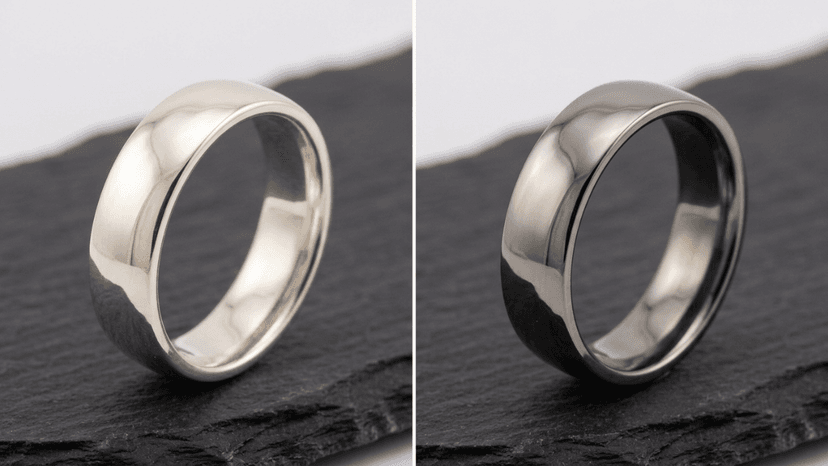
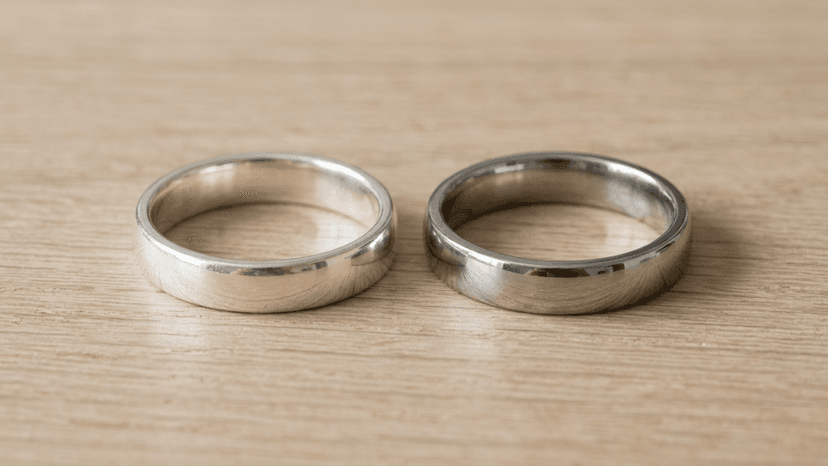
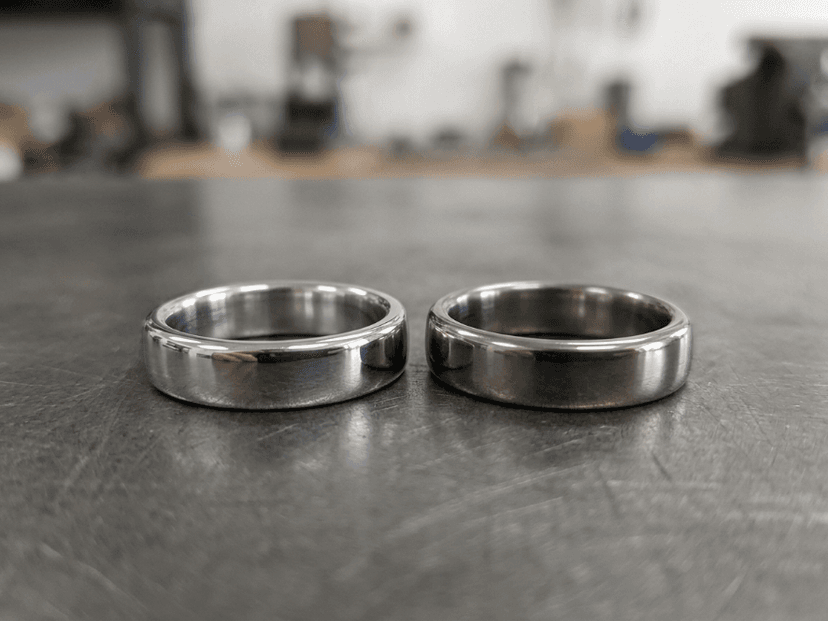
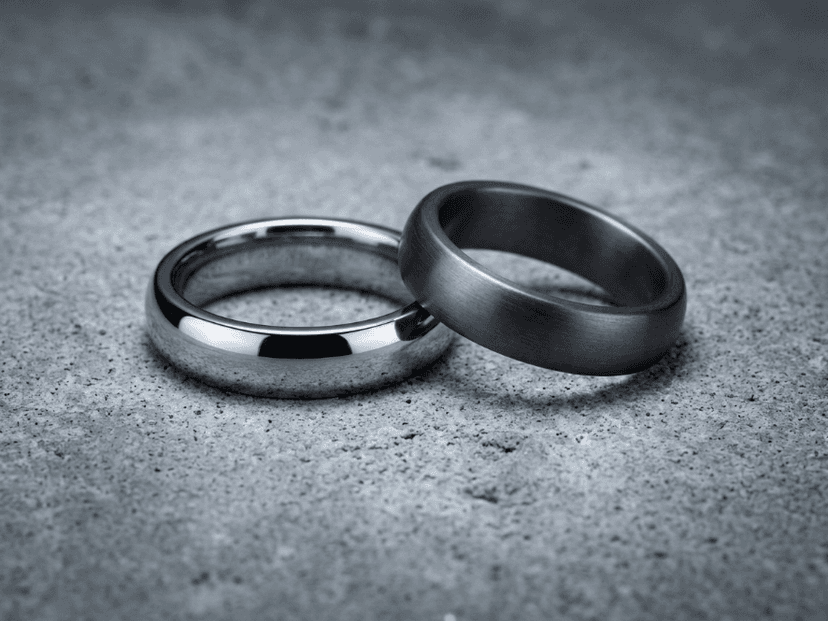
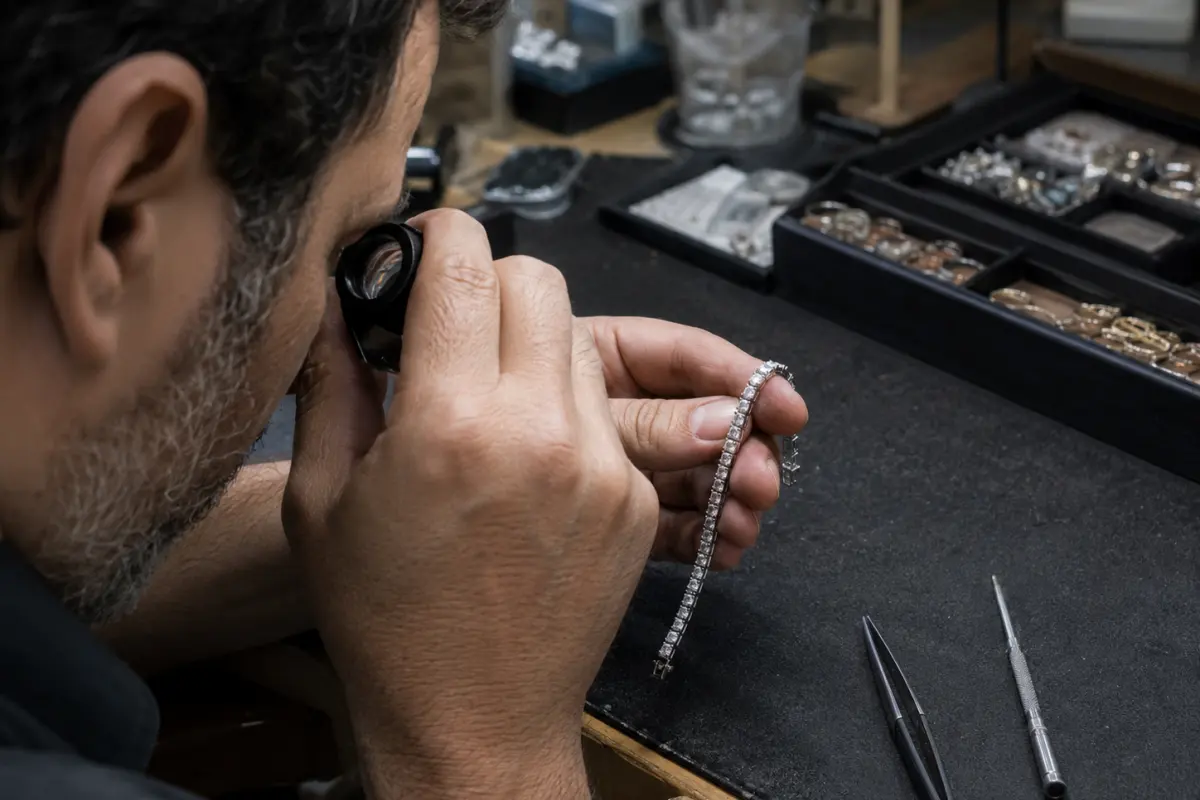
La respuesta honesta: no se puede saber con solo mirarlo. Ambos grados lucen idénticos: el mismo brillo plateado, el mismo peso, la misma sensación. Necesita otros métodos para verificar la calificación.
Método 1: Verifique la etiqueta o el certificado del producto
Un fabricante confiable siempre proporcionará:
Una etiqueta de especificación del material en el producto o embalaje
A material certificate (sometimes called a mill certificate or test report) that confirms the steel grade
Markings such as "316L," "SS316L," or "AISI 316L"
Watch for vague labels like "stainless steel," "surgical steel," or "silver-tone metal" with no grade number. These could be 304 — or even lower-quality alloys.
Method 2: Ask the Manufacturer for Grade Verification
When sourcing jewelry from a manufacturer, always ask:
"What grade of stainless steel do you use?"
"Can you provide a material certificate for 316L?"
"Do your products meet the EU EN 1811 nickel release standards?"
A trustworthy manufacturer will answer these questions clearly and provide documentation. If they are vague or evasive, that is a red flag.
Method 3: Understand Common Markings
Marking
What It Means
316L
Genuine 316L grade — the preferred jewelry grade
316
Very similar to 316L but slightly higher carbon
304
General-purpose grade — not ideal for skin-contact use
18/8
Another name for 304 stainless steel
Surgical Steel
Usually 316L, but verify — no universal standard
Stainless Steel (no grade)
Unclear — could be any grade
SS or Inox
General stainless steel — grade unspecified
Important: The term "surgical steel" has no official, universally regulated definition in the jewelry industry. It is often used loosely. Always look for the specific grade number (316L) rather than relying on marketing terms.
Method 4: Professional Material Testing
If you need absolute certainty about the steel grade — especially for large product orders or compliance purposes — use professional testing methods:
XRF Testing (X-Ray Fluorescence Testing)
XRF is the most practical and non-destructive way to identify steel grades. Here is how it works:
A handheld XRF gun is pointed at the jewelry piece
It emits X-rays that interact with the metal's atoms
The machine analyzes the elements present and displays their percentages
Results show chromium, nickel, molybdenum, and other elements
XRF testing can confirm in seconds whether a piece is 316L (by detecting the 2–3% molybdenum) or 304 (molybdenum absent or near zero).
Cost and access: XRF testing is commonly offered by third-party labs, customs authorities, and quality inspection companies. If you are importing large quantities, this test is worth the investment.
Metal Composition Analysis (Spectrometry)
For laboratory-level accuracy, optical emission spectrometry (OES) or inductively coupled plasma (ICP) testing can precisely measure every element in the alloy. These tests are used by quality control labs and research facilities.
Nickel Release Testing (EN 1811 Standard)
This test measures how much nickel actually leaches out of the jewelry under simulated skin-contact conditions. It does not identify the grade directly, but it confirms whether the jewelry meets EU safety standards for skin contact.
Pass: Less than 0.5 µg/cm²/week nickel release
Fail: More than 0.5 µg/cm²/week
316L jewelry typically passes. 304 jewelry may not — especially with longer wear times.
Why Appearance Alone Cannot Identify the Grade
Both 316L and 304:
Have the same silver metallic appearance
Feel the same weight in the hand
Have the same surface finish (brushed, polished, or matte)
Do not change color at room temperature
No visual test, magnet test, or simple scratch test can reliably tell them apart. (Note: the magnet test only checks for magnetism — stainless steel can be slightly magnetic regardless of grade. It does not confirm the grade.)
The only reliable ways to confirm the grade are:
Documentation and certificates from the manufacturer
XRF or spectrometry testing
How to Choose the Right Stainless Steel Material for Different Jewelry Products
Here is a practical guide for jewelry brands and buyers:
For Earrings
Always choose 316L. Earrings are worn on sensitive skin, often near open piercings. Nickel release and corrosion resistance are critical. Using 304 for earrings — and especially for children's earrings — is a liability risk.
For Rings
316L is strongly recommended, especially for wedding bands or daily-wear rings. Rings are in constant contact with sweaty, moist skin. 316L's molybdenum content protects against corrosion from long-term sweat exposure.
For Necklaces and Pendants
316L is preferred, particularly for pendants that rest against the chest or neck. If the necklace never touches skin (e.g., a decorative chain worn over clothing), 304 may be acceptable for cost-sensitive products.
For Bracelets and Bangles
316L recommended. Wrists sweat, especially in warm climates or during exercise. 316L performs significantly better in these conditions.
For Fashion Accessories (Non-Skin-Contact)
304 is acceptable. Keychains, bag charms, belt buckles, and similar items that rarely or never contact skin can use 304 without major concerns.
Summary: Choosing by Product Type
Product
Best Grade
304 Acceptable?
Earrings
316L
No
Nose rings / piercings
316L
No
Rings (daily wear)
316L
Not ideal
Necklaces / pendants
316L
Limited cases
Bracelets / bangles
316L
Not ideal
Keychains / charms
304 or 316L
Yes
Belt buckles
304 or 316L
Yes
Decorative accessories
304 or 316L
Yes
Why Jewelry Brands Should Consider Material Quality When Choosing a Manufacturer
Material quality is not just a product feature — it is a business decision with real consequences.
Here is why smart jewelry brands take material quality seriously when selecting a manufacturing partner:
1. Customer Safety and Brand Reputation
If a customer develops a skin rash from your earrings, they will leave a negative review. In today's social media world, one viral complaint about an allergic reaction can damage a brand's reputation overnight. Using certified 316L stainless steel is a simple way to reduce this risk.
2. Regulatory Compliance
Many markets have strict rules about nickel release from jewelry. The European Union's REACH regulation and the EU Nickel Directive are well-known examples. Non-compliant products can be:
Banned from sale
Recalled from shelves
Subject to fines and legal action
Choosing a manufacturer that uses 316L and provides compliance test reports protects your brand from these risks.
3. Long-Term Product Quality
Jewelry made from 316L maintains its appearance longer. This means:
Fewer customer complaints about tarnishing or rusting
Better product reviews and repeat customers
A stronger brand image in the market
4. Transparency and Documentation
A quality manufacturer should provide:
Material certificates (mill certificates) confirming the steel grade
Third-party test reports (XRF, nickel release, RoHS compliance)
Clear product specifications for each SKU
If a manufacturer cannot or will not provide this documentation, that is a serious warning sign. Your brand is ultimately responsible for the safety of the products you sell.
5. Competitive Differentiation
As consumers become more educated about jewelry materials, brands that can clearly communicate "We use 316L surgical-grade stainless steel" gain a marketing advantage. Educated buyers actively look for this information before purchasing.
Conclusion
When comparing 316L vs 304 stainless steel jewelry, the verdict is clear: 316L is the superior choice for any jewelry that comes into direct contact with skin. Its molybdenum content gives it better corrosion resistance, lower nickel release, and greater long-term durability. For earrings, rings, bracelets, and body jewelry, 316L is the professional standard. While 304 stainless steel is a fine general-purpose metal, it simply does not meet the same safety and performance bar for skin-contact jewelry.
For jewelry buyers, the most important steps are to check for the 316L marking, request material certificates, and use XRF testing for large orders. For jewelry brands, choosing a manufacturer that uses and certifies 316L is one of the most important quality decisions you can make.
Looking for a trusted stainless steel jewelry manufacturer? Jewins is a professional stainless steel jewelry manufacturer that uses certified 316L stainless steel for all premium jewelry production — including earrings, necklaces, rings, and bracelets. Jewins offers comprehensive OEM, ODM, and private label services for jewelry brands worldwide, with full material certification, quality control testing, and custom design capabilities. Whether you are launching a new jewelry line or scaling an existing brand, Jewins provides the material quality and manufacturing expertise to help your products meet the highest standards.
Is 316L stainless steel better than 304 for jewelry?
Yes. 316L stainless steel is better than 304 for jewelry — especially for skin-contact pieces. The key reason is molybdenum: 316L contains 2–3% molybdenum, which makes it more resistant to corrosion from sweat, water, and chemicals. It also releases less nickel than 304, making it safer for people with sensitive skin. Most professional jewelry manufacturers use 316L for earrings, rings, and other skin-contact items.If you want to see more, please read our is 316L stainless steel jewelry a good choice for brands.
Is 304 stainless steel safe for jewelry?
304 stainless steel is generally safe for short-term, non-skin-contact jewelry use. It is not the best choice for earrings, piercings, or daily-wear rings because it releases more nickel and has weaker corrosion resistance compared to 316L. If you have sensitive skin or nickel allergies, avoid 304 stainless steel jewelry for extended wear.
Is 316L stainless steel hypoallergenic?
316L stainless steel is considered hypoallergenic for most people. It releases very low amounts of nickel — typically below the limits set by the EU Nickel Directive. However, it is not 100% nickel-free. People with severe nickel allergies may still react. If you have a confirmed severe nickel allergy, consult your doctor before wearing 316L jewelry.
Which stainless steel is best for earrings?
316L stainless steel is the best choice for earrings. Earrings sit close to sensitive skin and near piercing sites, so low nickel release and high corrosion resistance are essential. 316L — often called surgical steel — is used in medical implants for the same reasons. It is the industry standard for quality earrings.
How can I identify 316L stainless steel jewelry?
You cannot identify 316L stainless steel just by looking at it. The most reliable methods are:
Check the product label or certificate — look for "316L" or "AISI 316L" markings.
Ask the manufacturer for a material certificate confirming the grade.
XRF testing — a handheld XRF gun can detect molybdenum (present in 316L, absent in 304) within seconds.
Nickel release testing — confirms if the jewelry meets EU safety standards for skin contact.
Can I tell 316L and 304 stainless steel apart by appearance?
No. 316L and 304 stainless steel look identical. Both have the same silver shine, the same weight, and the same surface finish. No visual inspection, magnet test, or scratch test can reliably distinguish them. The only accurate methods are material certificates from the manufacturer or professional testing such as XRF analysis.
What stainless steel does Jewins use for jewelry?
Jewins uses 316L stainless steel — the highest-quality grade for jewelry production — for all its premium jewelry products. This includes earrings, necklaces, bracelets, rings, and body jewelry. Jewins provides material certificates and quality testing documentation to verify the steel grade for all orders.
Can Jewins customize stainless steel jewelry?
Yes. Jewins offers full OEM (Original Equipment Manufacturer), ODM (Original Design Manufacturer), and private label services for jewelry brands. You can submit your own designs, request product modifications, or work with the Jewins design team to create entirely new collections. Jewins supports custom logo engraving, PVD coating colors, packaging design, and more — all using certified 316L stainless steel.
Looking for certified 316L stainless steel jewelry for your brand? Contact Us to discuss OEM/ODM production, private label services, material certification, quality control testing, and custom designs for earrings, rings, bracelets, and necklaces.
{
"@context": "https://schema.org",
"@type": "Article",
"headline": "316L vs 304 Stainless Steel Jewelry: Which One Is Better?",
"description": "Compare 316L vs 304 stainless steel jewelry to learn differences in safety, durability, corrosion resistance, and why 316L is best for skin-contact jewelry.",
"datePublished": "2026-08-05",
"dateModified": "2026-08-05",
"author": {
"@type": "Organization",
"name": "Jewins",
"url": "https://www.jewins.com"
},
"publisher": {
"@type": "Organization",
"name": "Jewins",
"url": "https://www.jewins.com"
},
"mainEntityOfPage": {
"@type": "Página web",
"@id": "https://www.jewins.com/blog/316l-vs-304-stainless-steel-jewelry"
}
}
{
"@context": "https://schema.org",
"@type": "Página de preguntas frecuentes",
"entidad principal": [
{
"@type": "Pregunta",
"name": "Is 316L stainless steel better than 304 for jewelry?",
"Respuestaaceptada": {
"@type": "Respuesta",
"text": "Yes. 316L stainless steel is better than 304 for jewelry — especially for skin-contact pieces. The key reason is molybdenum: 316L contains 2–3% molybdenum, which makes it more resistant to corrosion from sweat, water, and chemicals. It also releases less nickel than 304, making it safer for people with sensitive skin. Most professional jewelry manufacturers use 316L for earrings, rings, and other skin-contact items.If you want to see more, please read our is 316L stainless steel jewelry a good choice for brands ."
}
},
{
"@type": "Pregunta",
"name": "Is 304 stainless steel safe for jewelry?",
"Respuestaaceptada": {
"@type": "Respuesta",
"text": "304 stainless steel is generally safe for short-term, non-skin-contact jewelry use. It is not the best choice for earrings, piercings, or daily-wear rings because it releases more nickel and has weaker corrosion resistance compared to 316L. If you have sensitive skin or nickel allergies, avoid 304 stainless steel jewelry for extended wear."
}
},
{
"@type": "Pregunta",
"name": "Is 316L stainless steel hypoallergenic?",
"Respuestaaceptada": {
"@type": "Respuesta",
"text": "316L stainless steel is considered hypoallergenic for most people. It releases very low amounts of nickel — typically below the limits set by the EU Nickel Directive. However, it is not 100% nickel-free. People with severe nickel allergies may still react. If you have a confirmed severe nickel allergy, consult your doctor before wearing 316L jewelry."
}
},
{
"@type": "Pregunta",
"name": "Which stainless steel is best for earrings?",
"Respuestaaceptada": {
"@type": "Respuesta",
"text": "316L stainless steel is the best choice for earrings. Earrings sit close to sensitive skin and near piercing sites, so low nickel release and high corrosion resistance are essential. 316L — often called surgical steel — is used in medical implants for the same reasons. It is the industry standard for quality earrings."
}
},
{
"@type": "Pregunta",
"name": "How can I identify 316L stainless steel jewelry?",
"Respuestaaceptada": {
"@type": "Respuesta",
"text": "You cannot identify 316L stainless steel just by looking at it. The most reliable methods are: Check the product label or certificate — look for \"316L\" or \"AISI 316L\" markings. Ask the manufacturer for a material certificate confirming the grade. XRF testing — a handheld XRF gun can detect molybdenum (present in 316L, absent in 304) within seconds. Nickel release testing — confirms if the jewelry meets EU safety standards for skin contact."
}
},
{
"@type": "Pregunta",
"name": "Can I tell 316L and 304 stainless steel apart by appearance?",
"Respuestaaceptada": {
"@type": "Respuesta",
"text": "No. 316L and 304 stainless steel look identical. Both have the same silver shine, the same weight, and the same surface finish. No visual inspection, magnet test, or scratch test can reliably distinguish them. The only accurate methods are material certificates from the manufacturer or professional testing such as XRF analysis."
}
},
{
"@type": "Pregunta",
"name": "What stainless steel does Jewins use for jewelry?",
"Respuestaaceptada": {
"@type": "Respuesta",
"text": "Jewins uses 316L stainless steel — the highest-quality grade for jewelry production — for all its premium jewelry products. This includes earrings, necklaces, bracelets, rings, and body jewelry. Jewins provides material certificates and quality testing documentation to verify the steel grade for all orders."
}
},
{
"@type": "Pregunta",
"name": "Can Jewins customize stainless steel jewelry?",
"Respuestaaceptada": {
"@type": "Respuesta",
"text": "Yes. Jewins offers full OEM (Original Equipment Manufacturer), ODM (Original Design Manufacturer), and private label services for jewelry brands. You can submit your own designs, request product modifications, or work with the Jewins design team to create entirely new collections. Jewins supports custom logo engraving, PVD coating colors, packaging design, and more — all using certified 316L stainless steel."
}
}
]
}
{
"@context": "https://schema.org",
"@type": "BreadcrumbList",
"itemListElement": [
{
"@type": "ListItem",
"position": 1,
"name": "Home",
"item": "https://www.jewins.com"
},
{
"@type": "ListItem",
"position": 2,
"name": "Blog",
"item": "https://www.jewins.com/blog"
},
{
"@type": "ListItem",
"position": 3,
"name": "316L vs 304 Stainless Steel Jewelry: Which One Is Better?",
"item": "https://www.jewins.com/blog/316l-vs-304-stainless-steel-jewelry"
}
]
}