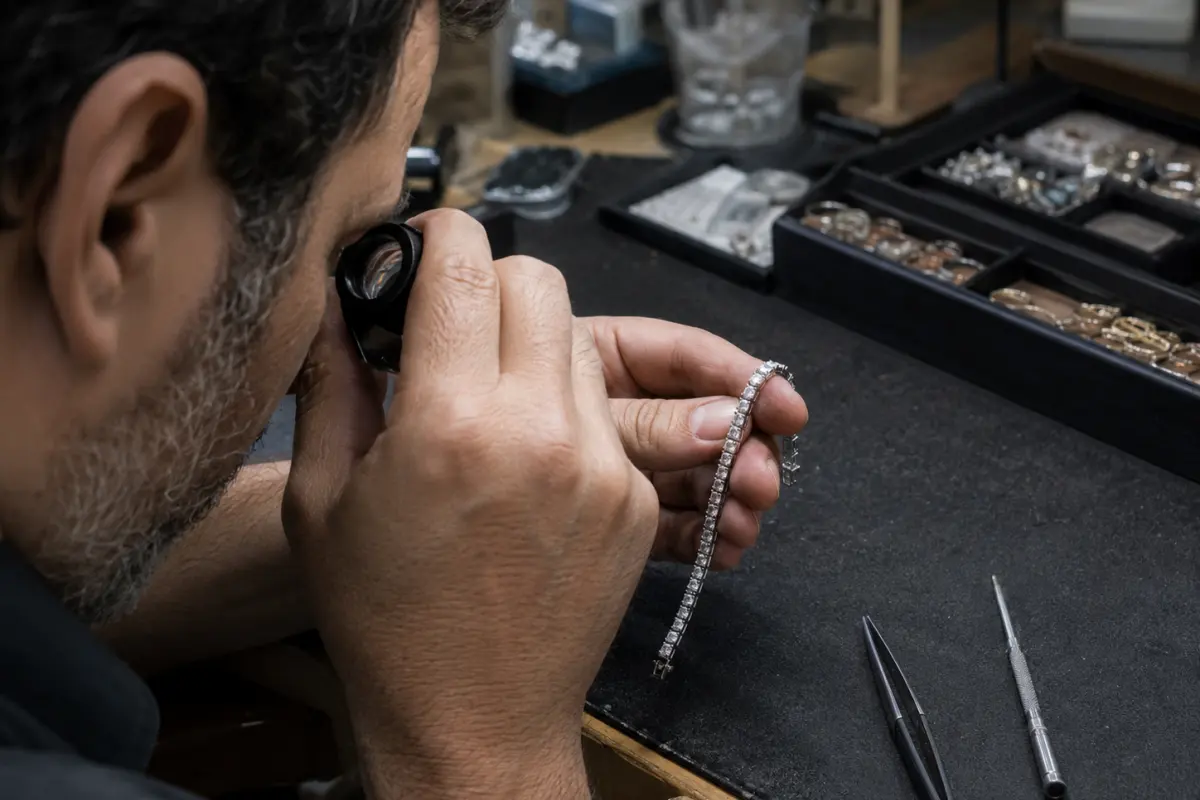

How to Clean Stainless Steel Jewelry: The Complete Guide
This guide helps jewelry brands, wholesalers, and private label buyers understand how to clean stainless steel jewelry from a practical factory and sourcing perspective. Jewins focuses on 316L stainless steel jewelry, realistic material advice, sample support, quality checks, and stable OEM/ODM production — so buyers can make sourcing decisions with more confidence.
Cleaning stainless steel jewelry means using warm water, mild dish soap, and a soft cloth to safely remove everyday dirt, skin oils, and fingerprints without scratching the surface. For jewelry brands and wholesale buyers, the key is not only understanding the definition, but also checking the material, process, supplier capability, sample quality, and bulk-order consistency before production.
Yes, you can clean stainless steel jewelry easily at home. All you need is warm water, mild dish soap, and a soft cloth. Stainless steel jewelry is tough and long-lasting, but it still picks up dirt, oil, and fingerprints over time. Cleaning it regularly keeps it bright and looking brand new. In this guide, you will learn exactly how to clean stainless steel jewelry step by step, what products to avoid, and how to keep it shiny for years.
Does Stainless Steel Jewelry Need Cleaning?
Yes, stainless steel jewelry does need cleaning — even though it is one of the most durable materials used in jewelry today.
Here is why:
- Skin oils and sweat build up on the surface after wearing.
- Lotions, perfumes, and soaps leave a thin film that dulls the shine.
- Dust and dirt settle into engraved areas and chain links.
- Fingerprints show up easily, especially on polished finishes.
The good news? Stainless steel is much easier to clean than silver or gold. It does not require special jewelry polish or expensive products. Simple household items do the job well.
What You Need Before You Start Cleaning
Gather these items before you begin. Most are already in your home.
Basic Cleaning Supplies
| Item | Purpose |
|---|---|
| Warm water | Loosens dirt and dissolves soap residue |
| Mild dish soap | Breaks down oil and grime safely |
| Soft microfiber cloth | Cleans without scratching the surface |
| Soft-bristle toothbrush | Reaches into small links and engraved areas |
| Dry lint-free cloth | Buffs the surface to a shine after cleaning |
| Small bowl | Holds the cleaning solution |
Optional Supplies (for stubborn stains)
- Baking soda (mild abrasive for light scratches)
- White vinegar (removes mineral deposits and watermarks)
- Rubbing alcohol / isopropyl alcohol (disinfects and removes sticky residue)
Never use paper towels. They can leave tiny scratches on polished stainless steel surfaces.
Step-by-Step Guide: How to Clean Stainless Steel Jewelry at Home
Follow these steps for a safe and effective clean every time.
Step 1 — Make Your Cleaning Solution
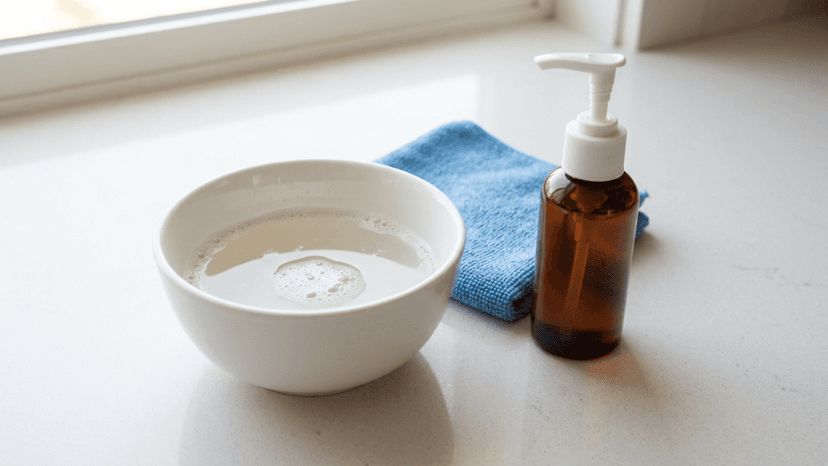
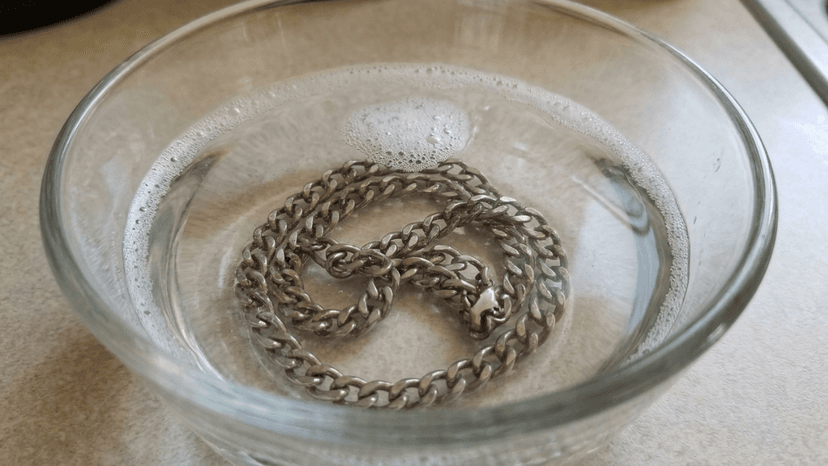
Fill a small bowl with warm (not hot) water. Add two to three drops of mild dish soap. Stir gently until it is slightly soapy.
Step 2 — Soak the Jewelry
Place your stainless steel jewelry into the bowl. Let it soak for 5 to 10 minutes. This loosens dirt, oil, and any dried-on residue without any scrubbing.
Do not soak jewelry with gemstones, pearls, or other non-metal components for more than 2 minutes, as prolonged soaking can loosen glue or damage porous stones.
Step 3 — Gently Scrub
Use a soft-bristle toothbrush to gently scrub the surface. Pay extra attention to:
- Chain links
- Clasps and hinges
- Engraved letters or patterns
- The back of pendants and charms
Use small circular motions and light pressure. Do not press hard.
Step 4 — Rinse Thoroughly
Rinse the jewelry under warm running water. Make sure all soap is gone. Leftover soap can leave a filmy residue that dulls the metal.
Step 5 — Dry Completely
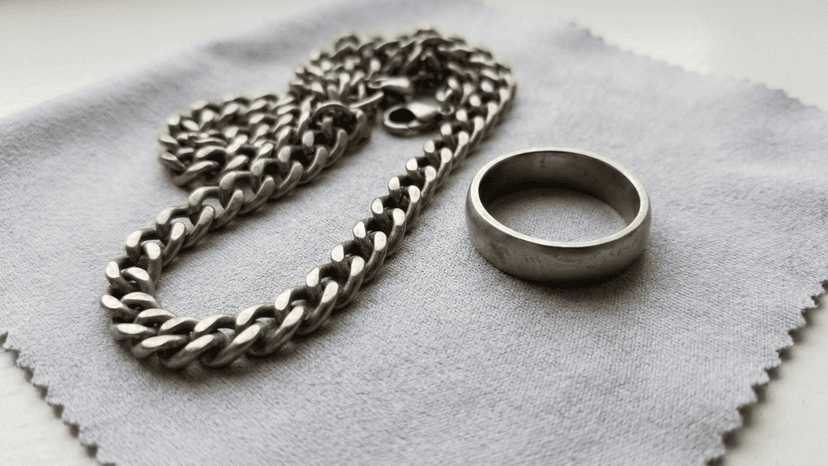
Pat the jewelry dry with a soft microfiber cloth right away. Do not let it air dry. Water left on the surface — especially hard tap water — can leave mineral spots.
Step 6 — Buff to a Shine
Use a clean, dry lint-free cloth to gently buff the surface. Use long, straight strokes that follow the grain of the metal (if visible). This brings back the natural shine.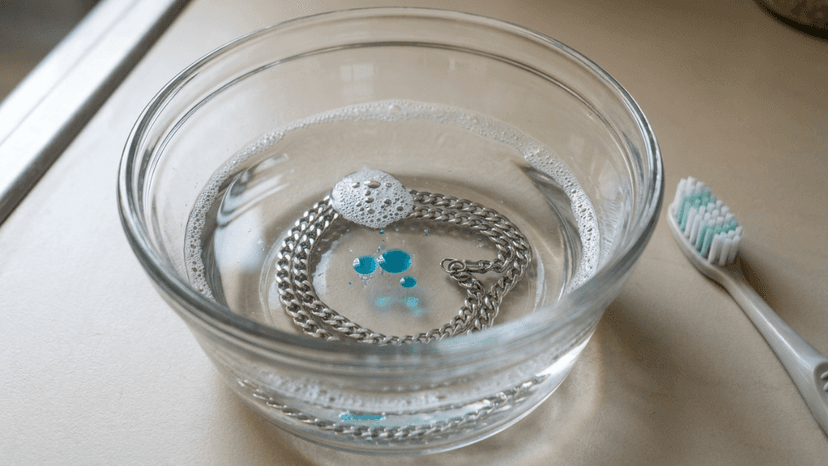
How to Remove Dirt, Oil, Soap Residue, and Light Stains
Different types of buildup require slightly different approaches.
Removing Everyday Dirt and Oil
The warm water and dish soap method above handles most everyday grime effectively. Use it after every few wears for the best results.
Removing Soap Scum and Watermarks
Mix equal parts white vinegar and warm water in a bowl. Soak the jewelry for 5 minutes, then scrub lightly with a toothbrush and rinse well. White vinegar dissolves mineral deposits and hard water spots without damaging the metal.
Removing Sticky Residue or Heavy Grease
Dampen a cotton ball or cloth with isopropyl alcohol (70% or higher). Wipe the affected area gently. Rinse with water and dry immediately. Alcohol is safe for stainless steel and cuts through stubborn residue fast.
Removing Light Surface Discoloration
Make a paste using a small amount of baking soda and water. Apply it to the discolored area with a cloth or toothbrush. Rub gently using circular motions, then rinse and dry. Do not use baking soda on brushed or matte finishes — it may alter the texture.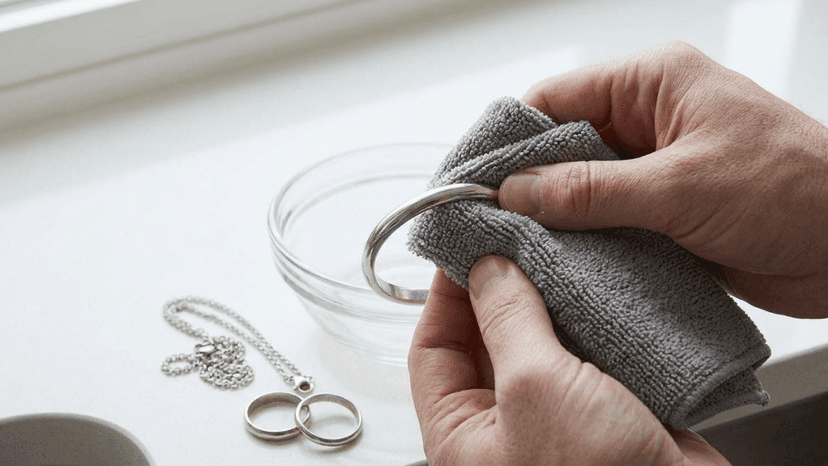
Can Stainless Steel Jewelry Rust or Tarnish?
This is one of the most common questions people ask about stainless steel jewelry — and the answer is nuanced.
Does Stainless Steel Rust?
Stainless steel is highly rust-resistant but not completely rust-proof. It contains chromium, which forms a thin protective layer on the surface called a passive layer. This layer prevents most rust and corrosion.
However, rust can occur in rare cases if:
- The jewelry is low-quality or has a low chromium content
- It is exposed to harsh chemicals (bleach, chlorine, acids)
- The protective layer is scratched deeply and left in a wet environment
Jewelry-grade stainless steel — most commonly 316L (surgical steel) and 304 stainless steel — is extremely resistant to rust and safe for everyday wear.
Does Stainless Steel Tarnish?
Stainless steel does not tarnish the way silver does. Silver tarnishes because it reacts with sulfur compounds in the air. Stainless steel does not have this reaction. What looks like tarnish on stainless steel is usually a buildup of oil, dirt, or soap film. A good cleaning will restore the shine.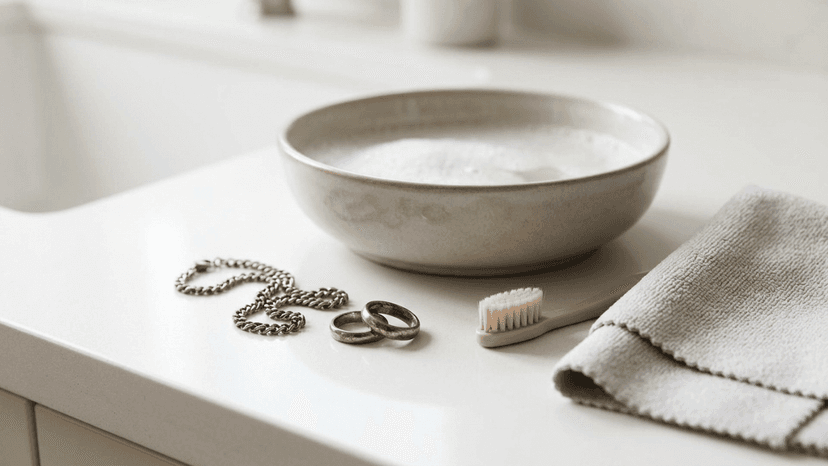
What Cleaners Should You Avoid?
Some cleaning products that seem harmless can actually damage stainless steel jewelry. Avoid these:
| Cleaner to Avoid | Why It's Harmful |
|---|---|
| Bleach or chlorine | Breaks down the protective chromium layer; causes corrosion |
| Abrasive scrubbing pads | Creates scratches on polished surfaces |
| Toothpaste | Contains mild abrasives that can dull polished finishes |
| Acetone (nail polish remover) | Can strip surface coatings and finishes |
| Ammonia-based cleaners | Too harsh; can cause discoloration over time |
| Ultrasonic cleaners (for gemstone-set pieces) | High vibration can loosen stone settings |
| Hot water | Can be harsh on pieces with glued components |
If it is harsh enough to clean a bathroom, it is too harsh for your jewelry.
How Often Should You Clean Stainless Steel Jewelry?
The right cleaning frequency depends on how often you wear your jewelry.
| How Often You Wear It | Recommended Cleaning Frequency |
|---|---|
| Every day | Once a week (light wipe), deep clean monthly |
| A few times a week | Every 2–3 weeks |
| Occasionally | Before and after each use |
| Stored long-term | Before storing and again before wearing |
Quick Daily Maintenance
After wearing, simply wipe your stainless steel jewelry with a dry microfiber cloth before storing it. This 10-second habit removes most surface oils and significantly reduces the need for deep cleaning.
How to Polish Stainless Steel Jewelry Safely
Polishing restores the mirror-like shine on smooth, high-polish stainless steel jewelry.
Method 1 — Microfiber Cloth Buffing (Best for Regular Shine)
After cleaning and drying, use a clean microfiber or jewelry polishing cloth. Rub in the direction of the metal's grain using firm but gentle pressure. This removes micro-smudges and enhances the reflective finish.
Method 2 — Baking Soda Paste (For Light Dullness)
Mix baking soda with just enough water to form a thick paste. Apply with a soft cloth and rub in the direction of the grain. Rinse thoroughly and buff dry.
Only use this on smooth, high-polish finishes. Avoid using it on brushed, matte, or hammered textures.
Method 3 — Commercial Stainless Steel Polish (For Heavy Dullness)
Products like Flitz Polish or Mothers Mag & Aluminum Polish are safe for stainless steel jewelry. Apply a tiny amount with a soft cloth, rub gently, and wipe clean. These are best reserved for pieces that have lost their shine over years of wear.
What NOT to Do When Polishing
- Do not use steel wool or metal scouring pads
- Do not use circular motions on brushed finishes
- Do not polish against the grain — it creates visible scratches
How to Store Stainless Steel Jewelry to Keep It Shiny
Proper storage is just as important as cleaning. Poor storage causes scratches, tangles, and dullness.
Best Storage Practices
- Store each piece separately in a soft pouch, velvet-lined box, or individual zip-lock bag to prevent scratching.
- Keep jewelry dry. Never store it in a humid bathroom. Choose a bedroom drawer or a closed jewelry box instead.
- Avoid direct sunlight. UV exposure can gradually affect coated or plated stainless steel pieces.
- Use anti-tarnish strips in your jewelry box to keep the environment clean (these help even though stainless steel resists tarnish).
- Hang necklaces and chains on hooks to prevent tangling. Untangling chains can cause kinks and stretch the links.
Common Cleaning Mistakes People Make
Even well-meaning cleaning habits can damage your jewelry. Watch out for these.
Mistake 1 — Using Paper Towels to Dry
Paper towels feel soft but have a rough texture that can leave fine scratches on polished stainless steel. Always use a microfiber or lint-free cloth.
Mistake 2 — Leaving Soap or Water on the Surface
Soap residue and water droplets dry into spots and dull the surface. Always rinse thoroughly and dry immediately after cleaning.
Mistake 3 — Scrubbing Too Hard
Stainless steel is tough, but aggressive scrubbing with stiff brushes or abrasive cloths will scratch it. Always use light, gentle pressure.
Mistake 4 — Using Harsh Chemicals
Bleach, acetone, and ammonia can permanently damage the protective surface layer of stainless steel jewelry. Stick to mild dish soap and water.
Mistake 5 — Cleaning Jewelry While Wearing It
Washing hands with rings on, or showering with necklaces on, exposes your jewelry to soap buildup and hard water. Remove jewelry before washing and bathing.
Mistake 6 — Storing Pieces Together
Tossing all your jewelry into one box seems convenient, but pieces rub against each other and create scratches. Separate storage protects each piece.
When Is Professional Cleaning Needed?
Most stainless steel jewelry can be kept in perfect condition with home cleaning alone. However, there are a few situations where professional help is worth considering.
Signs You May Need Professional Cleaning
- Deep scratches that home polishing cannot remove
- Gemstone settings that have loosened or stones that appear cloudy
- Coating or plating damage on gold-plated, rose gold-plated, or black PVD-coated stainless steel pieces
- Mechanisms not working — clasps, hinges, or moveable parts that are stiff or stuck
- Discoloration that does not come off after multiple home cleanings
What a Professional Can Do
A professional jeweler can:
- Re-polish the metal surface using professional buffing equipment
- Re-plate gold or rose gold over worn stainless steel
- Re-set loose stones securely
- Restore the original finish on matte or brushed pieces
Professional cleaning for stainless steel jewelry is rarely necessary more than once every few years if you maintain it properly at home.
Conclusion
Cleaning stainless steel jewelry at home is simple, affordable, and only takes a few minutes. Regular cleaning with warm water, mild dish soap, and a soft cloth is all most people ever need. Pair that with proper storage and gentle polishing, and your stainless steel jewelry will stay bright and beautiful for many years.
When choosing stainless steel jewelry, quality matters. Jewins is a trusted stainless steel jewelry manufacturer known for producing durable, high-quality pieces that stand up to everyday wear and maintain their shine over time. Whether you are a consumer looking for lasting value or a jewelry brand seeking reliable custom manufacturing services, Jewins offers the craftsmanship and expertise to meet your needs.
Frequently Asked Questions
1. Can I use toothpaste to clean stainless steel jewelry?
No. Toothpaste contains mild abrasives that can scratch polished stainless steel surfaces and dull the finish over time. Stick to mild dish soap and warm water instead.
2. Will stainless steel jewelry turn my skin green?
No. High-quality stainless steel jewelry, especially 316L surgical steel, does not react with skin oils and will not cause green discoloration. This is one of the main advantages of stainless steel over brass or copper-based alloys.
3. Is it safe to shower with stainless steel jewelry on?
Stainless steel itself handles water well, but regular exposure to soap, shampoo, and hard water will cause buildup that dulls the surface. It is best to remove your jewelry before showering to keep it looking its best.
4. How do I clean stainless steel jewelry with gemstones?
Use the same mild soap and warm water method, but limit soaking to 1–2 minutes. Use a toothbrush to clean around the stone setting gently. Rinse quickly and dry immediately. Avoid soaking if the stone is glued in rather than prong-set.
5. Can stainless steel jewelry go in an ultrasonic cleaner?
Plain stainless steel jewelry without stones or delicate components can generally handle ultrasonic cleaning. However, avoid ultrasonic cleaners for pieces with glued settings, soft gemstones (like opals or emeralds), or enamel coatings, as vibrations can cause damage.
6. How do I remove scratches from stainless steel jewelry?
Light surface scratches can be minimized by polishing with a microfiber cloth or a baking soda paste, following the grain of the metal. Deep scratches require professional re-polishing. Prevention is the best strategy — store pieces separately and avoid contact with hard surfaces.
7. Does stainless steel jewelry fade or lose its color?
Pure stainless steel does not fade. However, gold-plated or colored PVD-coated stainless steel pieces can show wear over time, especially in areas of high friction. Avoid harsh chemicals and abrasive cleaning on these pieces to extend the coating's life.
8. How long does stainless steel jewelry last?
With proper care, stainless steel jewelry can last many years — even decades. It is one of the most durable jewelry materials available. Regular cleaning, careful storage, and avoiding harsh chemicals will help it maintain its appearance for the long term.
Build Your Jewelry Collection with a Reliable OEM/ODM Supplier
Jewins helps jewelry brands, wholesalers, and private label buyers develop 316L stainless steel jewelry with practical sample support, stable production, quality checks, and packaging options. From material selection to bulk-order delivery, we focus on clear communication, realistic claims, and consistent quality.