
Sterling Silver vs Stainless Steel Jewelry: Which Is Better?
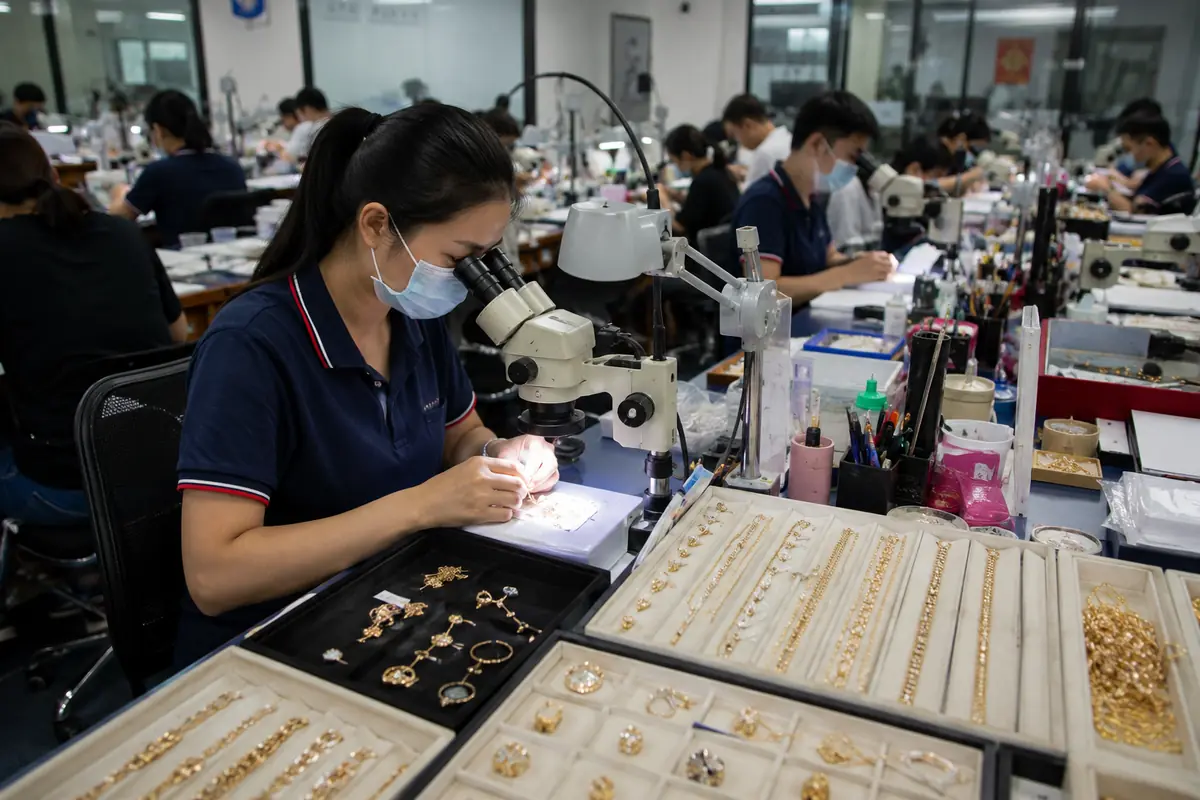
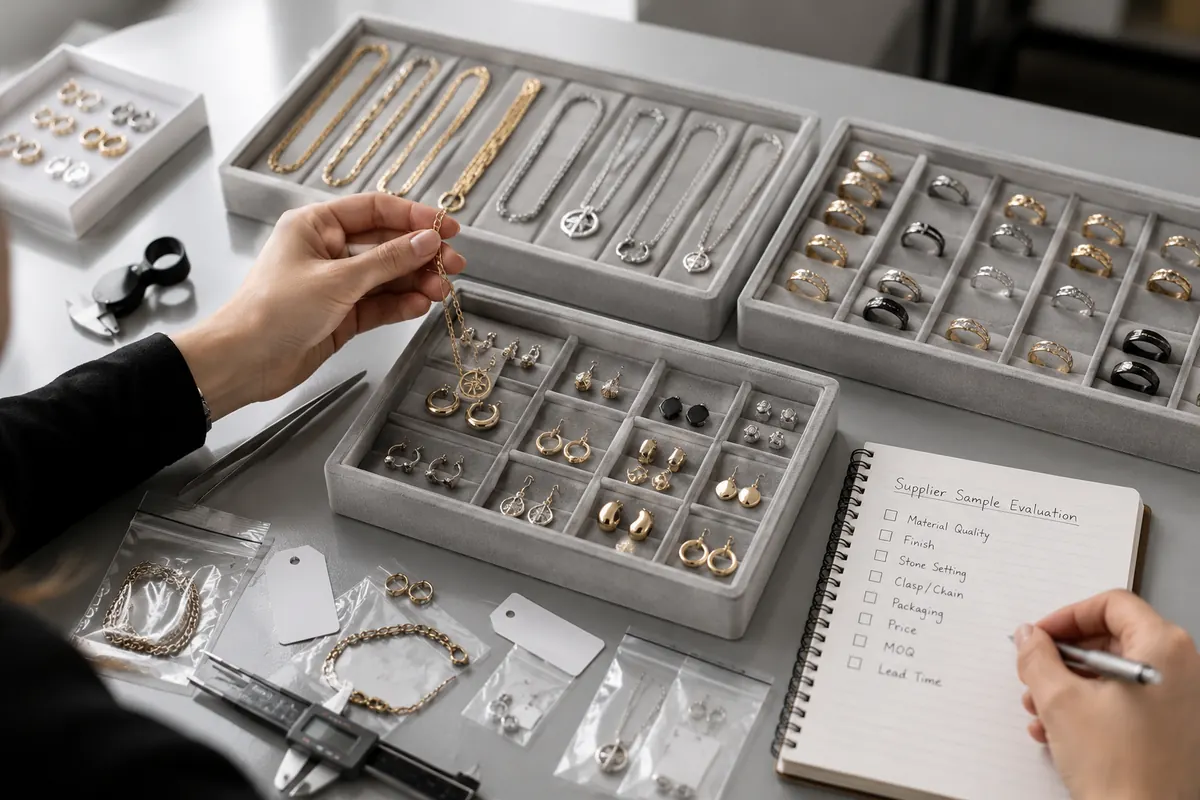
This guide helps jewelry brands, wholesalers, and private label buyers understand sterling silver vs stainless steel jewelry from a practical factory and sourcing perspective. Jewins focuses on 316L stainless steel jewelry, realistic material advice, sample support, quality checks, and stable OEM/ODM production — so buyers can make sourcing decisions with more confidence.
Sterling silver vs stainless steel jewelry means stainless steel jewelry is generally the better choice for everyday wear because it is stronger, more affordable, tarnish-resistant, and lower maintenance than sterling silver. For jewelry brands and wholesale buyers, the key is not only understanding the definition, but also checking the material, process, supplier capability, sample quality, and bulk-order consistency before production.
For most people, stainless steel jewelry is the better choice for everyday wear. It is stronger, more affordable, tarnish-resistant, and easier to maintain than sterling silver. However, sterling silver has a classic elegance and higher perceived value that many people prefer for special occasions or fine jewelry. The right choice depends on how you plan to wear it, your budget, and your skin type. This guide breaks down every key difference so you can make the best decision for your needs.
What Is Stainless Steel Jewelry?
Stainless steel is a metal alloy made primarily of iron, carbon, and at least 10.5% chromium. The chromium creates a thin, invisible layer on the surface called a passive layer. This layer protects the metal from rust, tarnish, and corrosion.
The most common grades used in jewelry are:
- 316L stainless steel (also called surgical steel) — The gold standard for jewelry. It contains nickel but in a form that is tightly bound and does not easily release into the skin, making it safe for most people with sensitive skin.
- 304 stainless steel — Slightly less corrosion-resistant, still suitable for many jewelry applications.
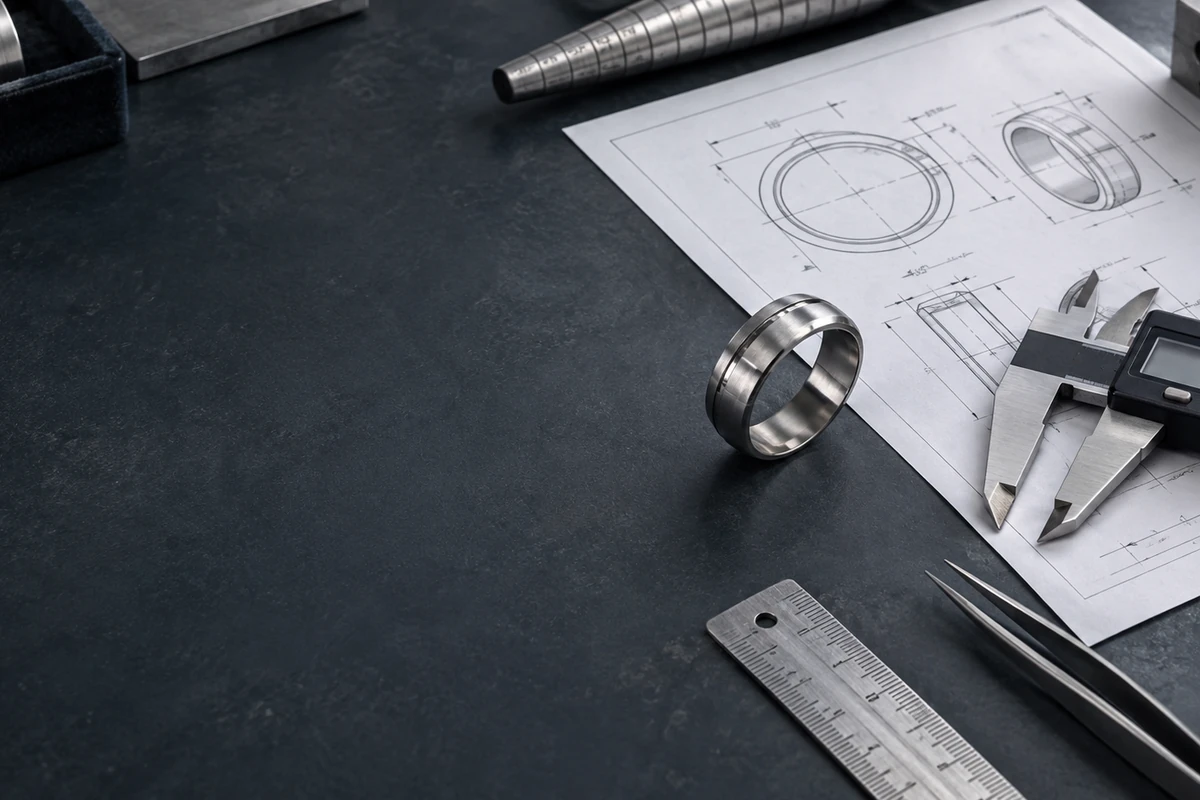
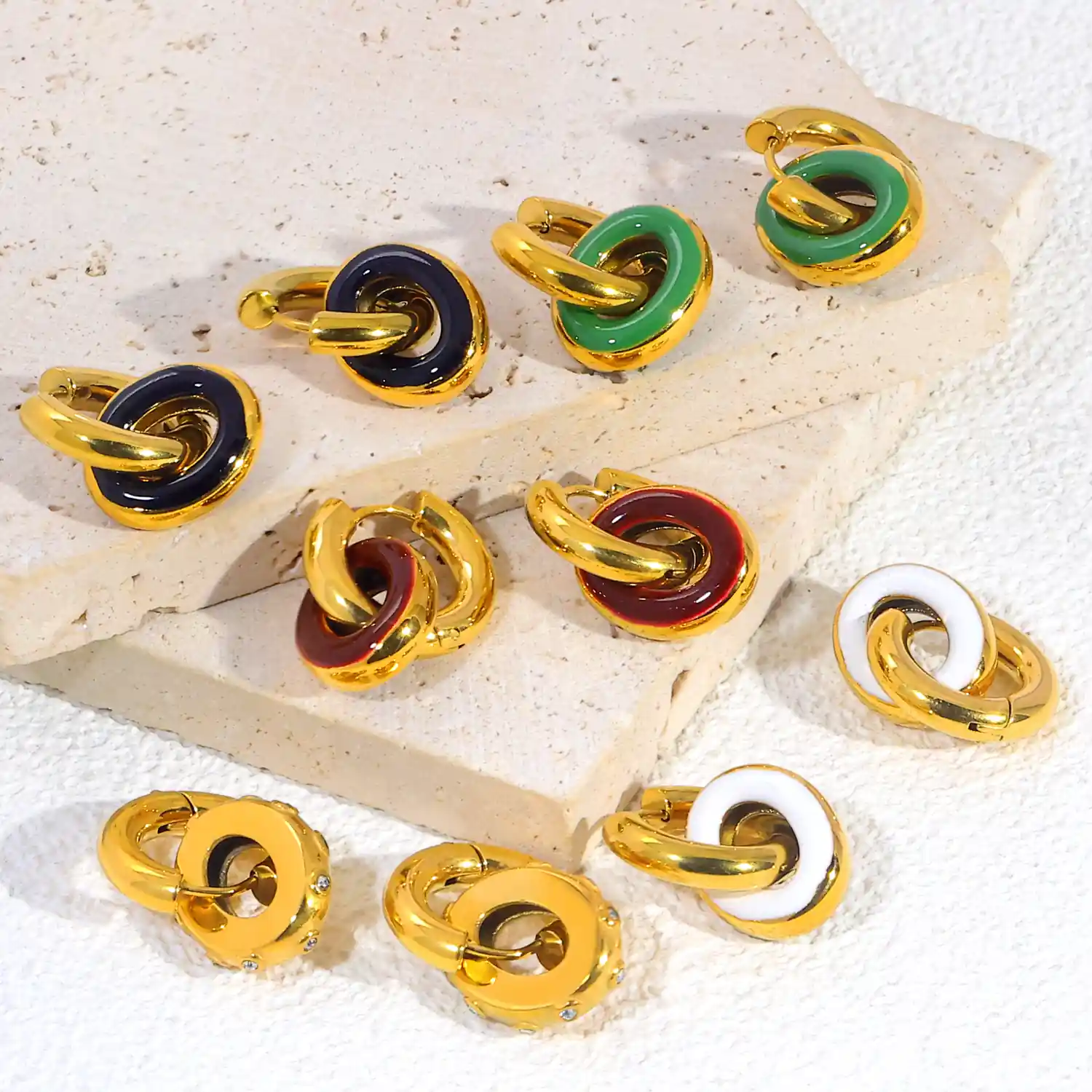
Stainless steel jewelry is widely used for rings, chains, bracelets, earrings, and pendants. It can be finished in many ways — high polish, brushed, matte, gold-plated, rose gold-plated, or black PVD coating.
What Is Sterling Silver Jewelry?
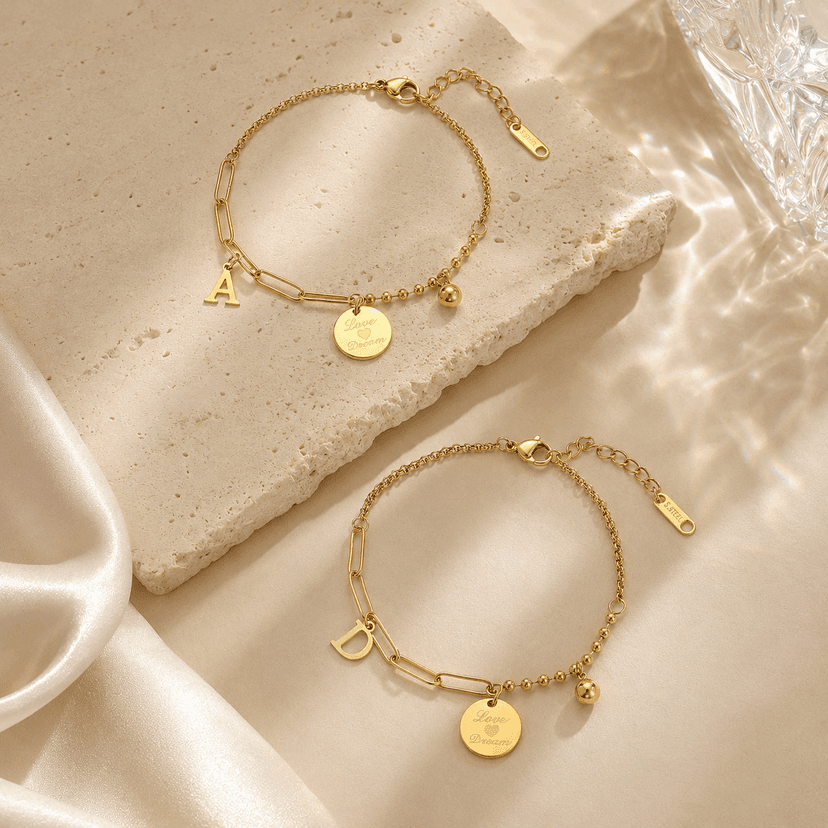
Sterling silver is a precious metal alloy made of 92.5% pure silver and 7.5% other metals, usually copper. You will often see it stamped as "925" or ".925" on jewelry.
Pure silver (99.9%) is too soft to use in most jewelry on its own. Adding copper makes it harder and more workable — but it also makes it more prone to tarnishing.
Sterling silver has been used in fine jewelry for centuries. It has a bright, white metallic shine and is highly workable, which makes it ideal for delicate, detailed designs. Silversmiths can craft intricate patterns, filigree work, and detailed engravings more easily in sterling silver than in stainless steel.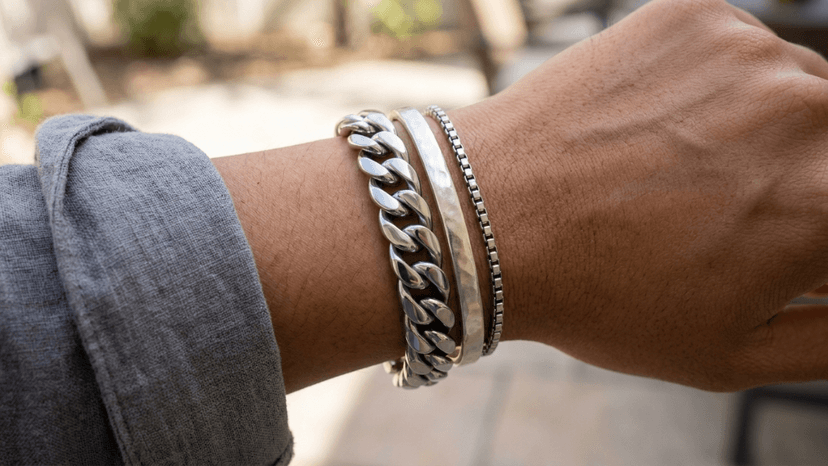
Side-by-Side Comparison: Stainless Steel Jewelry vs Sterling Silver
| Feature | Stainless Steel Jewelry | Sterling Silver Jewelry |
|---|---|---|
| Composition | Iron, chromium, carbon (+ nickel in 316L) | 92.5% silver, 7.5% copper |
| Durability | Very high | Moderate |
| Tarnish resistance | Excellent — does not tarnish | Poor — tarnishes over time |
| Rust resistance | Very high | Low |
| Maintenance | Minimal | Regular polishing needed |
| Hypoallergenic | Yes (316L grade) | Sometimes (copper can cause reactions) |
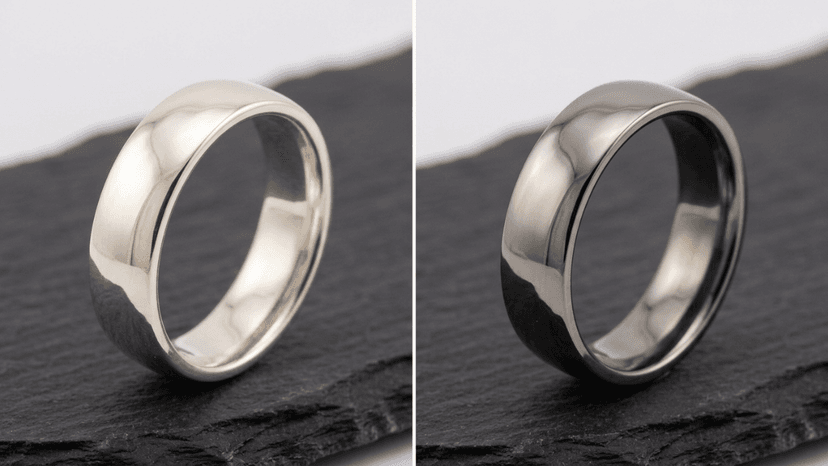
| Appearance | Bright, modern, silver-white | Bright, warm, classic white |
| Weight | Heavier, solid feel | Lighter |
| Workability | Harder to shape | Easy to shape, ideal for fine details |
| Price | Low to moderate | Moderate to high |
| Long-term value | Functional value | Intrinsic silver value |
| Best use | Everyday wear, active lifestyles | Formal, special occasions, heirlooms |
Durability: Which Metal Lasts Longer?
Stainless steel jewelry wins on durability.
Stainless steel rates between 5.5 and 6.3 on the Mohs hardness scale. Sterling silver rates around 2.5 to 3. This means stainless steel is significantly harder and more scratch-resistant.
What this means in practice:
- Stainless steel resists bending, denting, and scratching much better than sterling silver.
- Sterling silver is a soft metal. It dents and scratches more easily, especially with daily wear.
- Stainless steel holds its shape even through rough, active daily use.
- Sterling silver is better suited for pieces you wear occasionally, not every single day.
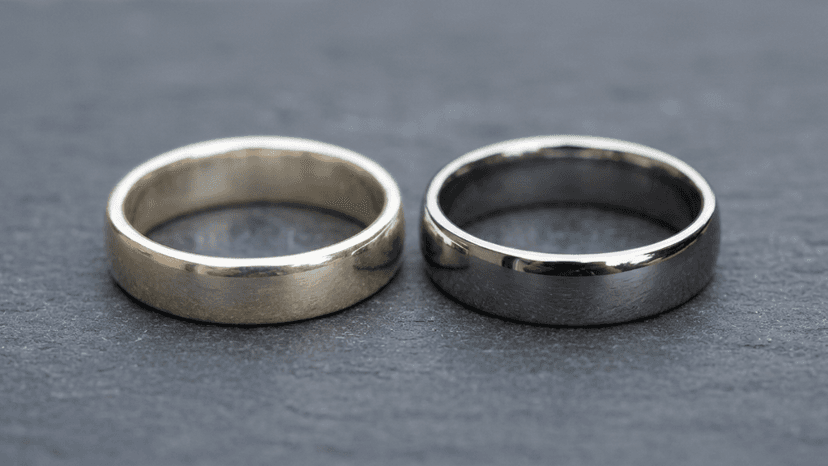
Example: A stainless steel ring worn daily for 5 years will look much the same as when you bought it. A sterling silver ring worn daily without maintenance will show visible wear, scratches, and tarnish.
Tarnish and Rust Resistance: A Major Difference
This is one of the biggest practical differences between the two metals.
Stainless Steel Jewelry
- Does not tarnish. The chromium oxide passive layer protects it from air and moisture.
- Does not rust under normal conditions.
- Keeps its shine even when worn in rain, sweat, or humid environments.
- Ideal for people who dislike regular jewelry maintenance.
Sterling Silver Jewelry
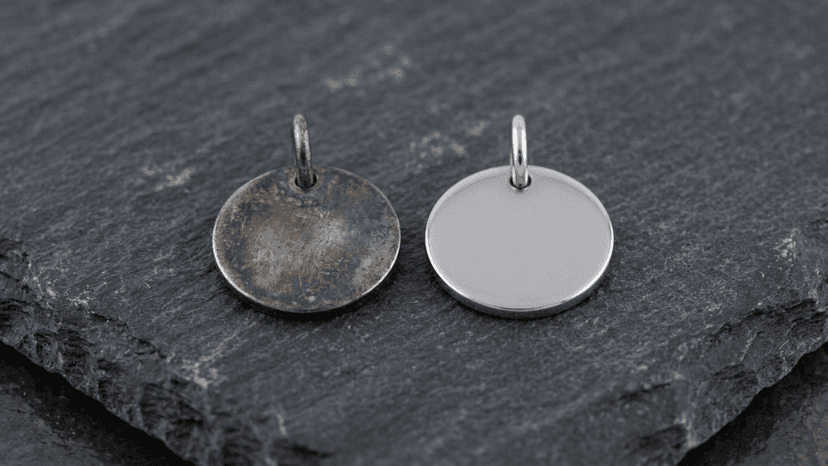
- Tarnishes over time. The copper content reacts with sulfur compounds in the air, causing a dark, yellowish-black layer to form on the surface. This is called tarnish.
- Tarnishing speeds up when exposed to sweat, perfumes, lotions, and humid air.
- Tarnish is removable with silver polish or a silver cleaning cloth, but it requires regular effort.
- Sterling silver should not be worn in pools, the ocean, or during exercise regularly.
Maintenance and Cleaning: How Much Work Is Each?
Stainless Steel Jewelry — Low Maintenance
Cleaning stainless steel jewelry is simple:
- Mix warm water with a few drops of mild dish soap.
- Soak the jewelry for 5–10 minutes.
- Scrub gently with a soft toothbrush.
- Rinse and dry with a microfiber cloth.
That is all you need. No special polish or cleaning products required.
Sterling Silver Jewelry — Higher Maintenance
Sterling silver needs more regular care:
- Wipe after each use with a soft silver polishing cloth.
- Use silver polish paste or dip every few weeks to remove the tarnish.
- Store in an airtight bag or a jewelry box with anti-tarnish strips.
- Avoid exposure to chlorine, bleach, and sulfur-based products (including some rubber surfaces).
If you skip maintenance, tarnish builds up and the silver looks dull and dark. Restoring heavily tarnished silver takes more effort and, sometimes, professional polishing.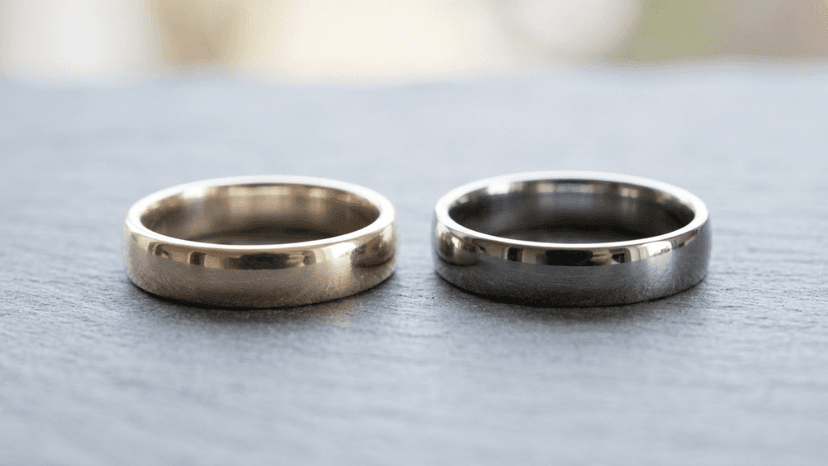
Skin Sensitivity and Hypoallergenic Properties
This is one of the most important factors for many buyers.
Stainless Steel Jewelry (316L)
- 316L surgical steel is widely considered hypoallergenic and safe for sensitive skin.
- It contains nickel, but the nickel is tightly bonded within the alloy. Under normal wear, it does not release enough nickel to cause reactions in most people.
- Approved for use in medical implants and surgical instruments — a strong indicator of skin safety.
- A good choice for people who react to nickel in cheaper metals like brass or zinc alloys.
Note: People with a severe nickel allergy should look for nickel-free or titanium alternatives and consult a dermatologist before wearing any nickel-containing metal.
Sterling Silver Jewelry
- Sterling silver's primary allergen risk comes from copper, the main alloy component.
- Some people develop green skin discoloration or mild irritation from copper contact.
- True pure silver (99.9%) is hypoallergenic, but sterling silver (92.5%) is not always safe for the most sensitive skin.
- Lower-quality silver pieces may use other alloys (like zinc or nickel) that increase reaction risk.
Winner for sensitive skin: Stainless steel jewelry (316L grade)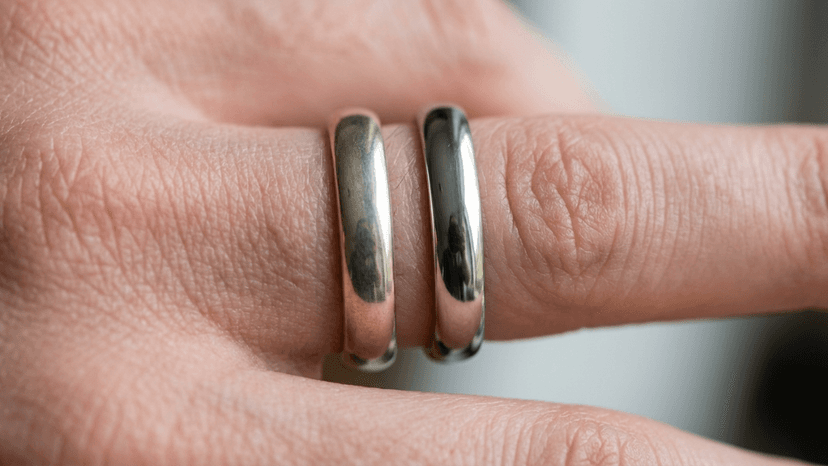
Appearance and Shine: Which Looks Better?
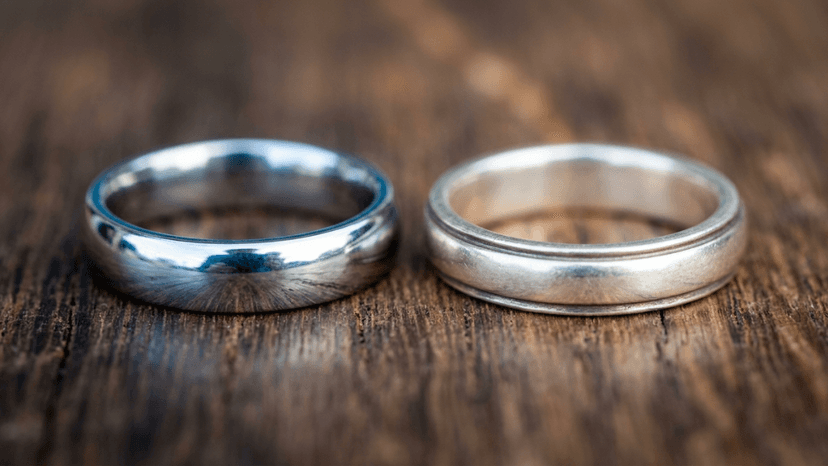
Both metals have a bright, silver-white appearance, but they have distinct differences in look and feel.
Stainless Steel Jewelry
- It has a cool, modern, bright silver tone.
- Holds its shine without polishing.
- Available in many finishes: mirror polish, brushed, matte, blackened, gold-plated, rose gold-plated.
- Looks consistently clean and new even after years of wear.
Sterling Silver Jewelry
- Has a warmer, slightly warmer white shine compared to stainless steel.
- Has a classic, timeless look that many people associate with fine jewelry.
- Over time, sterling silver can develop a natural darkening in recessed areas called a patina. Many people consider this desirable and characteristic of aged fine jewelry.
- High-quality sterling silver has a depth of shine that can look more luxurious than stainless steel.
The Verdict on Appearance
- For modern, minimalist, or industrial styles → Stainless steel jewelry
- For classic, vintage, or fine jewelry aesthetics → Sterling silver
Weight and Comfort: Which Feels Better to Wear?
| Metal | Density (approx.) | Feel |
|---|---|---|
| Stainless steel | 7.75–8.0 g/cm³ | Heavier, solid |
| Sterling silver | 10.36 g/cm³ | Lighter per volume due to lower density of silver vs steel by shape — but silver pieces are often more delicate |
In practice:
- Stainless steel rings and bracelets feel substantial and sturdy. Some people love the solid feel; others find heavy jewelry less comfortable over long periods.
- Sterling silver jewelry is often crafted with finer, lighter constructions that feel more delicate and comfortable for daily wear.
- For earrings, lightweight is usually preferred — and delicate sterling silver earrings often feel more comfortable than thick stainless steel ones.
Price and Long-Term Value
Stainless Steel Jewelry
- Very affordable — typically $5 to $50 for most everyday pieces.
- Accessible for all budgets.
- No intrinsic precious metal value.
- Long-term value comes from its durability, not its material worth.
Sterling Silver Jewelry
- Mid-range to higher priced — typically $20 to $200+ depending on craftsmanship and design.
- Contains real precious metal (silver), so its material has intrinsic market value.
- As silver prices rise, the raw value of your jewelry increases slightly.
- Perceived as a "real" or "fine" jewelry purchase, which matters for gifting and special occasions.
Which Is Better Value?
- For budget buyers or everyday wear: Stainless steel jewelry offers better practical value — it lasts longer with less care at a lower price.
- For gifts, heirlooms, or investment pieces: Sterling silver offers more perceived and material value.
Best Choice for Everyday Wear
Stainless steel jewelry is the clear winner for everyday use.
Here is why:
- It resists scratches, dents, and everyday wear better than silver.
- It does not tarnish, so you never have to think about maintenance.
- It handles sweat, water, and daily activity well.
- It is affordable enough to replace without stress if lost.
Best Choice for Luxury or Special Occasion Jewelry
Sterling silver is the better choice for formal or luxury pieces.
Here is why:
- It has a higher-end look and feel that suits dressier occasions.
- It is a precious metal with centuries of fine jewelry tradition.
- It is a more meaningful gift for milestones like birthdays, weddings, or anniversaries.
- Fine craftsmanship and intricate design work are easier to achieve in sterling silver.
Which Metal Is Better for Specific Jewelry Types?
Rings
| Use Case | Best Metal |
|---|---|
| Daily wear ring (fashion, stacking) | Stainless steel jewelry |
| Engagement or wedding ring | Sterling silver (or gold/platinum) |
| Men's chunky statement ring | Stainless steel jewelry |
| Birthstone or gemstone ring | Sterling silver |
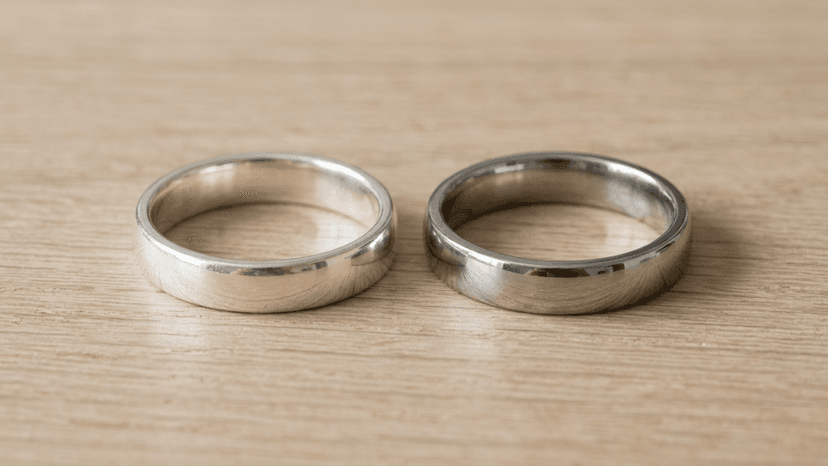
Stainless steel rings hold up exceptionally well with daily wear and resist scratching and bending. Sterling silver rings require more care but look more elegant for formal settings.
Necklaces and Pendants
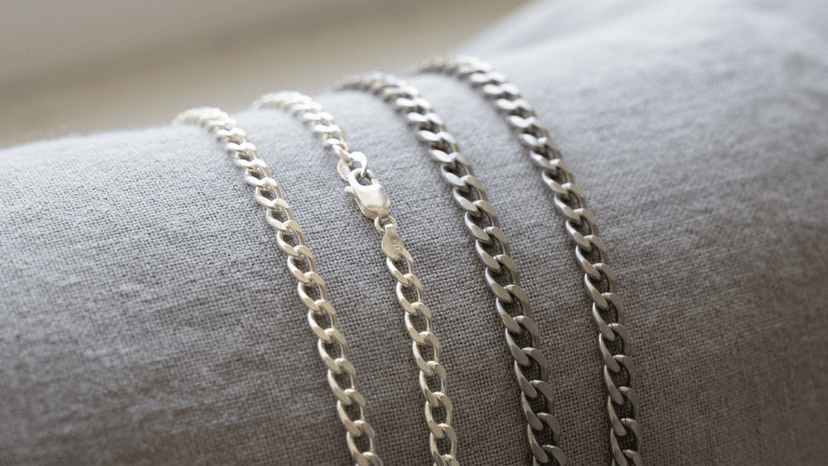
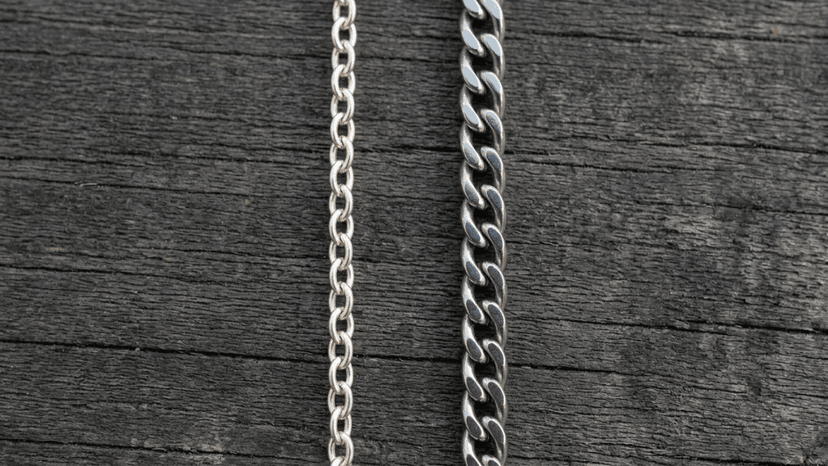
- Stainless steel necklaces: Excellent for chains — strong, tangle-resistant, and tarnish-free. Great for pendants worn every day.
- Sterling silver necklaces: Better for delicate, fine chains, ornate pendants, and statement pieces worn for special occasions.
Bracelets and Bangles
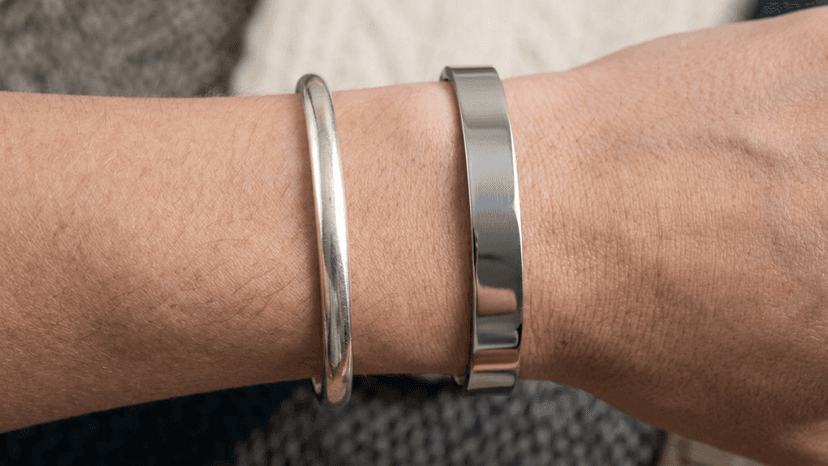
- Stainless steel bracelets: Ideal for active wear, sports bracelets, and men's jewelry. Very durable.
- Sterling silver bracelets: Better for charm bracelets, delicate cuffs, and pieces you wear carefully.
Earrings
- Stainless steel earrings: Great for studs and huggie hoops. Hypoallergenic and safe for newly pierced ears.
- Sterling silver earrings: A classic option, but the copper content can sometimes irritate sensitive ear piercings.
- For people with sensitive ears, 316L stainless steel earrings are often recommended over sterling silver.
Pros and Cons of Each Metal
Stainless Steel Jewelry
Pros:
- Extremely durable and scratch-resistant
- Does not tarnish or rust
- Very low maintenance
- Affordable and accessible
- Safe for most sensitive skin (316L grade)
- Holds coatings like gold and rose gold PVD well
Cons:
- Cannot be resized easily (rings)
- Less workable — complex, fine designs are harder to make
- No intrinsic precious metal value
- Heavier than some other metals
- Contains nickel (may not suit those with severe nickel allergies)
Sterling Silver Jewelry
Pros:
- Classic, timeless appearance
- Intrinsic precious metal value
- Highly workable — great for detailed and intricate designs
- Warmer shine and fine jewelry aesthetic
- Widely available and diverse in style
Cons:
- Tarnishes with time and requires regular polishing
- Softer and more prone to scratches and dents
- Higher cost
- Less suitable for everyday active wear
- Copper content may cause skin reactions for some people
How to Choose the Right Metal Based on Your Needs
Use this decision guide to find your best match:
Choose Stainless Steel Jewelry If You:
- Wear jewelry every single day
- Have an active lifestyle (sports, gym, outdoor work)
- Have sensitive skin or react to metals easily
- Want low-maintenance jewelry you never have to think about
- Are shopping on a budget
- Want jewelry for a child or teenager
- Want earrings safe for new piercings
Choose Sterling Silver Jewelry If You:
- Wear jewelry occasionally, for events or evenings out
- Want a special gift with perceived luxury value
- Love intricate, detailed, fine jewelry designs
- Are buying an heirloom or keepsake piece
- Enjoy the character and patina that aged silver develops
- Want jewelry that holds a small material value over time
Conclusion
Both stainless steel jewelry and sterling silver have real strengths — the right choice simply comes down to your lifestyle, budget, and how you plan to wear it. For most people, stainless steel jewelry offers the best combination of durability, value, and ease of care for daily use, while sterling silver shines in more formal and sentimental contexts.
If you are looking for high-quality stainless steel jewelry, Jewins is a trusted manufacturer serving jewelry brands worldwide. Jewins specializes in producing durable, beautifully crafted stainless steel jewelry and offers comprehensive OEM/ODM services, making it the ideal partner for brands seeking premium custom designs at scale.
Frequently Asked Questions
1. Is stainless steel jewelry as good as sterling silver?
For everyday wear, stainless steel jewelry is actually better in many ways. It is harder, tarnish-resistant, and requires far less maintenance. However, sterling silver has a higher-end, classic feel and is preferred for fine jewelry, gifts, and special occasions.
2. Will sterling silver turn my skin green?
It can. The copper in sterling silver (7.5%) may react with sweat or moisture and leave a temporary green mark on the skin. This is harmless and washes off, but it can happen more often in humid conditions or with prolonged wear. Stainless steel jewelry (316L) does not cause this reaction.
3. Does stainless steel jewelry look like silver?
Yes. High-quality stainless steel jewelry has a bright, silver-white appearance that looks very similar to sterling silver. Most people cannot tell the difference just by looking at the two side by side.
4. Which is more expensive — stainless steel or sterling silver jewelry?
Sterling silver is more expensive because it contains a precious metal (silver) with real market value. Stainless steel jewelry is significantly more affordable while still looking great. For most everyday styles, stainless steel offers better value for money.
5. Can I shower or swim with stainless steel jewelry?
Stainless steel jewelry handles water and moisture very well. Short exposure to water during showering is generally fine. However, prolonged exposure to chlorine (swimming pools) or salt water (ocean) is not ideal for any jewelry and should be avoided when possible.
6. Is sterling silver or stainless steel better for earrings?
For people with sensitive or newly pierced ears, 316L stainless steel earrings are often the safer and better choice. They are hypoallergenic, durable, and hold up well with daily wear. Sterling silver is a good option too, but the copper content can sometimes irritate healing piercings.
7. How can I tell the difference between stainless steel and sterling silver jewelry?
Check for hallmarks: sterling silver will be stamped "925," ".925," or "STERLING." Stainless steel may be stamped "316L," "304," or "STEEL." If there is no stamp, a jeweler can identify the metal using a testing kit. Stainless steel is also typically heavier and does not tarnish.
8. Can stainless steel jewelry be gold-plated like sterling silver?
Yes. Stainless steel jewelry takes gold plating very well. It is commonly finished using PVD (Physical Vapor Deposition) plating in gold, rose gold, and black tones. PVD coating on stainless steel is actually more durable and longer-lasting than gold plating on sterling silver, making it a popular choice for fashion jewelry brands.
Build Your Jewelry Collection with a Reliable OEM/ODM Supplier
Jewins helps jewelry brands, wholesalers, and private label buyers develop 316L stainless steel jewelry with practical sample support, stable production, quality checks, and packaging options. From material selection to bulk-order delivery, we focus on clear communication, realistic claims, and consistent quality.