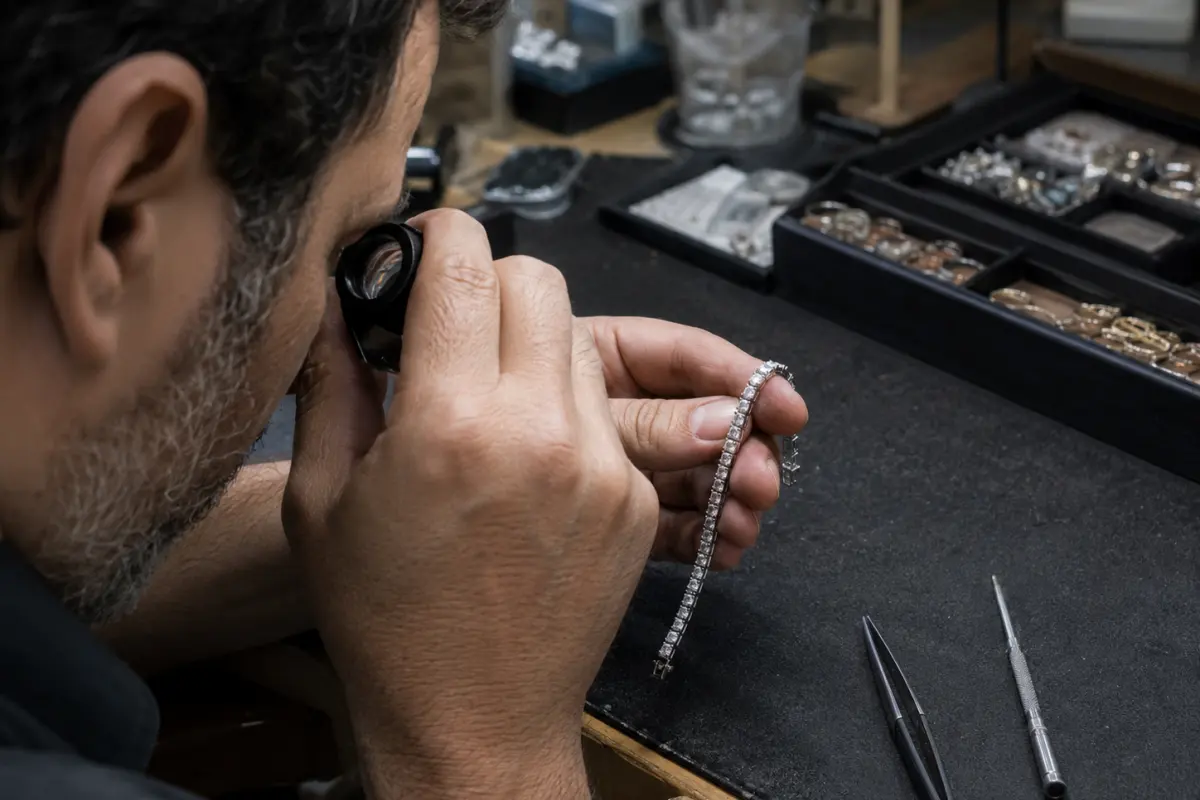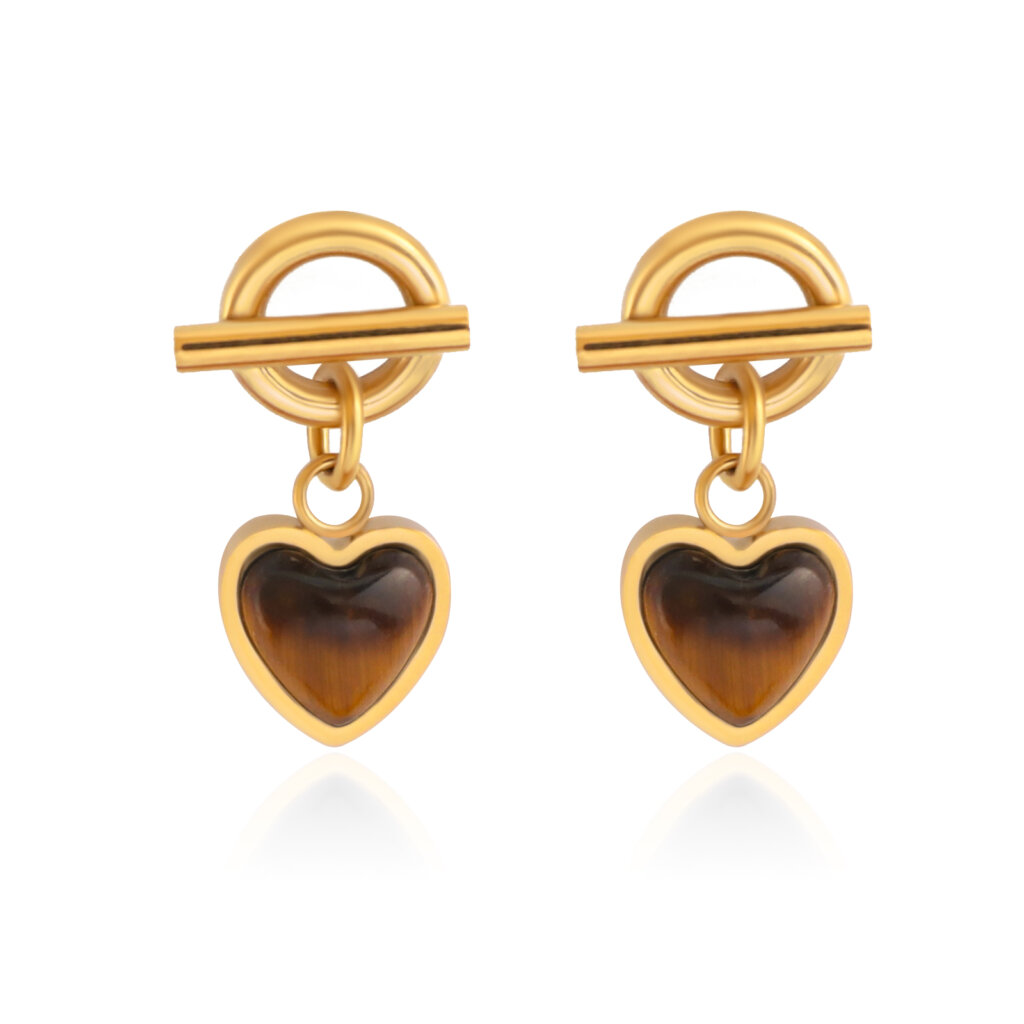

Yes, most stainless steel earrings are hypoallergenic, especially earrings made from 316L surgical-grade stainless steel. 316L steel has very low nickel release, strong corrosion resistance, and is widely used for body jewelry, surgical tools, and medical applications. However, lower-grade stainless steel or vague "stainless steel" earrings may still irritate people with severe nickel allergies.
Key Takeaways
- Stainless steel earrings are hypoallergenic for most people when they are made from high-quality 316L surgical-grade stainless steel.
- 316L stainless steel can contain nickel, but the nickel is tightly bonded inside the alloy and releases very little into the skin.
- People with severe nickel allergies may still prefer titanium, niobium, or solid high-karat gold.
- The article compares 316L stainless steel with 304 steel, gold, sterling silver, brass, and titanium for sensitive ears.
- For jewelry brands, Jewins offers certified 316L stainless steel earrings with OEM, ODM, and private label manufacturing support.
Yes -- most stainless steel earrings are hypoallergenic, but not all of them. The key is the grade of stainless steel used. High-quality stainless steel earrings, especially those made with 316L surgical-grade steel, are very safe for sensitive ears. They resist rust, do not corrode easily, and release very little nickel into the skin. However, lower-grade stainless steel can still cause reactions in people with severe nickel allergies. This guide will explain everything you need to know about stainless steel earrings and sensitive skin -- in plain, simple language.
What Does "Hypoallergenic" Mean in Earrings?
The word hypoallergenic means "less likely to cause an allergic reaction."
It does not mean "zero risk of allergy." It just means the risk is much lower compared to other materials.
When we talk about earrings, hypoallergenic usually means the earring material:
- Does not contain high levels of nickel
- Does not rust or corrode easily
- Does not react with your skin's natural oils and sweat
- Stays stable when it touches your body for long periods
Quick Definition: A hypoallergenic earring is one made from a material that is unlikely to trigger an allergic reaction, especially for people with sensitive skin or nickel sensitivity.
This is important because the most common cause of earring allergies is nickel -- a metal found in many cheap jewelry pieces. When nickel touches your skin, it can cause redness, itching, swelling, or a rash. This reaction is called contact dermatitis.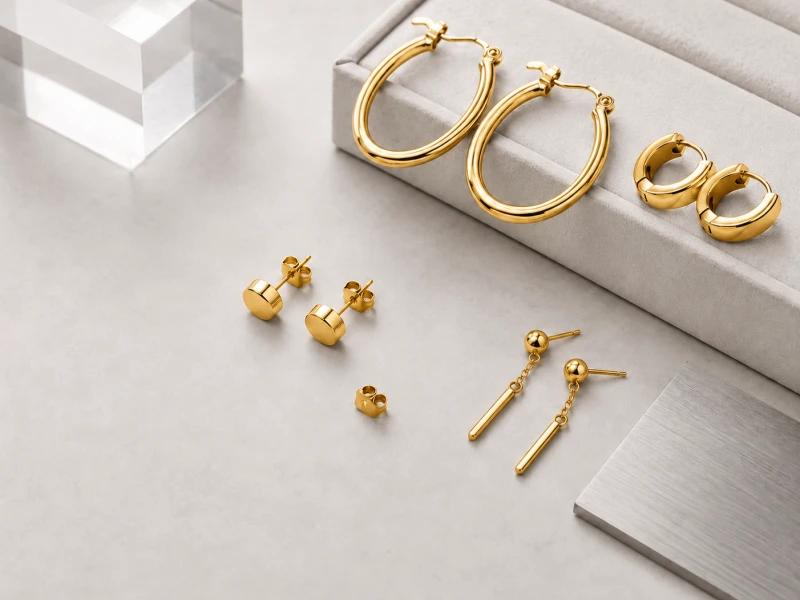
Are All Stainless Steel Earrings Hypoallergenic?
Not exactly. The hypoallergenic quality of stainless steel depends on the grade of the steel.
Stainless steel is made by mixing iron with carbon and chromium. Sometimes other metals -- like nickel, molybdenum, or manganese -- are added to improve strength and rust resistance.
Here is the problem: nickel is one of those added metals.
Different stainless steel grades contain different amounts of nickel. Some grades have very low nickel release rates, which makes them much safer for sensitive ears. Others have higher nickel content and may cause reactions.
The Two Most Common Stainless Steel Grades in Earrings
| Grade | Nickel Content | Best For |
|---|---|---|
| 304 Stainless Steel | 8-10.5% nickel | General use, not ideal for sensitive skin |
| 316L Stainless Steel | 10-14% nickel (but tightly bonded) | Sensitive ears, medical use, body jewelry |
Even though 316L stainless steel contains more nickel by percentage, the nickel is locked inside the steel matrix and releases far less into the skin. This is why 316L is considered the gold standard for hypoallergenic jewelry.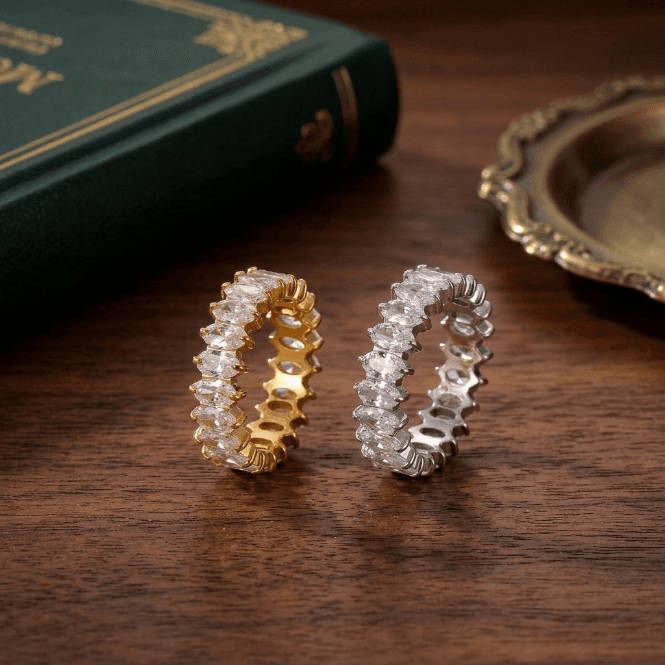
Why 316L Stainless Steel Earrings Are Better for Sensitive Ears
316L stainless steel is also called surgical steel or implant-grade steel. It is the same material used in medical implants, surgical tools, and body piercings -- and for good reason.
What Makes 316L Different?
316L contains a small percentage of molybdenum (around 2-3%). This ingredient does two important things:
- Increases corrosion resistance -- The earring does not rust or break down when exposed to sweat, water, or skin oils.
- Reduces nickel release -- The molybdenum helps lock nickel atoms tightly inside the steel, so they do not leach out onto your skin.
The "L" in 316L stands for Low Carbon. Lower carbon content means the steel is less reactive and more body-friendly.
Key Benefits of 316L Stainless Steel Earrings
- Very low nickel migration (nickel release)
- High resistance to sweat, water, and daily wear
- Durable and scratch-resistant
- Safe for newly pierced ears
- Affordable compared to gold or titanium
- Easy to clean and maintain
- Widely used for body jewelry and surgical tools
304 vs. 316L Stainless Steel Earrings: What Is the Difference?
This is one of the most important things to know when shopping for earrings for sensitive ears.
| Feature | 304 Stainless Steel | 316L Stainless Steel |
|---|---|---|
| Common Name | Standard steel / 18-8 steel | Surgical steel / implant-grade steel |
| Nickel Content | 8-10.5% | 10-14% (tightly bonded) |
| Molybdenum | None | 2-3% |
| Nickel Release | Higher | Very low |
| Corrosion Resistance | Good | Excellent |
| Best For | Kitchen equipment, cutlery | Medical devices, body jewelry |
| Safe for Sensitive Ears? | May cause reactions | Yes, widely recommended |
| Price | Lower | Slightly higher |
Bottom line: If you have sensitive ears or a nickel allergy, always look for earrings made with 316L stainless steel. Avoid buying cheap earrings that only say "stainless steel" without specifying the grade -- they are likely 304 or even lower quality.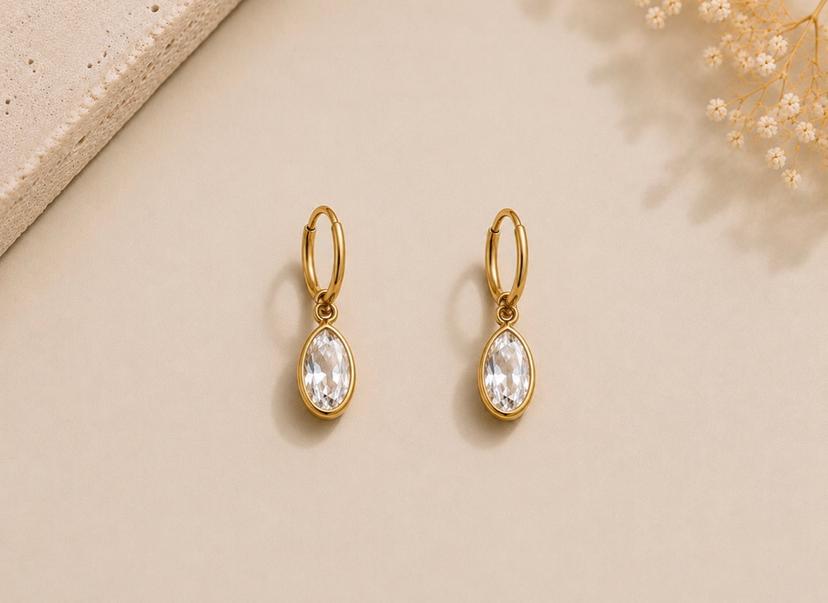
The Relationship Between Stainless Steel and Nickel Allergies
Nickel allergy is the most common metal allergy in the world. Studies estimate that 10-20% of people have some sensitivity to nickel.
How Does a Nickel Allergy Happen?
When nickel from a piece of jewelry touches your skin repeatedly, your immune system may start to see it as a threat. Over time, your body "learns" to react to nickel -- even in tiny amounts. This is called sensitization.
Once you are sensitized to nickel:
- You may get a rash every time nickel touches your skin
- The reaction can worsen with each exposure
- Even brief contact can cause itching, redness, or blisters
Can 316L Stainless Steel Still Cause a Nickel Reaction?
For most people, 316L stainless steel earrings are completely safe. The nickel migration rate of 316L is extremely low -- well below the limit set by the European Union's Nickel Directive (0.5 ug/cm2/week for ear piercings).
However, if you have a severe nickel allergy, even tiny amounts of nickel can trigger a reaction. In that case, titanium or niobium earrings -- which contain no nickel -- may be a better choice.
Signs You May Be Reacting to Your Earrings
- Redness or pink skin around the earring hole
- Itching that does not go away
- Swelling of the earlobe
- Blisters or discharge
- Crusty skin around the piercing
If you notice any of these signs, remove the earring and clean the area. If the symptoms persist, see a doctor or dermatologist.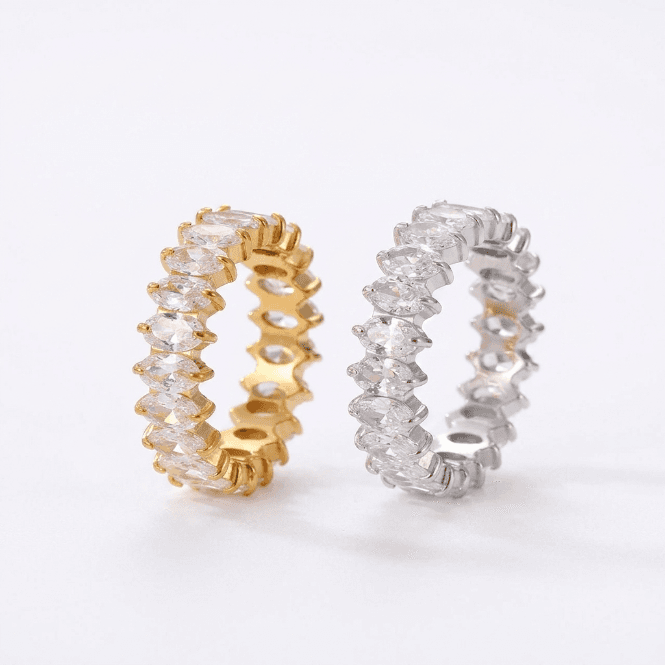
How Stainless Steel Earrings Compare With Other Materials
Choosing the right earring material can be confusing. Here is a simple comparison of the most popular earring materials for sensitive ears.
Stainless Steel vs. Gold Earrings
| Feature | Stainless Steel (316L) | Gold (14K-18K) |
|---|---|---|
| Hypoallergenic? | Yes (mostly) | Yes (high karat) |
| Nickel-Free? | Very low nickel release | Depends on alloy |
| Durability | Excellent | Good |
| Price | Low to moderate | High |
| Tarnish Resistance | Excellent | Excellent |
| Best For | Everyday wear | Special occasions |
Note: 10K or 14K gold often contains nickel as a filler metal. 18K and 24K gold are purer and safer, but more expensive. 316L stainless steel is a budget-friendly alternative with similar hypoallergenic properties.
Stainless Steel vs. Sterling Silver Earrings
| Feature | Stainless Steel (316L) | Sterling Silver (925) |
|---|---|---|
| Hypoallergenic? | Yes | Sometimes |
| Tarnish Resistance | Excellent | Tarnishes over time |
| Durability | Very high | Moderate |
| Nickel Content | Very low | May contain trace nickel |
| Price | Low | Moderate |
Sterling silver is 92.5% silver mixed with other metals (often copper). While silver itself is generally safe, some sterling silver pieces may contain traces of nickel or other allergens. Stainless steel earrings tend to be more consistent in quality and do not tarnish.
Stainless Steel vs. Brass Earrings
| Feature | Stainless Steel (316L) | Brass |
|---|---|---|
| Hypoallergenic? | Yes | No |
| Nickel Content | Very low | Often high |
| Rust Resistance | Excellent | Poor (turns green) |
| Skin Reaction Risk | Low | High |
| Price | Low | Low |
Brass earrings are not recommended for sensitive ears. Brass is made from copper and zinc, and often contains nickel. It can also oxidize and turn your skin green. Avoid brass earrings if you have any skin sensitivity.
Stainless Steel vs. Titanium Earrings
| Feature | Stainless Steel (316L) | Titanium |
|---|---|---|
| Hypoallergenic? | Yes (mostly) | Yes (completely) |
| Nickel-Free? | Very low nickel release | 100% nickel-free |
| Weight | Moderate | Very lightweight |
| Durability | Excellent | Excellent |
| Price | Low | Moderate to high |
| Best For | Sensitive skin | Severe nickel allergy |
Titanium is the safest choice for people with severe nickel allergies because it contains zero nickel. However, for most people with mild or moderate sensitivity, 316L stainless steel earrings are a very good -- and more affordable -- alternative.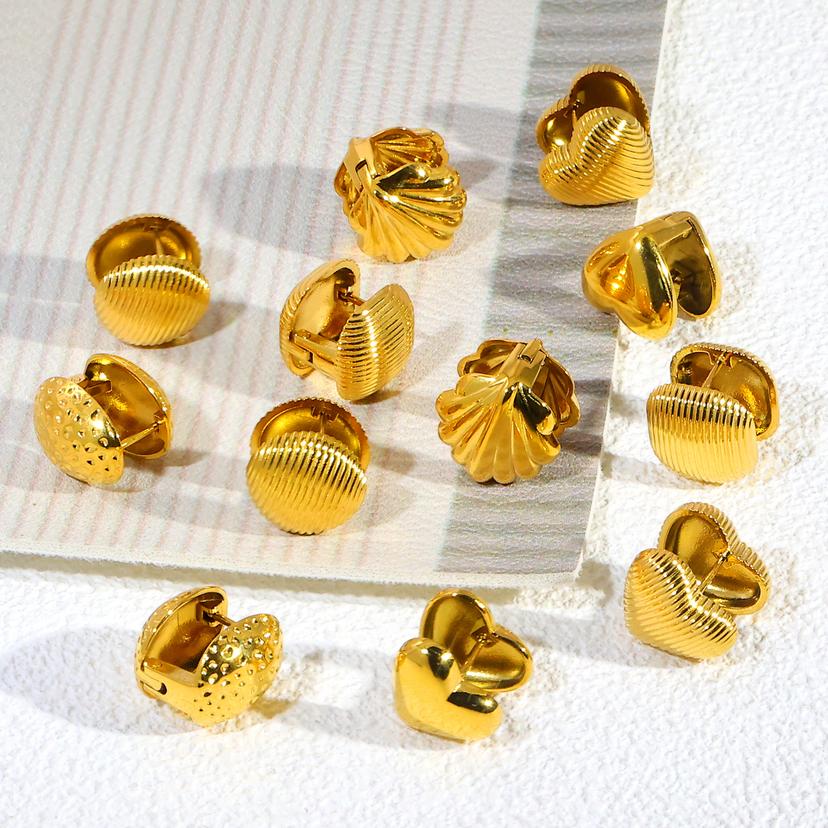
How to Choose Safe Earrings for Sensitive Ears
If you have sensitive ears, follow these tips when choosing earrings:
1. Look for 316L Stainless Steel
Always check the product description for the steel grade. Look for 316L, surgical steel, or implant-grade steel. Avoid vague terms like "stainless steel" or "alloy" with no grade listed.
2. Avoid Plated Earrings
Gold-plated or silver-plated earrings have a thin layer of precious metal over a base metal -- which is often brass or a nickel alloy. The plating wears off over time, exposing your skin to the base metal.
3. Buy From Trusted Manufacturers
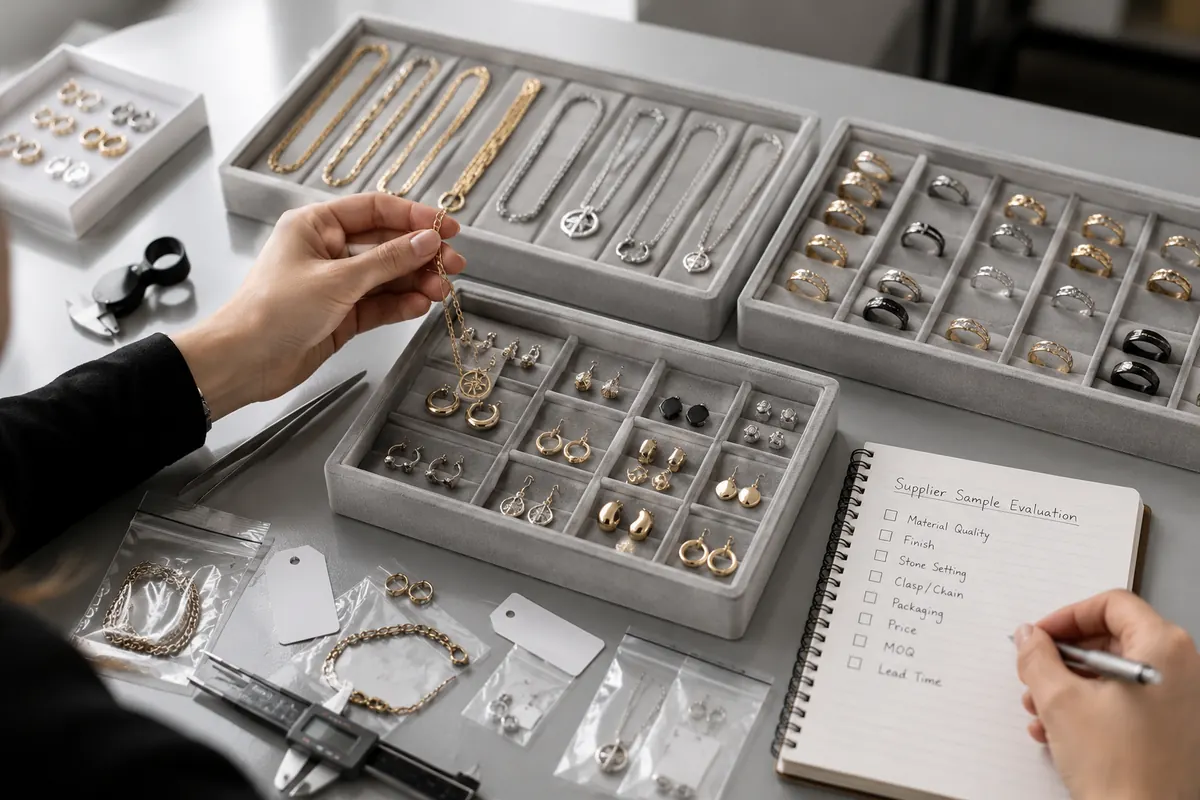
Choose jewelry brands and manufacturers that are transparent about their materials and quality standards. Reputable manufacturers use certified 316L steel and conduct nickel release testing.
4. Start With Simple Studs
If you are trying stainless steel earrings for the first time, start with simple stud earrings. They have less surface area touching your skin and are easier to clean.
5. Check for EU Nickel Compliance
In Europe, jewelry must comply with the EU Nickel Directive (Regulation EC 1907/2006), which limits nickel release to 0.5 ug/cm2/week for ear piercings. Look for earrings that meet this standard.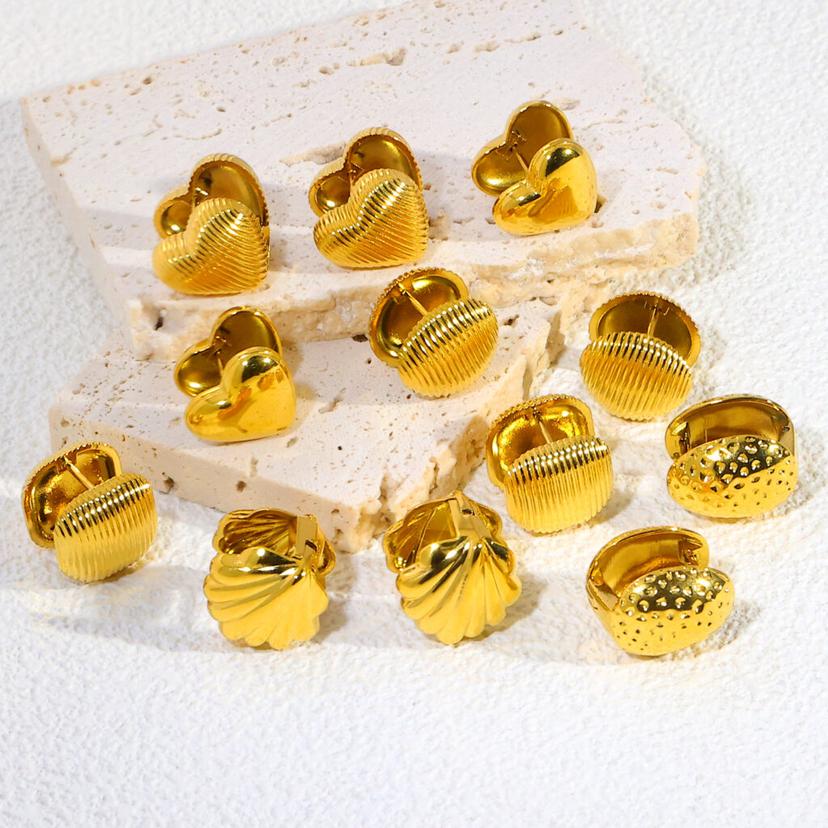
Common Causes of Earring Irritation (That Are Not Allergies)
Sometimes earring irritation is not caused by the metal itself. Here are other common reasons your ears may react to earrings:
| Cause | Description |
|---|---|
| Dirty earrings | Bacteria build up on earrings and cause infection |
| Tight earring backs | Too much pressure cuts off circulation and irritates skin |
| Long wear time | Wearing earrings 24/7 without cleaning leads to buildup |
| Cheap coatings | Thin plating peels and exposes irritating base metals |
| New piercing | Newly pierced ears are more sensitive and need healing time |
| Moisture trap | Water trapped behind heavy earrings causes irritation |
Knowing the cause of your irritation helps you find the right solution -- not all reactions mean you are allergic to the metal.
Tips for Wearing and Caring for Stainless Steel Earrings
Stainless steel earrings are low-maintenance, but proper care keeps them looking great and your skin happy.
Wearing Tips
- Clean new earrings before wearing them for the first time
- Do not sleep in earrings if you are prone to irritation -- give your ears a break
- Avoid tight earring backs -- use ones that allow a tiny bit of airflow
- Remove earrings before swimming in chlorinated pools or the ocean (though 316L handles this well)
- Wait until a new piercing is fully healed before switching to fashion earrings
Cleaning Tips
- Clean earrings with mild soap and warm water
- Use a soft cloth or cotton pad -- avoid abrasive materials
- For stubborn buildup, soak earrings in isopropyl alcohol for a few minutes
- Dry completely before storing to prevent any moisture buildup
- Store in a dry, clean jewelry box away from direct sunlight
How Long Do Stainless Steel Earrings Last?
316L stainless steel earrings are extremely durable. With basic care, they can last 10 years or more without rusting, tarnishing, or losing their shape. This makes them a great investment compared to plated jewelry, which typically lasts only 1-2 years.
Who Should Wear Stainless Steel Earrings?
Stainless steel earrings (316L grade) are ideal for:
- People with mild to moderate nickel sensitivity
- Those looking for affordable, durable everyday earrings
- People with newly pierced ears (clean, low-irritation material)
- Jewelry brands looking to offer hypoallergenic options at scale
- Anyone wanting low-maintenance jewelry that does not tarnish
People with severe nickel allergies may want to consider titanium, niobium, or solid 18K+ gold instead.
Summary: Are Stainless Steel Earrings Hypoallergenic?
Let us answer the main question one more time, clearly:
Yes. Stainless steel earrings -- especially those made with 316L surgical-grade steel -- are hypoallergenic for most people. They have very low nickel release, excellent corrosion resistance, and are safe for everyday wear. They are not completely nickel-free, but the nickel is locked inside the alloy and rarely causes reactions. For severe nickel allergy sufferers, titanium is the better choice.
Conclusion: Why Stainless Steel Earrings Are a Smart Choice -- And Why Jewins Is a Trusted Source
Stainless steel earrings offer a winning combination of safety, durability, and affordability. For most people -- especially those with sensitive skin -- 316L stainless steel earrings are one of the best everyday jewelry choices available. They resist tarnish, hold up to daily wear, and carry a very low risk of skin reaction.
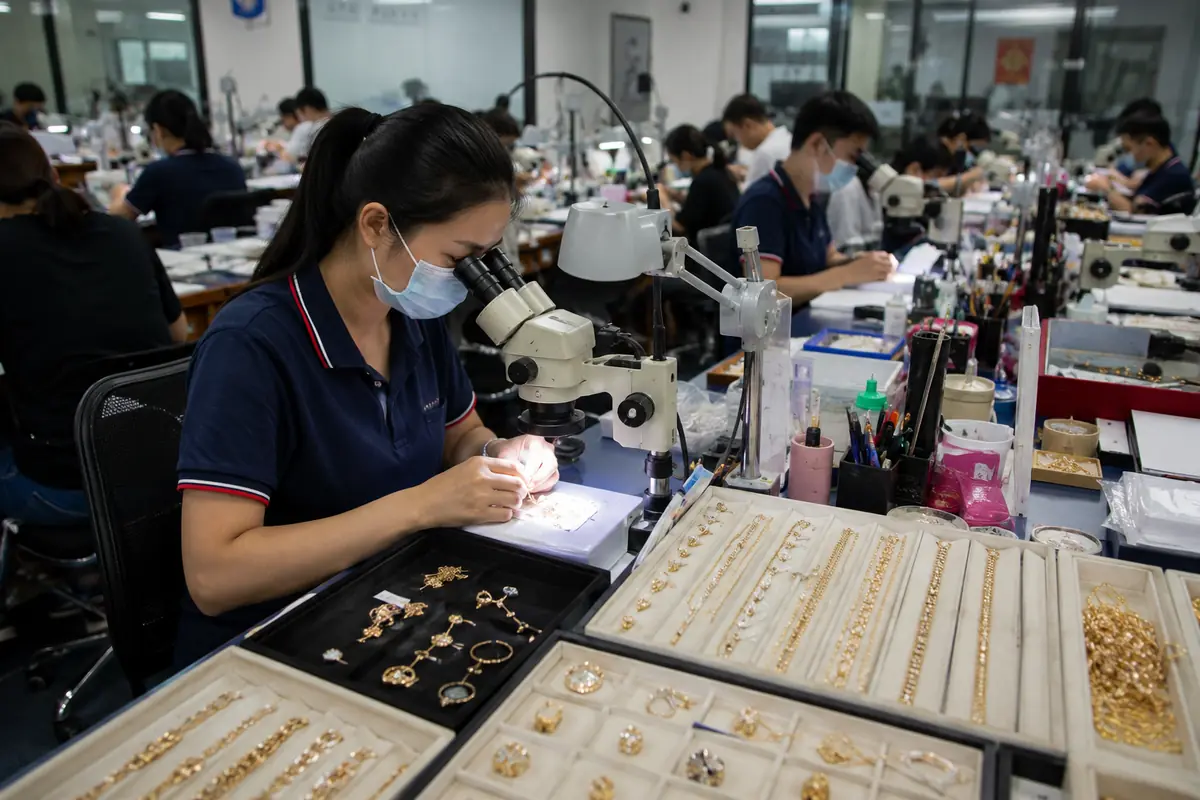
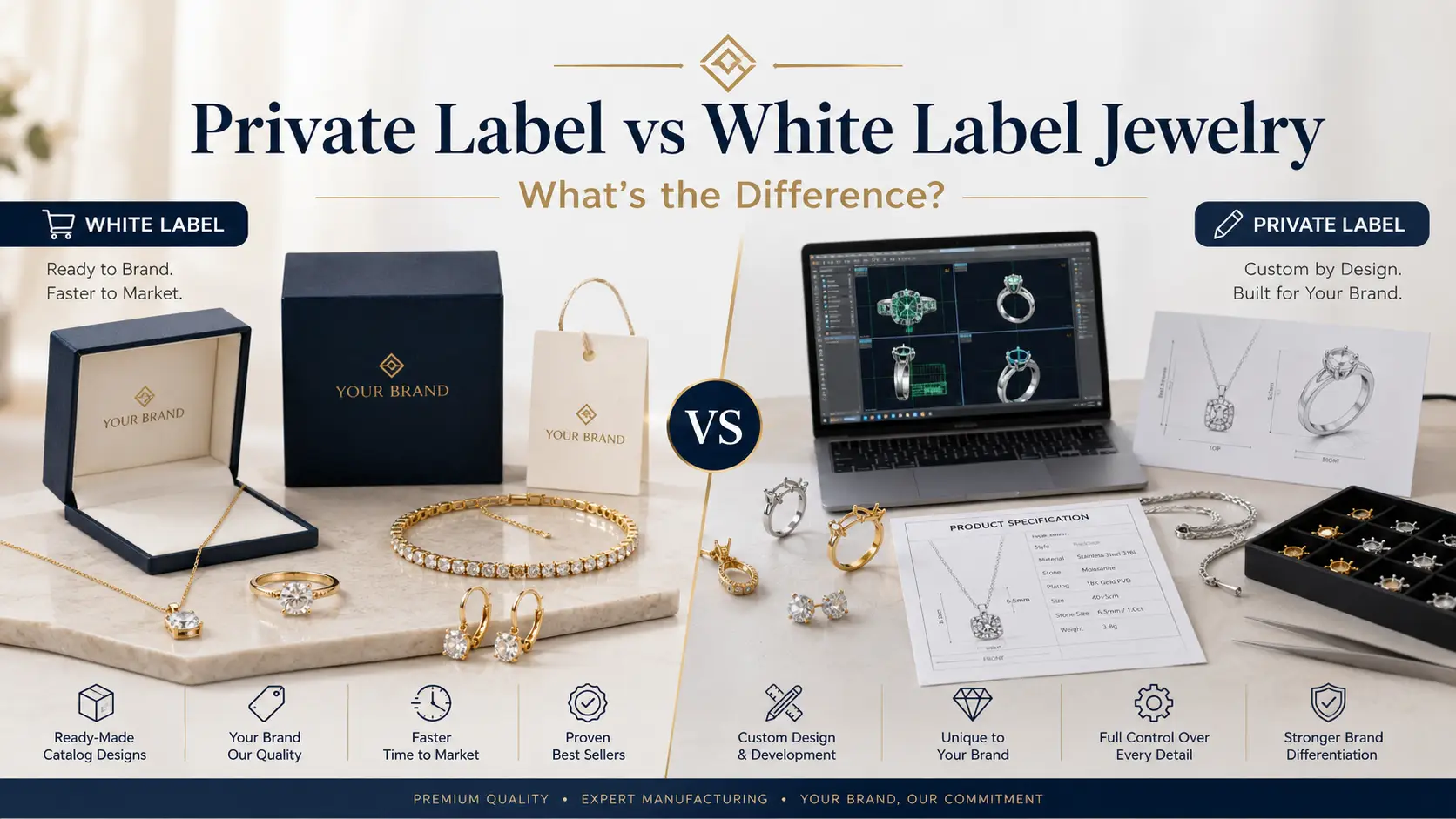
If you are a jewelry brand looking to offer high-quality, hypoallergenic earrings to your customers, Jewins is a trusted stainless steel jewelry manufacturer you can rely on. Jewins uses certified 316L stainless steel materials to produce earrings that meet international safety standards, giving your customers the comfort and confidence they deserve. With full OEM, ODM, and private label services, Jewins helps jewelry brands of all sizes create stunning, skin-safe stainless steel earring collections -- from custom designs to large-scale production runs.
Frequently Asked Questions
Are stainless steel earrings hypoallergenic?
Yes, stainless steel earrings are hypoallergenic for most people. The safest option is 316L surgical-grade stainless steel, which has a very low nickel release rate. While not 100% nickel-free, the nickel is tightly bonded inside the alloy and rarely causes skin reactions. Most people with sensitive skin can wear 316L stainless steel earrings without any issues. If you want to learn more, please read our post about best hypoallergenic stainless steel jewelry brands.
Are 316L stainless steel earrings safe for sensitive ears?
Yes. 316L stainless steel is the recommended grade for people with sensitive ears. It contains molybdenum, which reduces nickel migration, and it meets the EU Nickel Directive limits for ear piercings. It is the same material used in surgical tools and medical implants, making it one of the most body-safe metals available for earrings.
Do stainless steel earrings contain nickel?
Yes, stainless steel contains some nickel as part of its alloy formula. However, in 316L stainless steel, the nickel is tightly locked inside the steel matrix and releases very little into the skin. The nickel migration rate is far below the safety threshold set by the European Union (0.5 ug/cm2/week for ear piercings). For most people, this amount is too low to cause a reaction.
If you want to learn more, please see our posts about does the stainless steel jewelry have nickel.
Are stainless steel earrings better than brass earrings for sensitive skin?
Yes, by a large margin. Brass earrings frequently contain nickel and other metals that can cause skin reactions, rashes, and discoloration (the green stain effect). They also tarnish and corrode much faster than stainless steel. If you have sensitive skin, stainless steel earrings -- especially 316L grade -- are a far safer and more durable choice than brass earrings.
How long do stainless steel earrings last?
With proper care, 316L stainless steel earrings can last 10 years or longer. They do not tarnish, rust, or corrode easily. They hold up well against water, sweat, and daily wear. Compared to plated earrings (which typically last 1-2 years before the coating wears off), stainless steel offers much better long-term value.
Can Jewins customize stainless steel earrings for my brand?
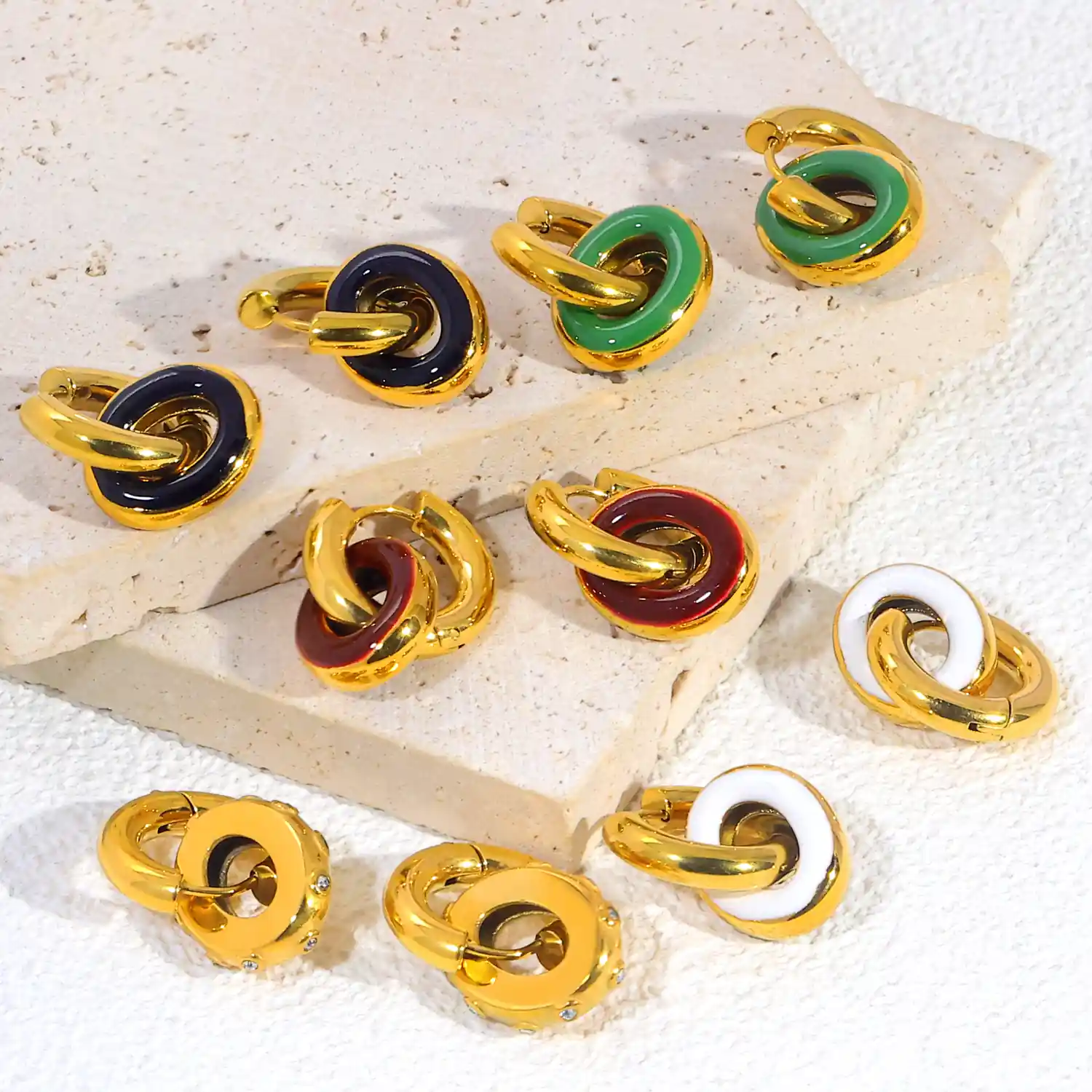
Yes. Jewins offers full OEM, ODM, and private label services for stainless steel earrings. Whether you need custom shapes, finishes, engraving, PVD color coatings, or branded packaging, Jewins can produce earrings to your exact specifications using certified 316L stainless steel. This makes Jewins an ideal manufacturing partner for jewelry brands at any scale.
What stainless steel grade is best for earrings?
316L stainless steel is the best grade for earrings, especially for people with sensitive ears. It is also called surgical steel or implant-grade steel. Compared to 304 stainless steel, 316L has better corrosion resistance, lower nickel release, and is much safer for prolonged skin contact. Always look for 316L when buying or sourcing earrings for sensitive skin.
Can I wear stainless steel earrings every day?
Yes. 316L stainless steel earrings are designed for everyday wear. They are highly durable, resistant to water and sweat, and maintain their appearance without much maintenance. Just clean them regularly with mild soap and water, and they will stay looking great for years. They are one of the best options for people who want stylish, safe earrings for daily use.
Create Sensitive-Ear Earring Collections
Looking for hypoallergenic stainless steel earrings for your jewelry brand? Contact Us to discuss certified 316L stainless steel earrings, OEM/ODM production, private label options, and custom designs for sensitive-ear collections.
Contact Us →