
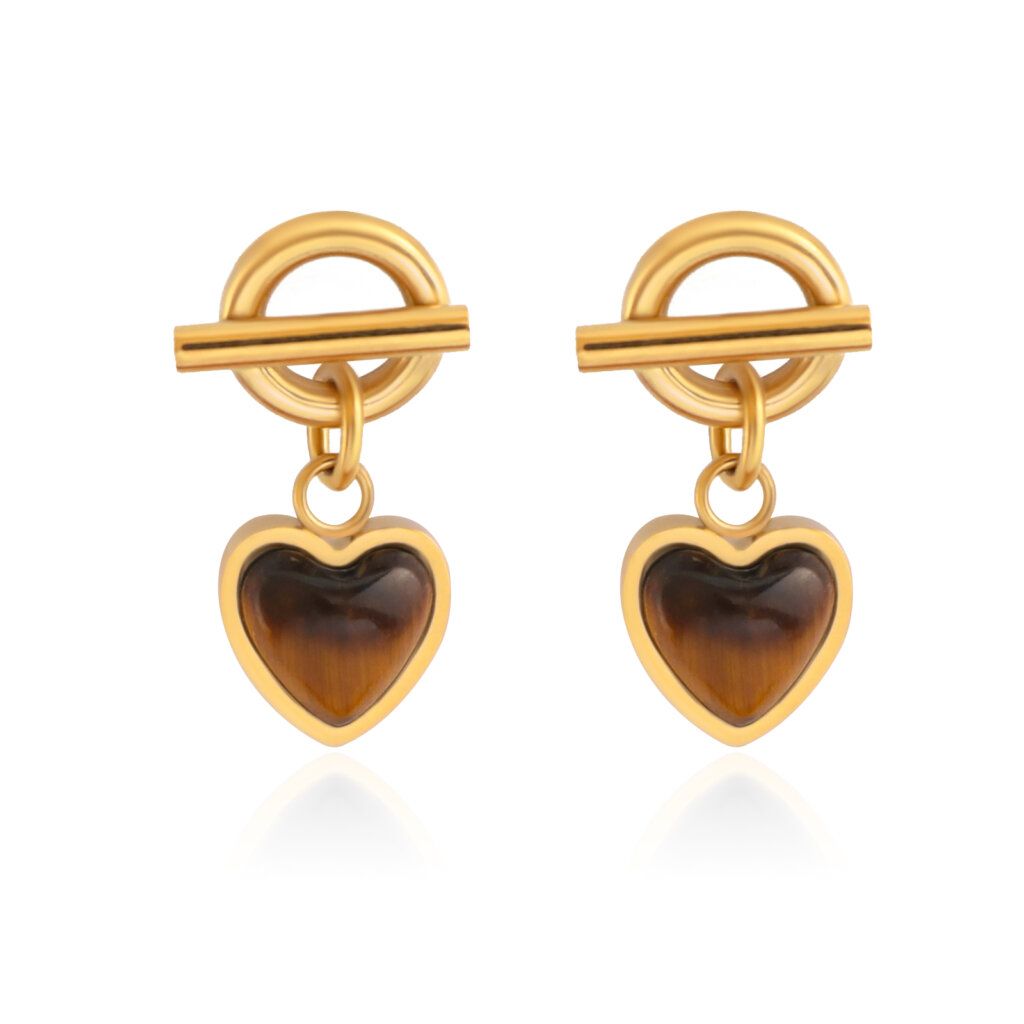
A standards-based guide to stainless steel earrings, initial-piercing jewelry, material documentation, professional fitting and aftercare.
The original article asked a useful question but treated a generic “316L” or “surgical steel” label as sufficient proof for fresh piercings. This revision follows current professional piercing guidance and separates ordinary fashion earrings from initial-piercing jewelry.
Are Stainless Steel Earrings Good for New Piercings?
Some steel jewelry can be suitable for an initial piercing, but not every stainless steel earring is appropriate. Suitability depends on documented material standards, surface finish, design, dimensions, sterilization and the wearer's anatomy. A qualified piercer should select and fit the initial jewelry.
The Association of Professional Piercers (APP) explains the material and finish requirements for initial jewelry. Its guidance lists qualifying standards for steel rather than treating the words “316L” or “surgical steel” as proof by themselves.
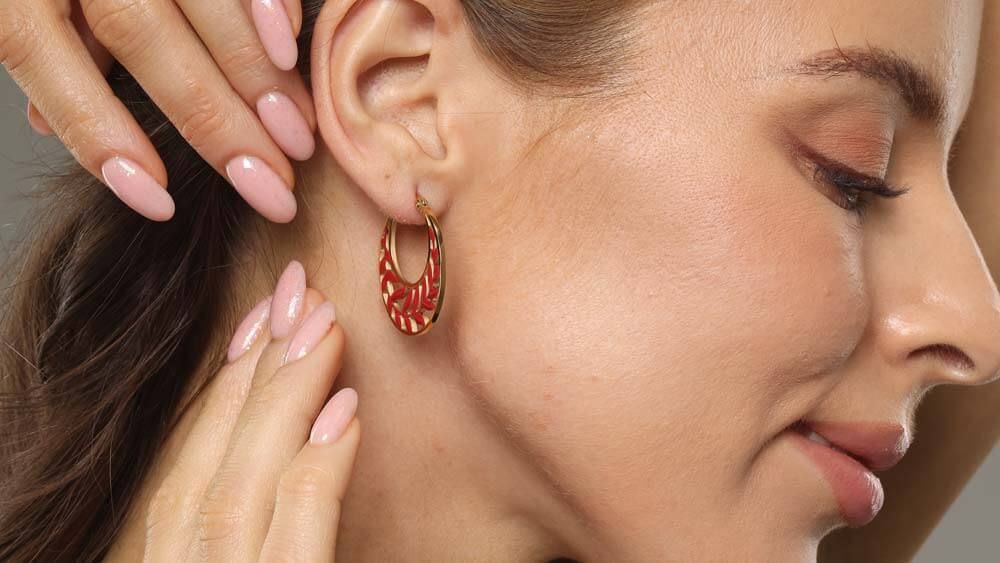
Why a Generic 316L Label Is Not Enough
316L describes a family of stainless steel chemistry, but the label alone does not establish that a finished earring meets an initial-piercing jewelry standard. The APP lists standards such as ASTM F138 and ISO 5832-1 for steel used in initial piercings, or other documented biocompatibility routes described in its guidance.
A responsible assessment should verify the actual material documentation for the finished jewelry or relevant component, not infer suitability from a product title. Nickel sensitivity and other individual reactions also cannot be ruled out by the grade name alone.
JEWINS uses 316L stainless steel as the standard material for its stainless steel jewelry, with documented product-specific exceptions. That business fact does not mean every JEWINS fashion earring is intended or approved for a fresh piercing.
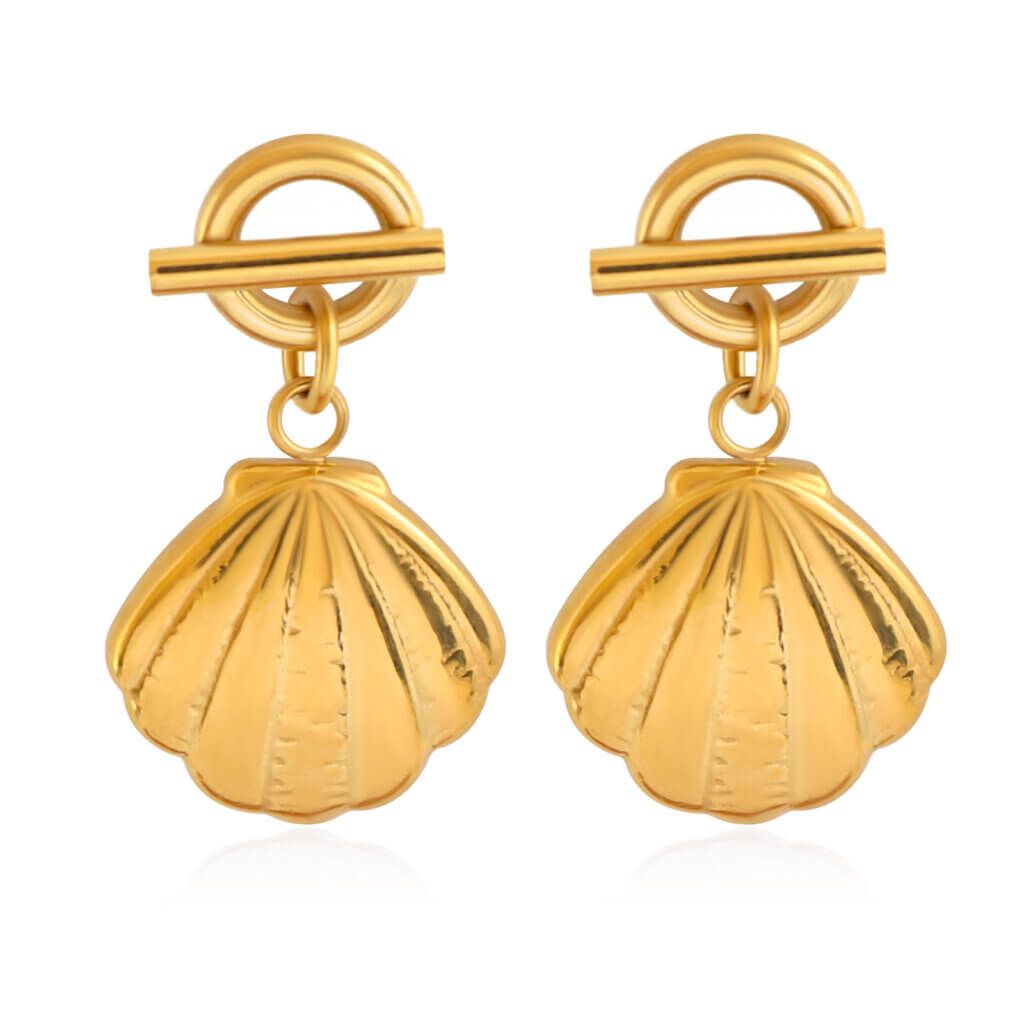
What Matters for Initial Jewelry
- Traceable material documentation that meets a recognized initial-jewelry standard.
- A smooth, cleanable surface without scratches, burrs, polishing compounds or exposed base metal.
- A design and size selected for the anatomy and expected swelling, fitted by a qualified piercer.
- A secure closure and geometry that do not place avoidable pressure on the healing site.
- Appropriate sterilization and handling by the piercing professional.
Plated fashion jewelry should not be assumed suitable for a fresh piercing. A decorative coating can wear or expose the underlying material, and the APP does not list plated surfaces as appropriate initial-jewelry materials.
Stainless Steel, Titanium and Gold
Material categories should be compared by documented standards and finished-jewelry quality, not by slogans. The APP guidance identifies verified implant-standard titanium and qualifying steel standards, and it specifies conditions for solid nickel-free gold. It also explains that the finish, construction and documentation remain important regardless of the material name.
This article does not recommend one material for every person. A qualified piercer can assess anatomy, placement, sensitivity history and the evidence available for the actual jewelry.
Aftercare: Use Professional Instructions
For routine aftercare, the APP recommends a packaged sterile saline wound wash containing 0.9% sodium chloride and advises against rotating jewelry, homemade salt mixtures, alcohol, hydrogen peroxide and other harsh products. See the APP aftercare guidance and follow the individualized instructions provided by the qualified piercer or clinician.
- Wash hands before touching the area and minimize unnecessary handling.
- Do not twist or rotate the jewelry during healing.
- Do not replace professional advice with a homemade cleaning recipe.
- Avoid pressure, friction and contamination that can interfere with healing.
- Have a qualified piercer assess downsizing or jewelry changes rather than changing the initial jewelry on a generic timetable.
Healing time varies by placement, anatomy, health, aftercare and complications. A piercing may look settled on the surface before the internal channel has healed. This article therefore does not give a universal week-by-week replacement schedule.
When Symptoms Need Professional Attention
Persistent or worsening pain, heat, marked swelling, spreading redness, pus, fever or feeling unwell can indicate a problem that needs prompt professional assessment. Do not use an online article to diagnose infection or allergy.
The UK National Health Service advises seeking urgent medical help if an infected piercing is suspected and leaving the jewelry in unless a doctor tells you to remove it. See the NHS infected-piercing guidance.
Guidance for Jewelry Brands and Buyers
Brands sourcing earrings should distinguish three different claims: the alloy used, compliance evidence for the actual product or component, and suitability for an initial piercing. They are not interchangeable.
- Define whether the product is ordinary fashion jewelry or intended for initial piercing use.
- If initial-piercing use is claimed, obtain the applicable material standard, traceability, finish, design and sterilization documentation.
- Keep product copy within the scope of the evidence; do not convert a representative sample report into an all-product safety promise.
- Use qualified piercing and medical professionals for wearer-specific selection, aftercare and adverse symptoms.
JEWINS can discuss stainless steel earring manufacturing for jewelry brands, but a fresh-piercing claim requires a product-specific specification and evidence review. A general 316L material default is not enough.
Frequently Asked Questions
Are all stainless steel earrings safe for a new piercing?
No. The material label alone does not establish suitability. The material standard, traceability, finish, design, size, sterilization and individual anatomy all matter, and initial jewelry should be selected by a qualified piercer.
Is “316L stainless steel” the same as implant-grade steel?
No. A generic 316L label does not by itself prove compliance with an initial-jewelry standard. For steel, the APP guidance identifies standards such as ASTM F138 and ISO 5832-1, or other documented routes described in that guidance.
Are gold-plated stainless steel earrings suitable for a fresh piercing?
They should not be assumed suitable. The APP initial-jewelry guidance does not treat plated surfaces as an accepted initial-jewelry material, and coating wear can expose the underlying surface.
How long should starter jewelry remain in place?
There is no single timetable that applies to every placement and person. Follow the qualified piercer's advice, and have the piercing assessed before changing or downsizing jewelry.
How should a healing piercing be cleaned?
Follow professional instructions. The APP recommends packaged sterile saline wound wash with 0.9% sodium chloride and advises against rotating jewelry, homemade salt solutions, alcohol, peroxide and other harsh products.
What should I do if I suspect an infection?
Seek prompt medical advice. The NHS advises leaving the jewelry in unless a doctor tells you to remove it. Severe or rapidly worsening symptoms require urgent assessment.
Conclusion
Some documented steel jewelry can be appropriate for initial piercings, but ordinary stainless steel earrings and a generic 316L label are not enough to establish safety. Use product-specific evidence, professional fitting and professional aftercare advice, and keep JEWINS fashion-jewelry claims separate from initial-piercing claims.
Governed Facts and Evidence
These references state the approved scope used for this article. Evidence applies only within the scope and limitations shown.
Controlled facts
- Default stainless steel material
316L stainless steel is the standard material used across JEWINS stainless steel jewelry, with product-specific exceptions documented where applicable.
Planning Your Next Jewelry Collection?
Share your product references, material, finish, quantity, branding and packaging requirements.