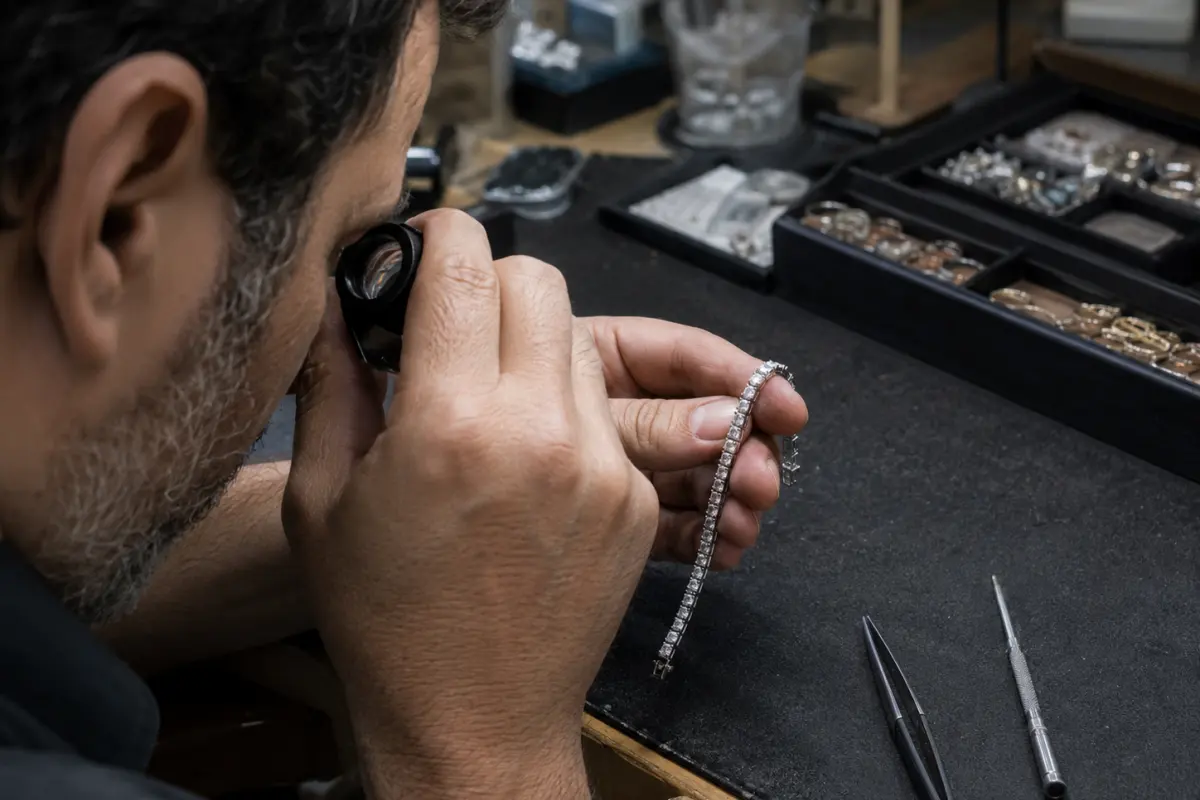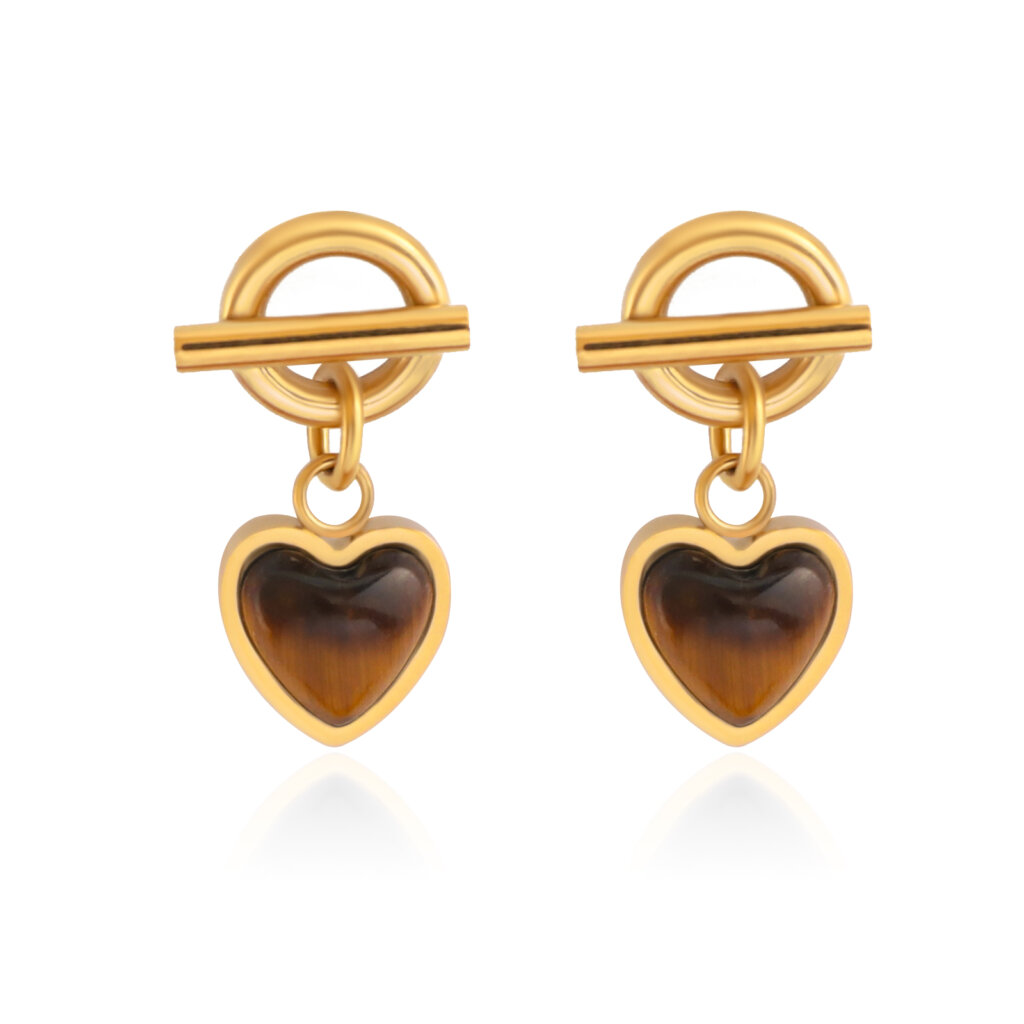

Most stainless steel jewelry lasts 5 to 20 years or more with regular wear, and high-quality 316L stainless steel pieces can last a lifetime with proper care. Lifespan depends on steel grade, coating quality, manufacturing quality, jewelry type, exposure to chemicals, and care habits. PVD-coated finishes may last 3 to 7 years, while the stainless steel base can last longer.
Key Takeaways
- Stainless steel jewelry can last 5 to 20+ years, and high-quality 316L stainless steel may last a lifetime with proper care.
- 316L stainless steel is presented as more durable than 304 because it resists sweat, saltwater, chlorides, and harsh environments better.
- PVD-coated stainless steel can keep its finish for 3 to 7 years with normal wear, while cheap electroplating may fade much sooner.
- Lifespan depends on steel grade, coating method, manufacturing quality, jewelry type, chemical exposure, storage, and cleaning habits.
Stainless steel jewelry is one of the most durable options on the market today. Most pieces last 5 to 20 years or more with regular wear -- and some last a lifetime with proper care. Compare that to plated brass or copper jewelry, which can start fading within months. So what makes stainless steel so tough? And what can shorten its lifespan? This guide covers everything you need to know -- whether you're a buyer looking for long-lasting jewelry or a brand sourcing from manufacturers.
What Is the Typical Lifespan of Stainless Steel Jewelry?
Stainless steel jewelry can last 5 to 20+ years, depending on how it is made and how it is cared for. High-quality pieces made from 316L stainless steel can easily last a lifetime under normal conditions.
Here is a simple breakdown:
| Type of Jewelry | Expected Lifespan |
|---|---|
| Basic 304 stainless steel | 5-10 years |
| 316L stainless steel | 10-20+ years |
| PVD-coated stainless steel | 3-7 years (coating), base lasts longer |
| Poorly made or thin pieces | 1-3 years |
This is much longer than most fashion jewelry made from brass, zinc alloy, or copper -- which can tarnish, flake, or fade within 6-12 months.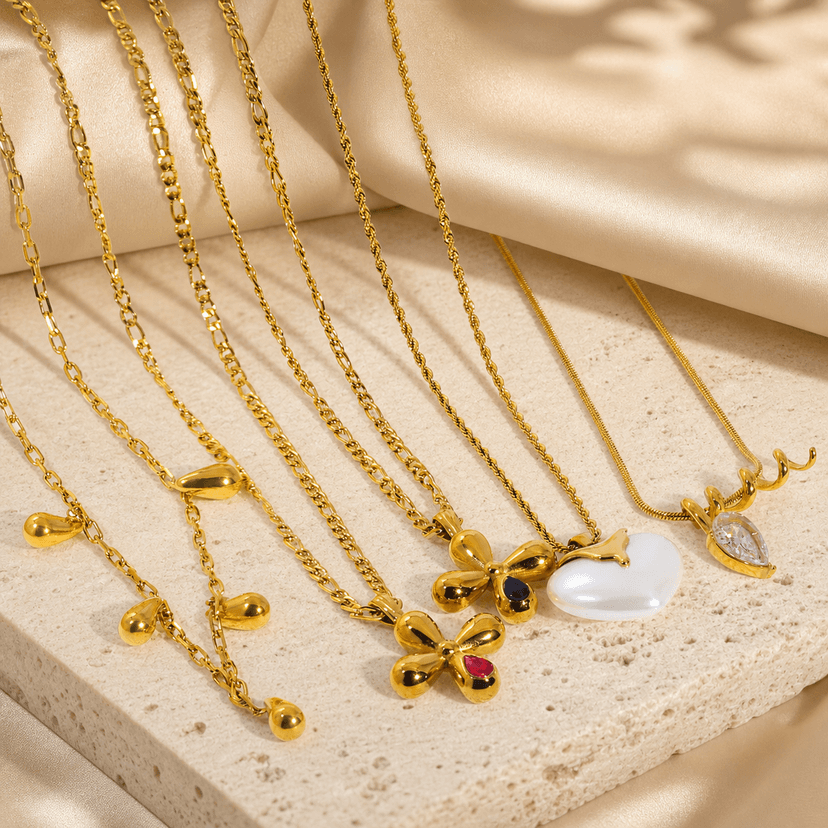
Why Is Stainless Steel Jewelry So Durable?
Stainless steel is an alloy -- a metal made by mixing iron with other metals. The most important ingredient is chromium. When chromium meets air, it forms a thin protective layer called a passive oxide layer. This invisible shield protects the metal underneath from rust, corrosion, and staining.
This is why stainless steel jewelry:
- Doesn't rust easily under normal wear
- Resists tarnishing better than silver or copper
- Keeps its shine for years without needing polish
- Holds up to daily bumps and scratches better than gold or silver
In short, the chemistry of stainless steel makes it naturally resistant to the things that destroy other metals.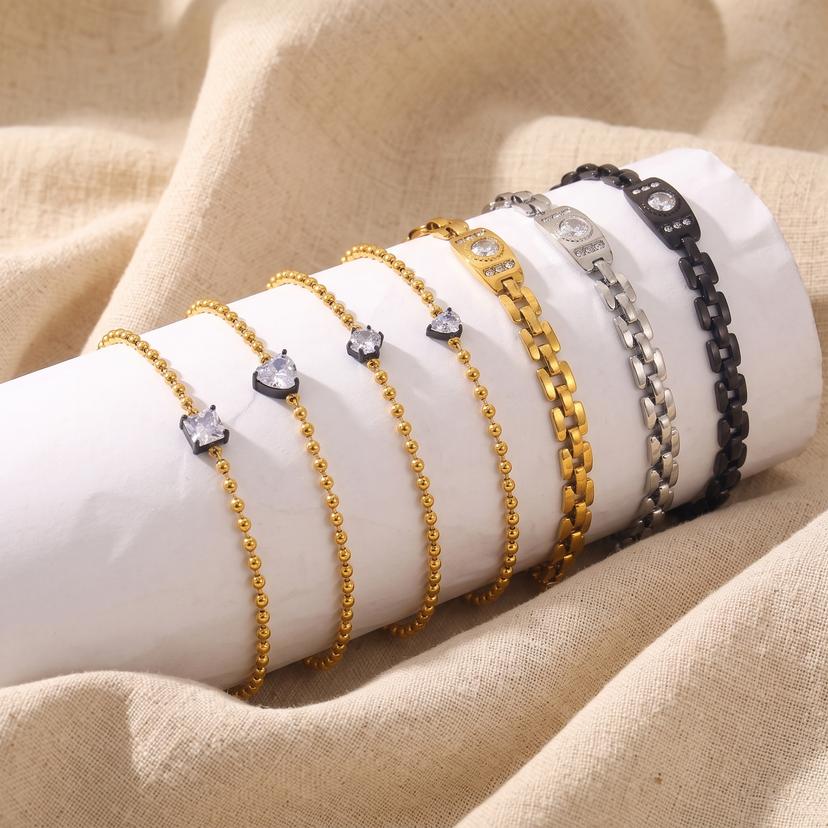
304 vs. 316L Stainless Steel: Which Lasts Longer?
Not all stainless steel is the same. Two grades are most commonly used in jewelry: 304 and 316L. The grade matters a lot when it comes to durability and lifespan.
304 Stainless Steel
304 stainless steel is the most common type. It contains about 18% chromium and 8% nickel. It is strong, affordable, and rust-resistant in most everyday environments.
- Good for casual, affordable jewelry
- Can corrode slightly in salty or chlorinated water over time
- Best for dry-wear jewelry like brooches, pendants, and fashion rings
316L Stainless Steel
316L is the premium grade used in medical implants, surgical tools, and high-quality jewelry. The "L" stands for low carbon. It adds 2-3% molybdenum to the mix, which dramatically improves resistance to chlorides (salt, sweat, and pool water).
- Better for daily-wear jewelry like rings, bracelets, and earrings
- Highly resistant to sweat, seawater, and harsh environments
- Less likely to cause skin reactions -- making it hypoallergenic
- More expensive but significantly more durable long-term
Bottom line: If you want jewelry that lasts the longest, choose 316L stainless steel.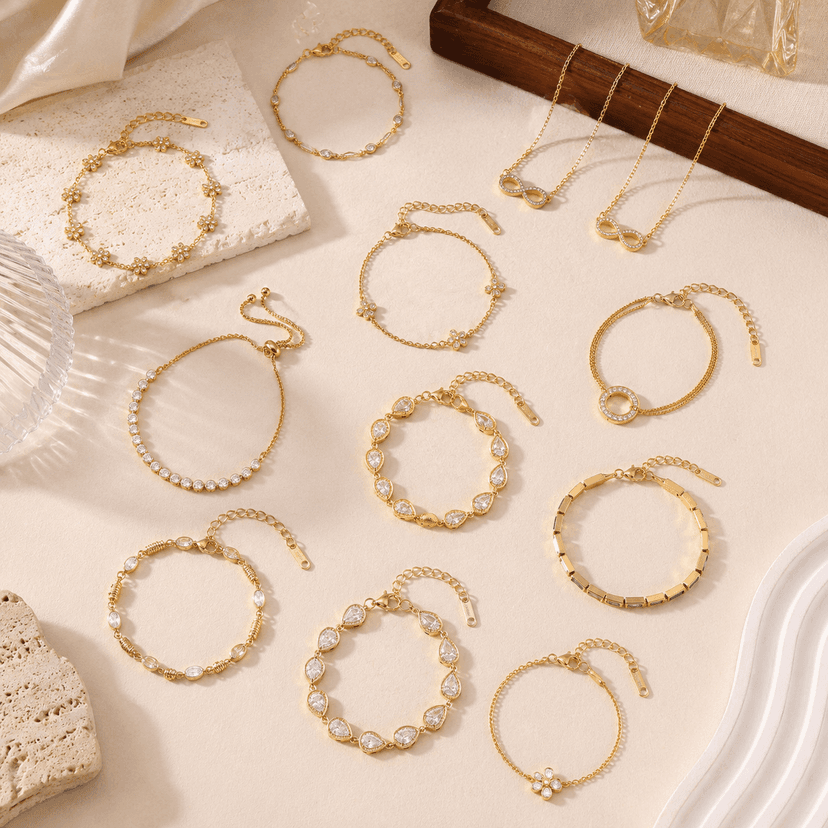
Does Stainless Steel Jewelry Tarnish, Rust, or Fade?
This is one of the most common questions people ask. Here are direct, honest answers:
Does stainless steel jewelry tarnish?
No -- not in the way silver or brass does. Stainless steel does not develop the dark, crusty tarnish you see on silver. The chromium oxide layer keeps the surface protected. However, it can develop minor surface dulling or water spots over time if not cleaned regularly.
Does stainless steel jewelry rust?
High-quality stainless steel (especially 316L) will not rust under normal conditions. However, cheaper grades or damaged pieces can show minor surface rust if exposed to harsh chemicals, prolonged saltwater, or damaged coatings.
Does stainless steel jewelry fade or change color?
Plain stainless steel does not fade -- its silver color is the natural color of the metal itself. However, colored stainless steel jewelry (gold-tone, rose gold, black) is usually made using PVD coating or electroplating. These finishes can fade over time. More on that below.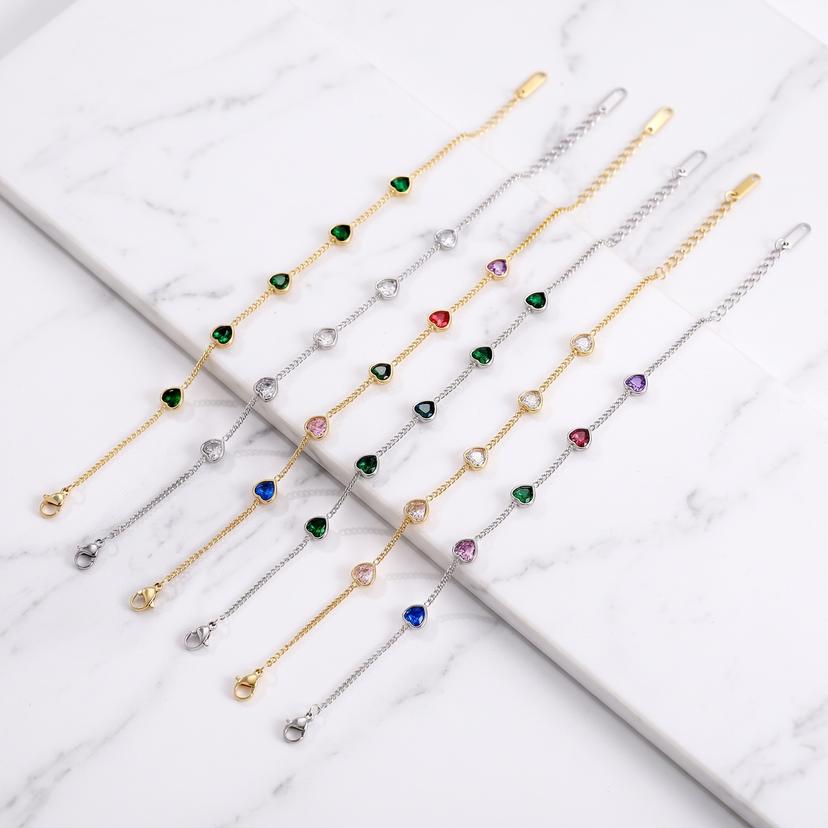
How PVD Coating Affects Stainless Steel Jewelry Durability
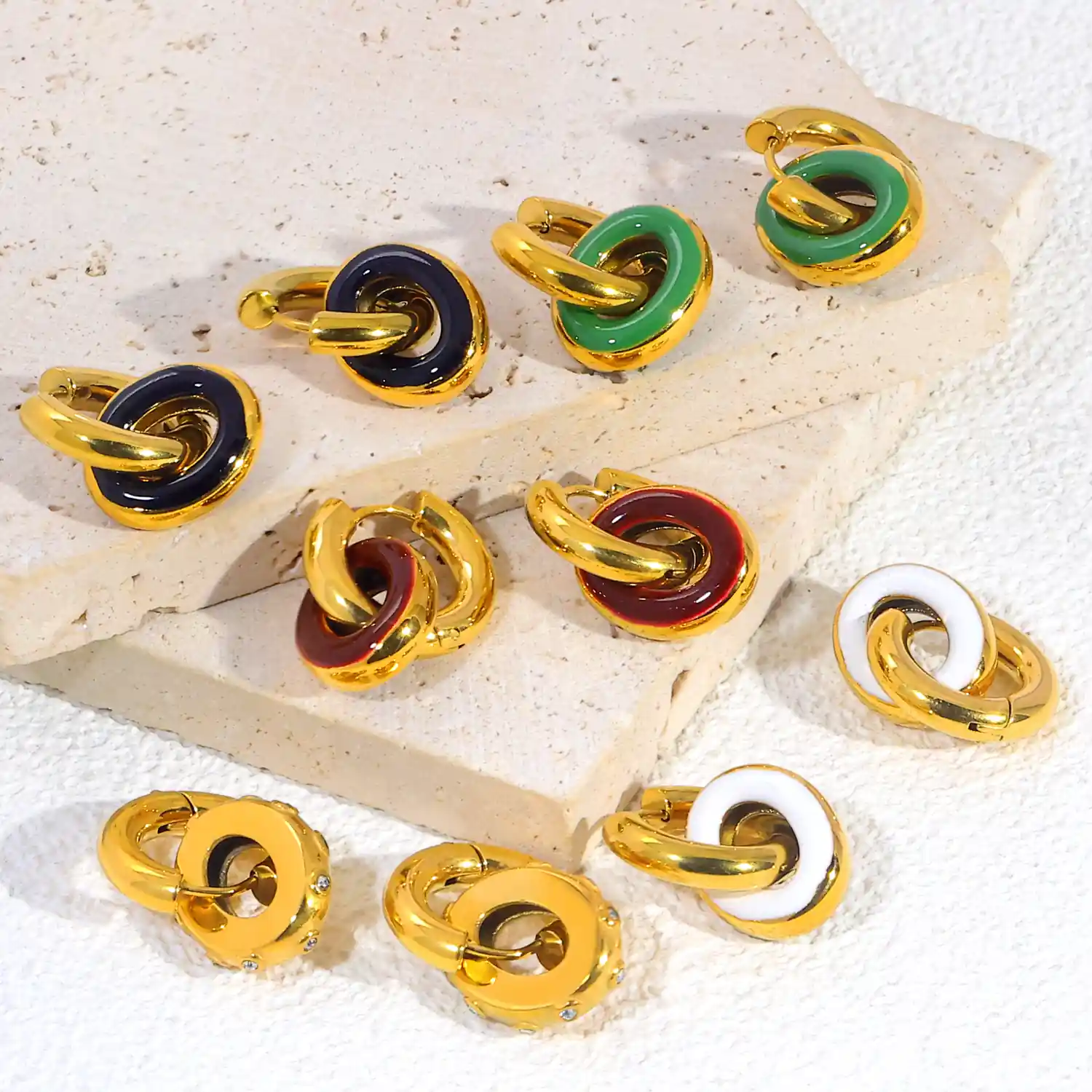
Many stainless steel jewelry pieces come in gold, rose gold, black, or other colors. These finishes are usually applied using PVD (Physical Vapor Deposition) coating.
What Is PVD Coating?
PVD is a process where a thin layer of material (like titanium nitride for gold color) is bonded to the metal surface at a molecular level inside a vacuum chamber. It creates a finish that is:
- Much harder than traditional gold plating
- More resistant to scratches and daily wear
- More environmentally friendly (no harmful chemicals)
How Long Does PVD Coating Last on Stainless Steel?
A high-quality PVD coating typically lasts 3 to 7 years with normal wear. Cheap electroplating, by comparison, may last only 6 to 18 months.
The coating lifespan depends on:
- Coating thickness -- thicker coatings last longer
- Coating quality -- reputable manufacturers use industrial-grade PVD equipment
- How the jewelry is worn -- rings and bracelets experience more friction than necklaces
- Exposure to chemicals -- perfumes, chlorine, and cleaning products strip coatings faster
Even when PVD coating does wear, the stainless steel base underneath remains intact and undamaged.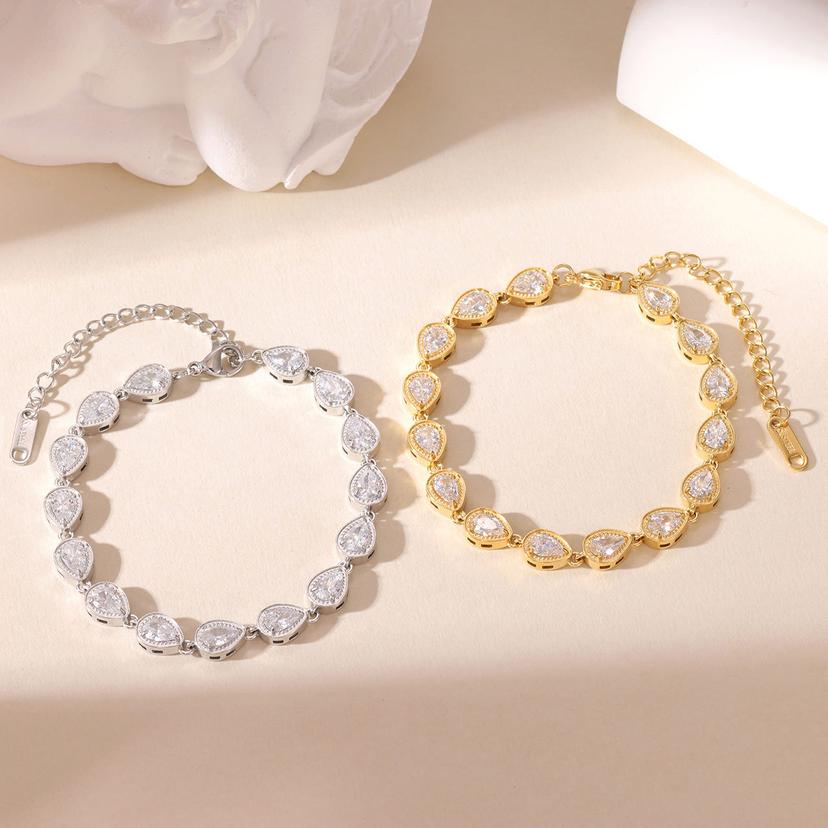
What Factors Can Shorten Stainless Steel Jewelry Lifespan?
Even the toughest metal has limits. Here are the main things that reduce how long stainless steel jewelry lasts:
1. Harsh Chemicals
Cleaning products, bleach, chlorinated pool water, and even some perfumes contain chemicals that can:
- Break down the protective oxide layer on the steel
- Strip or discolor PVD or plated coatings faster
- Leave permanent stains on the surface
Tip: Remove your jewelry before swimming in a pool, cleaning your home, or applying perfume or lotion.
2. Sweat and Body Acids
Sweat contains salt and acids that slowly attack the surface of metals -- even stainless steel. While 316L handles this much better than 304, repeated long-term exposure still causes gradual wear, especially on coatings.
Tip: Wipe jewelry dry after workouts or long days of wear.
3. Friction and Scratches
Rings and bracelets get more friction than earrings or necklaces. Daily contact with hard surfaces can cause micro-scratches over time. While stainless steel is hard and scratch-resistant, it is not scratch-proof.
Tip: Store bracelets and rings separately so they don't rub against each other.
4. Improper Storage
Leaving jewelry in damp places (like a bathroom counter), piled together in a box, or exposed to air and moisture over long periods can cause surface dulling and coating wear.
Tip: Store stainless steel jewelry in a dry, sealed pouch or box.
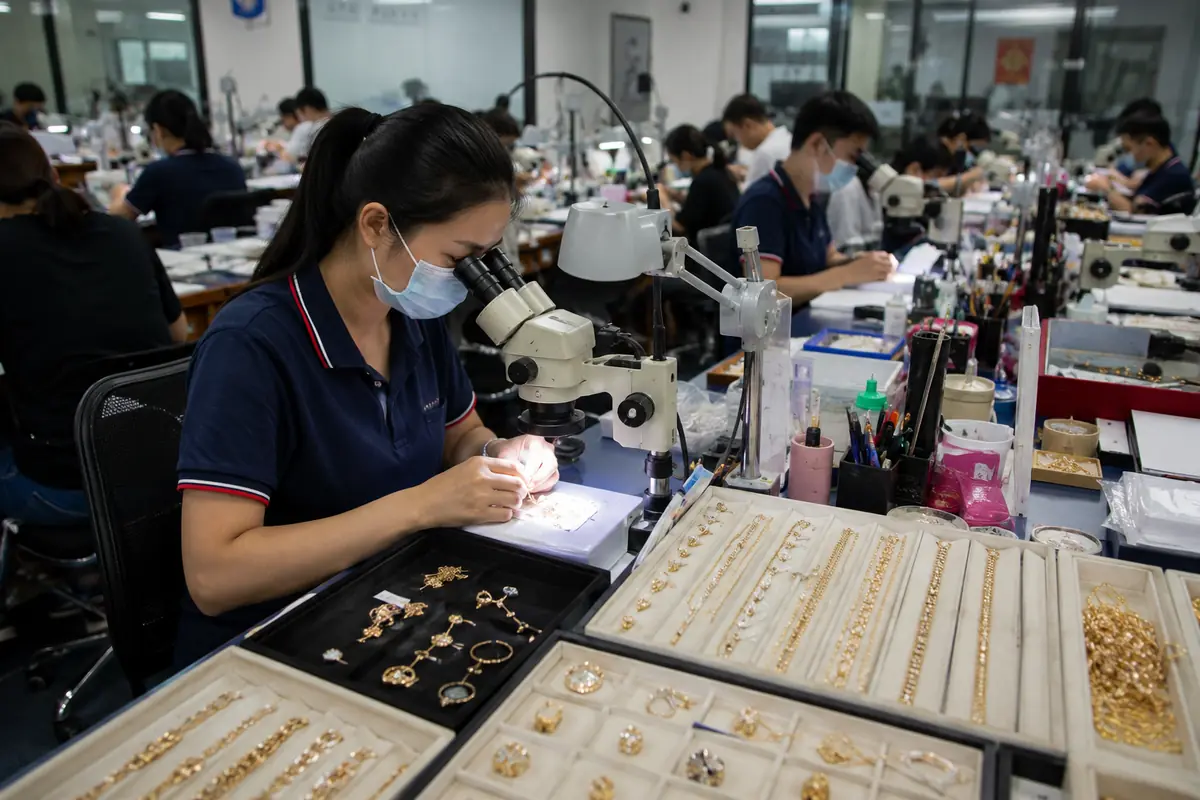
5. Low-Quality Manufacturing
The biggest factor in lifespan is often the quality of manufacturing. Poorly made pieces may use:
- Thinner metal that bends or breaks easily
- Cheap plating instead of PVD coating
- Low-grade steel that is more prone to corrosion
Tip: Source jewelry from reputable manufacturers that use verified steel grades and proper finishing processes.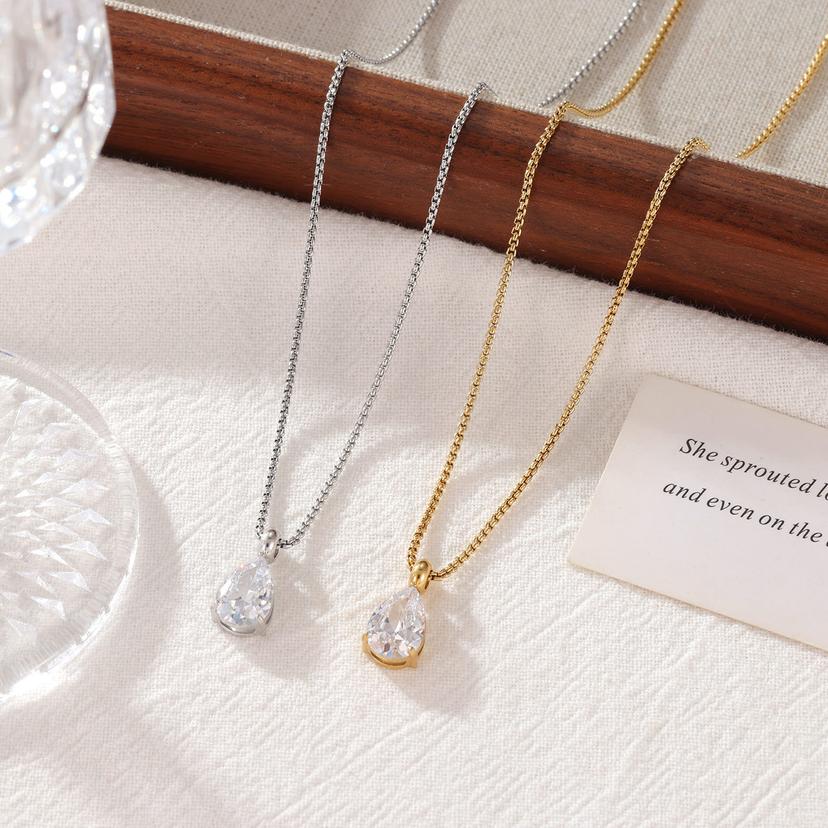
How to Make Stainless Steel Jewelry Last Longer: 7 Care Tips
Proper care can double or even triple the lifespan of your stainless steel jewelry. Here are seven simple tips:
1. Clean It Regularly
Wipe your jewelry with a soft, damp cloth after wearing it. For deeper cleaning, use a small amount of mild dish soap and warm water. Rinse well and dry completely with a soft cloth.
Do not use: abrasive scrubbers, baking soda pastes, or harsh cleaners -- these can scratch the surface or strip the coating.
2. Dry It Completely After Exposure to Water
Leaving water droplets on the surface can cause water spots and mineral buildup. Always pat dry with a microfiber or soft lint-free cloth.
3. Remove Jewelry Before Using Chemicals
Before swimming, cleaning, or applying beauty products, take your jewelry off. This one habit alone can extend the life of coatings by years.
4. Store Separately and in a Dry Place
Store each piece in its own pouch or compartment. Keep jewelry in a dry location away from humidity. Avoid bathroom storage if possible.
5. Avoid Sleeping in Jewelry
Sleeping in bracelets and necklaces causes extra friction, bending stress, and coating wear. Remove jewelry before bed.
6. Polish Occasionally With a Soft Cloth
A microfiber polishing cloth can restore shine to dull stainless steel. This is especially useful for plain steel pieces that have lost their luster.
7. Inspect Clasps and Settings Regularly
Check clasps, links, and prongs periodically. Loose clasps or worn links can cause pieces to break or fall off. Early detection saves the piece.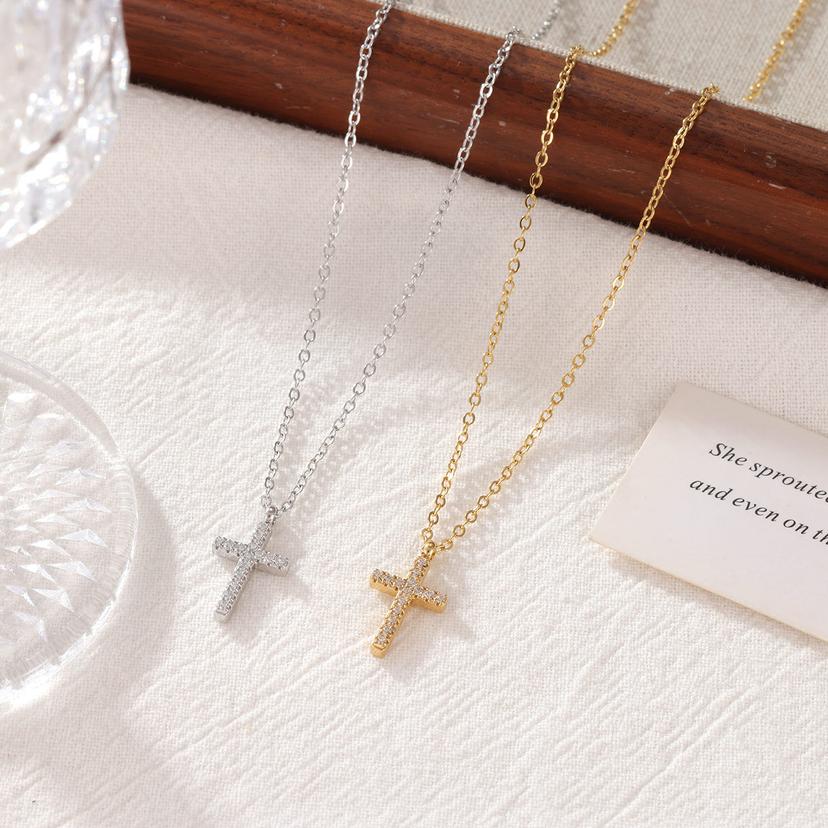
Stainless Steel Jewelry Lifespan by Jewelry Type
Different types of stainless steel jewelry experience different types of wear. Here's what to expect:
Stainless Steel Rings
Rings experience the most friction of any jewelry type. They rub against surfaces constantly. A solid 316L stainless steel ring can last 20+ years, but PVD-coated rings may show wear on the inner band within 3-5 years of daily use. Wider bands tend to hold their coating better than narrow ones.
Stainless Steel Necklaces and Chains
Necklaces and pendants experience less friction than rings. The chains themselves can last 10-20+ years. The main risks are kinking from tangling, and clasp wear over time. PVD-coated pendants may keep their color for 5-7 years or more.
Stainless Steel Bracelets
Bracelets fall between rings and necklaces in terms of wear. Link bracelets can last 10-20 years. Coated bracelets may show edge wear in 3-5 years depending on how active the wearer is.
Stainless Steel Earrings
Earrings are among the longest-lasting pieces because they face minimal friction. Stud earrings and hoops made from 316L stainless steel can easily last 20+ years. Because they also contact skin directly, hypoallergenic 316L steel is especially important for earrings.|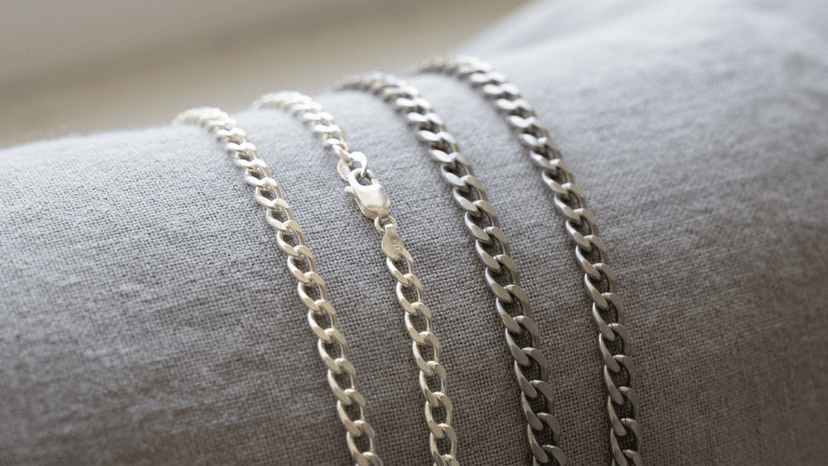
What Jewelry Brands Should Consider When Sourcing Stainless Steel Jewelry
If you are a jewelry brand, retailer, or designer sourcing stainless steel jewelry from manufacturers, the quality of your supplier directly determines how long your products last -- and what your customers think of your brand.
Here are key considerations:
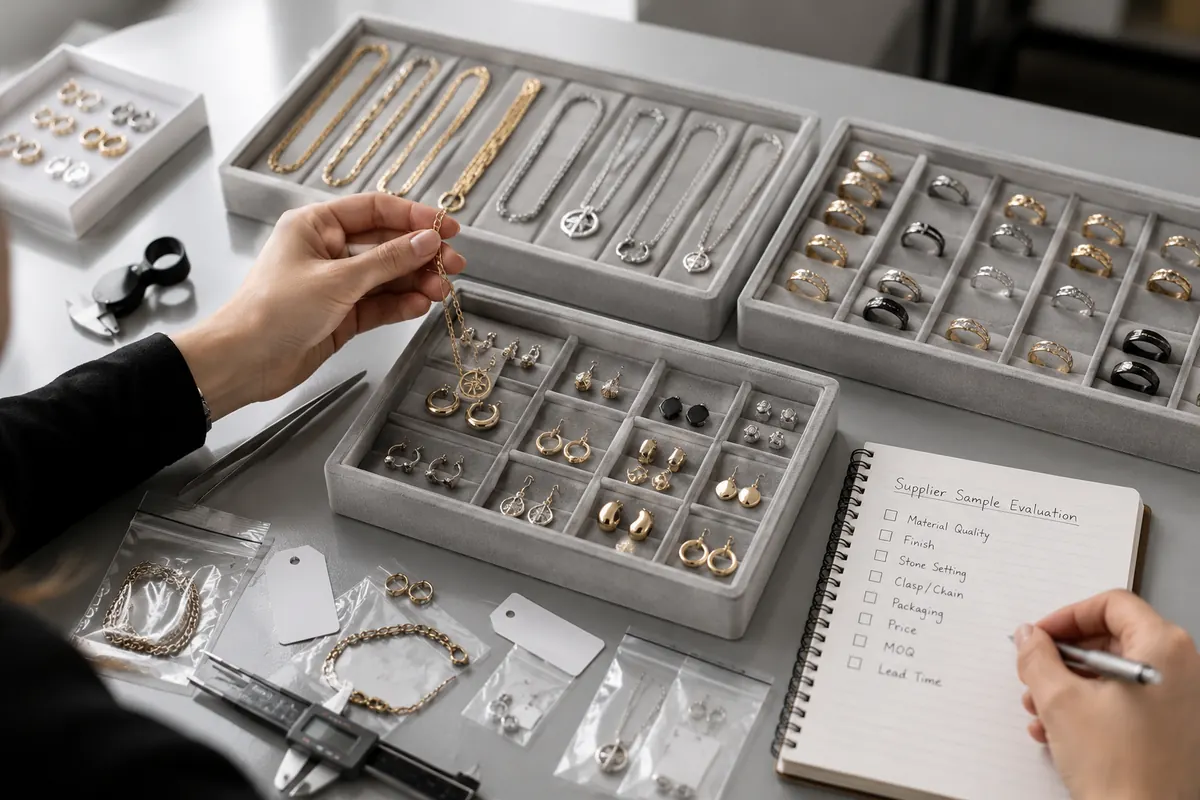
Verify the Steel Grade
Always request material certification confirming 316L or 304 stainless steel. Unverified "stainless steel" from unknown sources may be lower-grade alloys that corrode faster.
Ask About Coating Methods
Confirm whether colored finishes use PVD coating or cheaper electroplating. PVD lasts significantly longer and is a better investment for long-term brand reputation.
Request Product Testing Data
Reputable manufacturers can provide salt spray test results, corrosion resistance reports, and coating adhesion data. These show how the jewelry will hold up in real conditions.
Review Production Quality Controls
Ask about quality control steps like polishing consistency, thickness tolerance, and plating uniformity. Uneven surfaces and inconsistent plating shorten product lifespan.
Consider Customization Options
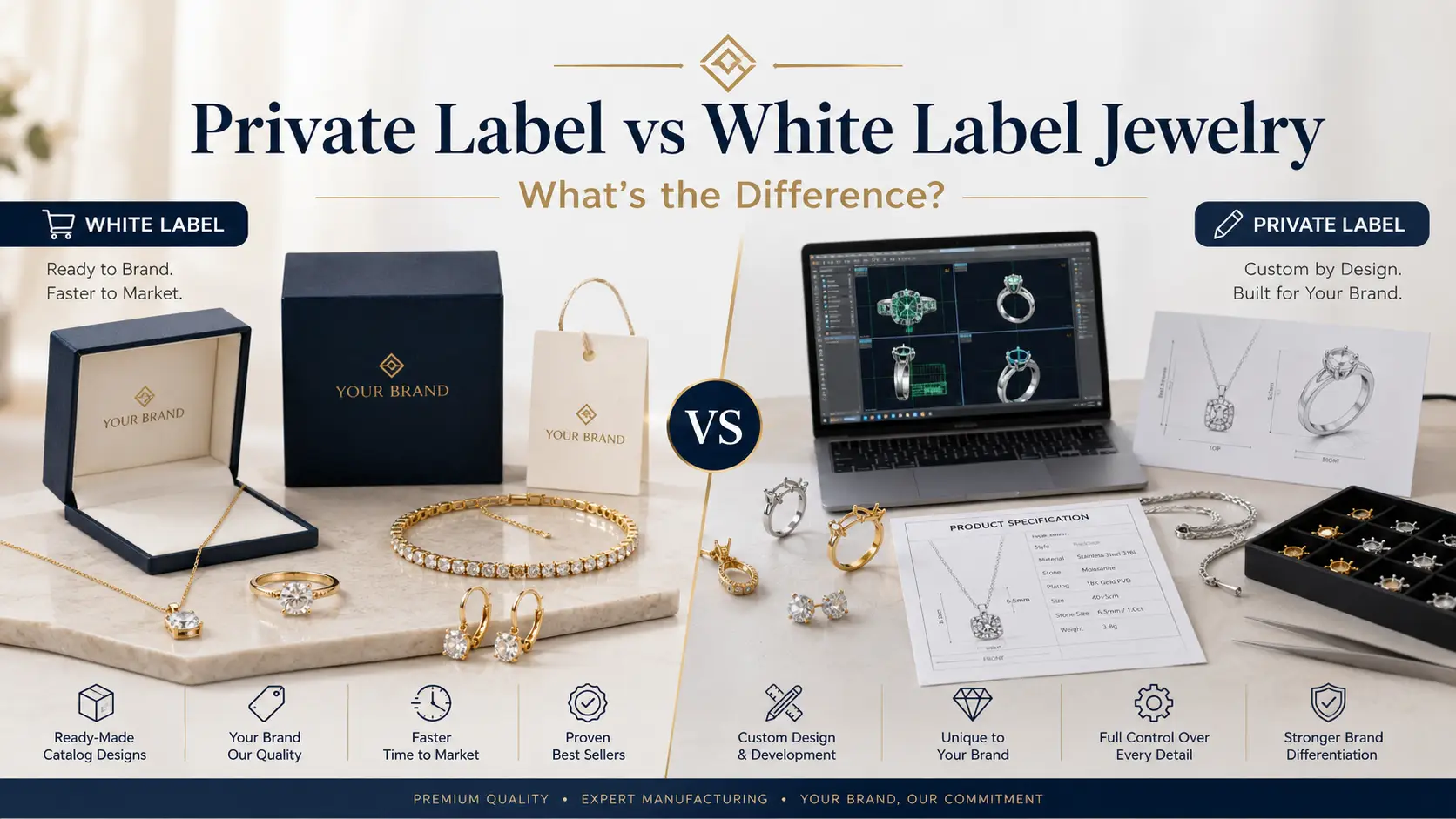
Long-lasting jewelry isn't just about the material -- it's also about the design. A manufacturer that offers OEM/ODM services can help you design pieces that are structurally sound, not just visually attractive.
Conclusion
Stainless steel jewelry is one of the most durable and long-lasting options available. With the right grade of steel, quality manufacturing, and basic care habits, a stainless steel piece can last 10 to 20 years -- or a lifetime.
The key factors are grade (316L beats 304), finish quality (PVD beats electroplating), and daily habits (dry it, store it properly, avoid harsh chemicals).
For jewelry brands and retailers looking to offer truly long-lasting products, the manufacturer you choose matters enormously. Jewins is a professional stainless steel jewelry manufacturer with deep expertise in OEM/ODM production, custom design, and wholesale supply. With a focus on high-quality 316L stainless steel and advanced PVD coating technologies, Jewins helps brands create jewelry that stands the test of time -- and builds customer loyalty that lasts just as long.
Frequently Asked Questions
How long does stainless steel jewelry usually last?
Most stainless steel jewelry lasts between 5 and 20+ years depending on the steel grade, finish quality, and care routine. High-quality 316L stainless steel pieces with PVD coating can last a decade or more with regular but simple maintenance.
Does stainless steel jewelry tarnish?
No -- stainless steel does not tarnish the way silver or brass does. It has a chromium oxide layer that protects it from discoloration. However, plain stainless steel can develop minor water spots or surface dulling if left uncleaned, and colored PVD coatings may fade over time with heavy use.
Is 316L stainless steel better for jewelry than 304?
Yes. 316L stainless steel is the superior choice for jewelry. It contains molybdenum, which gives it significantly better resistance to salt, sweat, and chlorinated water. It is also hypoallergenic and less likely to cause skin reactions. While it costs more than 304, it lasts noticeably longer in daily-wear conditions.
Can stainless steel jewelry get wet?
Yes -- stainless steel jewelry can get wet without rusting or tarnishing in most cases. However, prolonged exposure to chlorinated pool water, saltwater, or harsh chemicals can degrade the surface over time, especially on coated pieces. It's best to rinse your jewelry with clean water and dry it thoroughly after water exposure.
How can I make stainless steel jewelry last longer?
The best ways to extend the life of stainless steel jewelry are: clean it regularly with mild soap and water, dry it completely after wearing, remove it before swimming or using cleaning products, store it in a dry and separate pouch, and avoid sleeping in it. These simple habits can add years to any piece.
Is PVD-coated stainless steel jewelry more durable than regular gold-plated jewelry?
Yes, significantly. PVD coating bonds at a molecular level and is typically 5 to 10 times harder than traditional electroplating. A good PVD finish can last 3 to 7 years of regular wear, while standard gold plating often fades within 6 to 18 months. For colored stainless steel jewelry, PVD is the gold standard in durability.
Where can jewelry brands source durable stainless steel jewelry?
Jewelry brands should look for manufacturers that specialize in stainless steel, use verified 316L steel grades, and offer PVD coating rather than cheap plating. Requesting material certificates, corrosion test data, and quality control documentation is essential. Jewins is a trusted OEM/ODM stainless steel jewelry manufacturer offering custom design, wholesale production, and quality assurance for brands worldwide.
Create Stainless Steel Jewelry That Lasts
Ready to create stainless steel jewelry that lasts for years? Contact Us to discuss 316L stainless steel, PVD coating, OEM/ODM production, custom design, wholesale supply, and quality control for your jewelry brand.
Contact Us →