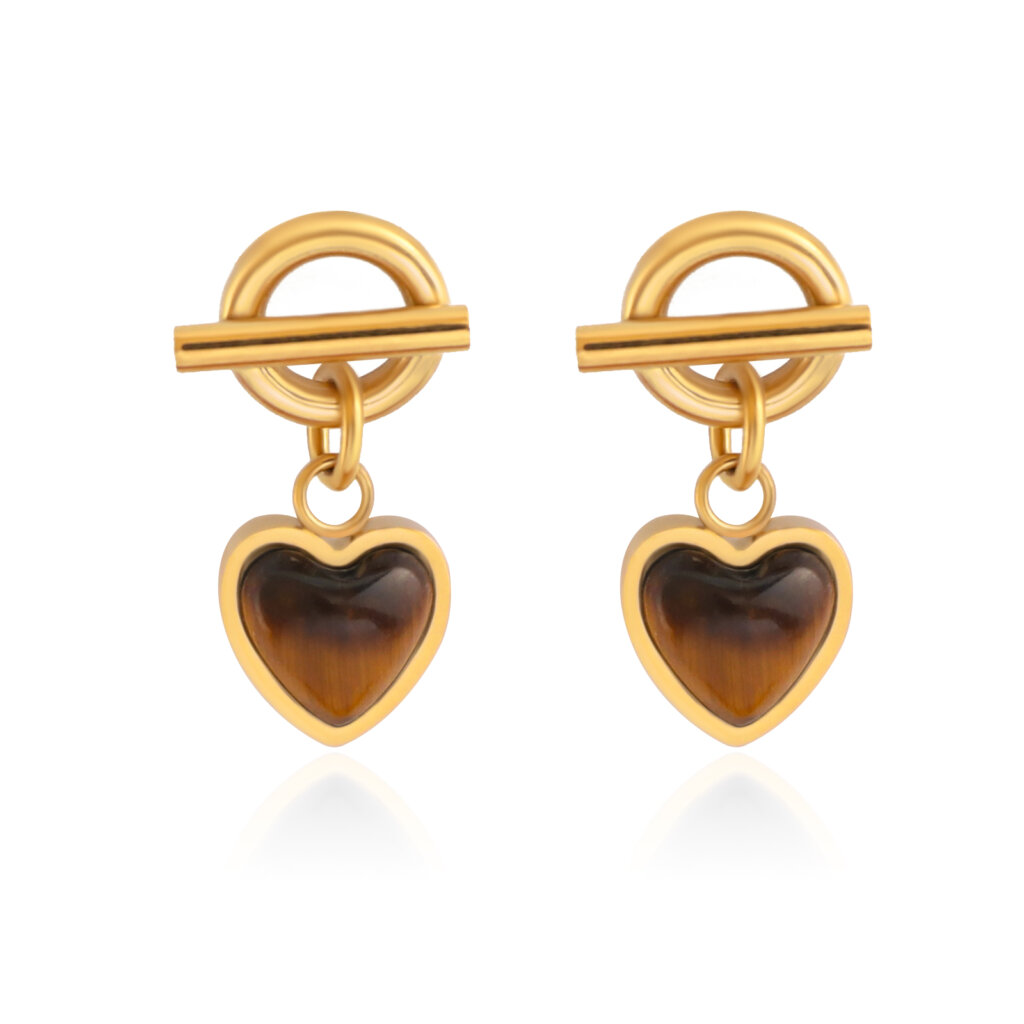

Yes, stainless steel is good for earrings for most people because it is durable, affordable, rust-resistant, low-maintenance, and skin-friendly. The best option is 316L stainless steel, especially for sensitive ears or piercings, because it has strong corrosion resistance and releases very little nickel. People with severe nickel allergies may still prefer titanium or niobium.
Key Takeaways
- Stainless steel earrings are presented as strong, affordable, rust-resistant, low-maintenance, and suitable for everyday wear.
- 316L stainless steel is described as the best grade for earrings because it offers better corrosion resistance and skin safety.
- Stainless steel performs well against gold, sterling silver, brass, and titanium in durability, price, and maintenance comparisons.
- People with severe nickel allergies may still prefer titanium or niobium, even though 316L stainless steel is safe for most sensitive ears.
- For jewelry brands, Jewins offers OEM, ODM, and private label stainless steel earring manufacturing.
Yes -- stainless steel earrings are an excellent choice for most people. They are strong, affordable, and gentle on the skin. Unlike gold or silver, stainless steel does not rust, tarnish, or fade easily. Many people with sensitive ears choose stainless steel earrings because they cause very little irritation. Whether you wear earrings every day or just on special occasions, stainless steel gives you great value for the price. In this guide, we will explain exactly why stainless steel earrings are so popular and help you decide if they are right for you.
What Makes a Good Material for Earrings?
Not all materials are equal when it comes to earrings. Since earrings sit directly on your skin -- and often go inside a piercing -- the material matters a lot.
A good earring material should be:
- Safe for skin contact -- It should not cause rashes, redness, or allergic reactions.
- Durable -- It should not bend, break, or wear out quickly.
- Resistant to rust and tarnish -- It should keep its look over time, even with daily wear.
- Lightweight and comfortable -- It should not feel heavy or painful to wear.
- Easy to maintain -- It should not require a lot of cleaning or special care.
- Affordable -- It should offer good quality without a high price tag.
Stainless steel checks all of these boxes. That is why it has become one of the most popular materials in the jewelry industry worldwide.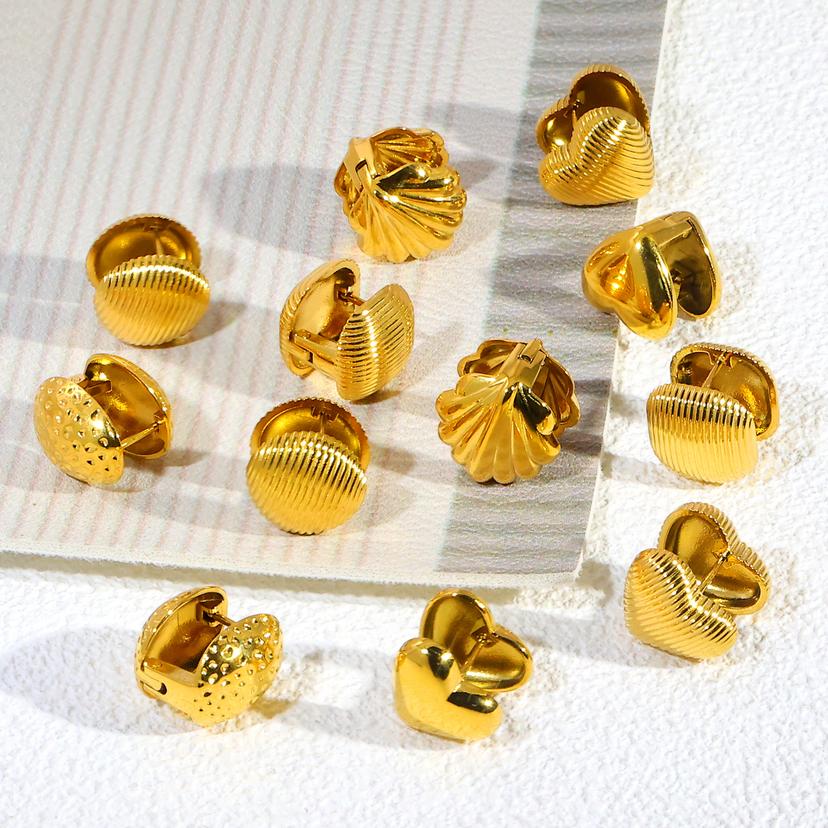
Why Is Stainless Steel So Popular for Earrings?
Stainless steel is a metal alloy. This means it is made by mixing iron with other elements -- mainly chromium, and sometimes nickel and molybdenum. This combination makes the metal very strong and resistant to corrosion (rust and damage from moisture or chemicals).
Jewelry makers love stainless steel because it is:
- Easy to cut, shape, and polish into beautiful designs
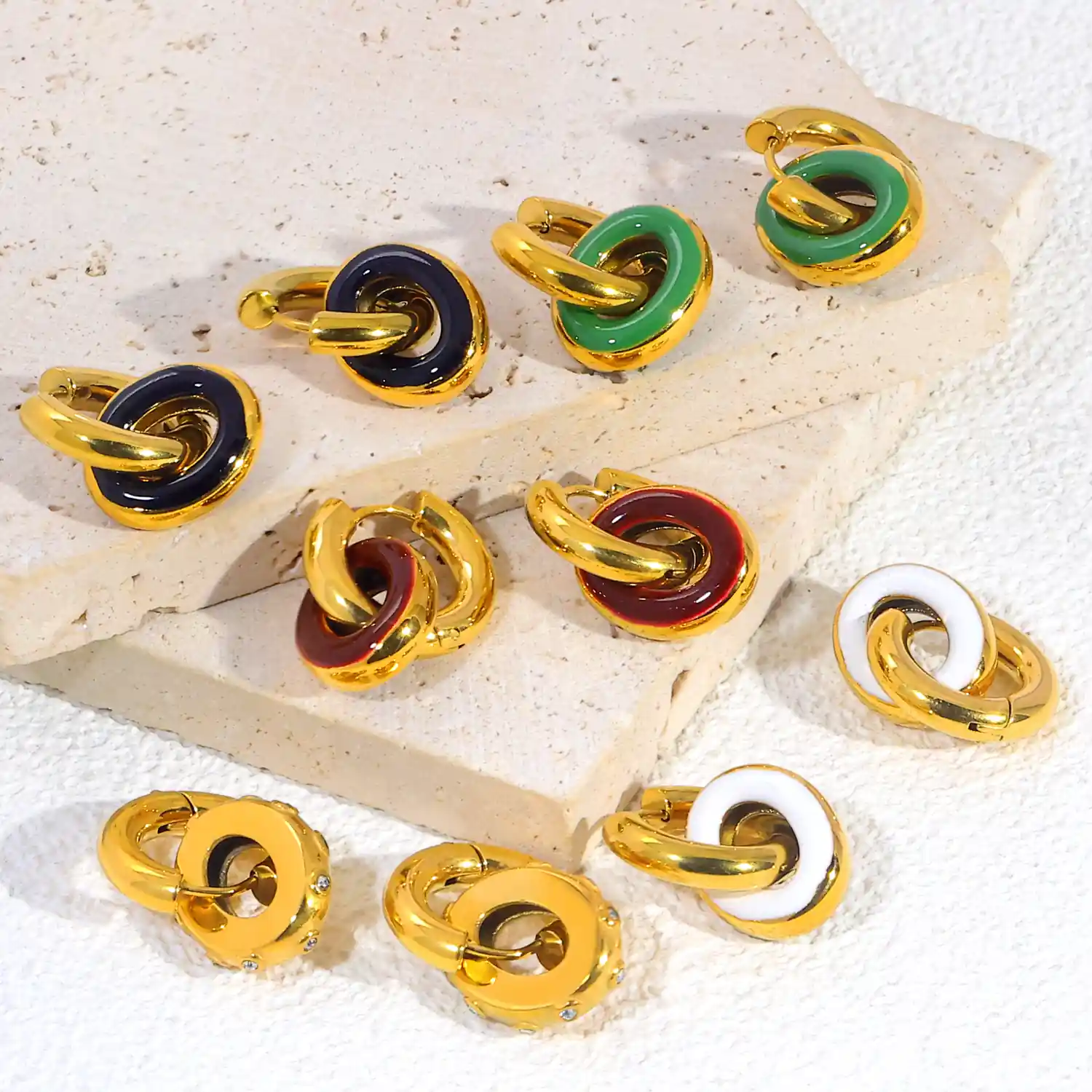
- Available in many finishes -- shiny, matte, brushed, or gold-plated
- Compatible with PVD (Physical Vapor Deposition) coating for added color and protection
- Consistent in quality at a low production cost
Shoppers love stainless steel earrings because they look great, last a long time, and do not cost a fortune.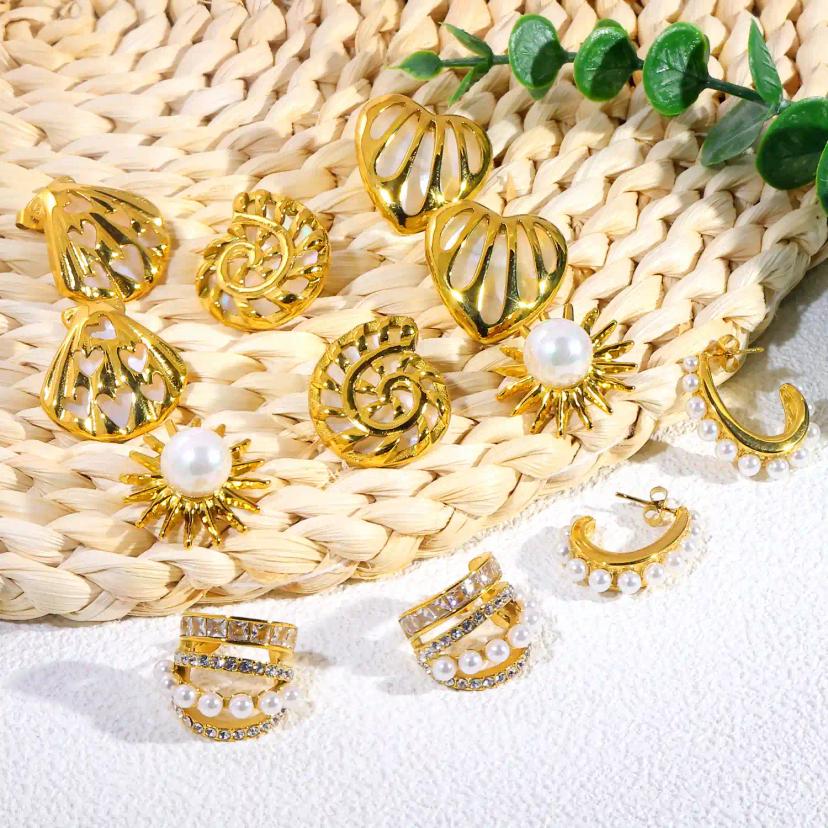
Key Benefits of Stainless Steel Earrings
1. Exceptional Durability and Long Lifespan
Stainless steel is one of the hardest metals used in jewelry. It does not scratch easily and holds its shape well over time. While softer metals like gold or silver can dent or bend with regular wear, stainless steel earrings stay firm and intact.
With proper care, a pair of stainless steel earrings can last 5 to 10 years or more -- even with daily use. This makes them a smart long-term investment.
2. Rust and Corrosion Resistance
One of the biggest advantages of stainless steel is its ability to resist rust. The chromium in stainless steel forms a thin, invisible layer on the surface that protects the metal from moisture, sweat, and chemicals. This layer is called a passive layer.
This means you can:
- Wear stainless steel earrings in the shower
- Wear them while swimming (though chlorine can still cause some wear over time)
- Wear them during workouts without worrying about sweat damage
Most other common jewelry metals -- especially brass and lower-quality silver -- can rust or turn green when exposed to moisture.
3. Lightweight and Comfortable for Everyday Wear
Despite its strength, stainless steel is surprisingly light. This makes it comfortable to wear for long periods without your ears feeling sore or heavy. Oversized or statement earrings in stainless steel are often more comfortable than the same style made in brass or other heavier metals.
4. Affordable Price
Stainless steel earrings are much more affordable than gold, platinum, or even sterling silver. You can find high-quality stainless steel earrings at a fraction of the price of precious metals -- without sacrificing style or durability.
This is a major reason why stainless steel is popular for:
- Everyday fashion jewelry
- Large jewelry collections
- Bulk orders by jewelry brands and retailers
5. Low Maintenance
Stainless steel earrings are very easy to care for. You do not need special cleaning products or polishing cloths. A simple wipe with a damp cloth is usually enough to keep them looking new. They do not need to be stored in special conditions or treated with anti-tarnish sprays.
6. Skin-Friendly Properties
Many people report that stainless steel -- especially 316L stainless steel -- is very gentle on the skin. It is widely used in surgical and medical tools, which is a strong sign of its biocompatibility (ability to be safely in contact with the human body).
For people with metal allergies or sensitive skin, 316L stainless steel is often recommended as a safe and comfortable choice.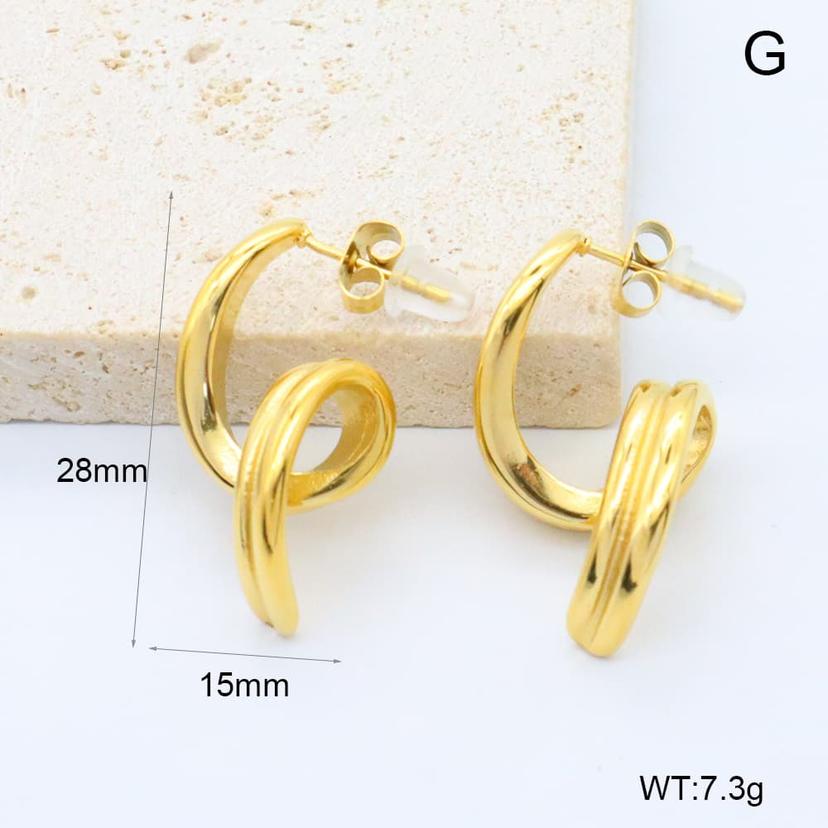
Is Stainless Steel Safe for Sensitive Ears?
This is one of the most common questions people ask. The short answer is: yes, in most cases.
Stainless steel earrings -- especially those made with 316L or 316 grade -- are generally safe for sensitive ears. They contain very low amounts of nickel, and the nickel that is present is tightly bonded within the alloy. This means very little nickel is released onto your skin.
However, it is important to note:
- If you have a severe nickel allergy, even small amounts of nickel can cause a reaction. In that case, titanium or niobium earrings may be a better option.
- Not all stainless steel is the same. Lower grades may release more nickel and cause more skin irritation.
- Look for earrings labeled 316L, 316, or surgical steel if you have sensitive ears.
For most people with mild sensitivity, 316L stainless steel earrings are a reliable and comfortable choice.
Why 316L Stainless Steel Is the Best Grade for Earrings
Not all stainless steel is created equal. There are many different grades, each with a different composition and set of properties. For earrings and body jewelry, 316L stainless steel is considered the gold standard.
Here is why 316L is so special:
- Low carbon content -- The "L" in 316L stands for "low carbon." This makes the metal more resistant to corrosion and reduces the risk of sensitization in the body.
- Molybdenum content -- 316L contains 2-3% molybdenum, which gives it extra resistance to pitting corrosion from chlorides (like salt in sweat or seawater).
- Used in medical implants -- 316L is the same grade used for surgical instruments and implantable medical devices, which shows how body-safe it is.
- Widely accepted for body piercing -- Organizations like the Association of Professional Piercers (APP) recognize 316L as an implant-grade material.
If you are buying stainless steel earrings and want the safest option, always look for 316L.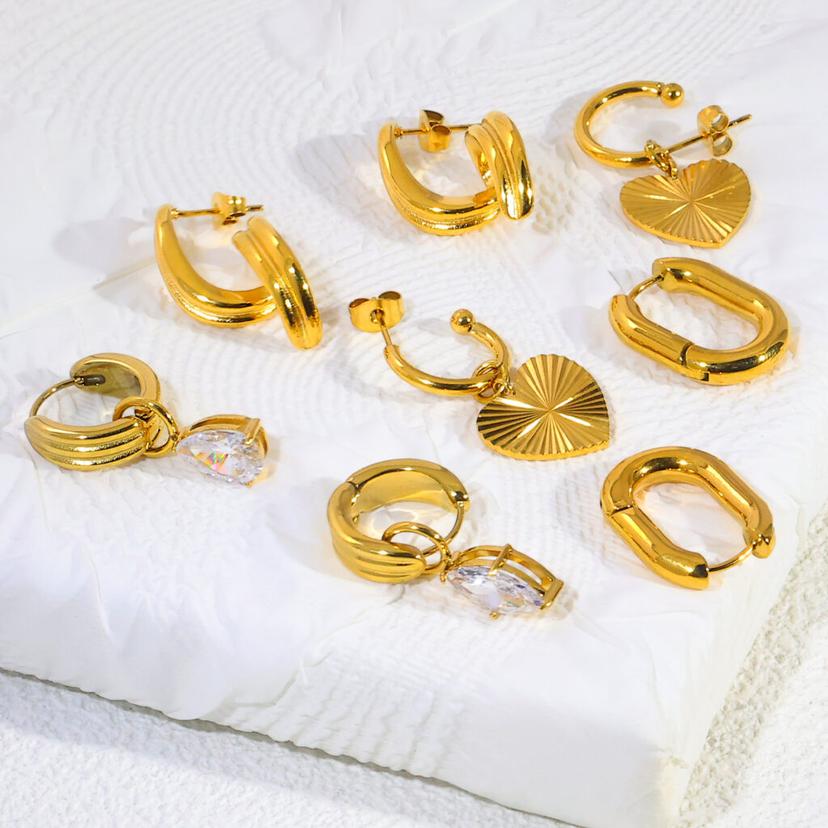
304 vs. 316L Stainless Steel Earrings: What Is the Difference?
| Feature | 304 Stainless Steel | 316L Stainless Steel |
|---|---|---|
| Also called | 18/8 stainless steel | Surgical steel |
| Nickel content | ~8-10.5% | ~10-14% |
| Molybdenum | None | 2-3% |
| Corrosion resistance | Good | Excellent |
| Skin safety | Moderate | High |
| Best for | Fashion accessories | Earrings, body jewelry, piercings |
| Price | Lower | Slightly higher |
Summary: 304 stainless steel is fine for many fashion jewelry pieces worn on top of the skin, like bracelets and necklaces. But for earrings -- especially if you have a piercing -- 316L is the better, safer choice.
Stainless Steel Earrings vs. Other Materials
Stainless Steel vs. Gold Earrings
| Stainless Steel | Gold (14K-18K) | |
|---|---|---|
| Price | Very affordable | Expensive |
| Durability | Very high | High (but softer) |
| Tarnish resistance | Excellent | Excellent |
| Skin safety | Very good (316L) | Very good |
| Hypoallergenic | Yes (316L) | Depends on alloy |
| Maintenance | Very low | Low |
Verdict: Gold is the traditional prestige choice, but stainless steel offers very similar performance at a much lower cost. For everyday wear, stainless steel is often more practical.
Stainless Steel vs. Sterling Silver Earrings
| Stainless Steel | Sterling Silver | |
|---|---|---|
| Price | Affordable | Moderate |
| Durability | Very high | Moderate |
| Tarnish resistance | Excellent | Poor (tarnishes over time) |
| Skin safety | Very good (316L) | Generally good |
| Maintenance | Very low | Requires regular polishing |
| Shine | Bright and lasting | Bright but fades |
Verdict: Sterling silver looks beautiful, but it tarnishes easily and needs regular cleaning. Stainless steel holds its shine with almost no effort. For low-maintenance, long-lasting earrings, stainless steel wins. If you want to learn more, please see our
Stainless Steel vs. Brass Earrings
| Stainless Steel | Brass | |
|---|---|---|
| Price | Affordable | Very affordable |
| Durability | Very high | Moderate |
| Rust/Tarnish | Resistant | Tarnishes easily |
| Skin safety | Very good (316L) | Can cause reactions |
| Skin discoloration | No | Can turn skin green |
| Maintenance | Very low | High |
Verdict: Brass may cost less, but it tarnishes, can cause skin irritation, and may leave green marks on your skin. Stainless steel is clearly the better option.
Stainless Steel vs. Titanium Earrings
| Stainless Steel | Titanium | |
|---|---|---|
| Price | Affordable | Moderate to expensive |
| Durability | Very high | Extremely high |
| Weight | Light | Very light |
| Skin safety | Very good (316L) | Excellent |
| Hypoallergenic | Yes (316L) | Yes (nickel-free) |
| Best for | Most people | Severe nickel allergy sufferers |
Verdict: Titanium is the top choice for people with severe nickel allergies since it is completely nickel-free. However, for most people, 316L stainless steel offers very similar skin safety at a lower price.
Possible Disadvantages of Stainless Steel Earrings
Stainless steel is great, but it is not perfect. Here are a few things to keep in mind:
- Not 100% nickel-free -- 316L stainless steel contains nickel. While the amount released is very small, people with severe nickel allergies should be cautious.
- Harder to resize or reshape -- Because stainless steel is very hard, it is difficult for jewelers to resize or alter stainless steel earrings compared to gold or silver.
- Heavier than titanium -- While stainless steel is light, titanium is even lighter. For very large earrings, this difference may matter.
- PVD coating can wear off -- Gold-plated or colored stainless steel earrings use PVD coating. While very durable, this coating can eventually show wear with heavy use.
- Not considered "fine jewelry" -- Some people associate stainless steel with fashion jewelry rather than luxury. If prestige or resale value matters to you, precious metals may be preferred.
How to Choose High-Quality Stainless Steel Earrings
Follow these tips to make sure you are buying the best stainless steel earrings:
Check the Steel Grade
Always look for 316L stainless steel or surgical stainless steel on the product label or description. Avoid earrings that simply say "stainless steel" without specifying the grade, especially if you have sensitive ears.
Look for Quality Finishes
High-quality stainless steel earrings should have:
- A smooth, polished surface with no rough edges
- Even plating or coating (if colored or gold-toned)
- Secure clasps and posts that close properly
Buy From Reputable Sellers
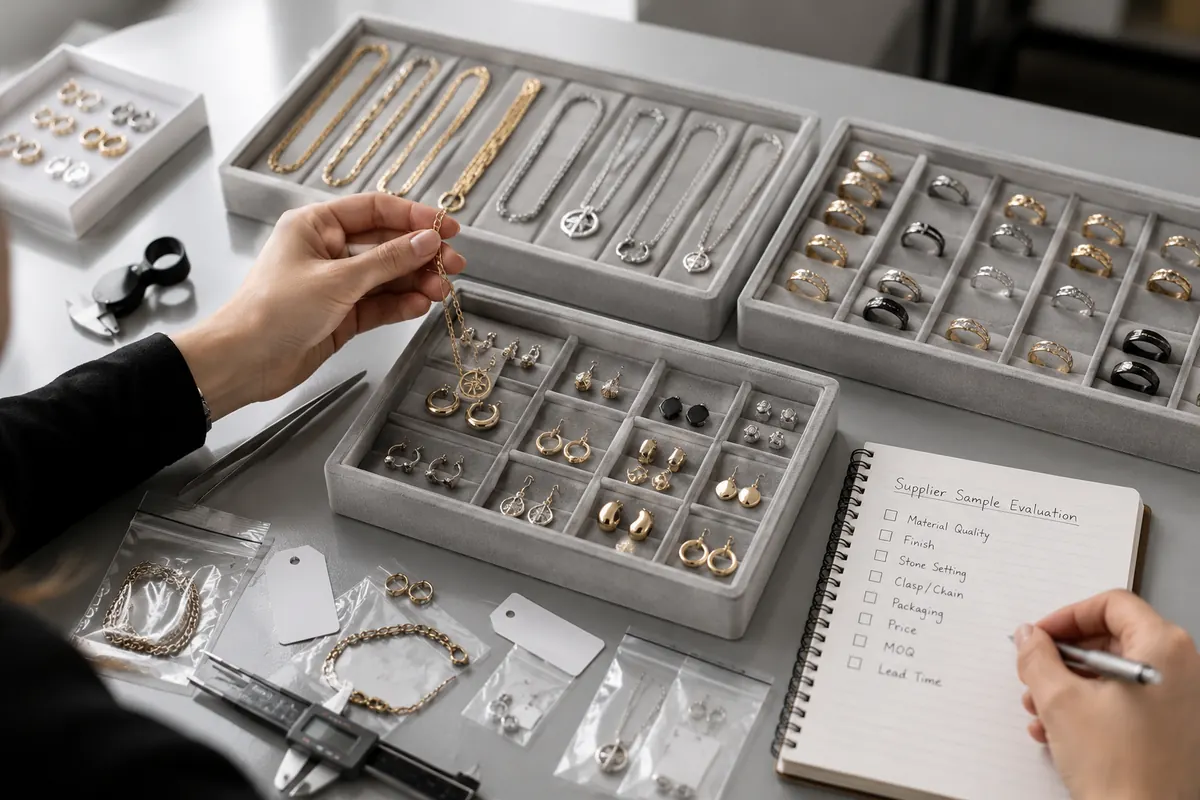
Purchase earrings from trusted manufacturers or retailers who can confirm the material grade and quality standards. This is especially important for piercings or sensitive ears.
Check for Certifications
Some manufacturers test their products for nickel release according to EU Nickel Directive standards (EN 1811). Products that pass this test are safe for prolonged skin contact.
Consider the Post Material
For earrings with hooks or posts, make sure the entire piece -- including the post -- is made from 316L stainless steel. Some low-quality earrings use a stainless steel front with a different, cheaper metal for the post, which can cause irritation.
Conclusion
Stainless steel earrings are an outstanding choice for almost everyone. They are strong, beautiful, affordable, easy to care for, and safe for most skin types. If you choose 316L stainless steel, you get the highest level of skin safety and corrosion resistance available in this material -- the same grade trusted in the medical industry.
Whether you have sensitive ears, want earrings that can handle daily wear and tear, or simply want great value for your money, stainless steel earrings deliver on all fronts. The only people who may want to consider alternatives are those with severe nickel allergies, for whom titanium remains the top recommendation.
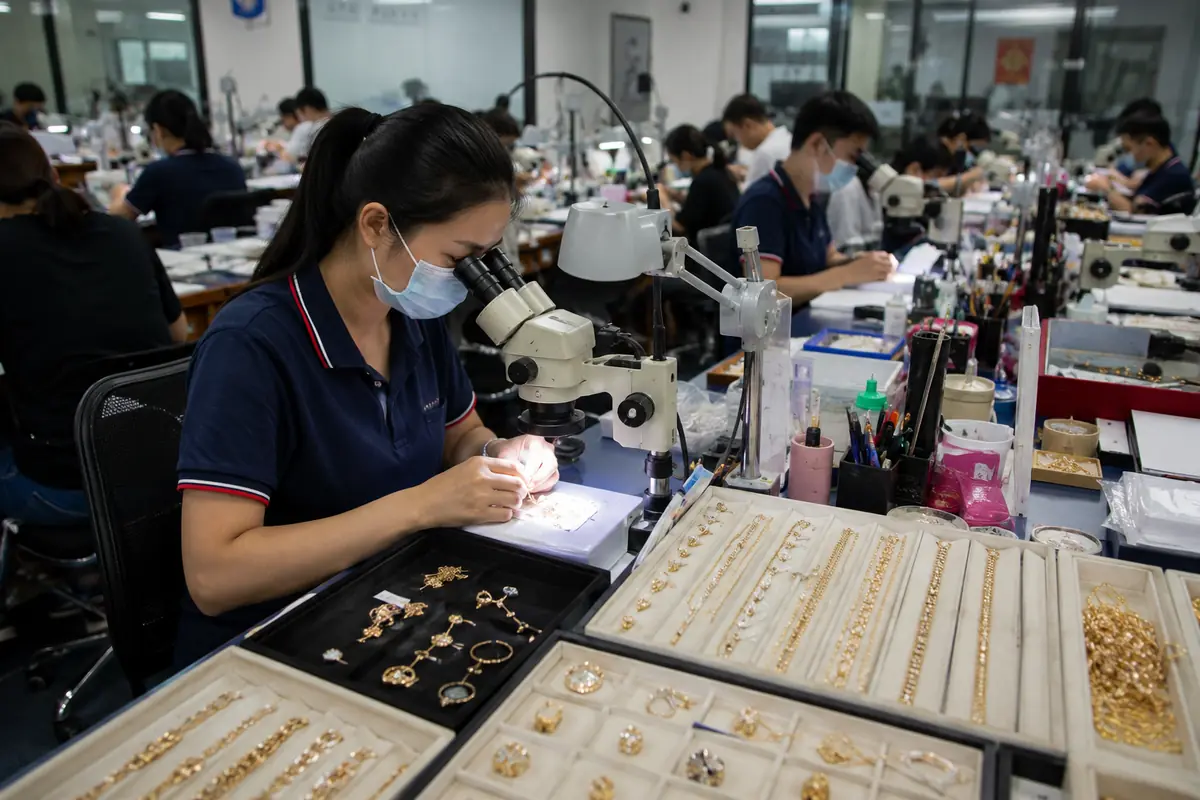
For jewelry brands and retailers looking to source high-quality stainless steel earrings, Jewins is a trusted stainless steel jewelry manufacturer with years of experience crafting premium earrings and accessories. Jewins offers full OEM, ODM, and private label services, helping brands create custom stainless steel earring collections that meet their exact design and quality specifications. If you are looking for a reliable manufacturing partner for your jewelry business, Jewins provides the expertise, consistency, and flexibility to bring your vision to life.
Frequently Asked Questions
Are stainless steel earrings good for everyday wear?
Yes, stainless steel earrings are ideal for everyday wear. They are highly durable, resistant to rust and scratches, and can handle exposure to sweat, water, and daily activities. They maintain their appearance with minimal care, making them one of the most practical earring choices for daily use.
Are stainless steel earrings safe for sensitive ears?
Yes, in most cases. 316L stainless steel -- also known as surgical steel -- is widely considered safe for sensitive ears. It releases very little nickel and has been used in medical devices for decades. However, if you have a confirmed severe nickel allergy, consult a dermatologist before wearing stainless steel. Titanium may be a safer alternative for extreme nickel sensitivity.
Are 316L stainless steel earrings better than regular stainless steel?
Yes. 316L stainless steel is the best grade for earrings. Compared to regular stainless steel (like 304), 316L has a lower carbon content and added molybdenum, which gives it superior corrosion resistance and makes it safer for long-term skin contact. For earrings -- especially for piercings -- 316L is always the recommended choice.
Do stainless steel earrings rust or tarnish?
No. Stainless steel earrings are highly resistant to rust and tarnish. The chromium in stainless steel forms a protective layer that shields the metal from moisture, sweat, and chemicals. This is one of the key advantages of stainless steel over materials like brass, copper, or lower-quality silver, which can tarnish or corrode over time.
How long do stainless steel earrings last?
With proper care, stainless steel earrings can last 5 to 10 years or longer -- and sometimes a lifetime. Their durability far exceeds most fashion jewelry materials. Even with daily wear, they resist scratching, bending, and fading much better than gold-plated, brass, or sterling silver earrings.
Are stainless steel earrings better than silver earrings?
It depends on your priorities. Stainless steel earrings outperform sterling silver in terms of tarnish resistance, durability, and ease of maintenance. Sterling silver tarnishes over time and requires regular polishing, while stainless steel stays bright with minimal effort. However, sterling silver is a precious metal with traditional prestige and resale value. For everyday practicality, stainless steel is the better choice.
Can Jewins customize stainless steel earrings for my brand?
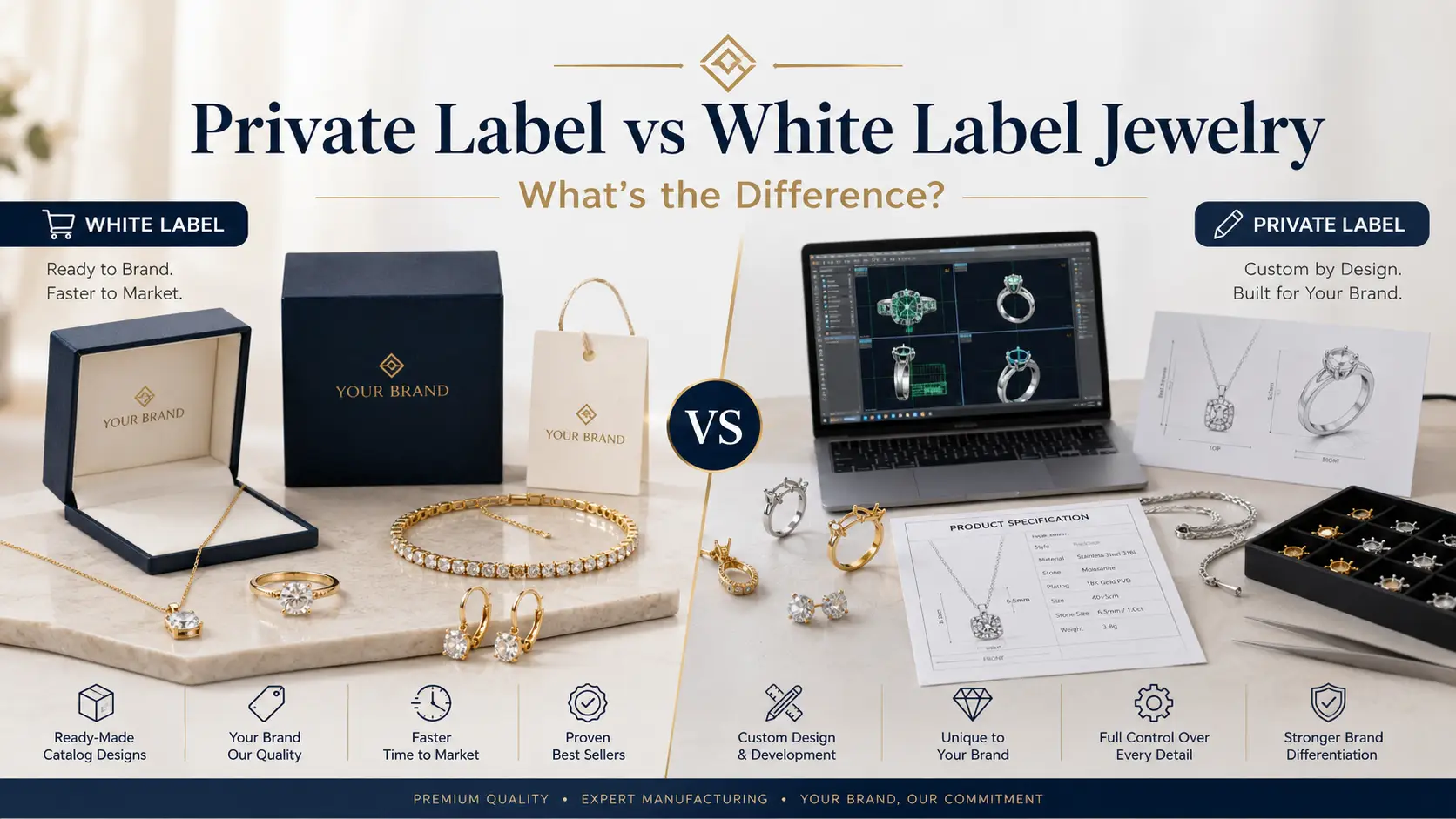
Yes. Jewins specializes in OEM, ODM, and private label stainless steel jewelry manufacturing. Whether you need custom shapes, sizes, finishes, engravings, or branding, Jewins can work with your design requirements to produce high-quality stainless steel earrings at scale. This makes Jewins an ideal partner for jewelry brands, retailers, and wholesalers looking to launch or expand their earring collections.
What is the best stainless steel grade for earrings?
316L stainless steel is the best grade for earrings. It offers excellent corrosion resistance, very low nickel release, and high biocompatibility -- meaning it is safe for contact with the human body. It is the same grade used in surgical instruments and medical implants. When buying stainless steel earrings, always look for 316L or "surgical stainless steel" to ensure safety and quality.
Create Everyday Stainless Steel Earrings
Looking for durable stainless steel earrings for your jewelry brand? Contact Us to discuss 316L stainless steel earrings, OEM/ODM production, private label options, and custom designs for everyday earring collections.
Contact Us →