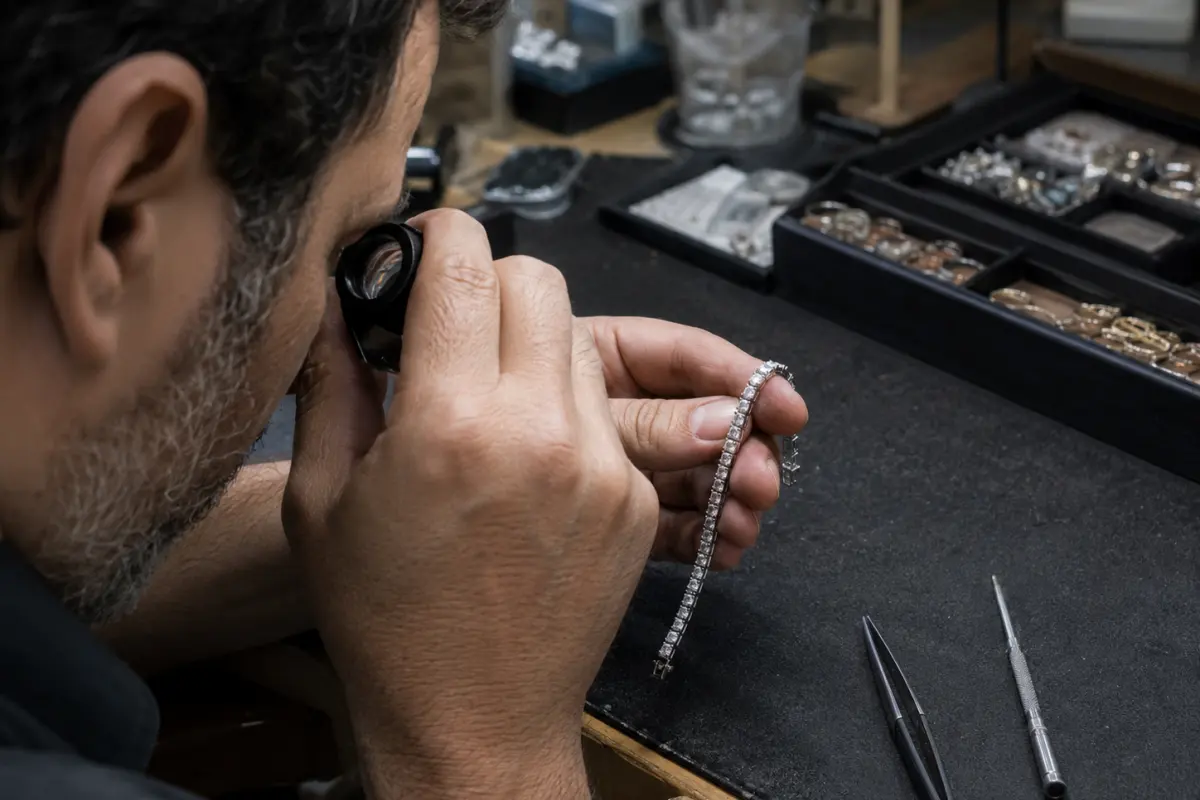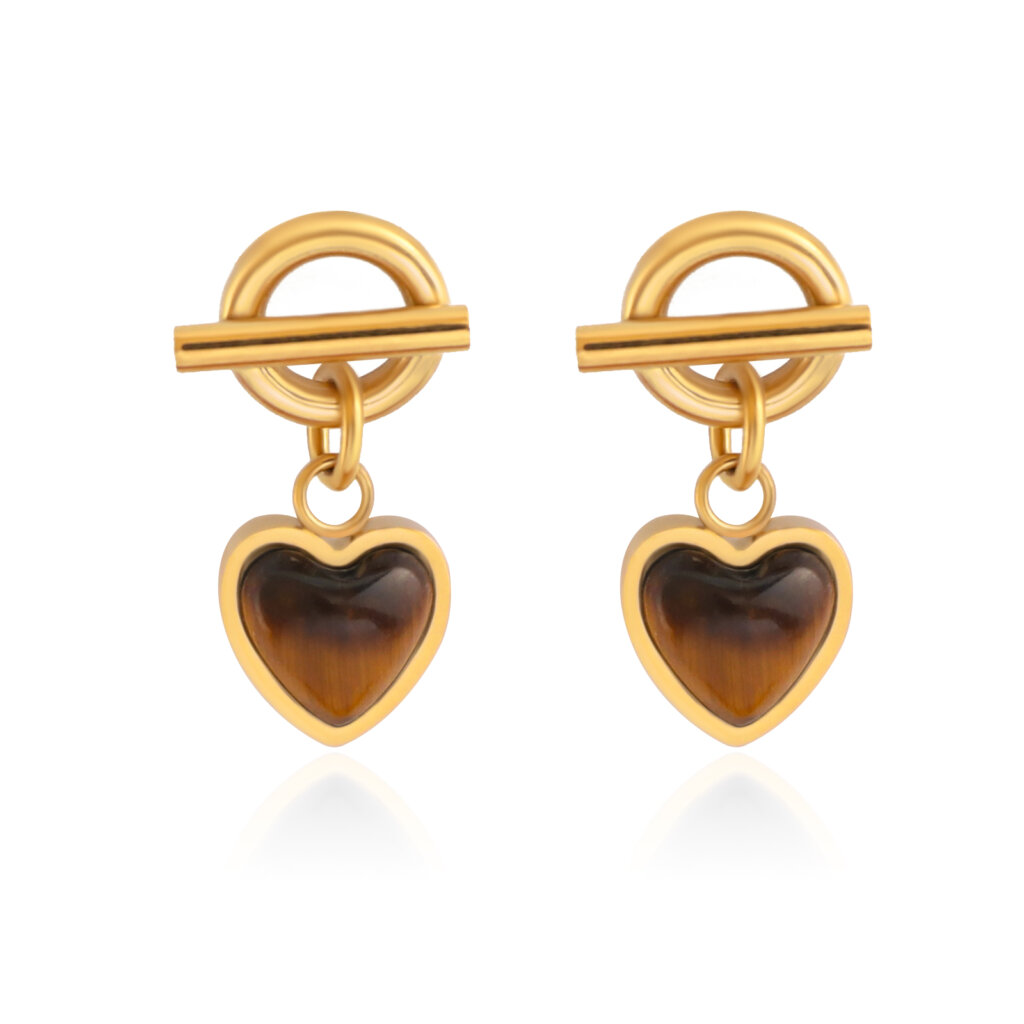

Stainless steel jewelry is usually worth anywhere from $5 to $200 or more, depending on steel grade, craftsmanship, finish, coating, gemstones, brand, and packaging. Its raw metal value is low compared with gold or silver, but its practical value can be high because it is durable, tarnish-resistant, corrosion-resistant, and suitable for everyday wear.
Key Takeaways
- Stainless steel jewelry has low raw metal value, but strong practical value because of durability, corrosion resistance, tarnish resistance, and long-term wearability.
- Value depends on steel grade, manufacturing process, surface finish, PVD or DLC coating, gemstones, design, brand, packaging, and customization.
- 316L stainless steel is presented as the better option for everyday wear, sensitive skin, and higher-quality jewelry.
- For jewelry brands, stainless steel can support profitable product lines through low material cost, flexible manufacturing, branding, packaging, and customization.
Stainless steel jewelry is worth anywhere from $5 to $200 or more, depending on its grade, craftsmanship, finish, and brand. On its own, the raw metal has very little material value -- but that's not the whole story. The real value of stainless steel jewelry comes from its durability, quality finish, and long-lasting appearance. Unlike gold or silver, stainless steel doesn't tarnish or rust. That makes it a smart choice for everyday wear. Understanding what makes stainless steel jewelry worth buying -- or selling -- helps you make smarter decisions, whether you're a consumer, retailer, or jewelry brand.
What Is Stainless Steel Jewelry, Exactly?
Stainless steel is a metal alloy. That means it's made by mixing iron with other elements, mainly chromium and sometimes nickel and molybdenum. The chromium creates an invisible layer on the surface that protects the metal from rust and corrosion.
In jewelry making, 304 and 316L stainless steel are the two most common grades. Each one has different properties -- and those properties directly affect the jewelry's quality and price.
Stainless steel jewelry includes rings, necklaces, bracelets, earrings, pendants, and cuffs. You'll find it in fashion jewelry stores, luxury-inspired collections, and even hospital-grade body jewelry.
Why Is Stainless Steel Jewelry Cheaper Than Gold or Silver?
The short answer: the raw material itself is inexpensive.
Gold and silver are precious metals. Their value is traded globally every day on commodity markets. An ounce of gold can cost over $2,000. An ounce of silver might cost around $25-$30. These high material costs are built into the price of gold and silver jewelry.
Stainless steel is different. It's an industrial metal. It's produced in massive quantities and used in everything from kitchen knives to airplane parts. The material cost of stainless steel is a tiny fraction of what gold or silver costs.
Here's a simple comparison:
| Metal | Raw Material Cost | Tarnish Resistance | Durability |
|---|---|---|---|
| Gold (14K) | Very High | Excellent | Good |
| Sterling Silver | Moderate | Poor (tarnishes easily) | Moderate |
| 316L Stainless Steel | Very Low | Excellent | Excellent |
| 304 Stainless Steel | Very Low | Good | Good |
So if stainless steel jewelry costs less, does that mean it's low quality? Not at all. Low material cost does not equal low quality. Read on to understand why.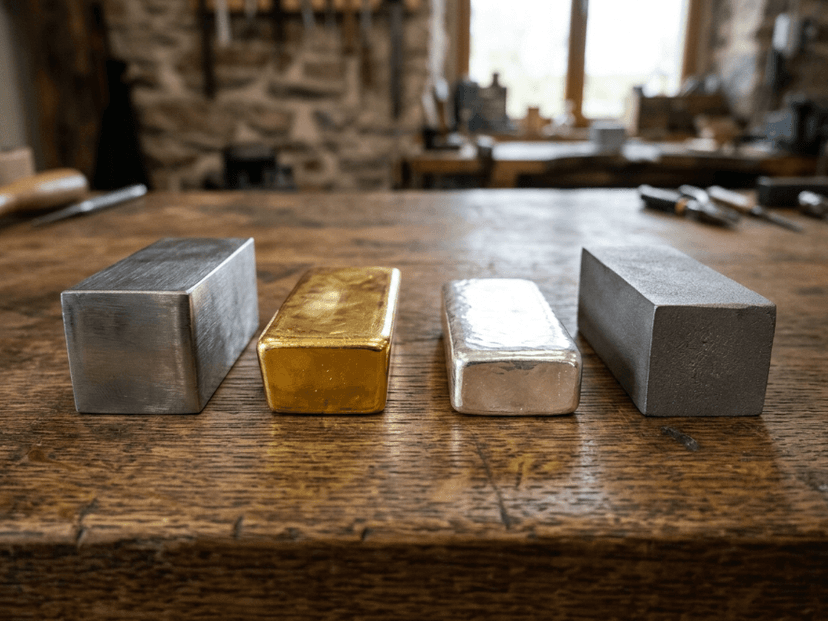
What Determines the Value of Stainless Steel Jewelry?
The price and value of stainless steel jewelry depend on many factors. Let's break each one down.
1. Steel Grade: 304 vs. 316L Stainless Steel
This is one of the most important factors. Not all stainless steel is the same.
304 stainless steel is the most common grade. It contains about 18% chromium and 8% nickel. It's durable and rust-resistant in normal conditions. However, it can be slightly less resistant to chloride (salt water, sweat, and chemicals) over time.
316L stainless steel is the premium grade. The "L" stands for low carbon. It adds molybdenum to the mix, which makes it significantly more resistant to corrosion, even in salty or acidic environments. It's also called surgical steel or marine grade steel because it's strong enough for medical implants and ocean use.
For jewelry:
- 304 stainless steel is fine for occasional wear and fashion pieces.
- 316L stainless steel is better for everyday wear, sensitive skin, and long-lasting quality.
Jewelry made from 316L stainless steel generally costs more because the raw material is slightly pricier and the grade signals higher quality to buyers.
| Key Insight |
|---|
| When shopping for stainless steel jewelry, always check if it's 316L. A brand that specifies the grade is usually more transparent about quality. |
2. Manufacturing Process and Craftsmanship
The way a piece of jewelry is made has a huge impact on its value.
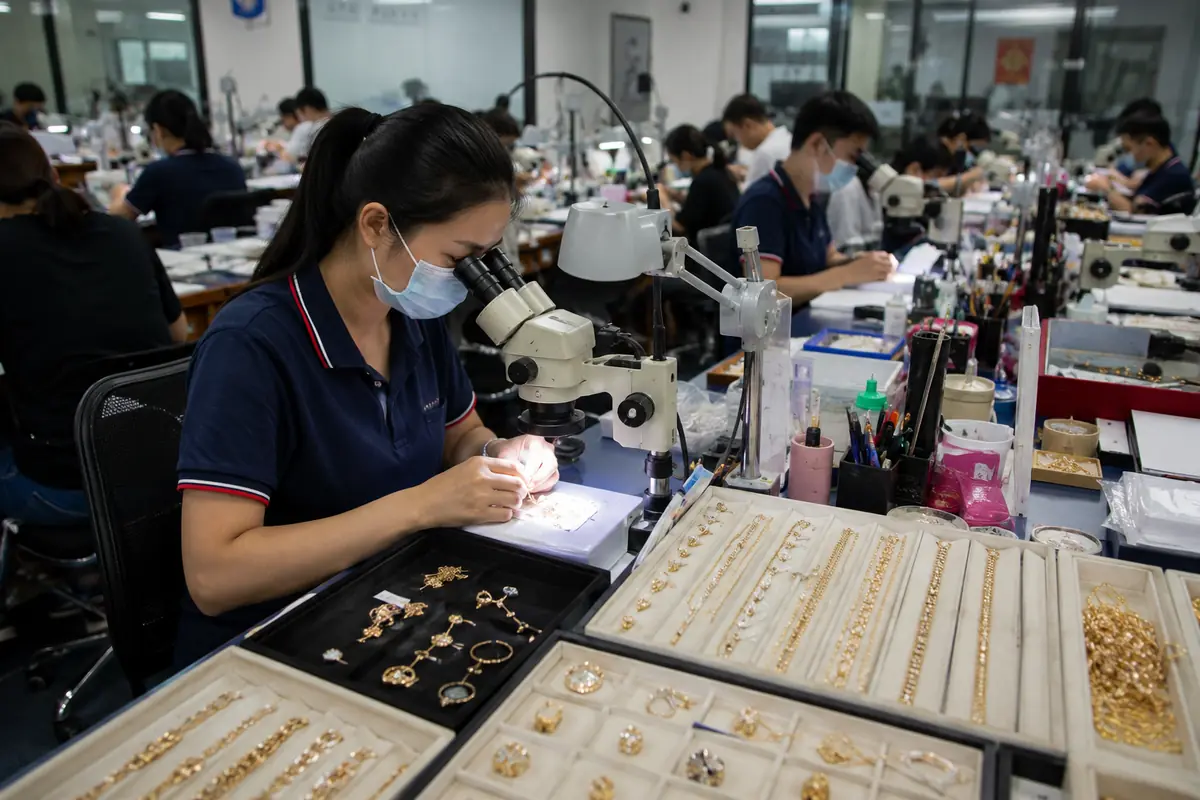
Mass-produced stainless steel jewelry made by machines with minimal finishing can cost as little as $5-$10 at wholesale. But jewelry that goes through skilled processes -- laser engraving, precision polishing, intricate casting, hand-finishing -- costs significantly more.
Manufacturing processes that add value include:
- CNC machining: Used for complex shapes and precise designs
- Lost wax casting: A traditional technique for detailed pieces
- Laser cutting and engraving: For sharp, detailed patterns
- Mirror polishing: A labor-intensive finish that makes steel look like glass
- Brushed or matte finishing: Adds a modern, premium look
A simple stainless steel ring that's stamped out and polished quickly is worth far less than one that took skilled workers several extra steps to complete. Craftsmanship = value.
3. Surface Finish and Plating
One of the biggest ways jewelry manufacturers increase the stainless steel jewelry value is through surface treatments.
Here's what's commonly used:
PVD Coating (Physical Vapor Deposition)
PVD is a high-tech coating process that bonds a thin layer of metal -- like gold, rose gold, or black titanium -- onto the stainless steel surface at a molecular level.
PVD coatings are:
- More durable than traditional electroplating
- More resistant to scratching and fading
- Better for sensitive skin (usually nickel-safe)
- Longer-lasting -- often 3-5 years or more with proper care
PVD-coated stainless steel jewelry can cost 2x-4x more than uncoated pieces because of the specialized equipment and process involved.
Gold Electroplating (IP Plating)
Ion Plating (IP) deposits a thin layer of gold or other metals onto the steel. It's less durable than PVD but more affordable. It gives jewelry a real gold appearance at a fraction of the cost.
Black Coating and Color Finishes
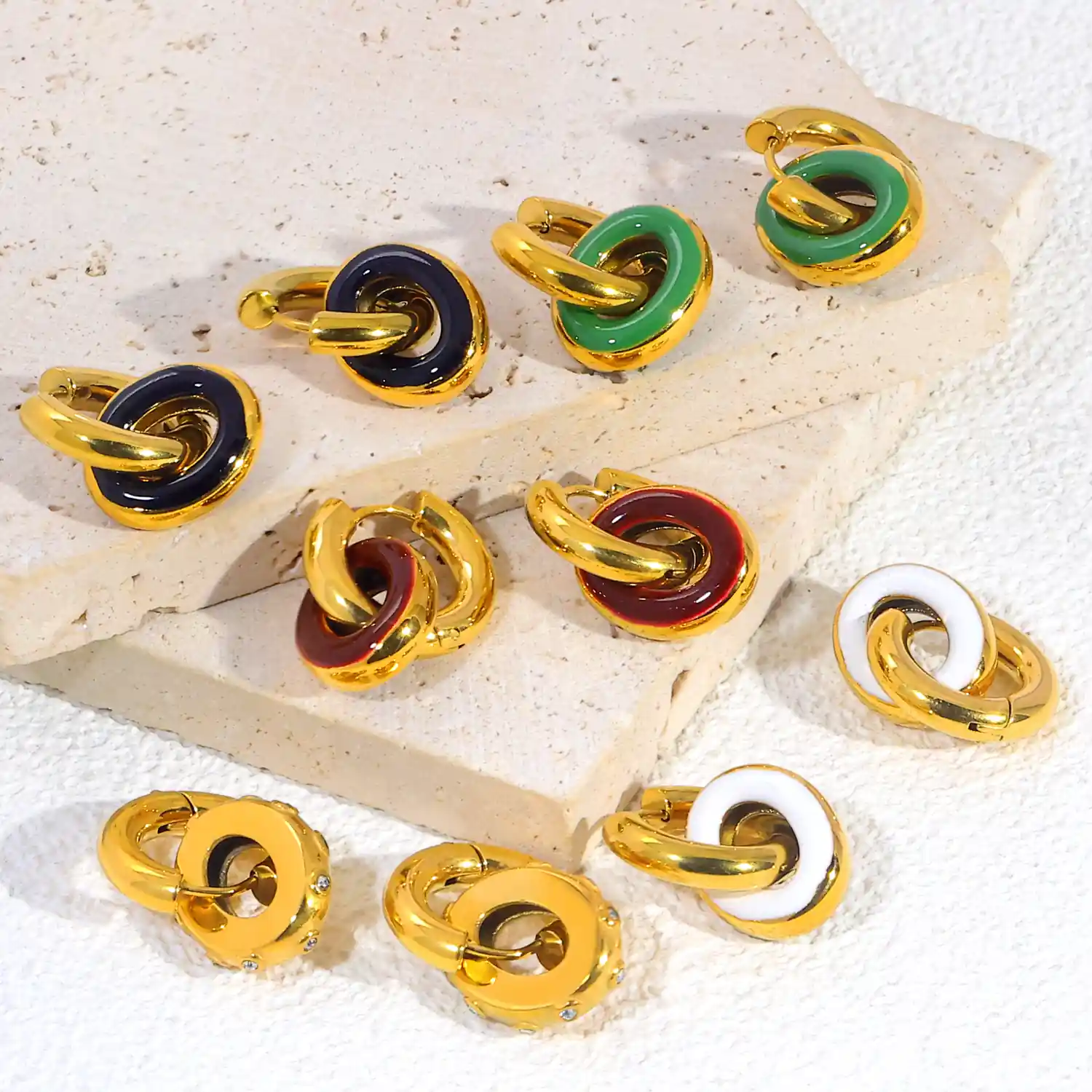
DLC (Diamond-Like Carbon) coating and colored IP plating add black, gunmetal, or multi-tone effects that are very popular in men's jewelry and fashion collections.
4. Gemstones and Embellishments
Adding gemstones -- real, lab-grown, or synthetic -- significantly increases the stainless steel jewelry price.
- Cubic Zirconia (CZ): A popular, affordable diamond alternative. CZ stones add sparkle and perceived luxury without raising costs dramatically.
- Lab-Created Diamonds: Higher-end option used in premium stainless steel settings.
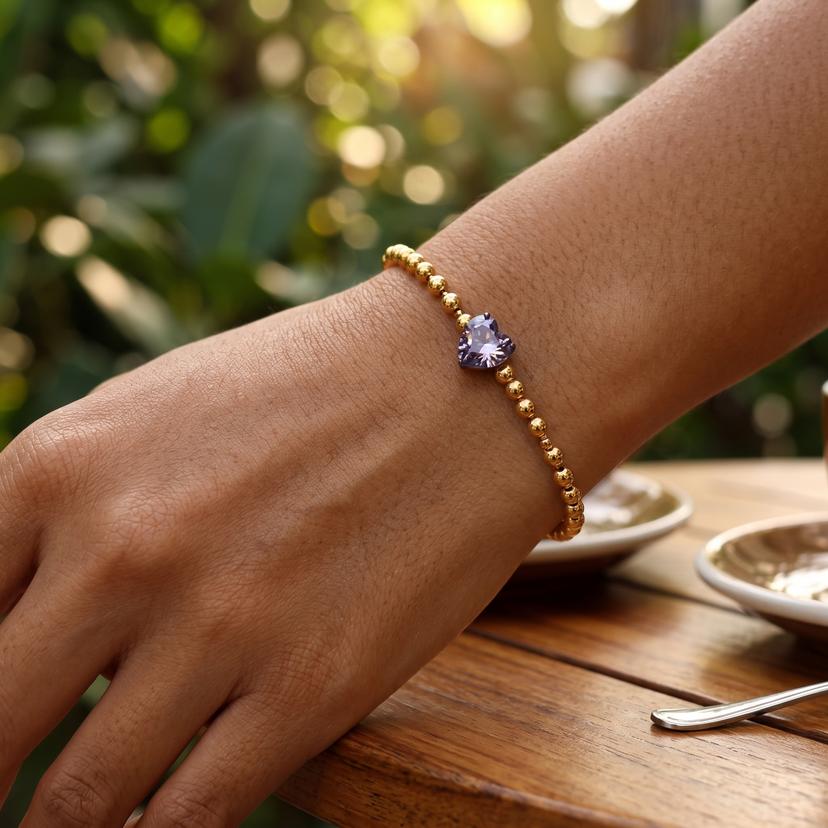
- Natural Gemstones: Amethyst, turquoise, onyx, and others can turn a $15 stainless steel ring into a $60-$100 piece.
- Swarovski Crystals: Used in fashion jewelry to elevate perceived value.
When gemstones are set in stainless steel, the total value is determined mostly by the stone quality, size, and cut -- not just the metal.
5. Brand, Design, and Packaging
Brand positioning is a powerful value driver. A plain stainless steel cuff costs $8 wholesale. Put it in a premium matte black box with a brand logo and a polished hang tag, and it retails for $50-$80.
Consumers don't just buy a product. They buy:
- Design identity (unique shapes, patterns, logos)
- Brand trust (quality assurance, customer reviews)
- Presentation (packaging, brand story)
This is why stainless steel jewelry from well-known fashion brands or designer labels can cost far more than technically similar pieces from unknown suppliers.
6. Customization and Personalization
Engraving a name, adding a birthstone, or creating a custom shape all increase the perceived and actual value of stainless steel jewelry.
Custom and personalized jewelry commands a 20%-60% premium over standard catalog pieces because:
- It requires additional labor and setup
- It creates an emotional connection for the buyer
- It's unique and can't be returned for resale
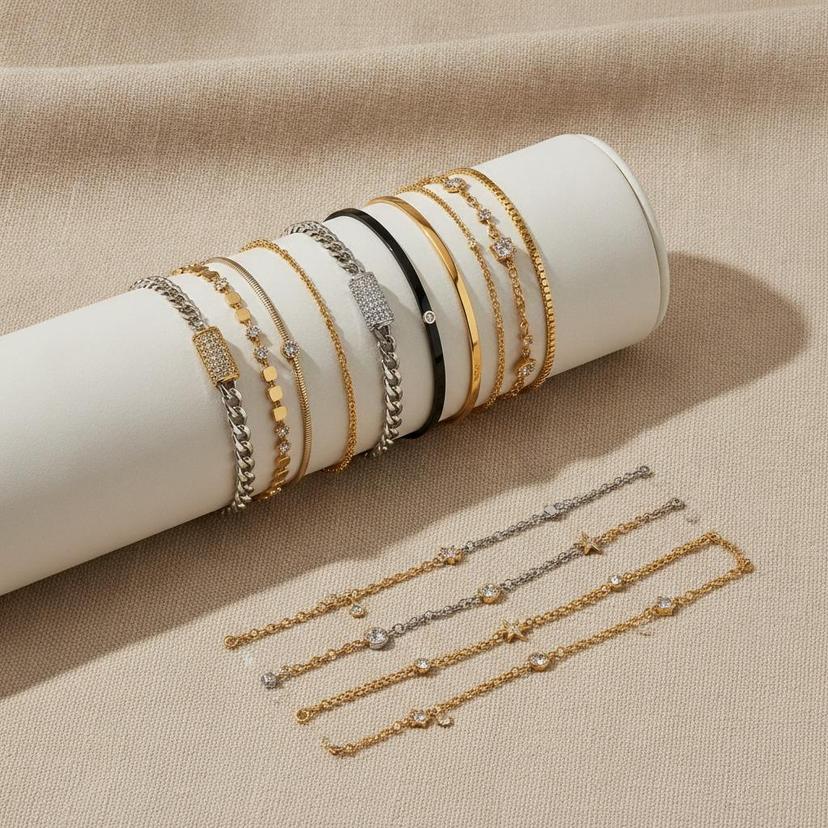
Why Does Stainless Steel Jewelry Range from $10 to $100+?
This is one of the most common questions buyers ask. The answer comes down to layers of value.
A $10 stainless steel bracelet is not the same as a $90 one. But both are made from stainless steel. The difference lies in grade, finish, coatings, gemstones, labor, and brand value.
| Price Range | What You're Getting |
|---|---|
| $5-$15 | Basic 304 steel, machine-stamped, minimal finish, no coating |
| $15-$35 | Better grade, basic polish, simple IP or gold plating |
| $35-$75 | 316L steel, PVD coating, CZ stones, premium finish |
| $75-$150+ | 316L, PVD/DLC coating, real gems, laser engraving, premium packaging |
| $150-$300+ | Designer branding, natural stones, custom work, luxury packaging |
Is Stainless Steel Jewelry Valuable for Everyday Use?
Yes -- and this is where stainless steel wins big.
The real value of stainless steel jewelry is not in its material price. It's in its practical value for the wearer.
Here's what makes stainless steel jewelry a smart everyday choice:
- Does not tarnish: Unlike silver, stainless steel stays shiny with minimal care.
- Rust-resistant: You can wear it in the shower, at the gym, and at the beach.
- Hypoallergenic options: 316L stainless steel is unlikely to cause skin reactions, making it ideal for people with metal sensitivities (especially when nickel-free certified).
- Extremely durable: It won't bend, chip, or break easily with normal wear.
- Scratch-resistant surface: Especially with PVD or DLC coatings.
Long-term practical value > short-term material value.
Gold jewelry might be worth more if you melt it down. But stainless steel jewelry holds its appearance and wearability far longer than many alternatives at a similar price point.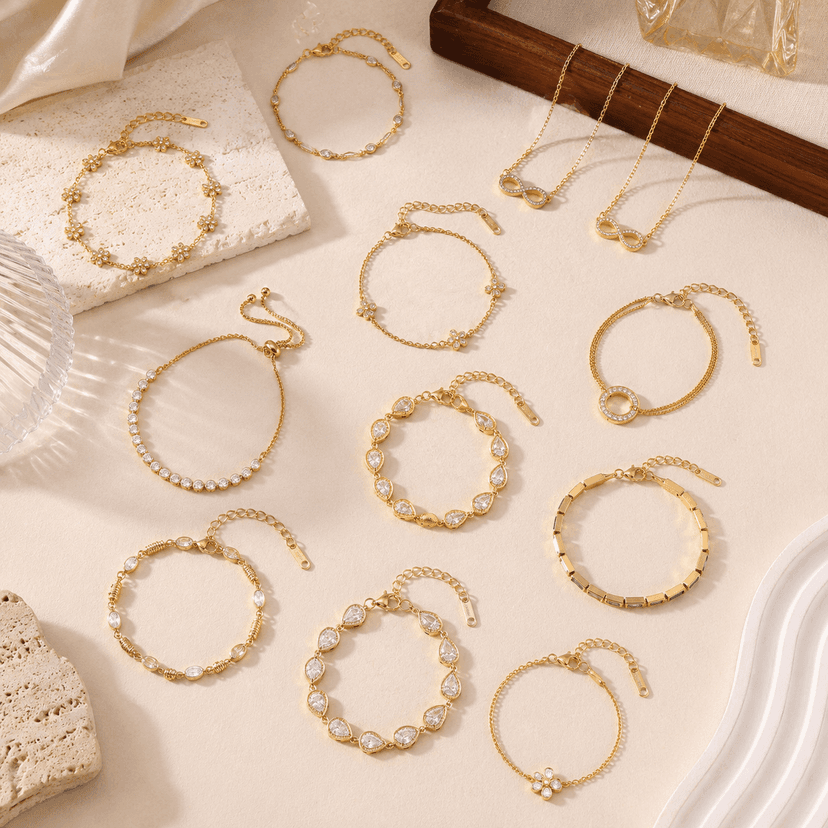
Does Stainless Steel Jewelry Have Resale Value?
Here's an honest answer: not much, in terms of material resale value.
Unlike gold or silver, stainless steel is not a precious metal. Pawn shops and jewelry buyback programs won't offer you anything for raw stainless steel content. You simply cannot sell it for its metal weight the way you can with gold rings.
However, stainless steel jewelry can have secondary market value in these situations:
- Designer pieces: Limited-edition or designer stainless steel jewelry (think high-end fashion brands) can sell for close to or above retail on platforms like eBay, Depop, or Poshmark.
- Collector's items: Branded or artist-made stainless steel pieces can be collectible.
- Personalized or custom work: Engraved or bespoke pieces may sell if the buyer connects with the design.
So, stainless steel jewelry resale value is driven by brand and design -- not the metal itself.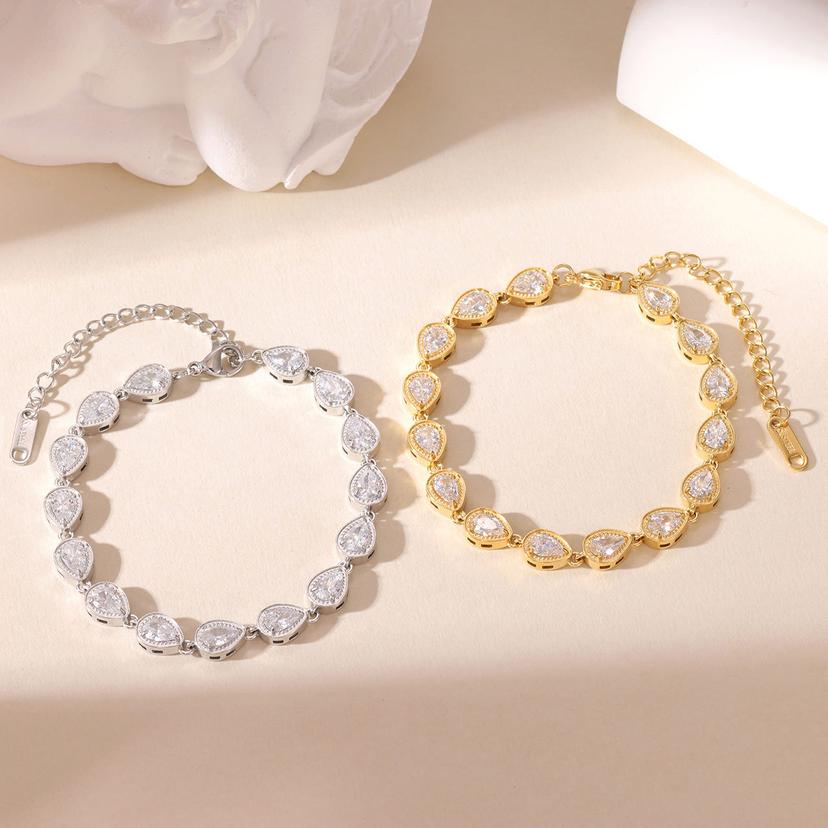
Stainless Steel vs. Gold vs. Silver: A Value Comparison
Let's clear up the comparison once and for all.
| Factor | Stainless Steel | Sterling Silver | Gold (14K) |
|---|---|---|---|
| Material Value | Very Low | Moderate | Very High |
| Tarnish Resistance | Excellent | Poor | Excellent |
| Durability | Excellent | Moderate | Good |
| Hypoallergenic | Yes (316L) | Sometimes | Sometimes |
| Resale Value | Very Low | Low-Moderate | High |
| Daily Wear Suitability | Excellent | Moderate | Good |
| Price Range | $10-$300+ | $20-$500+ | $100-$5,000+ |
If you want a piece of jewelry that holds financial value over decades, gold is the right choice. If you want jewelry that looks great, lasts long, and won't break the bank, stainless steel delivers excellent practical value.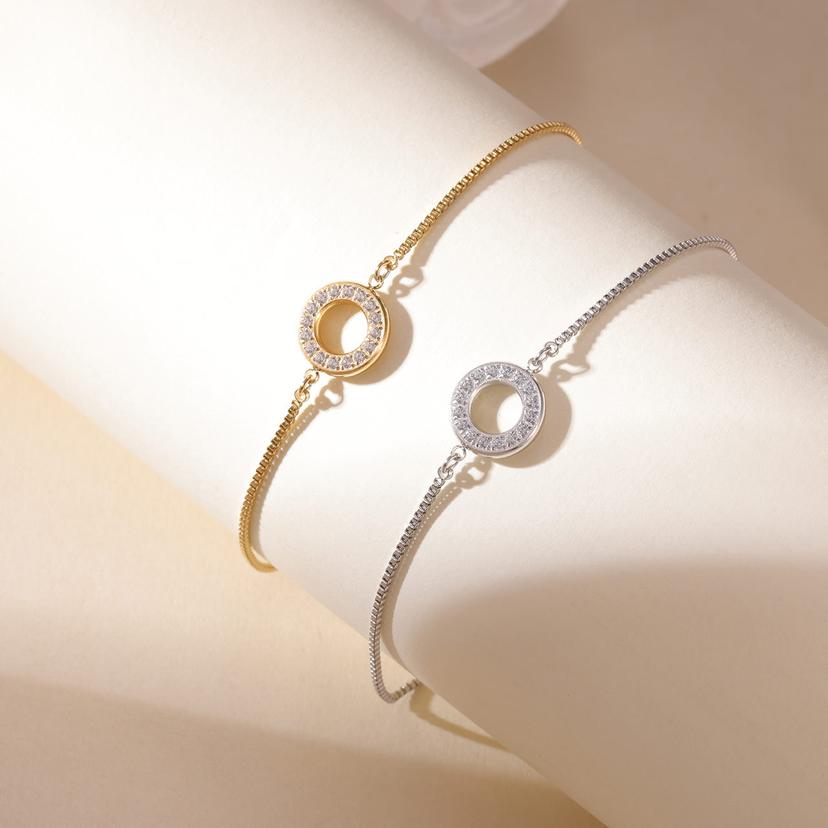
Can Affordable Stainless Steel Jewelry Still Be High Quality?
Absolutely. And this is one of the most important points that buyers and jewelry brands need to understand.
Price and quality are not the same thing.
A $30 ring made from 316L stainless steel with a PVD gold coating can outperform a $60 silver ring in durability, tarnish resistance, and long-term appearance.
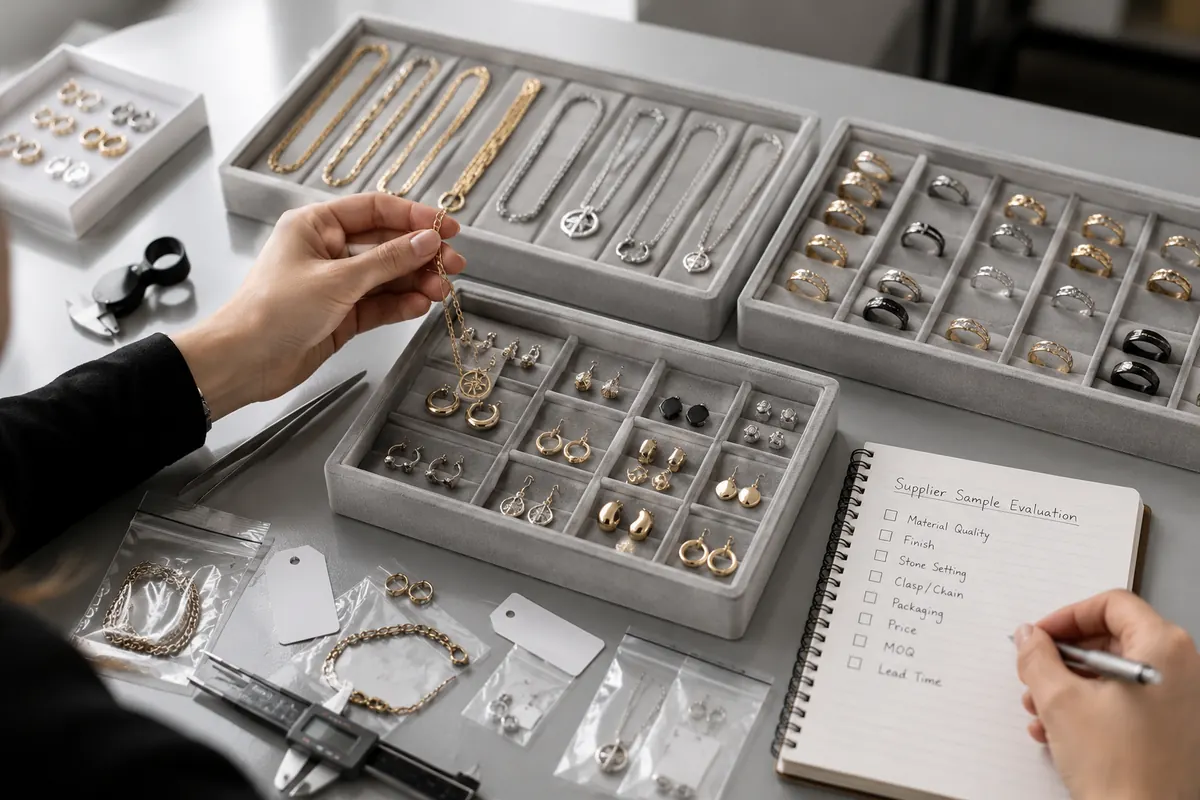
The key factors that define quality in stainless steel jewelry are:
- Steel grade (316L > 304)
- Coating durability (PVD > IP plating > no coating)
- Manufacturing precision (tight tolerances, smooth edges, secure stone settings)
- Surface finish quality (consistent polish, no rough spots)
- Hypoallergenic certification (especially for earrings and body jewelry)
When a manufacturer is transparent about these details, you can buy affordable stainless steel jewelry with confidence. A quality $25 piece is worth far more in practical terms than a low-quality $100 piece that fades in two months.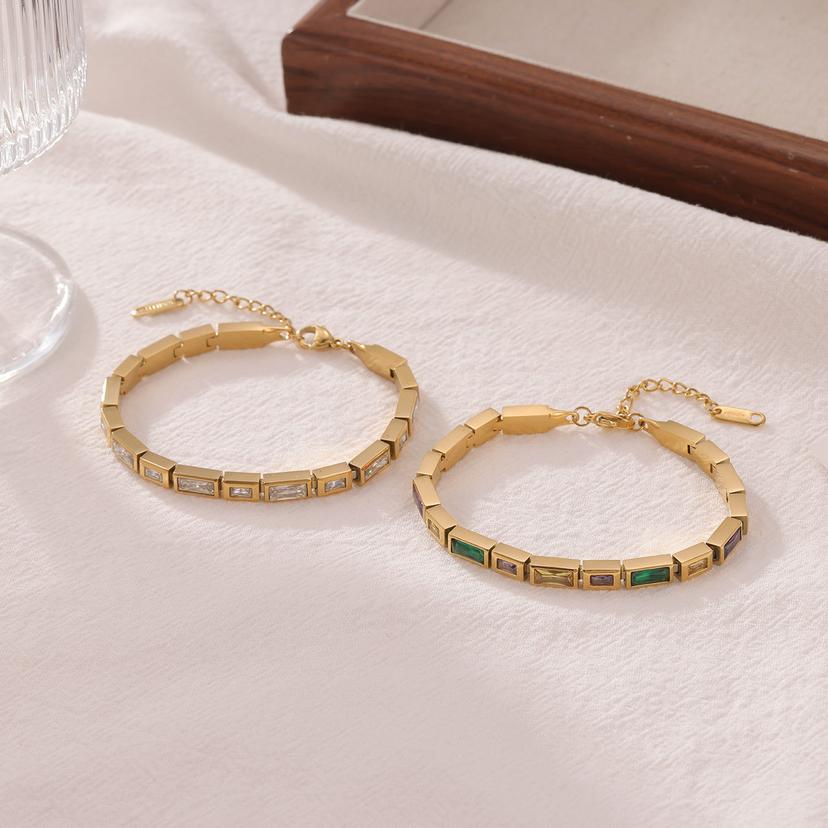
Why Do Jewelry Brands Choose Stainless Steel for Profitable Product Lines?
This is a perspective that consumers rarely hear about -- but it's important for understanding the market.
Stainless steel is a smart business choice for jewelry brands, and here's why:
- Low raw material cost -> high profit margins
- Easy to work with -> wide range of manufacturing options
- Consistent quality -> fewer defects and returns
- Fast production -> large orders fulfilled quickly
- Wide design flexibility -> PVD, plating, gemstones, engraving all compatible
- Strong consumer demand -> driven by fashion, gifting, and everyday wear trends
A brand can buy stainless steel jewelry at $10-$20 wholesale, brand it, package it well, and sell it at $60-$120 retail. That's a 3x-6x markup -- much better than gold jewelry, which has higher material costs eating into margins.
This is why so many fashion brands, lifestyle brands, and e-commerce jewelry startups build their product lines around stainless steel. It's a high-value business decision backed by real consumer demand.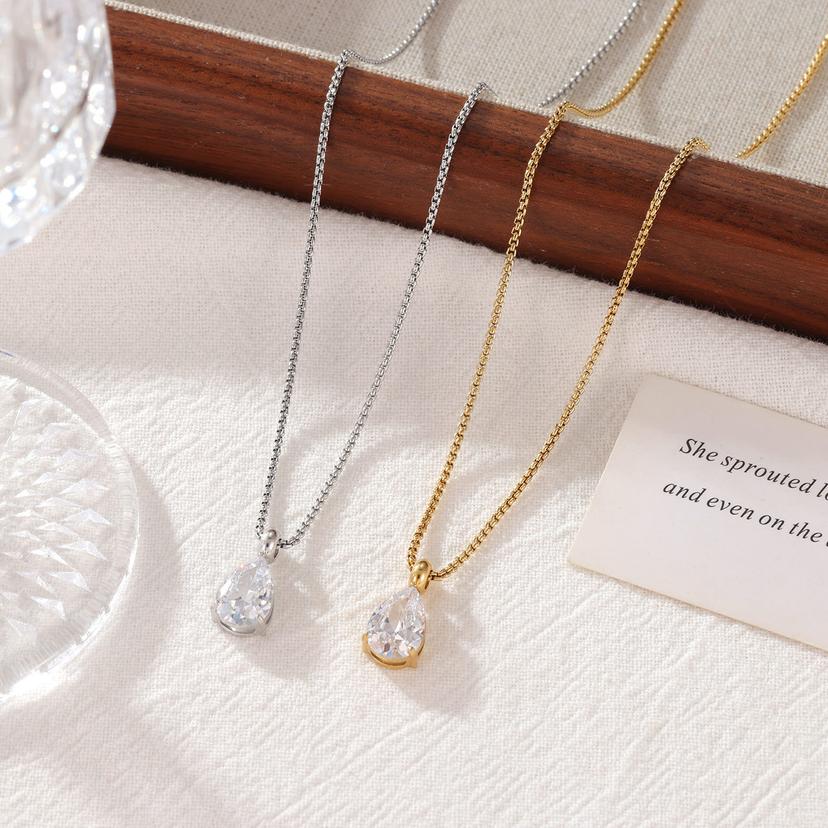
How to Tell If Stainless Steel Jewelry Is Worth the Price
Before you buy, ask these questions:
- What grade of steel is it? Look for 316L or surgical steel labeling.
- What surface finish or coating is used? PVD and DLC are longer-lasting than basic plating.
- Is it hypoallergenic? Important for earrings, nose rings, and sensitive skin.
- Who made it? A reputable brand or manufacturer with quality guarantees.
- What's the return policy? Reflects how confident the seller is in the product.
If a seller can answer all five questions clearly, the price is likely fair for what you're getting.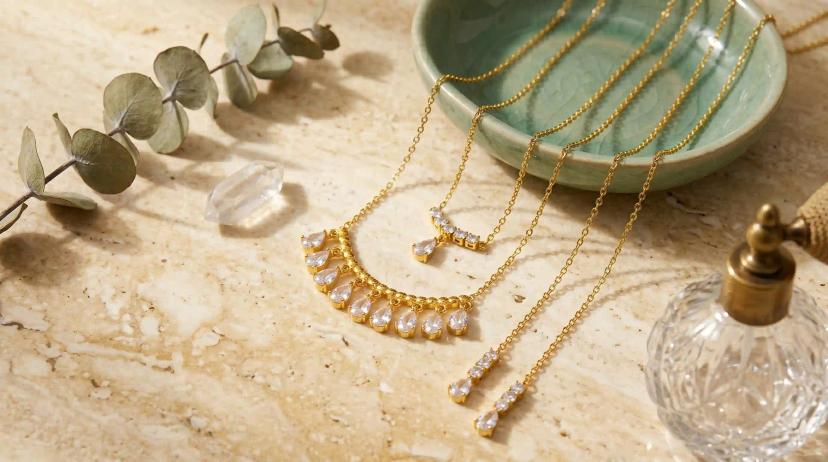
Conclusion
Stainless steel jewelry is worth far more than its low material cost suggests. Its true value lies in craftsmanship, durability, coating technology, design, and the long-term satisfaction it gives the wearer. Whether you're spending $15 or $150, understanding the factors that drive stainless steel jewelry value helps you make smarter choices.
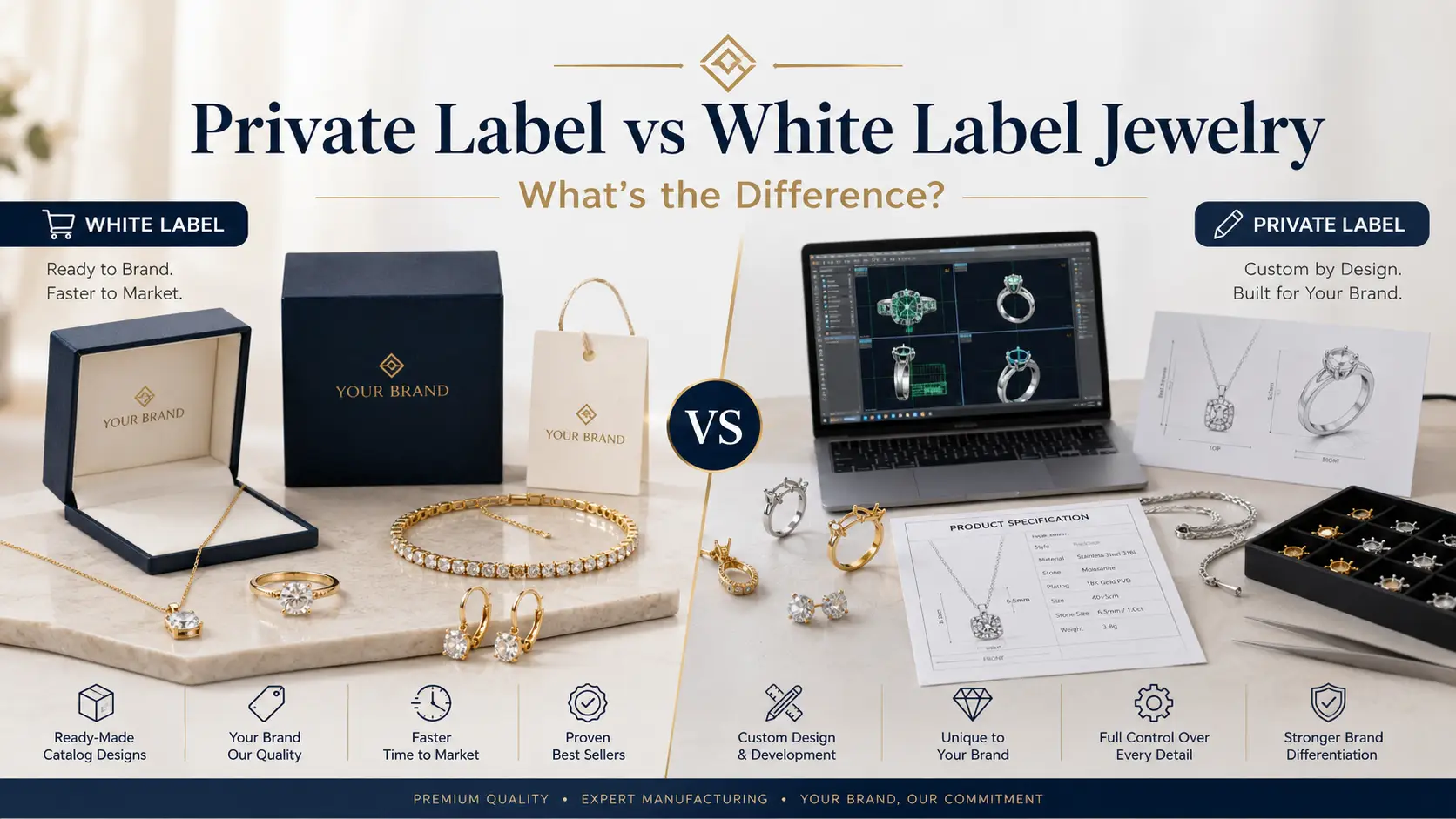
For jewelry brands looking to build high-quality, profitable stainless steel collections, Jewins is a trusted partner. Jewins is a professional stainless steel jewelry manufacturer offering OEM, ODM, and private label jewelry solutions for global brands. From 316L steel sourcing to PVD coating and custom packaging, Jewins delivers the manufacturing excellence that turns raw steel into premium-value jewelry.
Frequently Asked Questions
Is stainless steel jewelry worth anything?
Yes, stainless steel jewelry has real value -- just not in the form of precious metal worth. Its value comes from durability, design, craftsmanship, and finish. A well-made piece of stainless steel jewelry can last for years and look great the entire time, making it excellent value for money compared to other metals in the same price range.
Does stainless steel jewelry have resale value?
Not in terms of raw metal value. Unlike gold or silver, stainless steel is not a precious metal and cannot be sold by weight at pawn shops or buyback services. However, branded, limited-edition, or designer stainless steel jewelry can have resale value on secondhand platforms like eBay or Depop. The resale value is driven by the brand and design, not the metal itself.
Is stainless steel jewelry cheaper than silver?
Generally, yes. Stainless steel jewelry is usually less expensive than sterling silver jewelry because the raw material costs much less. A stainless steel ring might cost $10-$30, while a comparable sterling silver ring might cost $25-$60. However, high-end stainless steel pieces with PVD coating, gemstones, and premium craftsmanship can match or even exceed the price of simple silver pieces.
Why is 316L stainless steel jewelry more valuable?
316L stainless steel contains molybdenum, which makes it significantly more resistant to corrosion, rust, and chemical exposure than standard 304 steel. It's also known as surgical steel because it meets the standards for medical implants. Jewelry made from 316L is better suited for sensitive skin, everyday wear, and long-term use -- which is why it commands a higher price and is considered the premium choice for quality stainless steel jewelry.
How long does stainless steel jewelry last?
With normal care, stainless steel jewelry can last 10-30 years or longer. It doesn't rust, tarnish, or corrode easily. Pieces with PVD coating can maintain their color and finish for 3-5 years or more even with daily wear. This longevity makes stainless steel one of the most durable materials used in fashion jewelry, especially compared to brass or zinc alloy alternatives that may tarnish within months.
Is expensive stainless steel jewelry better quality?
Not always -- but often, yes. Higher-priced stainless steel jewelry usually reflects better steel grade (316L), more advanced coatings (PVD or DLC), higher-quality gemstones, better surface finishing, and more careful manufacturing. However, price alone is not a guarantee of quality. Always look for specific details: steel grade, coating type, craftsmanship, and brand reputation. A $40 piece from a quality manufacturer can outperform a $90 piece from a low-quality source.
Can brands customize valuable stainless steel jewelry?
Absolutely. Stainless steel is one of the most versatile metals for custom jewelry manufacturing. Brands can customize the shape, finish, coating color, engraving, stone setting, and packaging. PVD coating allows for gold, rose gold, black, and two-tone effects that look premium. Custom stainless steel jewelry commands higher prices because it offers uniqueness, emotional value, and brand identity -- all of which significantly increase perceived and actual worth.
Create Higher-Value Stainless Steel Jewelry
Ready to create stainless steel jewelry with stronger value, better finishes, and profitable brand positioning? Contact Us to discuss OEM, ODM, private label, 316L stainless steel, PVD coating, custom design, and packaging options.
Contact Us