

0.01–0.03 μm
Adhesion Layer · Ti / Cr
A thin titanium or chromium adhesion layer helps the coating bond securely to the stainless steel substrate.
Fashion & stainless steel Jewelry Manufacturers in China | Custom OEM/ODM Factory for Global Brands – JEWINS
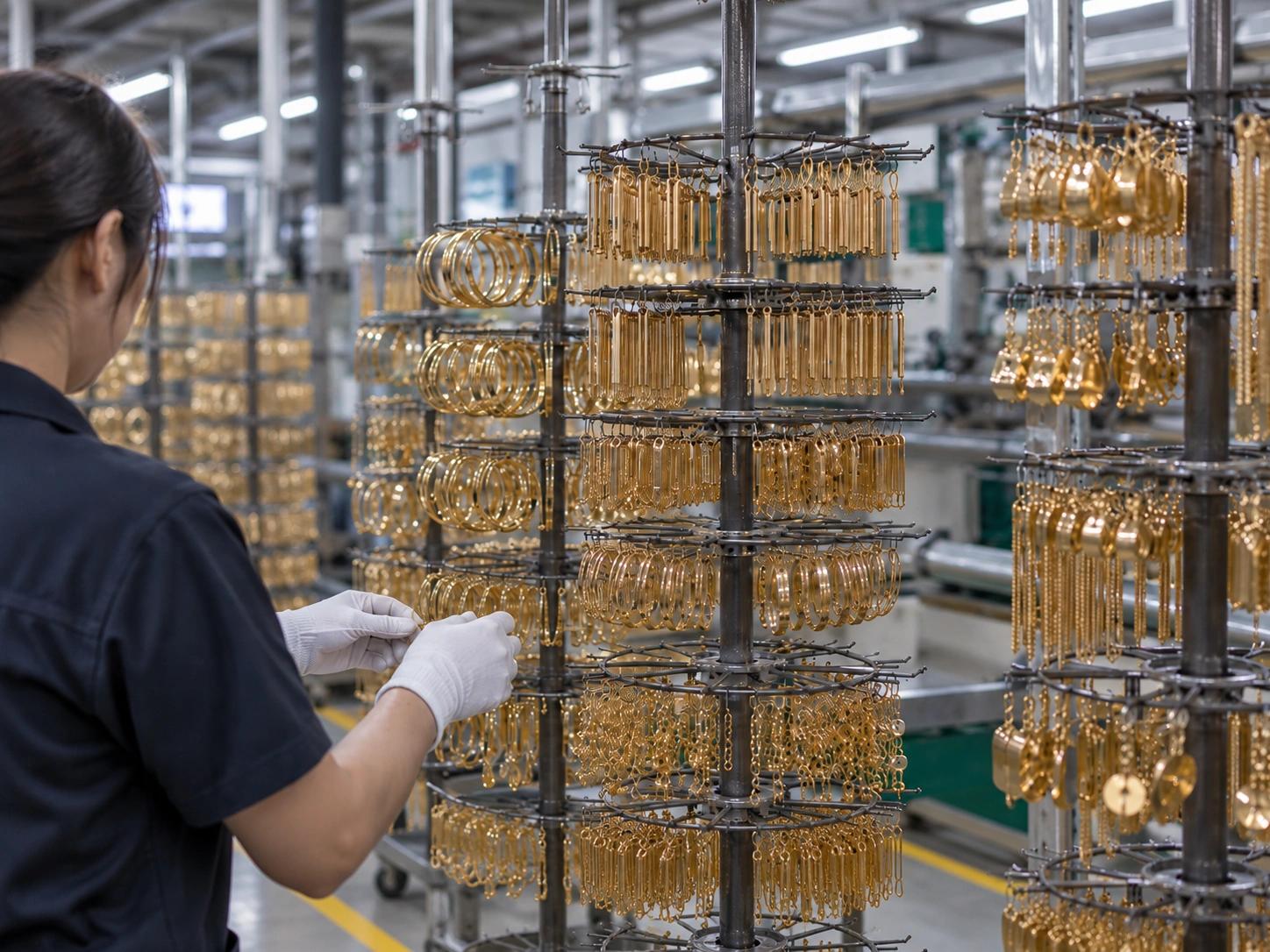
Jewins provides PVD coating solutions for stainless steel jewelry brands, helping achieve consistent gold tones, improved wear resistance, and repeatable quality from approved samples to bulk production.
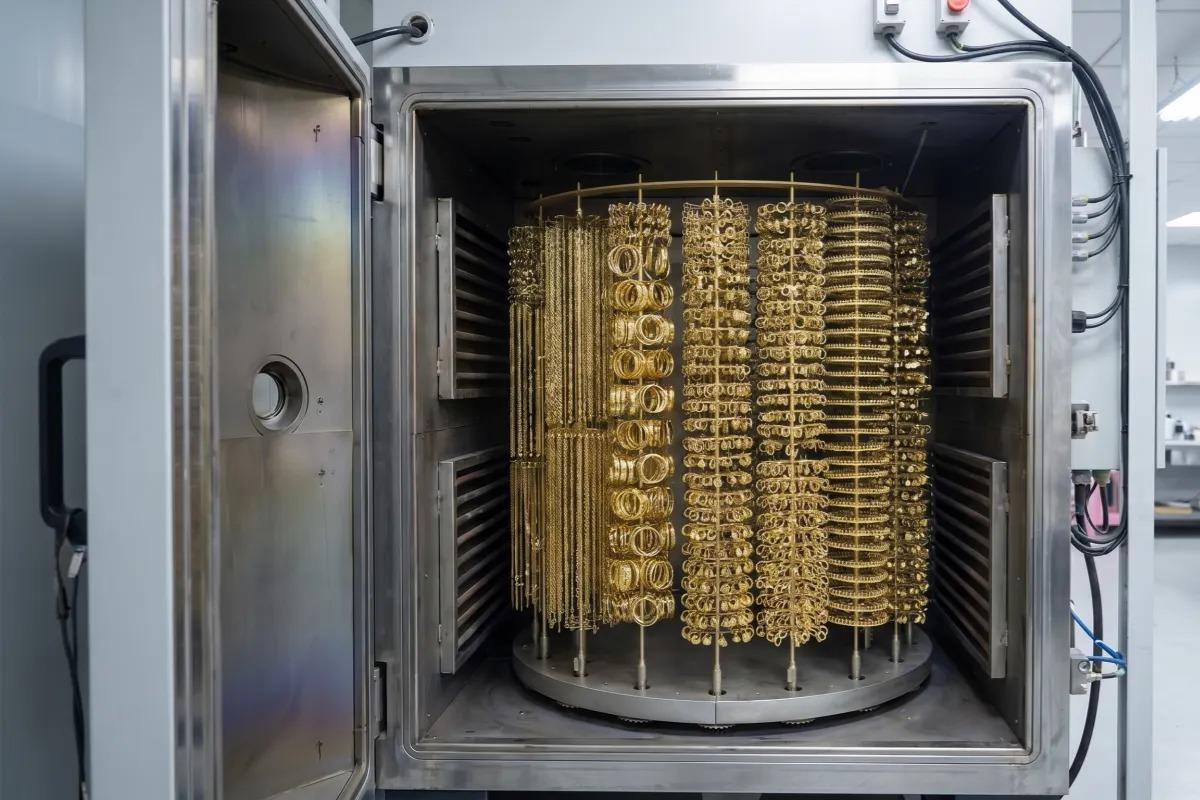
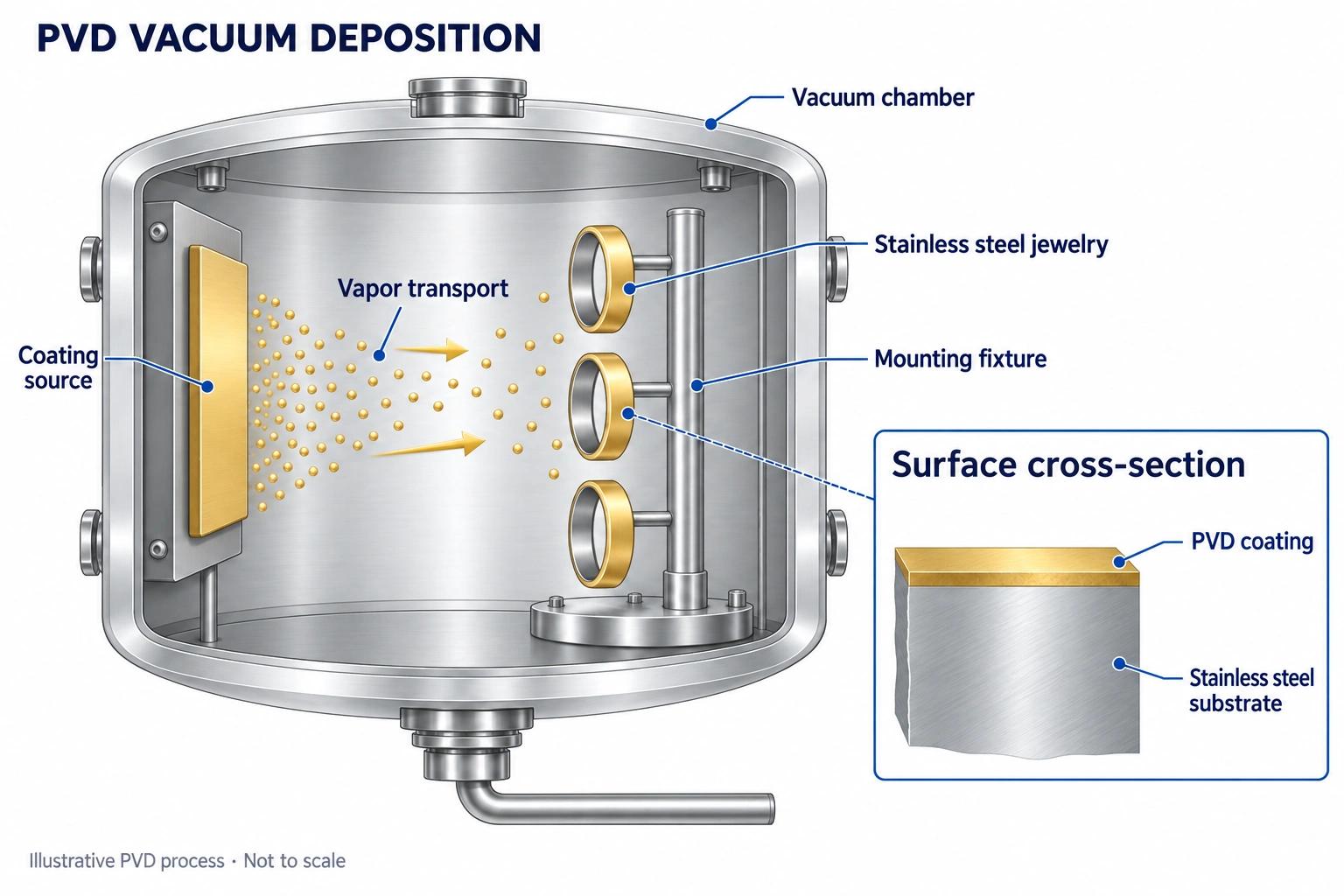
Physical Vapor Deposition (PVD) is a vacuum coating process used to create durable decorative finishes on stainless steel jewelry. Inside a controlled chamber, coating materials are vaporized and deposited as thin functional layers over a carefully prepared surface. For PVD coated stainless steel jewelry, surface preparation, layer structure, vacuum parameters, color control, and inspection work together to influence wear resistance and repeat production quality.
0.01–0.03 μm
A thin titanium or chromium adhesion layer helps the coating bond securely to the stainless steel substrate.
0.15–0.35 μm
A hard functional layer supports wear resistance and provides the base tone for gold, rose gold, or darker finishes.
0.02–0.05 μm
A thin gold-containing top layer fine-tunes the final shade and appearance. Exact thickness depends on the approved specification.

Align samples, bulk orders, and repeat batches with the approved color reference.

Better surface performance for rings, bracelets, chains, and other frequently worn products.

Helps protect stainless steel from moisture, sweat, and common daily environments.

Defined coating specifications and batch controls support repeatable production quality.

A more stable finish can reduce visible color variation and avoidable after-sales complaints.
01
316L stainless steel provide a stable base for polishing and PVD coating. Select the grade for the product and market.
02
PVD is commonly used for rings, bracelets, chains, pendants, earrings, and other products designed for frequent wear.
03
Approved color samples, recorded process parameters, and batch inspection help maintain a consistent appearance across production runs.
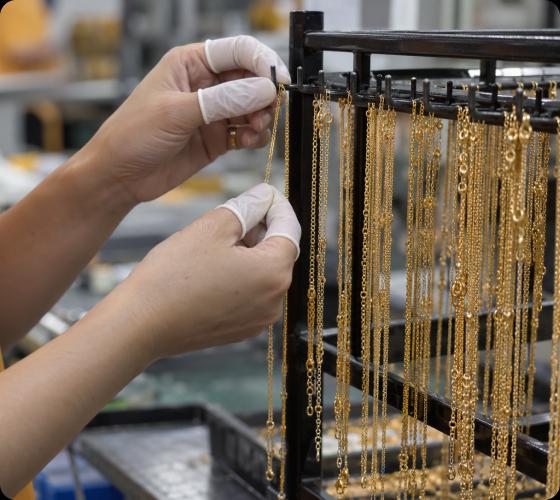
Choose the finish, coating specification, and approval method according to product positioning, expected use, and budget.






Thickness figures are reference ranges. Color names describe appearance; the approved sample and project specification remain the production standard.
0.1–0.5 μm
A common reference range for jewelry PVD systems. Confirm the final specification for each product and color.
PROJECT-BASED
Define layers by color, product type, wear, and budget.
3 METHODS
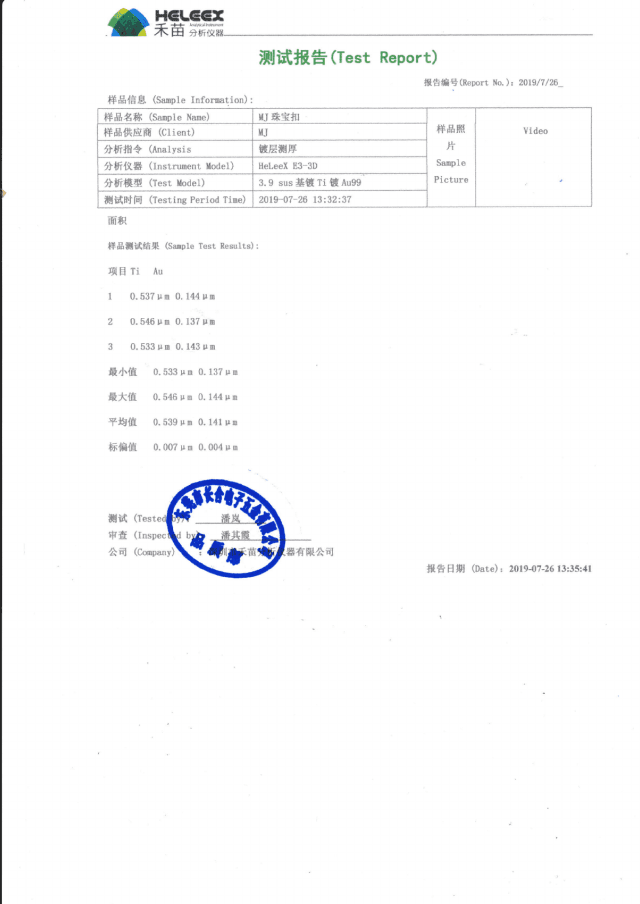
Calotest, XRF, or cross-section analysis may be selected according to the layer structure and measurement requirement.
Sample-Led
Approve a physical sample under consistent lighting before bulk production. Keep the reference for repeat orders.
Fit for Use
Balance coating structure, thickness, product geometry, expected wear, and target cost instead of selecting thickness alone.
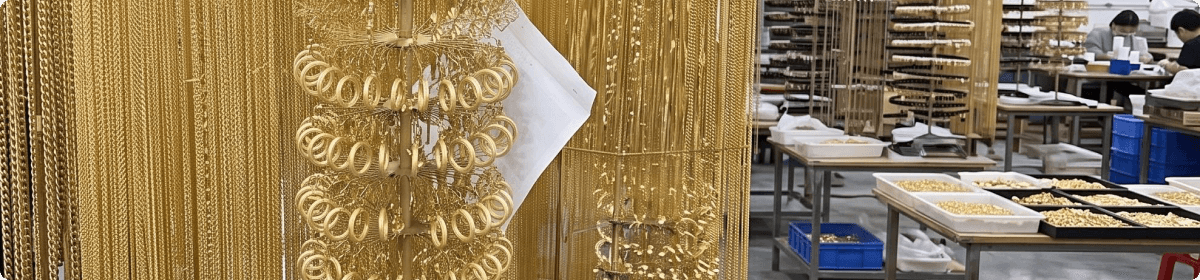
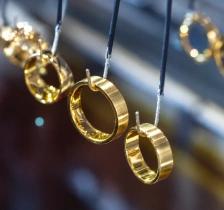
STEP 01
Inspect and prepare the stainless steel surface for an even, reliable coating.
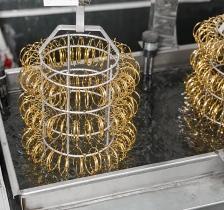
STEP 02
Polish and ultrasonically clean each piece to remove oils, wax, and surface residues.
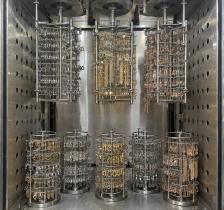
STEP 03
Deposit the functional and color layers inside a controlled vacuum chamber.
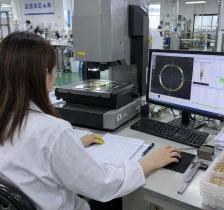
STEP 04
Compare finished batches with the approved color sample and process standard.
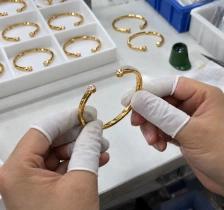
STEP 05
Inspect coating coverage, surface defects, and overall appearance before packing.
Our checks focus on measurable specifications and visible finish consistency. Test methods and acceptance criteria are confirmed for each product and project.

BATCH DATA
Measure against the approved target and record the result for each batch.

4B → 5B
Use an agreed adhesion test and acceptance level to evaluate coating bond performance.

2 SAMPLES
Retain an approved master sample and a working sample for comparison under consistent lighting.

48 HOURS
Artificial-sweat testing can be arranged when required under agreed test conditions and acceptance criteria.

50–100
For clasps or moving parts, use project-defined cycle checks together with batch appearance inspection.
Testing follows the agreed product and project plan. Methods, sample quantities and acceptance criteria vary by item.
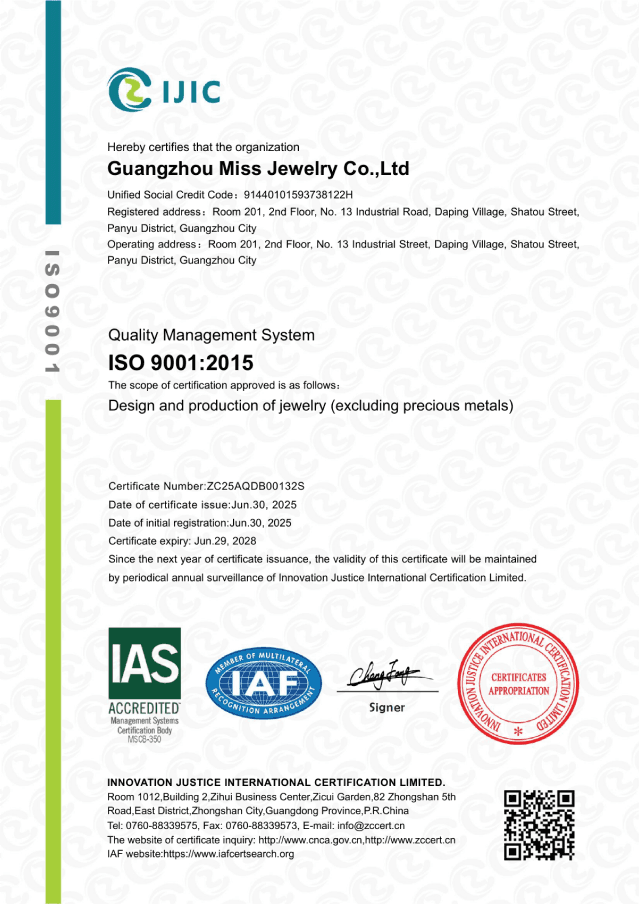
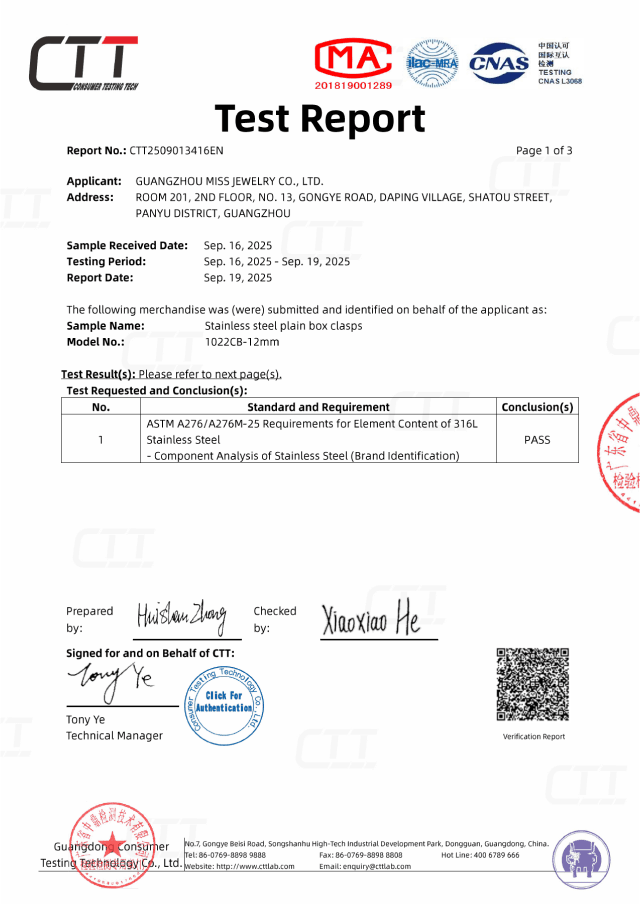
Quality Documentation
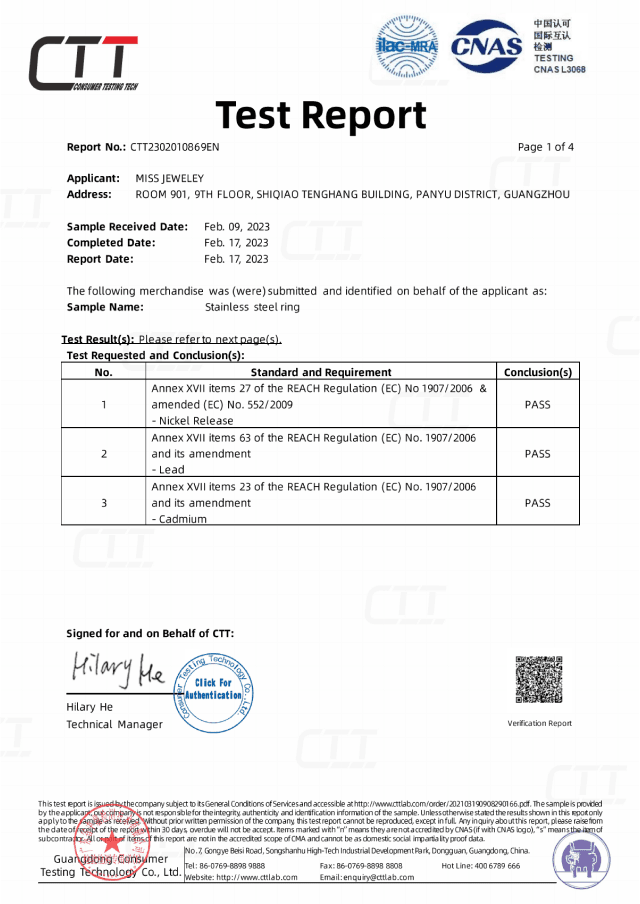
Relevant certificates and test reports can be provided according to the product and project requirements.
Reports apply only to the tested samples and stated test scope.
PVD jewelry is finished through Physical Vapor Deposition, a vacuum process that deposits thin functional and decorative layers on metal.
Yes. Stainless steel is a strong base, while PVD can improve wear and corrosion resistance. Durability depends on use and care.
Common options include 14K gold, 18K gold, rose gold, gunmetal or black, silver tone, and project-based custom shades.
Yes. Thickness and layer structure can be adjusted for target color, expected wear, product geometry, and budget.
Yes. We support OEM/ODM and PVD coated jewelry wholesale projects for brands, from sampling through bulk production.
Confirm the approved color sample, steel grade, coating specification, quantity, testing, packaging, delivery schedule, and color tolerance.

Tell us your target color, stainless steel grade, product type, order quantity, coating specification, and testing requirements. We can help evaluate a suitable PVD jewelry solution for sampling and bulk production.