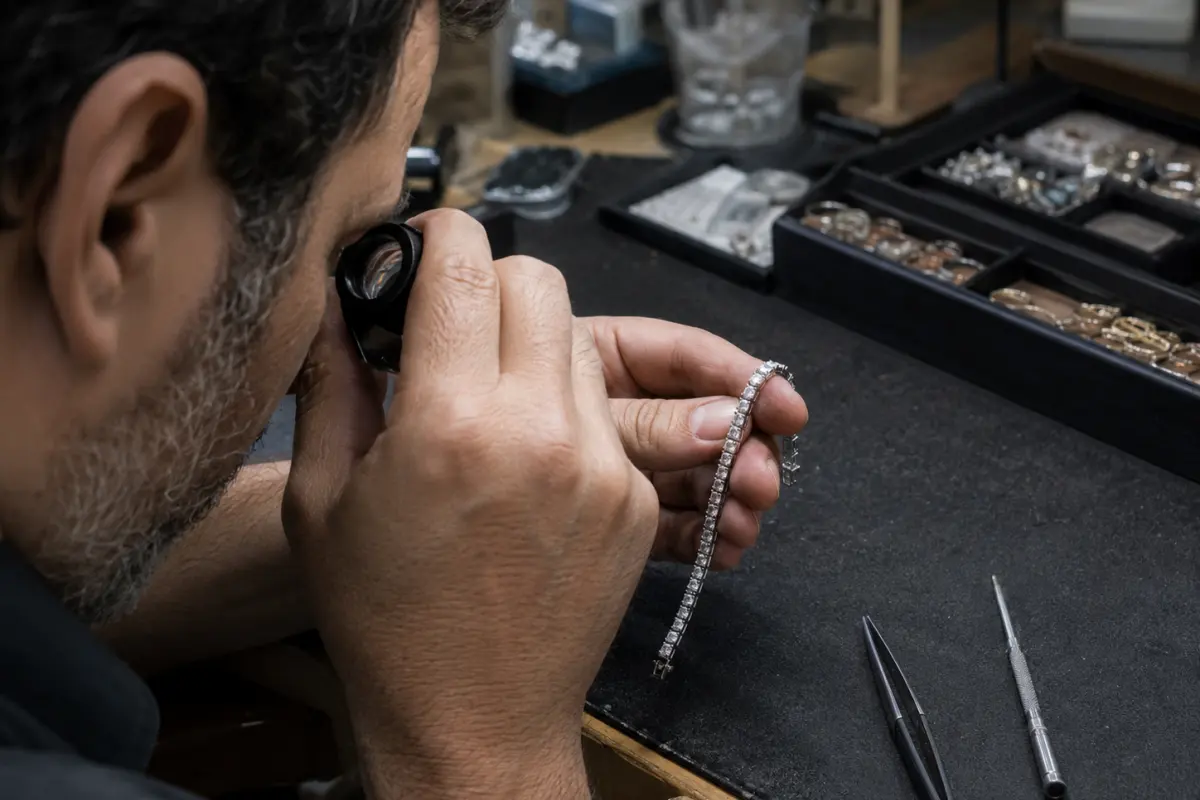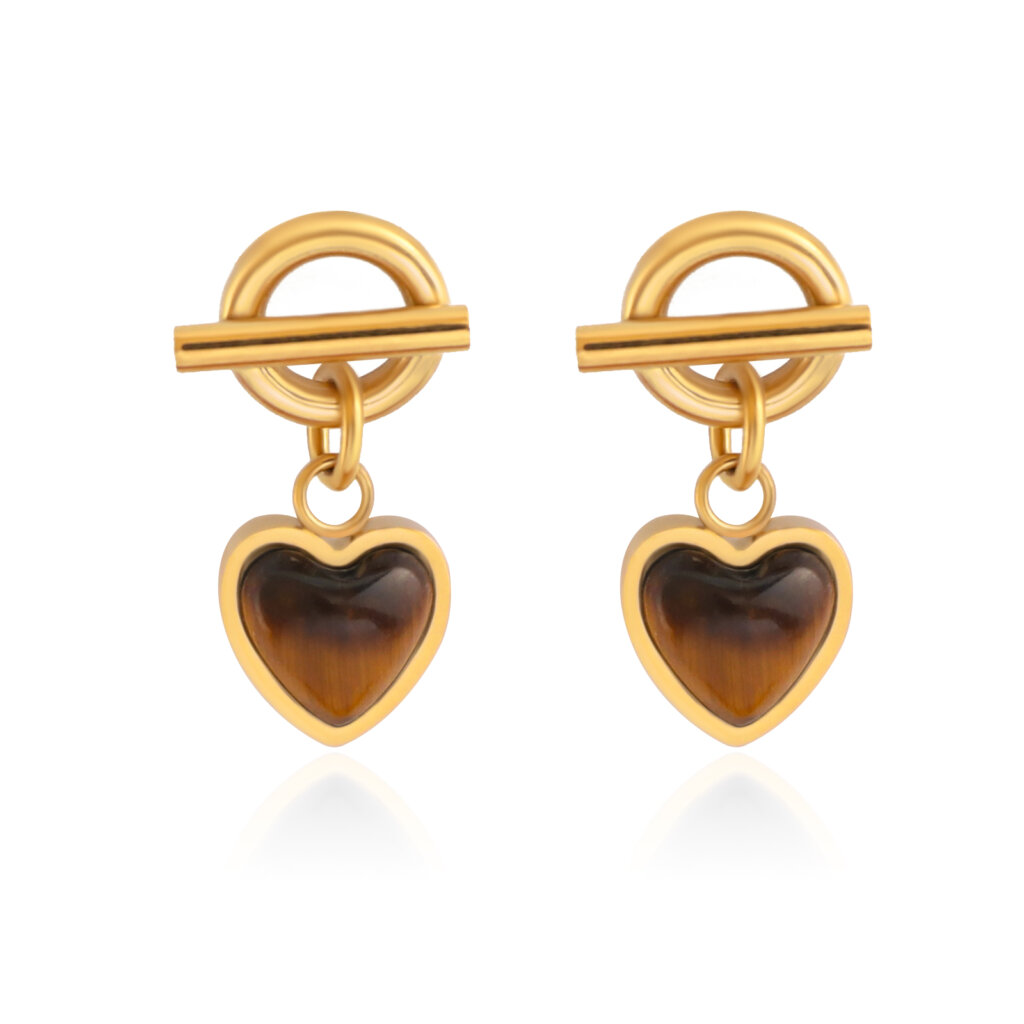

316L stainless steel is better than 304 for most jewelry that touches skin because it offers stronger corrosion resistance, lower nickel release, and better long-term durability. 304 stainless steel can work for fashion accessories or items with limited skin contact, but 316L is the safer professional choice for earrings, rings, bracelets, piercings, and hypoallergenic jewelry lines.
Key Takeaways
316L is presented as the better grade for skin-contact jewelry because it contains molybdenum, which improves corrosion resistance and lowers nickel release.
304 stainless steel is acceptable for some fashion accessories and non-skin-contact items, but it is not ideal for earrings, piercings, daily-wear rings, or hypoallergenic jewelry.
316L costs slightly more than 304, but the article says the added cost is small compared with the benefits in durability, safety, and compliance.
Buyers cannot reliably identify 316L or 304 by appearance; labels, certificates, XRF testing, spectrometry, or nickel release testing are needed.
Jewelry brands should treat material grade as a safety, compliance, product quality, and brand reputation decision.
When buying stainless steel jewelry, the grade of steel matters more than most people think. The two most common grades used in jewelry are 316L and 304. Both look the same and feel similar — but they are not equal. 316L stainless steel has more corrosion resistance, lower nickel release, and better skin safety than 304. That is why most professional jewelry manufacturers prefer 316L for earrings, rings, and skin-contact pieces. In this guide, we break down every important difference so you can make a smarter buying or sourcing decision.
What Is Stainless Steel Jewelry?
Stainless steel jewelry is made from a type of metal alloy that resists rust, tarnish, and corrosion. It contains iron, carbon, and at least 10.5% chromium. That chromium creates a thin, invisible layer on the surface that protects the metal from damage.
Stainless steel has become very popular in the jewelry industry because it is:
- Affordable — much cheaper than gold or platinum
- Durable — it does not scratch or dent easily
- Low-maintenance — it does not tarnish or require frequent polishing
- Versatile — it can be shaped into rings, necklaces, bracelets, earrings, and more
However, not all stainless steel is the same. Different grades have different chemical makeups — and that changes how safe and how durable the jewelry is.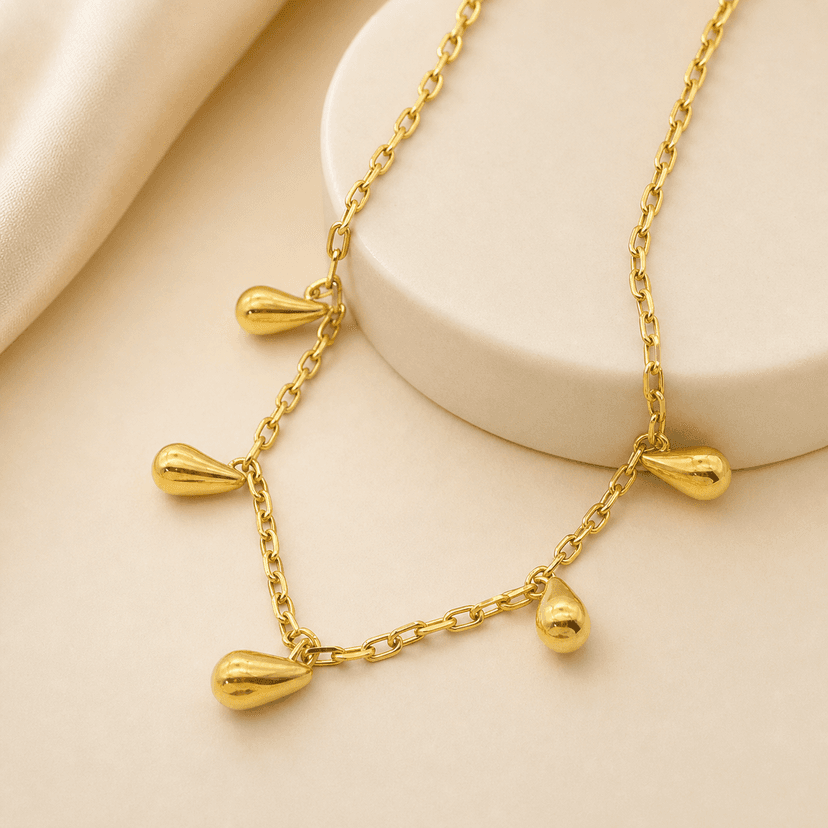
What Are 304 and 316L Stainless Steel?
What Is 304 Stainless Steel?
304 stainless steel is the most widely used grade of stainless steel in the world. You will find it in kitchen appliances, food containers, sinks, and some jewelry. It contains:
- Iron (the base metal)
- 18% Chromium — gives it rust resistance
- 8% Nickel — adds strength and shine
- Small amounts of carbon and manganese
304 is sometimes called "18/8 steel" because of its 18% chromium and 8% nickel ratio. It is a good general-purpose metal, but it has limits when used in jewelry — especially for skin-contact or moisture-heavy environments.
What Is 316L Stainless Steel?
316L stainless steel is a premium grade designed for more demanding environments. It is the most popular choice for professional-grade stainless steel jewelry. It contains:
- Iron (the base metal)
- 16–18% Chromium
- 10–14% Nickel
- 2–3% Molybdenum — this is the key addition that makes 316L special
- Very low carbon (the "L" in 316L stands for "Low carbon")
The addition of molybdenum significantly improves its resistance to chloride corrosion (like from sweat and saltwater). It is also commonly called "surgical steel" because it is safe enough to be used in medical implants and surgical instruments.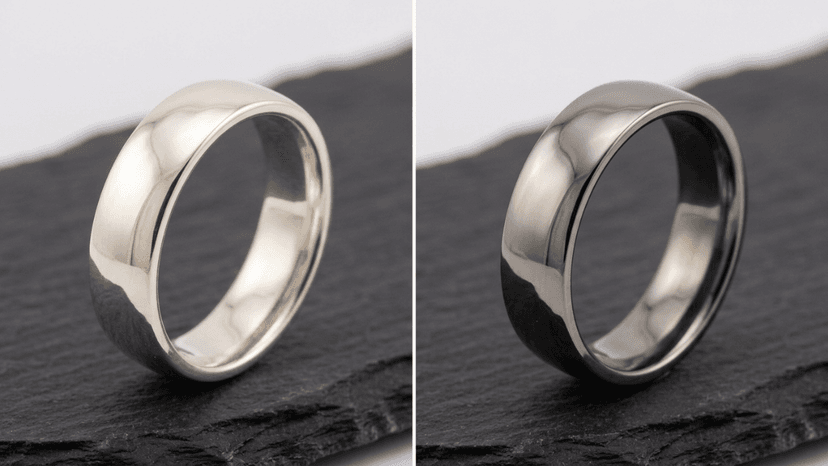
Main Differences Between 316L and 304 Stainless Steel Jewelry
1. Chemical Composition
The biggest difference between the two grades is their chemical makeup — particularly the presence of molybdenum in 316L.
| Element | 304 Stainless Steel | 316L Stainless Steel |
|---|---|---|
| Iron (Fe) | Balance | Balance |
| Chromium (Cr) | 18–20% | 16–18% |
| Nickel (Ni) | 8–10.5% | 10–14% |
| Molybdenum (Mo) | None (0%) | 2–3% |
| Carbon (C) | Max 0.08% | Max 0.03% (Low Carbon) |
| Manganese (Mn) | Max 2% | Max 2% |
The molybdenum in 316L is the game-changer. It acts as a shield against harsh chemicals, sweat, and saltwater — things jewelry comes into contact with every day.
2. Corrosion Resistance
316L wins clearly here.
Chromium in both grades creates a passive oxide layer that prevents rust. But without molybdenum, this layer is weaker in 304. When exposed to:
- Sweat (contains chlorides)
- Seawater or pool water (high chloride content)
- Cleaning chemicals or perfumes
304 stainless steel jewelry can develop small rust spots or surface pitting over time. 316L stainless steel jewelry holds up much better in all of these conditions because molybdenum strengthens the protective layer.
3. Nickel Content and Skin Safety
This is perhaps the most important difference for jewelry buyers.
Both grades contain nickel. Nickel is a common allergen. In fact, nickel allergy is one of the most common contact allergies in the world — affecting an estimated 10–15% of women and 1–2% of men.
Here is why 316L is safer:
- 316L has a tighter, stronger protective layer due to molybdenum. This means less nickel leaches out and contacts the skin.
- 304 has a weaker protective layer, so more nickel can migrate to the skin surface over time — especially in sweaty or wet conditions.
The European Union's EN 1811 Nickel Directive sets strict limits on how much nickel jewelry can release. 316L stainless steel typically passes this standard. 304 may not always pass — especially in long-wear, skin-contact situations like earrings.
316L stainless steel is often labeled as hypoallergenic for this reason. However, it is not completely nickel-free. People with severe nickel allergies should consult a doctor before wearing any stainless steel jewelry.
4. Durability
Both grades are very durable compared to materials like brass, copper, or even sterling silver. But 316L has a slight edge in real-world jewelry use:
| Durability Factor | 304 Stainless Steel | 316L Stainless Steel |
|---|---|---|
| Scratch resistance | Very good | Very good |
| Rust resistance | Good | Excellent |
| Chemical resistance | Moderate | High |
| Long-term appearance | May dull faster | Stays bright longer |
| Performance in humid climates | Average | Excellent |
For everyday jewelry worn in humid climates, or during exercise, swimming, or showering, 316L holds its appearance much longer.
5. Price Difference
316L is more expensive than 304 — but the difference is not dramatic for jewelry production.
| Grade | Relative Cost | Cost Impact on Jewelry |
|---|---|---|
| 304 | Lower | Minimal savings per piece |
| 316L | Slightly higher (5–15% more) | Small added cost per unit |
For jewelry brands, the price difference per piece is often just a few cents to a dollar more for 316L. Given the benefits in safety and durability, most quality-focused brands choose 316L without hesitation.
6. Best Jewelry Applications
| Jewelry Type | Recommended Grade | Reason |
|---|---|---|
| Earrings (especially ear posts) | 316L | Skin-contact, near wound/piercing |
| Nose rings / body piercings | 316L | Direct tissue contact |
| Rings (daily wear) | 316L | Contact with sweat, water |
| Necklaces and pendants | Both (316L preferred) | Touches skin regularly |
| Bracelets | 316L preferred | Contact with wrist sweat |
| Fashion accessories (non-skin-contact) | 304 acceptable | Less critical application |
| Keychains / bag charms | 304 acceptable | No skin contact |
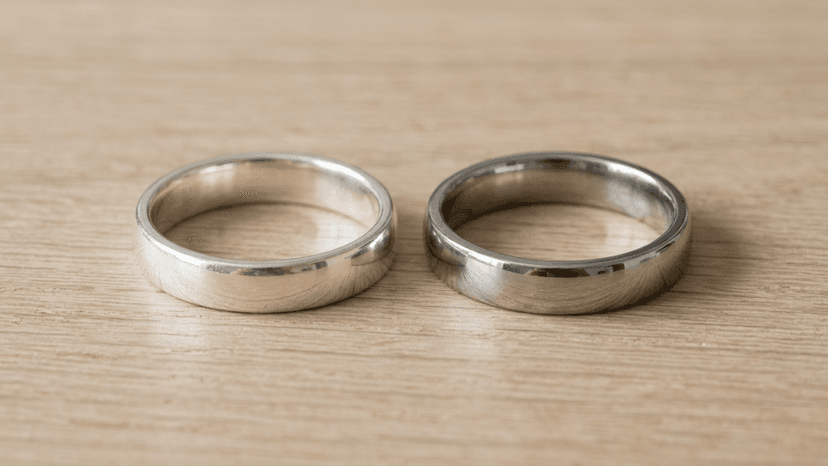
Full Comparison Table: 316L vs 304 Stainless Steel Jewelry
| Feature | 304 Stainless Steel | 316L Stainless Steel |
|---|---|---|
| Also known as | 18/8 steel | Surgical steel, Marine grade |
| Molybdenum content | None | 2–3% |
| Corrosion resistance | Good | Excellent |
| Nickel release (skin safety) | Moderate | Low |
| Hypoallergenic rating | Partial | Yes (for most people) |
| Resistance to sweat / saltwater | Moderate | High |
| Durability | High | Very high |
| Price | Lower | Slightly higher |
| Recommended for earrings | Not ideal | Yes |
| Meets EU Nickel Directive | Sometimes | Usually yes |
| Best for skin-contact jewelry | No | Yes |
Why 316L Stainless Steel Is Preferred for Earrings and Skin-Contact Jewelry
Earrings — especially ear post earrings — are in direct contact with sensitive skin and open piercing sites. This makes material safety extremely important.
Here is why 316L is the top choice for earrings:
- Lower nickel release — The molybdenum layer reduces how much nickel touches the ear skin or enters a fresh piercing.
- Sweat resistance — Ears and skin around piercings can sweat. 316L handles this much better than 304.
- Corrosion near piercings — The area around a fresh or sensitive piercing is more vulnerable to metal irritation. 316L's stronger protective layer reduces this risk.
- Medical-grade standard — 316L is used in surgical implants, making it the trusted choice for any jewelry touching sensitive body areas.
- Compliance with safety standards — Many markets (especially in the EU and UK) require jewelry to meet nickel release standards. 316L is the safer choice for compliance.
Many reputable jewelry brands now market their products as "316L surgical steel earrings" or "316L hypoallergenic earrings" — because customers specifically search for this grade as a safety assurance.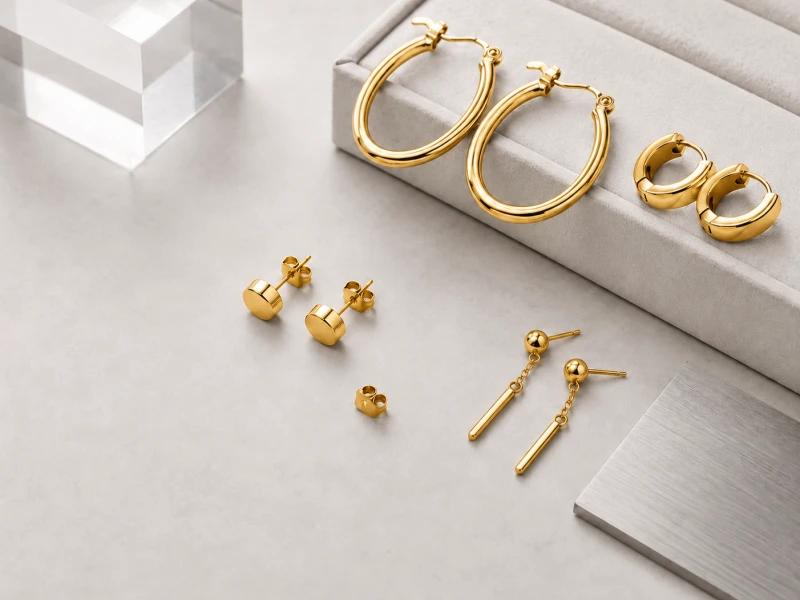
Is 304 Stainless Steel Good for Jewelry?
Yes — 304 stainless steel can be used for certain jewelry, but it is not the best choice for all applications.
304 is acceptable for:
- Fashion jewelry with limited skin contact
- Decorative accessories (keychains, bag charms, fashion brooches)
- Jewelry intended for short-term or occasional wear
- Lower-budget jewelry products where price is the main concern
304 is NOT recommended for:
- Earrings and piercings
- Rings and bracelets worn daily
- Jewelry in humid or tropical climates
- Jewelry marketed as hypoallergenic
- Products sold to customers with sensitive skin
If a manufacturer uses 304 but markets it as "hypoallergenic" or "surgical steel," that is misleading. True surgical-grade steel is 316L. Buyers and brands should be aware of this distinction.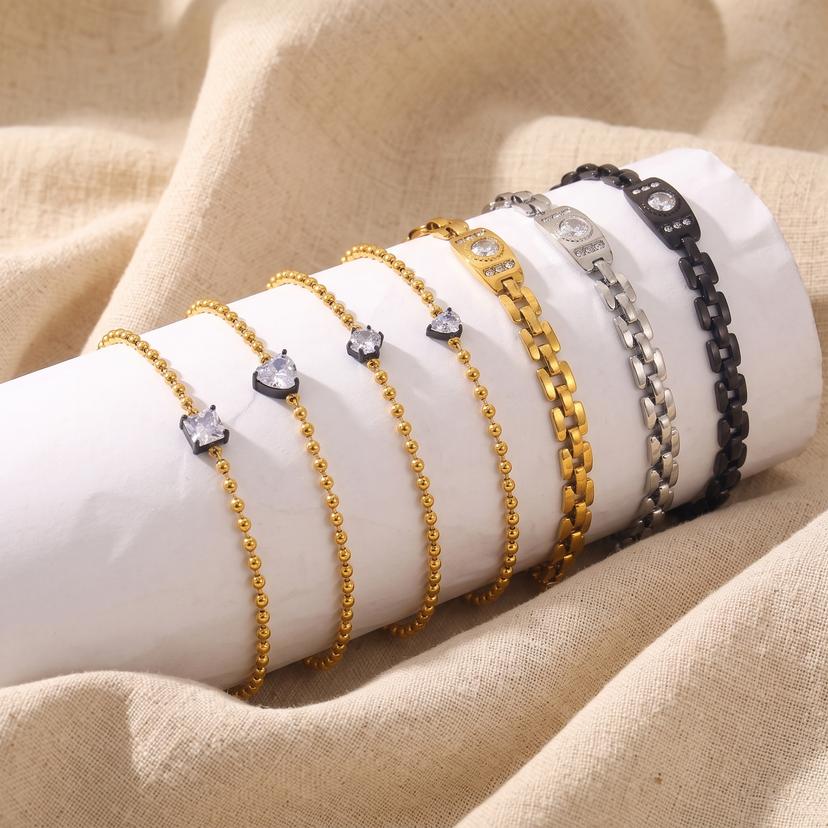
How to Identify 316L vs 304 Stainless Steel Jewelry
One of the most common questions buyers ask is: "How can I tell if my jewelry is 316L or 304?"
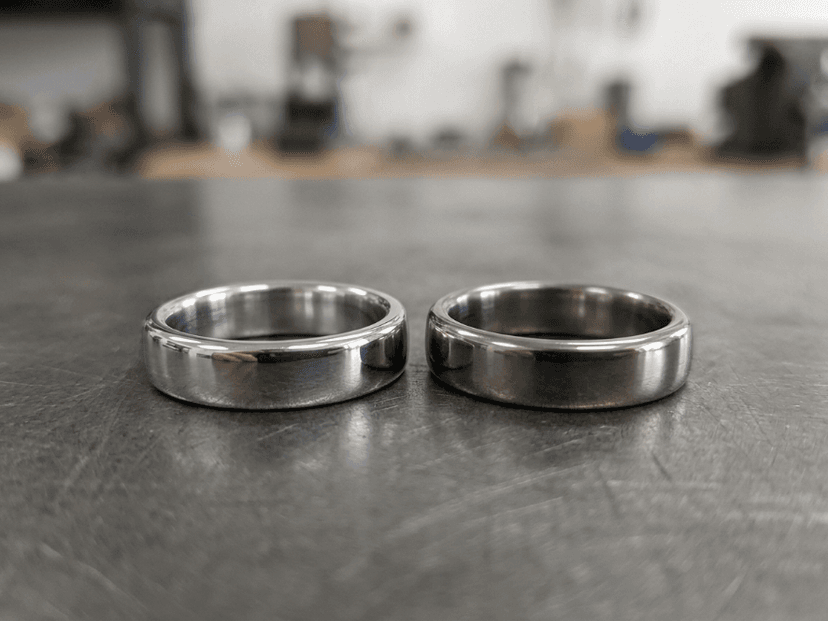
The honest answer: you cannot tell just by looking at it. Both grades look identical — same silver shine, same weight, same feel. You need other methods to verify the grade.
Method 1: Check the Product Label or Certificate
A reliable manufacturer will always provide:
- A material specification label on the product or packaging
- A material certificate (sometimes called a mill certificate or test report) that confirms the steel grade
- Markings such as "316L," "SS316L," or "AISI 316L"
Watch for vague labels like "stainless steel," "surgical steel," or "silver-tone metal" with no grade number. These could be 304 — or even lower-quality alloys.
Method 2: Ask the Manufacturer for Grade Verification
When sourcing jewelry from a manufacturer, always ask:
- "What grade of stainless steel do you use?"
- "Can you provide a material certificate for 316L?"
- "Do your products meet the EU EN 1811 nickel release standards?"
A trustworthy manufacturer will answer these questions clearly and provide documentation. If they are vague or evasive, that is a red flag.
Method 3: Understand Common Markings
| Marking | What It Means |
|---|---|
| 316L | Genuine 316L grade — the preferred jewelry grade |
| 316 | Very similar to 316L but slightly higher carbon |
| 304 | General-purpose grade — not ideal for skin-contact use |
| 18/8 | Another name for 304 stainless steel |
| Surgical Steel | Usually 316L, but verify — no universal standard |
| Stainless Steel (no grade) | Unclear — could be any grade |
| SS or Inox | General stainless steel — grade unspecified |
Method 4: Professional Material Testing
If you need absolute certainty about the steel grade — especially for large product orders or compliance purposes — use professional testing methods:
XRF Testing (X-Ray Fluorescence Testing)
XRF is the most practical and non-destructive way to identify steel grades. Here is how it works:
- A handheld XRF gun is pointed at the jewelry piece
- It emits X-rays that interact with the metal's atoms
- The machine analyzes the elements present and displays their percentages
- Results show chromium, nickel, molybdenum, and other elements
XRF testing can confirm in seconds whether a piece is 316L (by detecting the 2–3% molybdenum) or 304 (molybdenum absent or near zero).
Cost and access: XRF testing is commonly offered by third-party labs, customs authorities, and quality inspection companies. If you are importing large quantities, this test is worth the investment.
Metal Composition Analysis (Spectrometry)
For laboratory-level accuracy, optical emission spectrometry (OES) or inductively coupled plasma (ICP) testing can precisely measure every element in the alloy. These tests are used by quality control labs and research facilities.
Nickel Release Testing (EN 1811 Standard)
This test measures how much nickel actually leaches out of the jewelry under simulated skin-contact conditions. It does not identify the grade directly, but it confirms whether the jewelry meets EU safety standards for skin contact.
- Pass: Less than 0.5 µg/cm²/week nickel release
- Fail: More than 0.5 µg/cm²/week
316L jewelry typically passes. 304 jewelry may not — especially with longer wear times.
Why Appearance Alone Cannot Identify the Grade
Both 316L and 304:
- Have the same silver metallic appearance
- Feel the same weight in the hand
- Have the same surface finish (brushed, polished, or matte)
- Do not change color at room temperature
No visual test, magnet test, or simple scratch test can reliably tell them apart. (Note: the magnet test only checks for magnetism — stainless steel can be slightly magnetic regardless of grade. It does not confirm the grade.)
The only reliable ways to confirm the grade are:
- Documentation and certificates from the manufacturer
- XRF or spectrometry testing
How to Choose the Right Stainless Steel Material for Different Jewelry Products
Here is a practical guide for jewelry brands and buyers:
For Earrings
Always choose 316L. Earrings are worn on sensitive skin, often near open piercings. Nickel release and corrosion resistance are critical. Using 304 for earrings — and especially for children's earrings — is a liability risk.
For Rings
316L is strongly recommended, especially for wedding bands or daily-wear rings. Rings are in constant contact with sweaty, moist skin. 316L's molybdenum content protects against corrosion from long-term sweat exposure.
For Necklaces and Pendants
316L is preferred, particularly for pendants that rest against the chest or neck. If the necklace never touches skin (e.g., a decorative chain worn over clothing), 304 may be acceptable for cost-sensitive products.
For Bracelets and Bangles
316L recommended. Wrists sweat, especially in warm climates or during exercise. 316L performs significantly better in these conditions.
For Fashion Accessories (Non-Skin-Contact)
304 is acceptable. Keychains, bag charms, belt buckles, and similar items that rarely or never contact skin can use 304 without major concerns.
Summary: Choosing by Product Type
| Product | Best Grade | 304 Acceptable? |
|---|---|---|
| Earrings | 316L | No |
| Nose rings / piercings | 316L | No |
| Rings (daily wear) | 316L | Not ideal |
| Necklaces / pendants | 316L | Limited cases |
| Bracelets / bangles | 316L | Not ideal |
| Keychains / charms | 304 or 316L | Yes |
| Belt buckles | 304 or 316L | Yes |
| Decorative accessories | 304 or 316L | Yes |
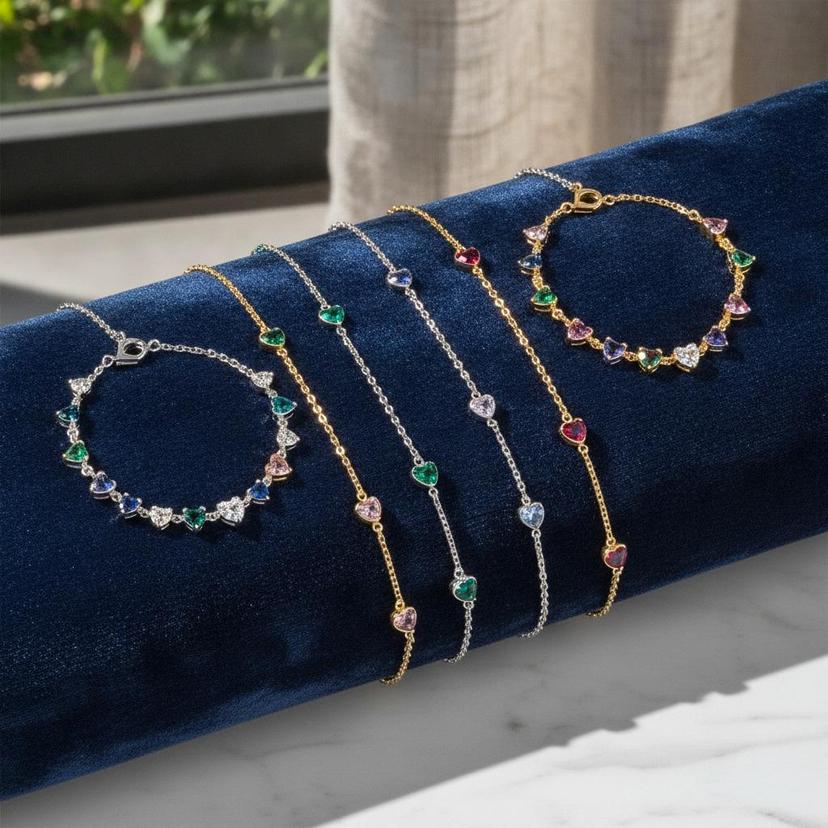
Why Jewelry Brands Should Consider Material Quality When Choosing a Manufacturer
Material quality is not just a product feature — it is a business decision with real consequences.
Here is why smart jewelry brands take material quality seriously when selecting a manufacturing partner:
1. Customer Safety and Brand Reputation
If a customer develops a skin rash from your earrings, they will leave a negative review. In today's social media world, one viral complaint about an allergic reaction can damage a brand's reputation overnight. Using certified 316L stainless steel is a simple way to reduce this risk.
2. Regulatory Compliance
Many markets have strict rules about nickel release from jewelry. The European Union's REACH regulation and the EU Nickel Directive are well-known examples. Non-compliant products can be:
- Banned from sale
- Recalled from shelves
- Subject to fines and legal action
Choosing a manufacturer that uses 316L and provides compliance test reports protects your brand from these risks.
3. Long-Term Product Quality
Jewelry made from 316L maintains its appearance longer. This means:
- Fewer customer complaints about tarnishing or rusting
- Better product reviews and repeat customers
- A stronger brand image in the market
4. Transparency and Documentation
A quality manufacturer should provide:
- Material certificates (mill certificates) confirming the steel grade
- Third-party test reports (XRF, nickel release, RoHS compliance)
- Clear product specifications for each SKU
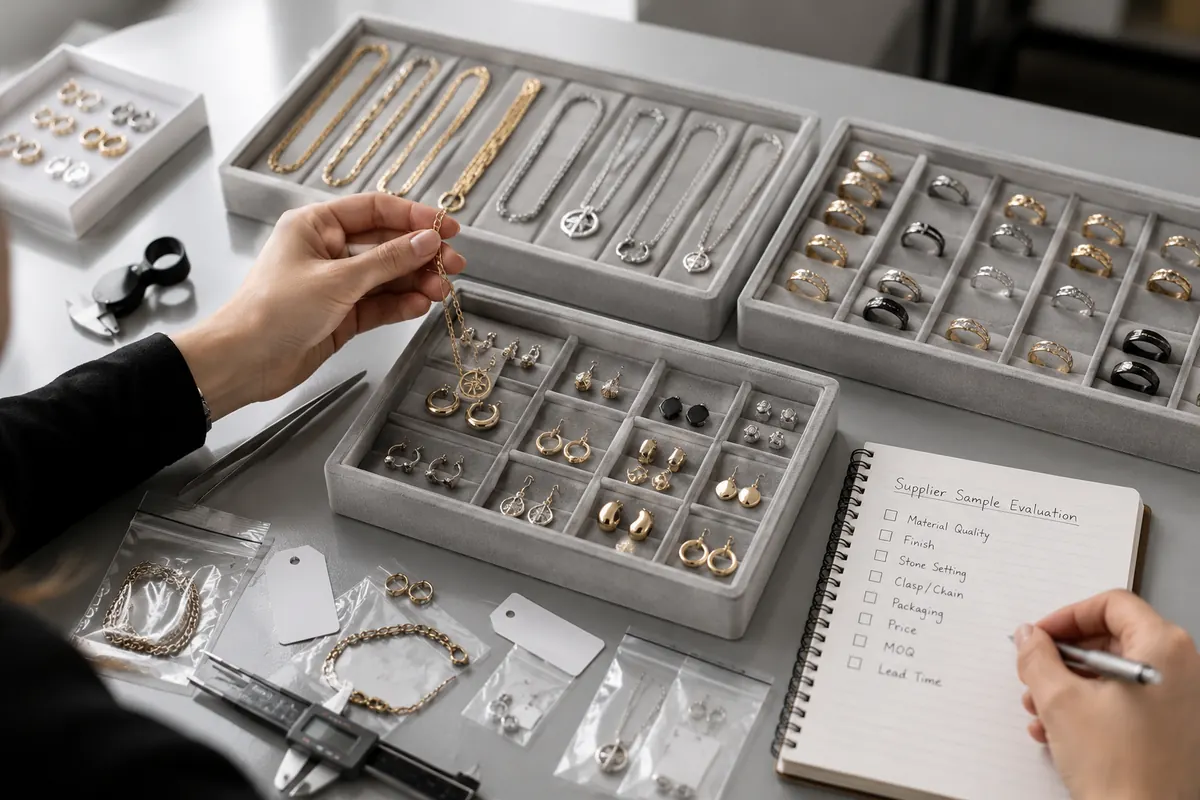
If a manufacturer cannot or will not provide this documentation, that is a serious warning sign. Your brand is ultimately responsible for the safety of the products you sell.
5. Competitive Differentiation
As consumers become more educated about jewelry materials, brands that can clearly communicate "We use 316L surgical-grade stainless steel" gain a marketing advantage. Educated buyers actively look for this information before purchasing.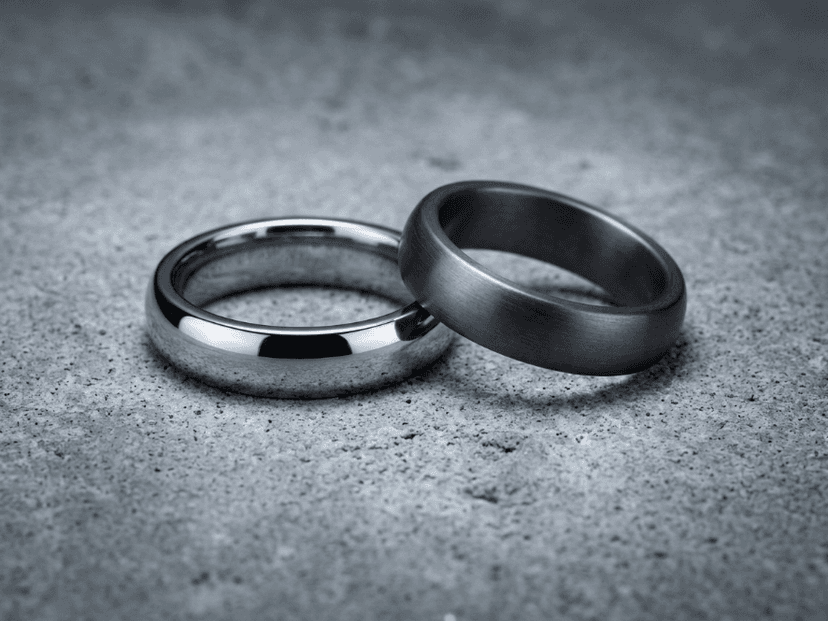
Conclusion
When comparing 316L vs 304 stainless steel jewelry, the verdict is clear: 316L is the superior choice for any jewelry that comes into direct contact with skin. Its molybdenum content gives it better corrosion resistance, lower nickel release, and greater long-term durability. For earrings, rings, bracelets, and body jewelry, 316L is the professional standard. While 304 stainless steel is a fine general-purpose metal, it simply does not meet the same safety and performance bar for skin-contact jewelry.
For jewelry buyers, the most important steps are to check for the 316L marking, request material certificates, and use XRF testing for large orders. For jewelry brands, choosing a manufacturer that uses and certifies 316L is one of the most important quality decisions you can make.
Looking for a trusted stainless steel jewelry manufacturer? Jewins is a professional stainless steel jewelry manufacturer that uses certified 316L stainless steel for all premium jewelry production — including earrings, necklaces, rings, and bracelets. Jewins offers comprehensive OEM, ODM, and private label services for jewelry brands worldwide, with full material certification, quality control testing, and custom design capabilities. Whether you are launching a new jewelry line or scaling an existing brand, Jewins provides the material quality and manufacturing expertise to help your products meet the highest standards.
If you want to learn more, please see our post about are jewins stainless steel jewelry legit.
Frequently Asked Questions
Is 316L stainless steel better than 304 for jewelry?
Yes. 316L stainless steel is better than 304 for jewelry — especially for skin-contact pieces. The key reason is molybdenum: 316L contains 2–3% molybdenum, which makes it more resistant to corrosion from sweat, water, and chemicals. It also releases less nickel than 304, making it safer for people with sensitive skin. Most professional jewelry manufacturers use 316L for earrings, rings, and other skin-contact items.If you want to see more, please read our is 316L stainless steel jewelry a good choice for brands.
Is 304 stainless steel safe for jewelry?
304 stainless steel is generally safe for short-term, non-skin-contact jewelry use. It is not the best choice for earrings, piercings, or daily-wear rings because it releases more nickel and has weaker corrosion resistance compared to 316L. If you have sensitive skin or nickel allergies, avoid 304 stainless steel jewelry for extended wear.
Is 316L stainless steel hypoallergenic?
316L stainless steel is considered hypoallergenic for most people. It releases very low amounts of nickel — typically below the limits set by the EU Nickel Directive. However, it is not 100% nickel-free. People with severe nickel allergies may still react. If you have a confirmed severe nickel allergy, consult your doctor before wearing 316L jewelry.
Which stainless steel is best for earrings?
316L stainless steel is the best choice for earrings. Earrings sit close to sensitive skin and near piercing sites, so low nickel release and high corrosion resistance are essential. 316L — often called surgical steel — is used in medical implants for the same reasons. It is the industry standard for quality earrings.
How can I identify 316L stainless steel jewelry?
You cannot identify 316L stainless steel just by looking at it. The most reliable methods are:
- Check the product label or certificate — look for "316L" or "AISI 316L" markings.
- Ask the manufacturer for a material certificate confirming the grade.
- XRF testing — a handheld XRF gun can detect molybdenum (present in 316L, absent in 304) within seconds.
- Nickel release testing — confirms if the jewelry meets EU safety standards for skin contact.
Can I tell 316L and 304 stainless steel apart by appearance?
No. 316L and 304 stainless steel look identical. Both have the same silver shine, the same weight, and the same surface finish. No visual inspection, magnet test, or scratch test can reliably distinguish them. The only accurate methods are material certificates from the manufacturer or professional testing such as XRF analysis.
What stainless steel does Jewins use for jewelry?
Jewins uses 316L stainless steel — the highest-quality grade for jewelry production — for all its premium jewelry products. This includes earrings, necklaces, bracelets, rings, and body jewelry. Jewins provides material certificates and quality testing documentation to verify the steel grade for all orders.
Can Jewins customize stainless steel jewelry?
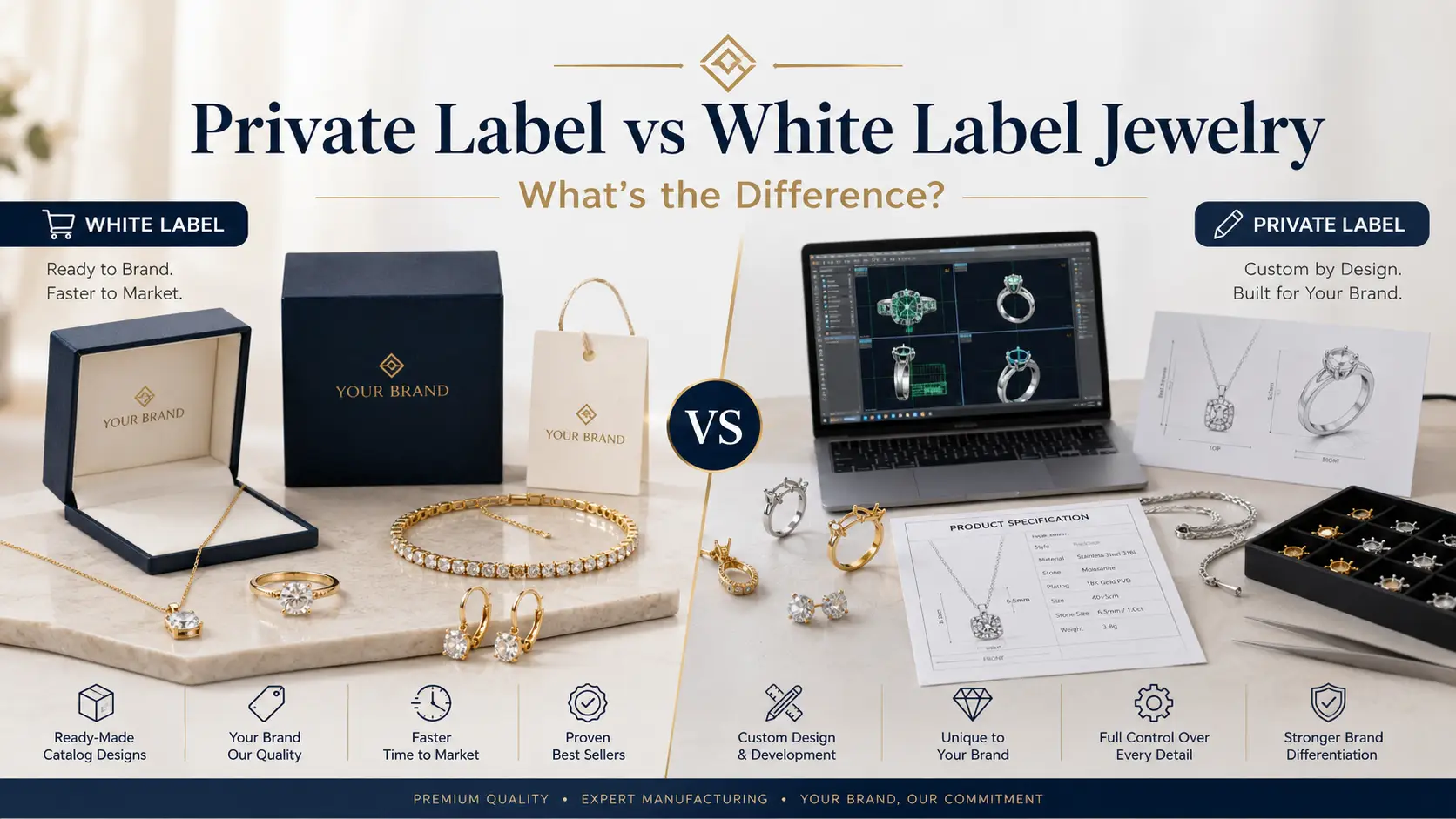
Yes. Jewins offers full OEM (Original Equipment Manufacturer), ODM (Original Design Manufacturer), and private label services for jewelry brands. You can submit your own designs, request product modifications, or work with the Jewins design team to create entirely new collections. Jewins supports custom logo engraving, PVD coating colors, packaging design, and more — all using certified 316L stainless steel.
Looking for certified 316L stainless steel jewelry for your brand? Contact Us to discuss OEM/ODM production, private label services, material certification, quality control testing, and custom designs for earrings, rings, bracelets, and necklaces.
Contact Us ?