
Why Luxury Jewelry Brands Use Stainless Steel
This guide helps jewelry brands, wholesalers, and private label buyers understand why luxury jewelry brands choose stainless steel jewelry from a practical factory and sourcing perspective. Jewins focuses on 316L stainless steel jewelry, realistic material advice, sample support, quality checks, and stable OEM/ODM production — so buyers can make sourcing decisions with more confidence.
Luxury jewelry brands use stainless steel because it solves real business problems. For jewelry brands and wholesale buyers, the key is not only understanding the definition, but also checking the material, process, supplier capability, sample quality, and bulk-order consistency before production.
Luxury jewelry brands use stainless steel because it solves real business problems. It is durable, affordable to produce, easy to finish beautifully, and safe for almost all skin types. That combination is hard to find in any other metal. Brands that once only used gold or silver are now choosing stainless steel for entire collections — not as a cheap shortcut, but as a deliberate choice. Stainless steel lets them offer stunning, long-lasting jewelry at a price point that reaches far more customers, without sacrificing the look or feel of luxury.
How Luxury Jewelry Has Changed
Not long ago, luxury jewelry meant one thing: precious metals. Gold. Platinum. Sterling silver. These were the only acceptable materials for high-end brands.
That has changed.
Today, consumers want jewelry that looks premium, survives daily wear, does not cause skin reactions, and does not cost as much as a car payment. Traditional precious metals struggle to meet all four of those demands at once.
Stainless steel jewelry does.
This shift is not about cutting corners. It is about meeting modern consumers where they are. Brands like Cartier, BVLGARI, and Tiffany & Co. have released stainless steel collections alongside their gold and platinum lines. Streetwear-influenced luxury brands, fashion houses, and mid-range fine jewelry companies now treat stainless steel as a core material — not an afterthought.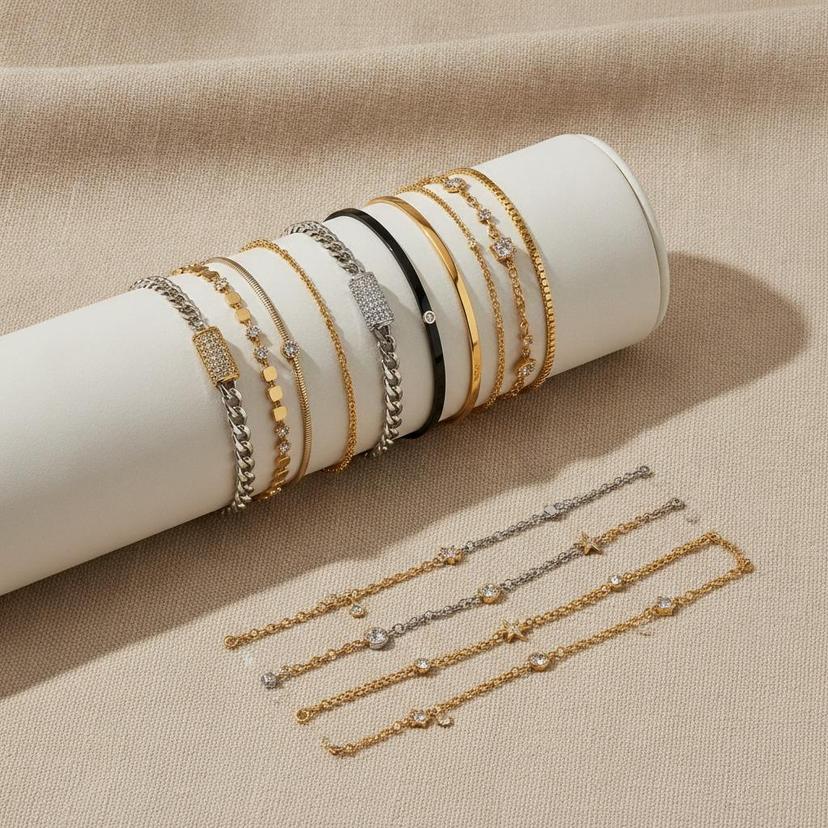
Why 316L Stainless Steel Is the Industry Standard for Premium Jewelry
Not all stainless steel is the same. The grade matters enormously.
316L stainless steel — also called surgical-grade or marine-grade steel — is the specific alloy used by professional jewelry manufacturers. Here is what makes it different:
- Low carbon content — prevents rust and corrosion at weld points
- Molybdenum content — makes it resistant to chlorine, saltwater, and sweat
- Nickel is locked in the alloy — it does not leach onto the skin the way nickel does in cheap base metals
- Hypoallergenic — safe for people with metal sensitivities in the vast majority of cases
- Medical-grade — the same steel used in surgical implants and body piercings
This is why luxury brands specify 316L, not generic stainless steel. It behaves like a precious metal in terms of skin safety and long-term durability$.$ It just costs a fraction of the price.
What About 304 vs. 316L Stainless Steel?
| Property | 304 Stainless Steel | 316L Stainless Steel |
|---|---|---|
| Corrosion resistance | Good | Excellent |
| Chloride resistance | Moderate | High |
| Skin safety | Acceptable | Excellent (hypoallergenic) |
| Used in luxury jewelry | Rarely | Yes — industry standard |
| Cost | Slightly lower | Slightly higher |
For jewelry that will be worn daily — especially rings and bracelets — 316L is the only professional choice.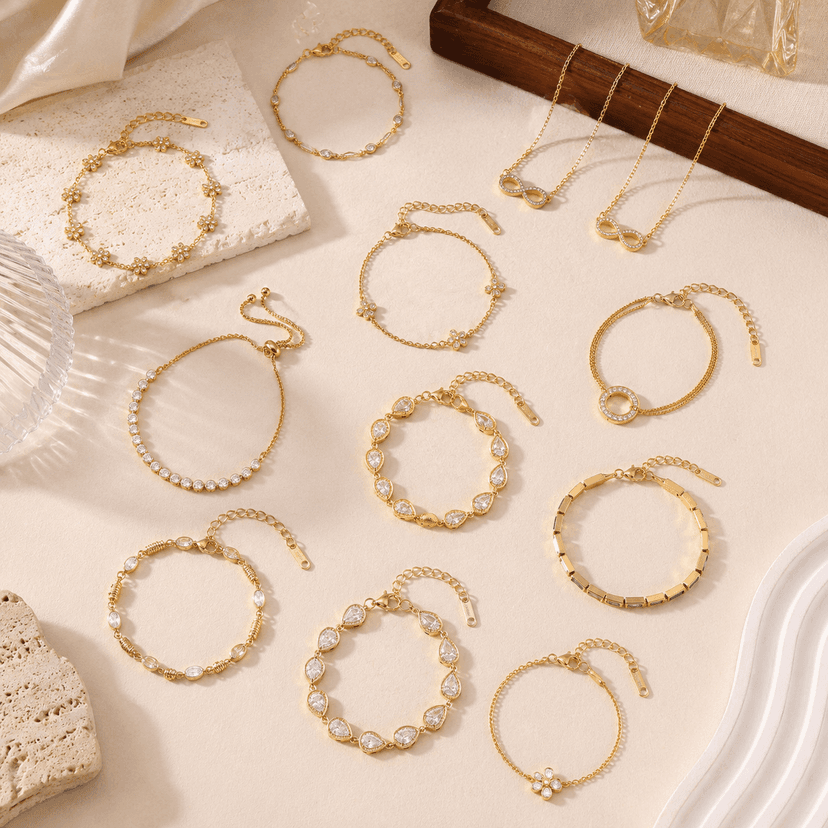
The Business Reasons Luxury Brands Choose Stainless Steel
This is where the decision really comes from. Luxury brands are businesses. They think about margins, production reliability, and scalability.
Lower Production Cost, Higher Margin
Gold is expensive. The spot price fluctuates. When gold prices spike, a brand's margins on gold jewelry can collapse overnight.
Stainless steel is stable in price and cheap to source in volume. A stainless steel ring that retails for $150 might cost a brand $8–$20 to produce. The same design in 14K gold could cost $80–$200+ in material alone before any labor or manufacturing.
That margin difference is enormous. It lets brands invest in better marketing, better packaging, and better customer experience — all things that reinforce the luxury feel.
Scalability Without Sacrifice
When a brand needs to produce 10,000 units of a piece, gold creates real logistical problems. Stainless steel manufacturing scales without friction. Production timelines are more predictable. Quality control is easier. Waste is lower.
For brands launching new collections or testing new designs, stainless steel prototyping is fast and affordable.
Price Points That Reach More Customers
Luxury has democratized. Many consumers want a brand-name piece but cannot justify $2,000 for a gold ring. A $150–$300 stainless steel piece from a respected brand still delivers prestige, quality, and the brand experience.
Stainless steel lets luxury brands sell to a wider audience without diluting their brand identity.
The Look and Feel of Luxury: Finish Options on Stainless Steel
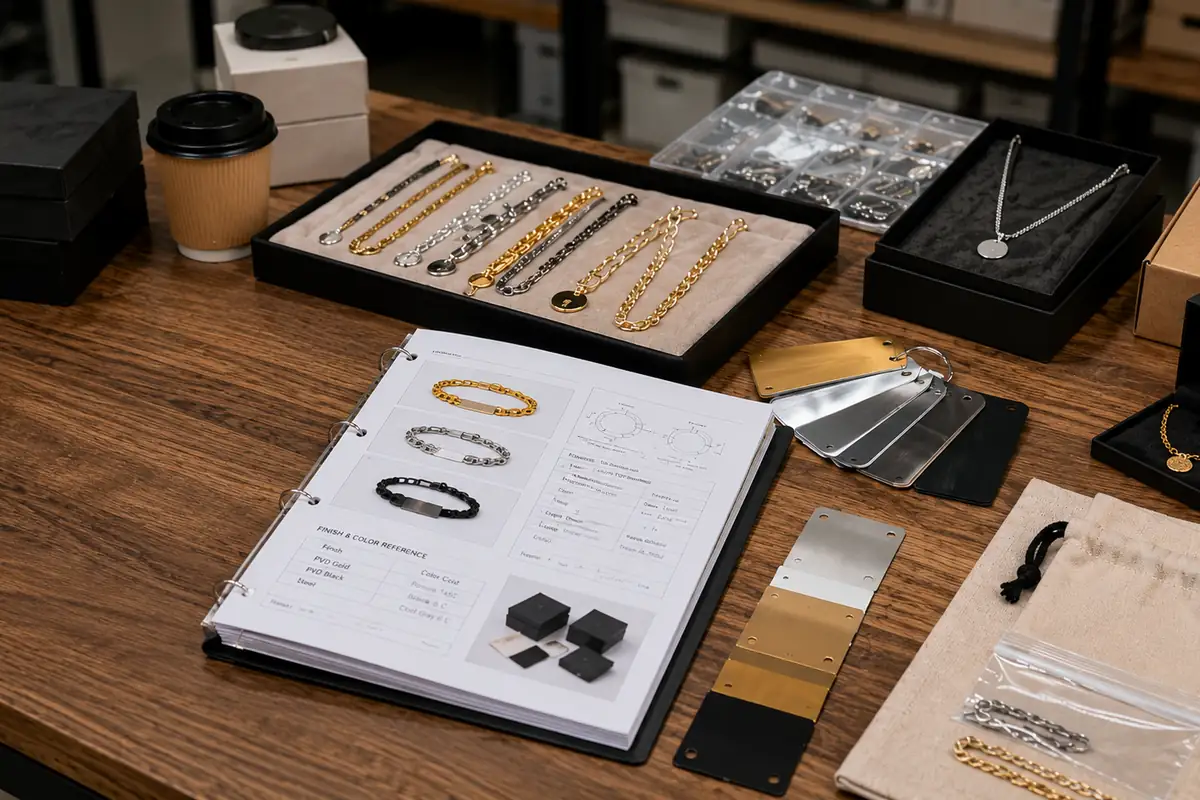
One of the biggest reasons brands choose stainless steel is how well it takes surface treatments. The variety of premium finishes available on stainless steel is unmatched by almost any other metal at this price point.
PVD Coating (Physical Vapor Deposition)
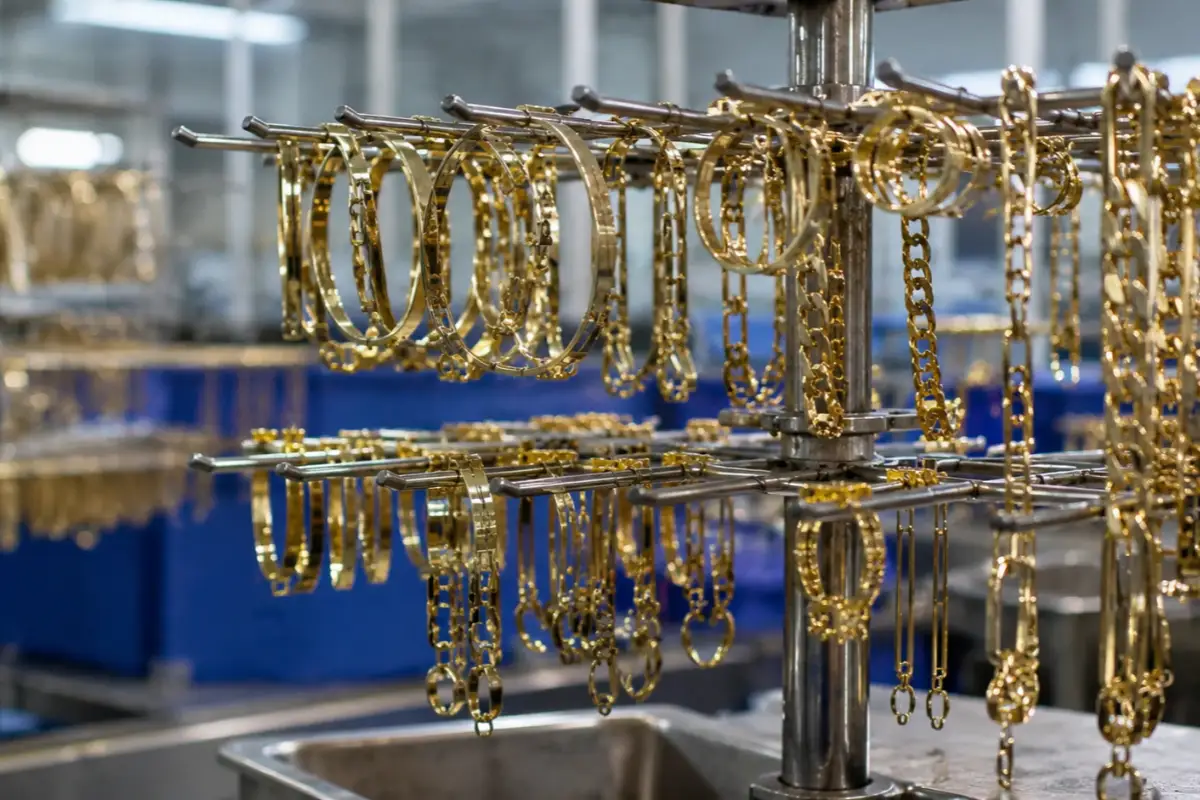
PVD is the gold standard for finishing stainless steel jewelry. It bonds a thin layer of metal — gold, rose gold, black, or other colors — directly onto the steel surface at a molecular level.
The result:
- Looks identical to solid gold plating
- Far more durable than traditional gold plating (lasts 3–5+ years with normal wear)
- Does not peel, flake, or fade the way electroplating does
- Safe for skin contact
High-end brands use 18K gold PVD coatings on stainless steel to deliver the appearance of solid gold at a fraction of the cost.
Ion Plating and Black PVD
Fashion-forward and streetwear-influenced luxury brands often use black PVD ion plating for a bold, matte-black finish. This look is impossible to achieve affordably on traditional precious metals.
Mirror Polish and Brushed Finishes
Stainless steel polishes to a mirror-bright finish that rivals platinum. A brushed or satin finish creates a sophisticated matte texture. Many luxury pieces combine both finishes on the same piece for visual depth.
Setting Diamonds and Gemstones in Stainless Steel
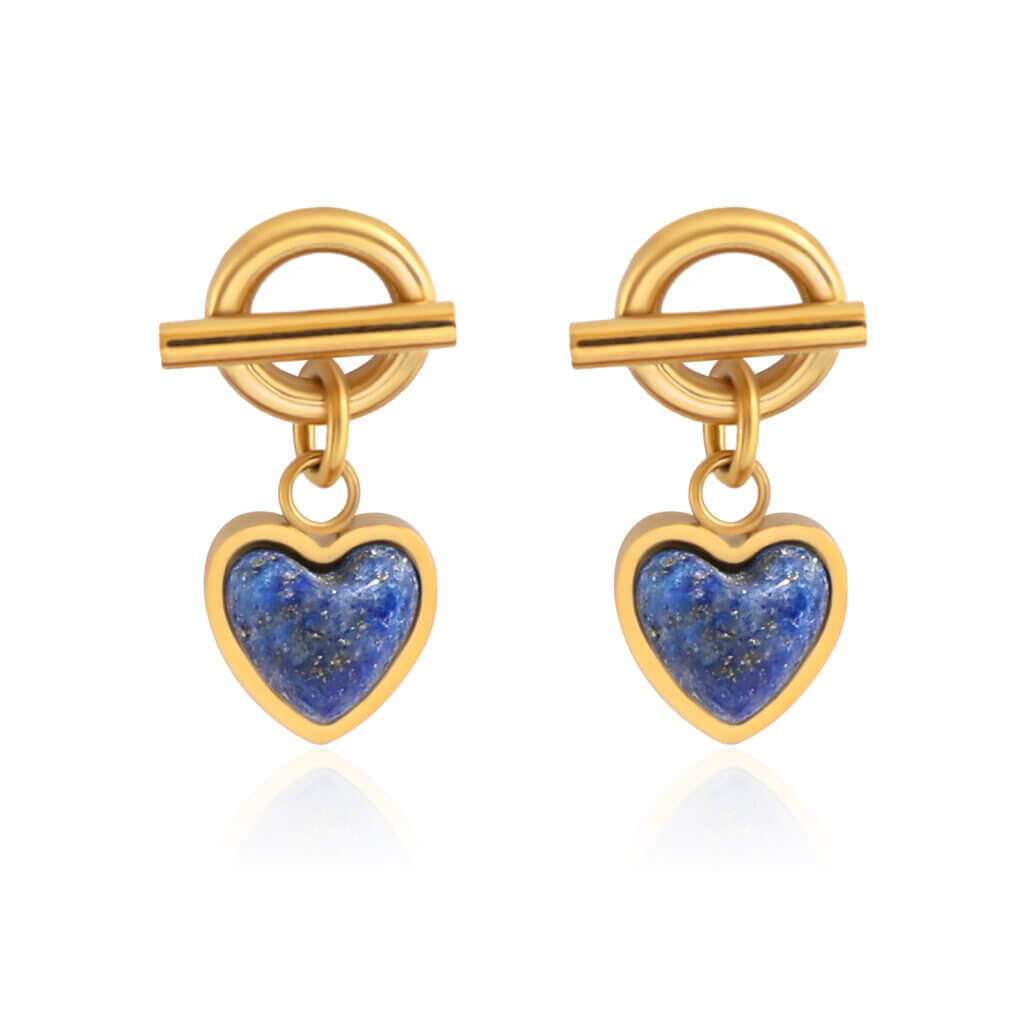
Stainless steel is hard enough to hold prong, bezel, and pave settings securely. Many brands set genuine diamonds, sapphires, and other gemstones in stainless steel pieces. This creates a genuinely luxurious piece at a dramatically lower cost than the same design in platinum or gold.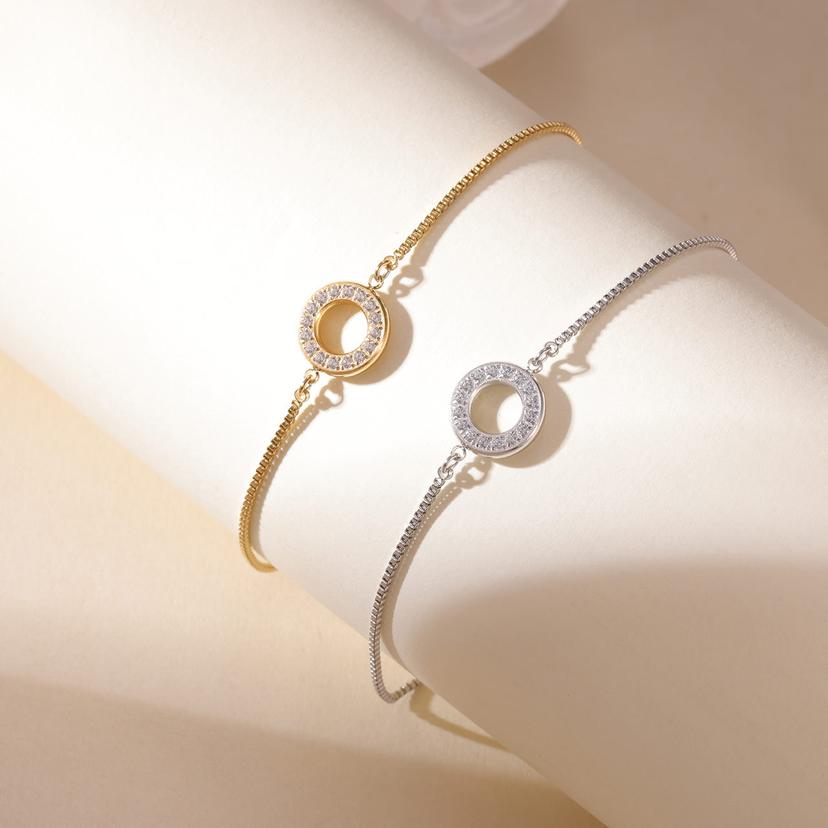
Stainless Steel vs. Gold, Silver, and Titanium for Luxury Collections
| Property | Stainless Steel (316L) | Sterling Silver | 14K Gold | Titanium |
|---|---|---|---|---|
| Cost per piece (production) | Low | Low–Medium | High | Medium |
| Tarnish resistance | Excellent | Poor | Excellent | Excellent |
| Scratch resistance | Good | Poor | Moderate | Excellent |
| Hypoallergenic | Yes (316L) | No (often contains nickel) | Depends on alloy | Yes |
| PVD/gold plating compatible | Yes | Yes (less durable) | N/A | Yes (harder to plate) |
| Suitable for everyday wear | Yes | Needs care | Yes | Yes |
| Suitable for fashion/minimalist | Yes | Yes | Yes | Moderate |
| Consumer price point | Accessible | Accessible | Premium | Mid-to-premium |
Key insight: Sterling silver tarnishes and scratches easily, making it high maintenance. Gold is beautiful but expensive to produce and price-sensitive. Titanium is extremely hard — great for men's bands — but difficult to resize and plate. Stainless steel occupies the sweet spot for brands that want durability, versatility, and margin.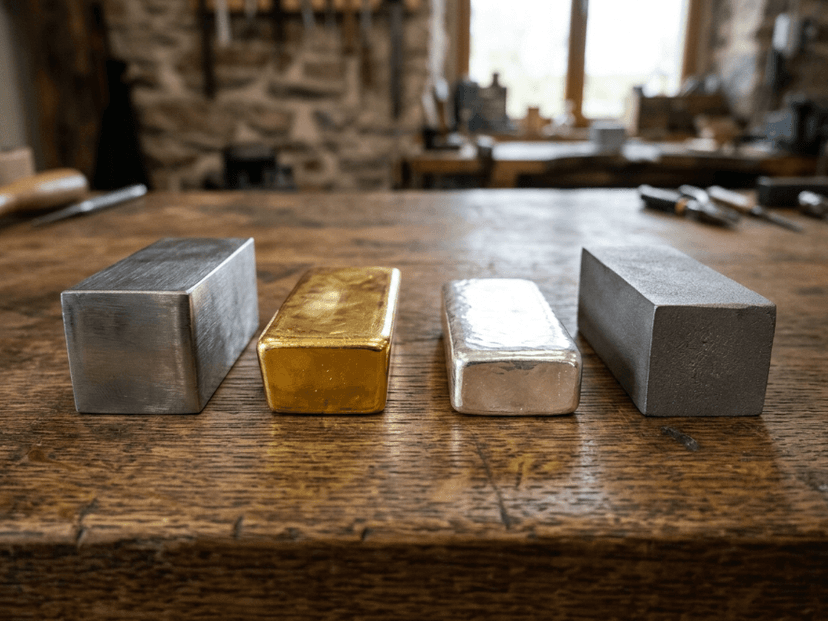
How Stainless Steel Supports Everyday Luxury Collections
Luxury brands increasingly design jewelry for everyday wear — not just special occasions. This creates a specific set of demands that stainless steel meets exceptionally well.
Durability for Daily Life
Stainless steel does not scratch as easily as gold. It does not tarnish. It does not react to sweat, perfume, or chlorine the way silver does. A stainless steel bracelet can go through the gym, the shower, and a business meeting without needing special care.
This is exactly what modern luxury consumers want. They want to buy once and wear always.
The "Quiet Luxury" Trend
The minimalist, understated luxury aesthetic — clean lines, neutral metals, no flashy logos — is dominant in fashion right now. Stainless steel with a brushed or matte finish fits this trend perfectly. It looks expensive without being loud.
Brands building quiet luxury collections frequently choose stainless steel as their base metal.
Men's Luxury Jewelry
The men's jewelry market is growing fast. Men typically want jewelry that survives rough daily use — watches, bracelets, rings, chains. Stainless steel's durability makes it the natural choice for men's luxury collections$.$ Nearly all premium watch cases are stainless steel. That same logic extends to men's jewelry.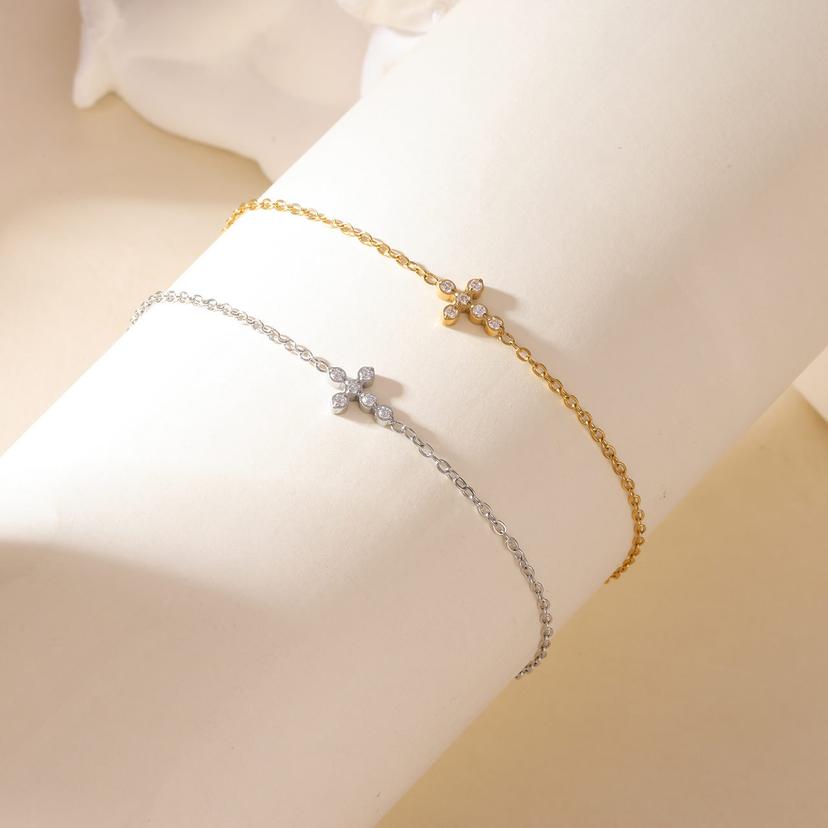
The Role of Stainless Steel in Modern Minimalist and Fashion Jewelry
Fashion jewelry has moved upmarket. Brands that once sold $20 earrings now sell $120 stainless steel pieces with genuine gemstone accents, and customers are happy to pay.
This upmarket shift happened because stainless steel delivered on quality. Pieces last. Colors hold. Designs that would be impossible or impractical in gold — large geometric forms, architectural shapes, sculptural rings — are achievable in stainless steel without the piece becoming prohibitively expensive.
Fashion-forward brands like Missoma, Edge of Ember, and Agmes have built significant followings on exactly this model: beautifully designed, sustainably minded, stainless steel or vermeil pieces priced for the modern consumer.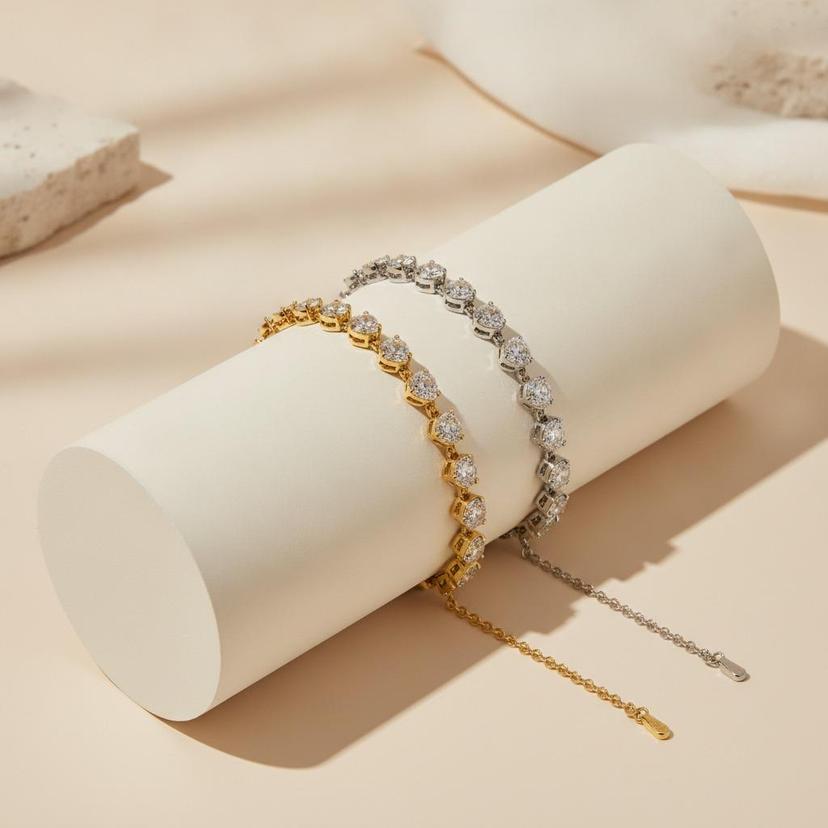
How Leading Jewelry Brands Position Stainless Steel as a Premium Material
Smart brands do not hide the fact that a piece is stainless steel. They lean into it.
They communicate:
- 316L surgical-grade steel (signals precision and quality)
- PVD 18K gold coating (signals luxury finish)
- Hypoallergenic and waterproof (signals lifestyle suitability)
- Designed for daily wear (signals durability and value)
This language shifts perception. The consumer is not buying cheap steel. They are buying a premium, engineered material chosen for its performance — the same approach used in luxury watches.
Brands like Daniel Wellington and MVMT built billion-dollar businesses on exactly this positioning. Their watch cases are stainless steel. Their value proposition is clean design, accessible luxury, and durability — and it worked.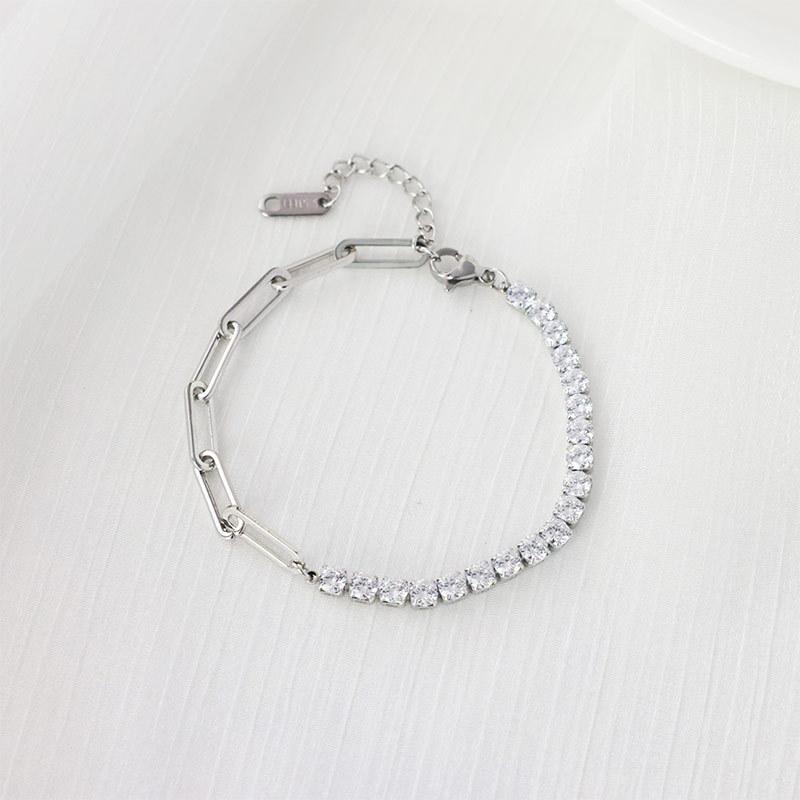
Common Myths About Stainless Steel in Luxury Jewelry
Myth 1: "Stainless steel is a cheap material."
Reality: 316L stainless steel is the same grade used in surgical implants, high-end watches, and marine equipment. It is engineered for precision. The material itself is not cheap — it is just more abundant than gold.
Myth 2: "Stainless steel jewelry turns green or causes skin reactions."
Reality: This happens with low-quality base metals like brass or copper. 316L stainless steel does not oxidize on skin. It is hypoallergenic and will not discolor your skin under normal conditions.
Myth 3: "Stainless steel does not look as good as gold or silver."
Reality: With modern PVD coating, stainless steel is visually indistinguishable from solid gold. A polished 316L piece looks identical to platinum. Many consumers actively prefer the appearance.
Myth 4: "Luxury brands only use stainless steel to cut costs."
Reality: Cost efficiency is one reason, but not the only one. Durability, hypoallergenic properties, design flexibility, and the ability to reach broader consumer segments are equally important strategic reasons.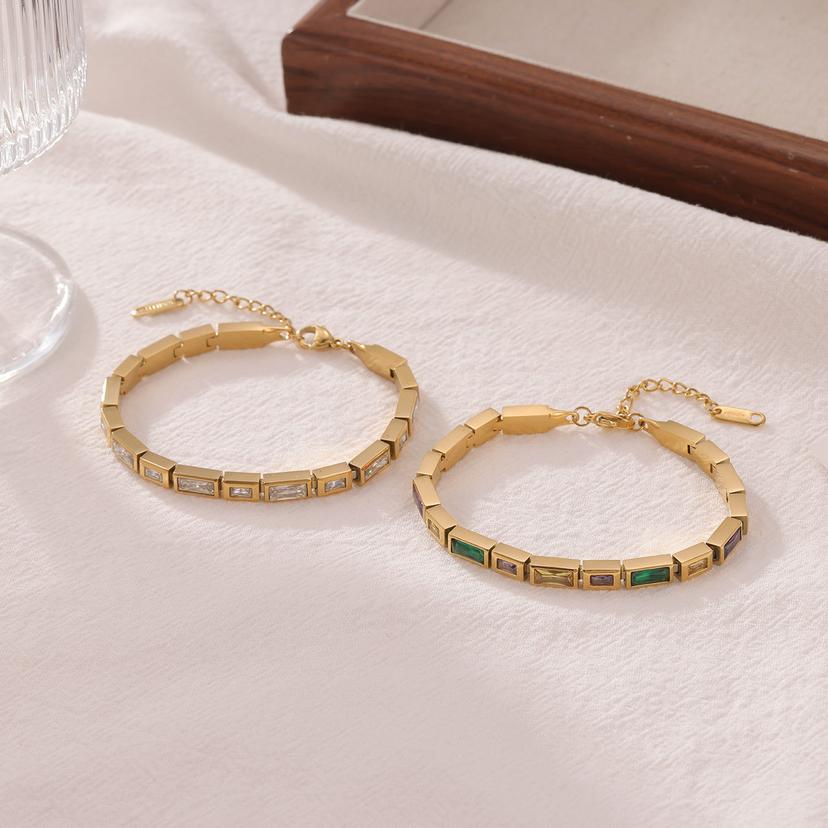
What Jewelry Brands Should Look for When Choosing a Stainless Steel Manufacturer
If you are a jewelry brand considering stainless steel collections, choosing the right manufacturer is critical. Here is what to look for:
Material Certification
- Confirm the manufacturer uses 316L or 316 stainless steel, not cheaper 304 or unspecified grades.
- Ask for material certificates and test reports.
Plating Quality and Durability
- Ask about PVD plating thickness (measured in microns). Higher micron counts = more durable finish.
- Request salt spray test results and wear test data for plated pieces.
Setting Capabilities
- If your designs include gemstones or diamonds, confirm the factory has experienced stone setters.
- Ask for samples of set pieces.
MOQ Flexibility and Lead Times
- New brands need manufacturers who can accommodate low MOQs for sampling and small initial runs.
- Confirm sample turnaround time (typically 7–20 days for stainless steel).
OEM and ODM Services
- OEM (Original Equipment Manufacturer): You provide the design; they manufacture it.
- ODM (Original Design Manufacturer): They design and manufacture; you white-label it.
- Many growing brands start with ODM and transition to OEM as they develop their own designs.
Quality Control and Communication
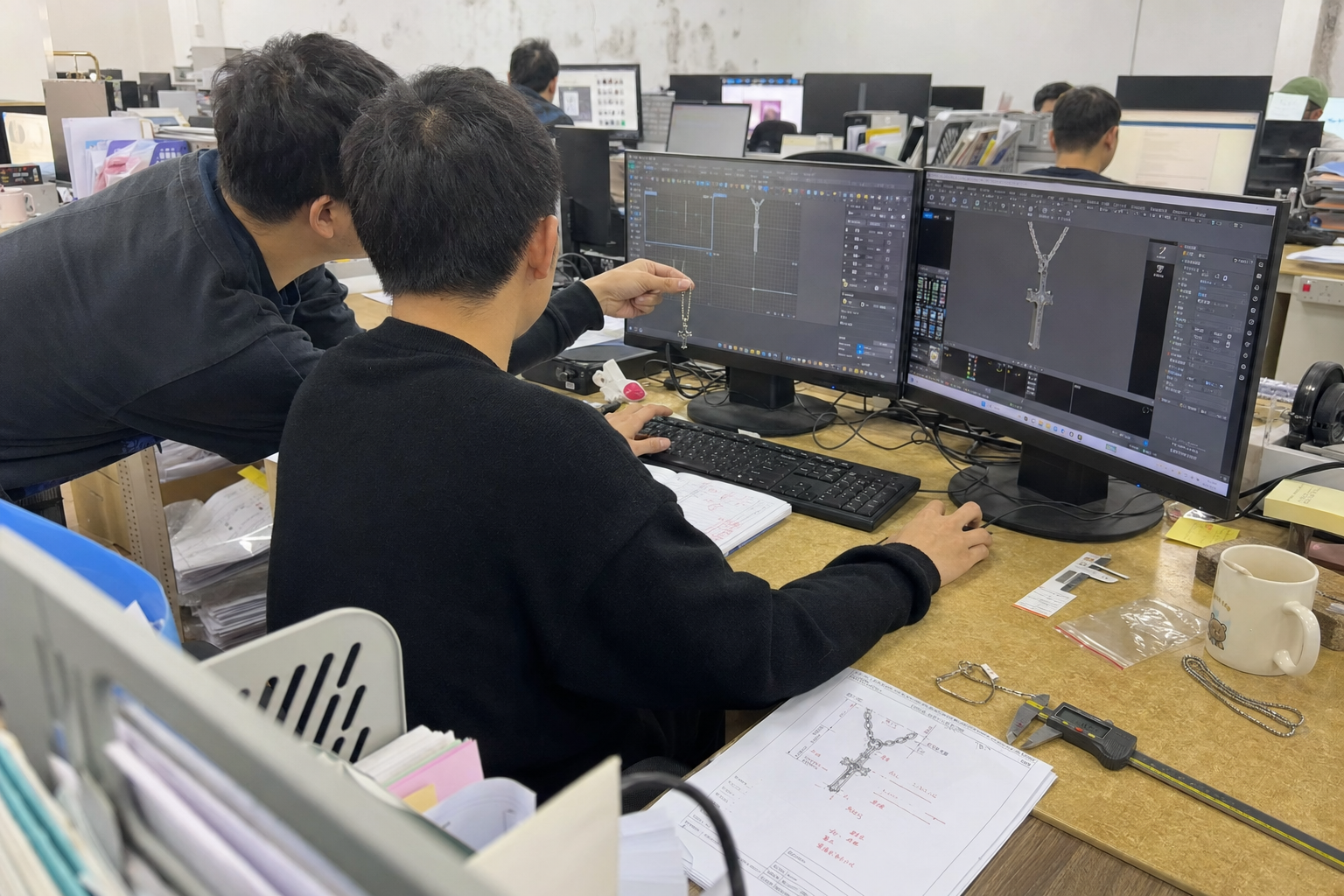
- Look for factories with in-house QC teams and clear communication protocols.
- Request references or case studies from other jewelry brands they have worked with.
Key Takeaways
- Luxury brands choose stainless steel for a combination of durability, cost efficiency, hypoallergenic properties, and design versatility.
- 316L stainless steel is the professional-grade alloy — surgical safe, corrosion-resistant, and long-lasting.
- PVD gold plating on stainless steel delivers the appearance of solid gold at a fraction of the cost, with superior durability.
- Stainless steel supports everyday wear collections, minimalist designs, men's jewelry, and fashion-forward pieces equally well.
- Leading brands position stainless steel as a premium, engineered material — not a compromise.
- Choosing the right OEM/ODM manufacturer is the most important operational decision for brands entering stainless steel production.
Conclusion
Luxury jewelry brands use stainless steel because it delivers on every dimension that matters: beauty, durability, skin safety, and production economics. It is not a second-rate material — it is an engineered solution that meets the demands of modern jewelry consumers better than most alternatives. From PVD gold-plated fashion pieces to diamond-set minimalist rings, stainless steel has earned its place in premium jewelry collections worldwide.
For brands ready to build or scale their stainless steel jewelry line, Jewins is a trusted OEM/ODM manufacturer with deep expertise in 316L stainless steel jewelry production. Jewins works with jewelry brands of all sizes to produce PVD-plated, gemstone-set, and fully custom stainless steel pieces with consistent quality and competitive pricing. Whether you are launching your first collection or scaling an established line, Jewins provides the manufacturing reliability that growing brands need.
Frequently Asked Questions
Why do luxury brands choose stainless steel over gold?
Luxury brands choose stainless steel because it dramatically lowers production costs while maintaining a premium appearance. With PVD gold plating, stainless steel pieces are visually indistinguishable from solid gold. Stainless steel is also more durable, scratch-resistant, and suitable for everyday wear than gold, which is softer and prone to surface damage.
Is stainless steel jewelry considered real jewelry?
Yes. 316L stainless steel jewelry is considered genuine fine jewelry by industry standards. It is used in luxury watch cases, surgical instruments, and high-end accessories. The quality of the metal and the craftsmanship determine whether a piece is "real" jewelry — not the price of the raw material.
What grade of stainless steel do luxury brands use?
Luxury and professional jewelry brands use 316L stainless steel, also called surgical-grade or marine-grade steel$.$ It is hypoallergenic, corrosion-resistant, and safe for daily contact with skin. Lower grades like 304 are sometimes used in cheaper fashion jewelry but are not the professional standard.
Does stainless steel jewelry last longer than gold-plated silver jewelry?
Generally, yes. Sterling silver tarnishes and scratches easily. Gold plating on silver wears away faster than PVD plating on stainless steel. A well-made PVD-coated stainless steel piece will typically outlast traditional gold-plated silver under the same daily wear conditions.
Why is stainless steel used in luxury watches and now jewelry?
Luxury watchmakers adopted stainless steel decades ago for the same reasons jewelry brands are now embracing it: it is hard, corrosion-resistant, easy to finish beautifully, and holds its appearance under daily use. The success of stainless steel in haute horlogerie (high-end watchmaking) has demonstrated that the material is fully compatible with luxury positioning.
Can stainless steel jewelry be set with real diamonds and gemstones?
Yes. 316L stainless steel is hard and stable enough to hold prong, bezel, channel, and pave settings securely. Many luxury and mid-range brands set genuine diamonds, sapphires, rubies, and other precious gemstones in stainless steel pieces. The result is a genuinely fine piece of jewelry at a more accessible price point.
Is PVD gold-plated stainless steel better than regular gold plating?
Yes, significantly. Traditional gold plating uses electroplating, which deposits a thin layer of gold that can peel, flake, or fade within months. PVD (Physical Vapor Deposition) bonds the coating at a molecular level, making it far more resistant to scratching, fading, and daily wear. Most professional jewelry manufacturers specify PVD for stainless steel pieces that are intended for long-term use.
How should brands position stainless steel jewelry to luxury consumers?
Brands should lead with material performance rather than apologizing for the price. Describing pieces as "316L surgical-grade stainless steel with 18K PVD gold coating" signals precision, quality, and intentional material choice. Emphasizing waterproof properties, hypoallergenic certification, and durability resonates strongly with modern luxury consumers who prioritize lifestyle suitability over traditional status signals.
Build Your Jewelry Collection with a Reliable OEM/ODM Supplier
Jewins helps jewelry brands, wholesalers, and private label buyers develop 316L stainless steel jewelry with practical sample support, stable production, quality checks, and packaging options. From material selection to bulk-order delivery, we focus on clear communication, realistic claims, and consistent quality.