
You finally buy the perfect earrings, but within hours, your earlobes are throbbing, red, and intensely itchy. According to clinical dermatologists, these frustrating symptoms of nickel contact dermatitis cause roughly 90% of jewelry-related allergic reactions. Standard fashion pieces heavily rely on cheap base metals, triggering immediate inflammation the moment sweat touches the surface.
Think of creating metal alloys like baking a cake, where both the ingredients and the mixing process matter. Crafting a genuinely skin-safe metal for costume jewelry requires a highly stable recipe. High-quality mixtures trap tiny irritants deep inside their chemical structure, so those allergens do not touch your body.
This structural "shield" prevents daily discomfort, allowing you to wear jewelry without irritation. Rather than wasting money on trendy pieces you cannot wear with comfort, learn how high-grade steel protects your skin. This will help you become an informed, confident shopper.
Decoding 'Hypoallergenic': The Truth About Nickel and Your Skin
Seeing "hypoallergenic" on a tag feels like a guarantee, but it is actually a largely unregulated marketing term. While you already know nickel causes itchy, red earlobes, something may surprise you.
Most hypoallergenic jewelry still contains small traces of nickel.
The secret is not removing nickel fully, but stopping it from leaching into your skin.
Leaching means nickel can escape the metal and soak into your skin.
To protect consumers, strict safety rules were created to limit nickel leaching.
One example is the EU Nickel Directive.
It sets legal limits on how much nickel can leach out over time.
Manufacturers achieve this safety using a microscopic shield called a chromium oxide layer. Adding chromium creates an invisible, self-healing barrier that tightly locks the irritants inside. The presence of chromium defines the standard labels you encounter when shopping for jewelry materials that won't irritate skin:
- Nickel free jewelry: Completely devoid of nickel, which is surprisingly rare and often expensive.
- Hypoallergenic jewelry contains trace nickel, and a protective chromium shield safely traps it.
Your all-day comfort ultimately depends on the strength of that invisible barrier. Not all metals maintain this shield when exposed to sweat, which is why choosing the right "surgical" steel to protect you is so important.
316L vs. 304 Grade: Choosing the 'Surgical' Steel That Actually Protects You
Seeing "surgical steel" on a label feels comforting, but the term is actually a surprisingly broad umbrella. Just like "sterling" defines silver quality, steel grades dictate how the metal will behave on your body. To truly protect your skin, you must understand the difference between 304 and 316L stainless steel.
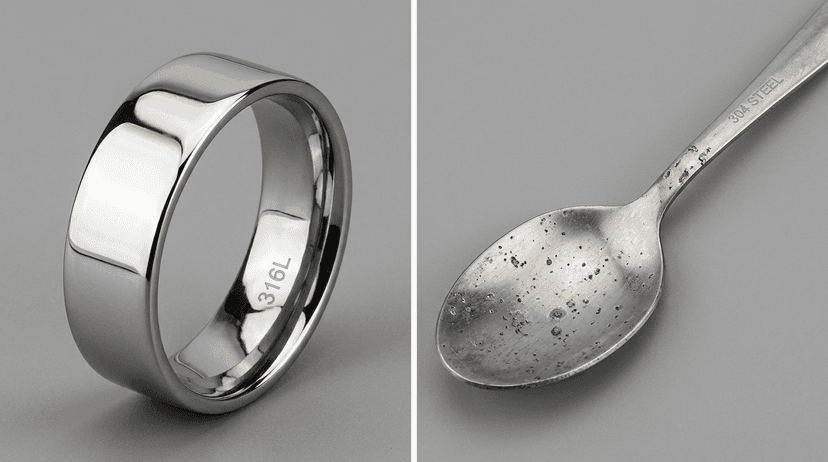
Everyday items, from your kitchen sink to soup spoons, rely heavily on the standard 304 grade. While durable enough for household chores, it lacks the specialized chemistry required for safe 316L stainless steel jewelry. The premium 316L version gains its protective superpower from a specific extra ingredient mixed into the alloy: molybdenum.
Adding this element acts like an armor upgrade for your jewelry's invisible chromium shield. Molybdenum stops the metal from degrading when exposed to the harsh, salty sweat generated during intense gym sessions.
This strong resistance to body fluids creates true biocompatibility. It ensures the metal can rest against your skin for years.
Experiencing these 316L surgical grade steel benefits requires checking the fine print rather than trusting generic marketing. Demanding this exact alloy stops the chemical breakdowns that ruin your comfort.
The 'Green Skin' Myth: Why Quality Steel Stays Shiny Without the Stains
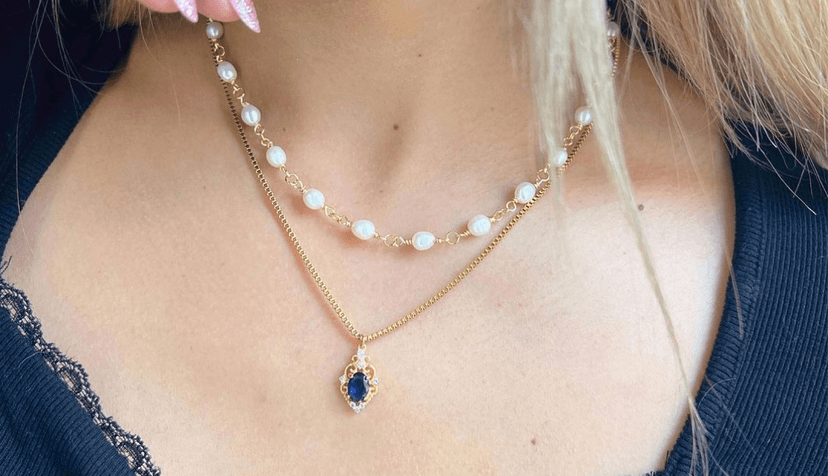
Discovering a dark green band painted across your collarbone after a long day is incredibly frustrating. Unlike red, itchy nickel allergies, this green tint results from a harmless reaction called oxidation.
When acidic sweat mixes with copper or brass, common metals in cheap jewelry, the metal corrodes. It leaves a green residue. Preventing green skin from metal necklaces simply requires materials that completely ignore your body's chemistry.
High-quality stainless steel jewelry acts as an inert metal, making it chemically incapable of creating this mess. The protective chromium shield behaves like a microscopic raincoat, sealing the core away from reactive moisture. With absolutely no surface copper breaking down against your body, your skin stays flawlessly clean.
This inherent stability makes premium steel one of the most reliable non-tarnishing daily wear jewelry options available. You can safely shower and exercise without constantly scrubbing stains off your fingers.
Surgical Steel vs. Sterling Silver: Deciding the Best Metal for Daily Wear
Choosing between metals often means compromising between tradition and longevity. Pure silver is famously soft, so jewelers create a "925" alloy—mixing 92.5% silver with 7.5% other metals for strength. Even then, silver ranks a low 2.5 on the Mohs hardness scale, scratching easily.
Conversely, 316L steel boasts industrial strength that resists daily damage. This durability explains why people ask if they can wear stainless steel in the shower. Yes, you can.
Beyond durability, your skin's chemistry dictates what you can wear safely. That 7.5% filler in 925 silver frequently harbors reactive copper or nickel.
When comparing surgical steel and sterling silver for sensitive skin, surgical steel offers better protection. Frequently, it’s the ideal option for sensitive ears and new piercings. Consider this quick comparison:
- 925 Sterling Silver: Classic aesthetic, but bends easily and may contain reactive allergy-triggering fillers.
- 316L Surgical Steel: Budget-friendly, scratch-resistant, and locks potential irritants away from your skin safely.
While traditional silver requires regular polishing to survive, premium steel offers effortless, everyday comfort. Finding pieces that actually meet these standards requires knowing exactly what to look for online.
The 3-Step Audit: How to Identify Genuine Medical Grade Jewelry Online
Online shopping feels like a gamble when every store claims their earrings are perfect for sensitive skin.
They have a thin coating that wears off fast.
When it rubs off, it can expose your skin to harsh irritants. To ensure stainless steel jewelry is safe for daily wear, master a quick listing audit before checking out.
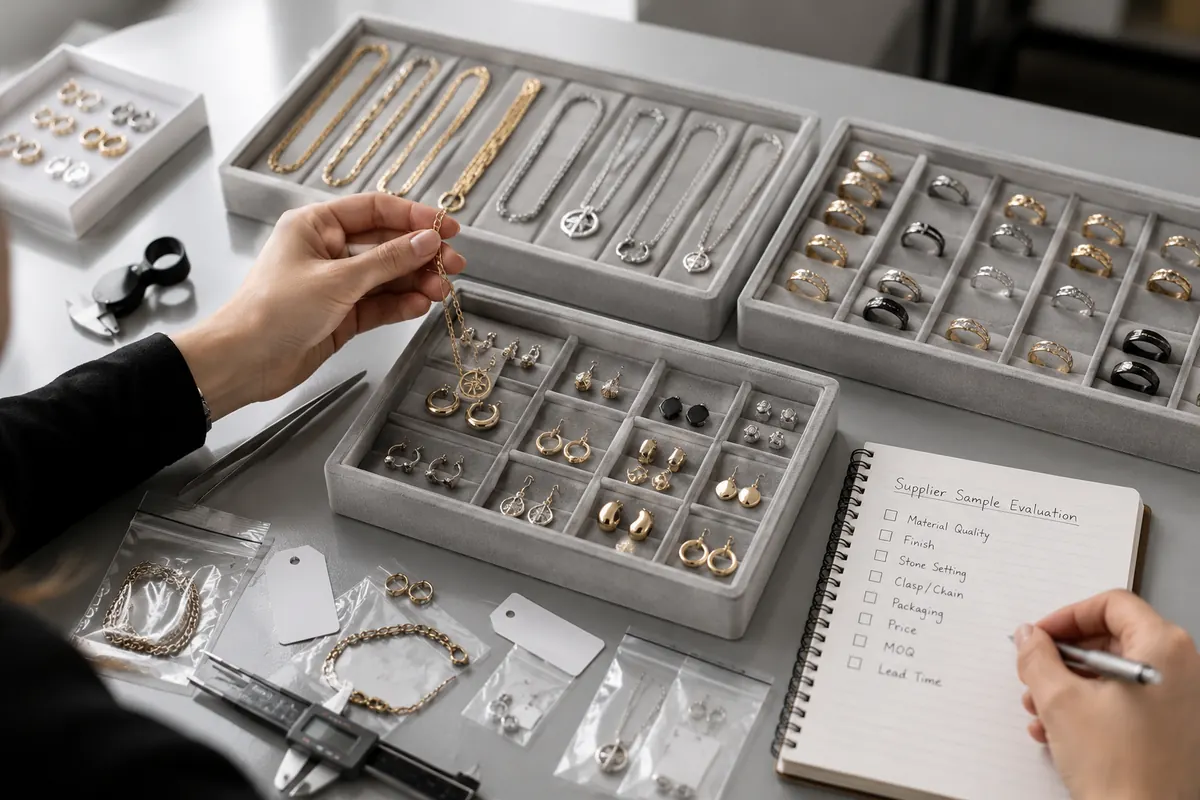
Reputable brands gladly share their material specifications rather than hiding behind buzzwords. To confirm hypoallergenic claims for stainless steel jewelry, look for ASTM standards.
For example, ASTM F138 is the official standard for medical implants. If a product description seems vague, ask the jeweler these three questions:
- Is the core solid 316L steel, or is it plated brass?
- Does this piece meet specific ASTM manufacturing standards?
- Are any non-regulated nickel fillers included in the alloy composition?
Mastering these identification steps protects your skin from common plating fraud. If you prefer yellow gold to silver-toned steel, you can look into special coatings. These options can protect your skin health.
Vacuum Plating (PVD) Explained: How to Wear Gold Without the Allergy Flare-Ups
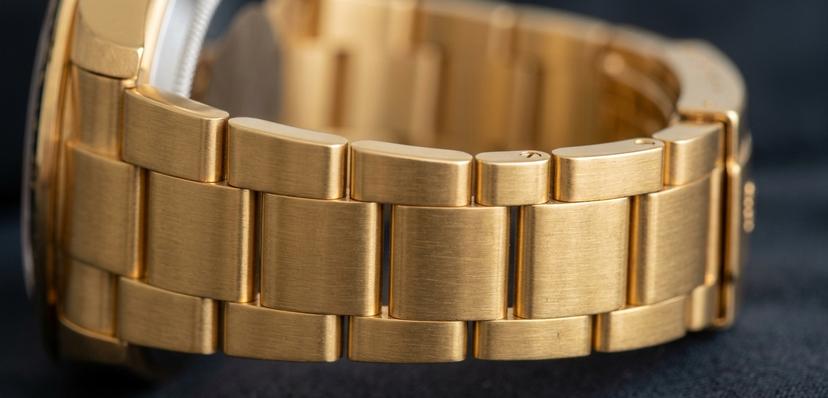
Craving yellow gold but terrified of itchy earlobes? The secret to safe, colorful wear comes down to understanding vacuum plating vs standard gold plating. Traditional electroplating acts like a thin layer of cheap paint that inevitably chips and flakes, exposing your sensitive skin to hidden base metals.
Physical Vapor Deposition (PVD) solves this problem entirely. Instead of liquid chemical dips, manufacturers spray gold vapor onto metal inside a vacuum chamber.
This makes the color bond at a molecular level. While many still ask if surgical steel is nickel-free, this dense PVD coating acts as a strong shield. It locks any trace irritants away from your pores.
This advanced molecular bonding also boosts the durability of surgical-grade steel rings and bracelets. It makes them highly scratch-resistant.
Because this vacuum seal fuses so tightly, PVD-coated pieces outlast standard plated options ten times over. You finally get the luxurious look of gold without the notorious fading or allergy flare-ups.
Building a Sensitive-Safe Jewelry Collection: Your Action Plan for Irritation-Free Style
You no longer have to cross your fingers and hope new earrings won't leave your earlobes throbbing. By understanding metal grades, you can confidently choose pieces that promote long-term skin health without sacrificing style. Finding stainless steel jewelry safe for daily wear is simply about knowing what to verify on the label.
To safely explore biocompatible metals for fashion accessories, implement this 3-step verification process for every future purchase:
- Confirm the exact grade: Look specifically for "316L" or "surgical steel," avoiding pieces with generic labels.
- Build your foundation: Create a curated list of must-have 316L pieces for a versatile collection.
- Experience the difference: Wear your new piece regularly to confirm true all-day comfort.
You can stop seeing hypoallergenic stainless steel jewelry as a vague marketing term. You can use it as a trusted option for sensitive skin. By choosing the right premium alloy, you invest in beautiful, reaction-free jewelry that lasts for years.