
Everything jewelry brand owners, wholesale buyers, and sourcing managers need to know about the durability, longevity, and real-world performance of gold-finished stainless steel jewelry.
No — quality gold stainless steel does not tarnish under normal conditions. The stainless steel core, particularly 316L grade, is inherently corrosion-resistant. When finished using PVD (Physical Vapor Deposition) coating, the gold surface bonds at a molecular level and offers dramatically superior durability compared to standard electroplating. The result is a piece that resists daily moisture, sweat, and wear without fading, greening, or discoloring.
Is Gold Stainless Steel Good for Everyday Wear?
Yes — it is one of the best choices available for everyday jewelry. High-quality gold stainless steel, particularly pieces finished with PVD coating over a 316L base, is designed precisely for continuous wear. It is genuinely waterproof, resistant to sweat and body chemistry, and classified as hypoallergenic jewelry suitable for the vast majority of wearers including those with sensitive skin.
What makes it the best tarnish-free jewelry option at its price tier is the combination of factors: the stainless steel core cannot corrode, the PVD gold surface is bonded at a molecular level rather than simply deposited on top, and the overall piece requires none of the careful maintenance that sterling silver or brass-based jewelry demands. Shower in it, work out in it, travel with it — it holds up where most other everyday wear jewelry fails.
For brands building a collection around anti-tarnish, waterproof-positioned, or hypoallergenic jewelry, PVD gold stainless steel is the material the market evidence consistently points to.
What Is Gold Stainless Steel Jewelry, Exactly?
Gold stainless steel jewelry is stainless steel — almost always surgical-grade marine grade 316L stainless steel — finished with a gold-colored coating. It is not solid gold. The gold appearance comes from either PVD (Physical Vapor Deposition) coating or traditional electroplating applied over the corrosion-resistant steel base. The result is anti-tarnish stainless steel jewelry that combines the durability of an industrial-grade alloy with an accessible gold aesthetic.
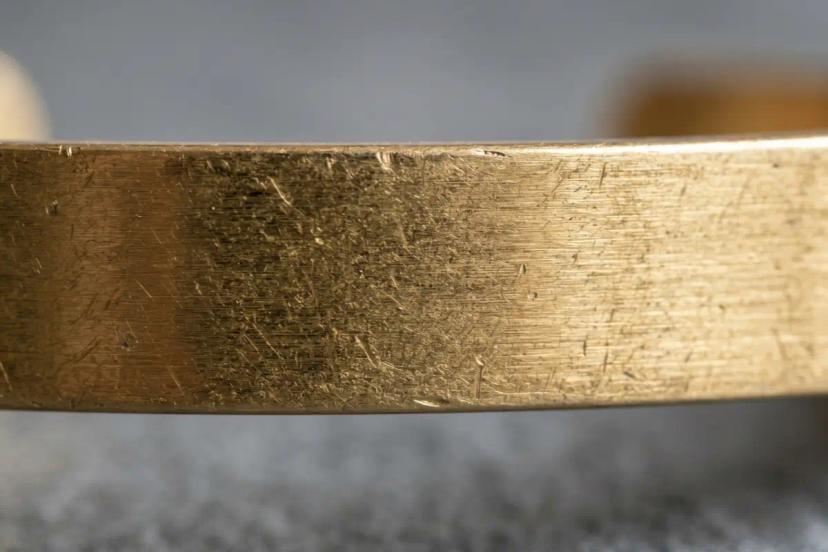
The term "gold stainless steel" refers to stainless steel jewelry that carries a gold-colored surface finish — not jewelry made from gold itself. The core material is almost always 316L stainless steel, the surgical-grade alloy trusted across medical implants, marine hardware, and, increasingly, fine jewelry manufacturing. Materials engineers consistently describe 316L as one of the most corrosion-resistant consumer alloys used in wearable products.
What gives these pieces their gold appearance comes down to one of two processes: traditional electroplating or advanced PVD coating. These two methods produce surfaces that look nearly identical in photographs but behave very differently over months and years of real wear. Understanding that difference is the foundation for every smart sourcing decision a jewelry brand owner makes.
Low-carbon surgical grade with outstanding corrosion resistance and high tensile strength — the benchmark base material for durable jewelry.
Physical vapor deposition bonds titanium nitride or zirconium nitride at the atomic level — producing a finish 4–5× thicker than electroplating.
Ion plated stainless steel uses charged particles to achieve superior adhesion over conventional plating. Often used interchangeably with PVD in manufacturing.
A thin gold layer deposited via electrical current. Cost-effective and widely available, but significantly more susceptible to wear and moisture over time.
316L's defining advantage is its composition: roughly 16–18% chromium, 10–14% nickel, and 2–3% molybdenum. The chromium reacts with oxygen to form a microscopically thin, self-repairing oxide layer across the surface — what materials scientists call a passive film. This is the invisible shield that stops rust, staining, and tarnish before they can begin.
316L stainless steel is widely considered one of the best anti-tarnish jewelry base metals available today — trusted across surgical instruments, marine components, and premium consumer jewelry for exactly the same chemical reasons.
Authority Statement · Material EngineeringFor anyone asking whether stainless steel jewelry is good quality: the answer depends entirely on the alloy grade and the surface process. With 316L as the base and PVD as the finish, you have one of the most technically defensible tarnish resistant jewelry combinations in modern manufacturing — not because of marketing language, but because of metallurgy.
Why Stainless Steel Is Inherently Tarnish-Resistant
Stainless steel resists tarnish because its chromium content reacts with oxygen to form a self-repairing passive oxide layer across the surface — blocking the oxidation reactions that cause other metals to darken or corrode. In 316L, molybdenum adds a second layer of protection against chloride attack from sweat and salt water, which is why surgical grade stainless steel jewelry genuinely earns its tarnish-free reputation.
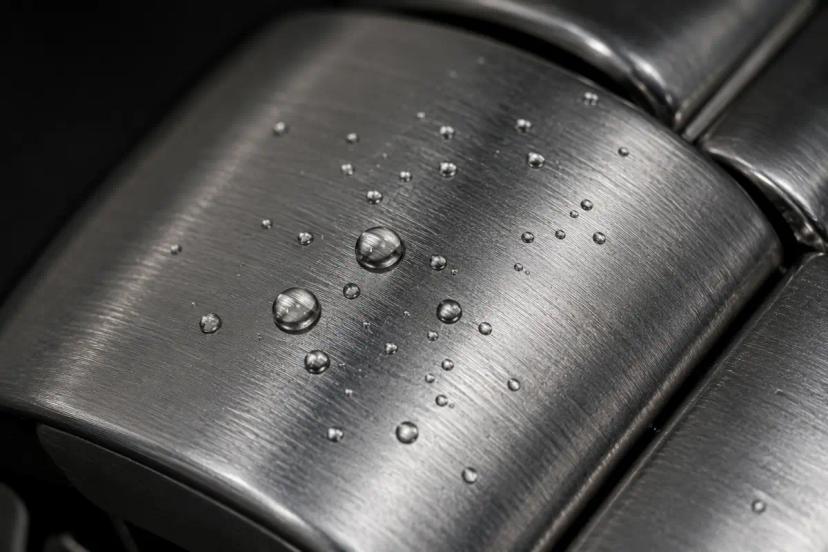
Tarnish is an oxidation reaction. When metals like silver, brass, or copper come into contact with oxygen, sulfur compounds in the air, or body chemistry, they react — darkening, discoloring, and eventually corroding. Stainless steel sidesteps this process at the chemistry level.
"The passive oxide layer on stainless steel doesn't just resist corrosion — it rebuilds itself when scratched or abraded, making it one of the only structural metals with genuine self-healing surface chemistry."
— Materials Science Principle · Passive Film FormationThe chromium content in 316L stainless steel forms chromium oxide (Cr₂O₃) the instant the metal is exposed to air. This layer is just a few nanometers thick — invisible to the naked eye — but dense enough to block oxygen and moisture from reaching the iron in the alloy beneath. Remove it through aggressive abrasion and it reforms within hours.
The molybdenum added to 316L (the "L" designating low carbon) further enhances resistance to chloride attack — the kind that marine environments and perspiration deliver. This is why 316L earns the nickname marine-grade stainless steel, and why it translates so naturally to jewelry that customers wear in the shower, at the gym, or at the beach. Jewelry manufacturing standards consistently favor 316L for waterproof anti-tarnish jewelry precisely because of this dual-layer protection.
For a gold-finished stainless steel piece to tarnish, the surface coating would need to fail completely — and the base metal would still resist corrosion on its own. The protection works in layers.
In short: 316L stainless steel resists tarnish because its chromium passivation layer continuously regenerates — and its molybdenum content shields against the chloride corrosion that sweat and salt water create. Gold stainless steel jewelry does not tarnish because of this built-in chemistry, not despite it.
So Why Do Some "Gold Stainless Steel" Pieces Fade?
Some gold stainless steel jewelry fades because the gold finish was applied too thinly via standard electroplating — not because the base metal corrodes. When a plating layer under 0.5 microns wears away from friction, sweat, and chemical exposure, the silver-toned steel beneath is revealed. This looks like tarnishing to consumers but is coating wear, not oxidation. PVD gold stainless steel avoids this through a molecularly bonded finish that is dramatically thicker and more durable.
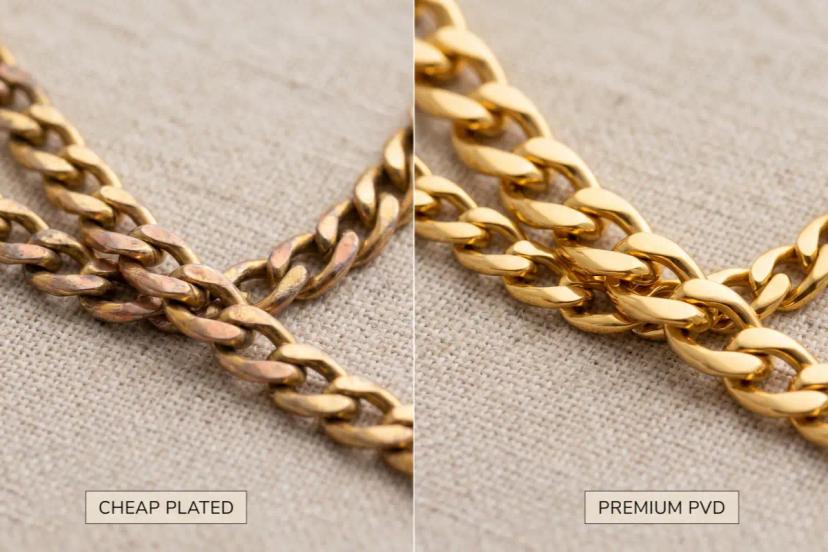
Here is the distinction that separates informed buyers from disappointed ones: the stainless steel core is permanent. The gold finish is not — unless it was applied correctly.
Budget-tier gold stainless steel jewelry is often electroplated with a layer measuring just 0.1 to 0.5 microns thick. At that thickness, daily contact with skin oils, perfume, hand sanitizer, chlorinated water, and simple friction begins stripping the finish within weeks. The stainless steel beneath won't tarnish, but the gold color disappears — revealing the silvery base, which some consumers wrongly interpret as the entire piece "tarnishing."
Important distinction: When gold stainless steel "fades," it's the plating wearing off — not tarnish. The base metal stays intact. This distinction matters enormously for brand positioning and customer education.
What separates high-quality gold stainless steel from commodity pieces is the thickness and adhesion method of the gold finish. PVD-coated stainless steel — properly applied — measures 0.5 to 5 microns in thickness, with a bond strength up to ten times greater than conventional plating. Titanium Nitride (TiN) coatings in particular produce a gold tone so stable that the aerospace and surgical instrument industries rely on it for components that must withstand years of extreme conditions.
The takeaway for jewelry brands sourcing at scale: ask your manufacturer which process they use, confirm the coating thickness specification, and request salt spray or wear testing data if volume and longevity matter to your customers. This is the operational difference between a custom stainless steel jewelry program that retains customers and one that generates returns.
Gold stainless steel does not technically tarnish; what consumers sometimes observe as fading is coating wear on the surface finish — not oxidation of the metal itself. PVD-coated stainless steel eliminates even that limitation, offering one of the strongest durability-to-cost ratios in modern jewelry manufacturing.
Authority Statement · Manufacturing PerformanceIn short: When a gold stainless steel piece fades, the stainless steel base does not tarnish — the gold coating wears away. PVD ion plated jewelry solves this because the coating bonds at the atomic level, not merely at the surface. The difference in real-world lifespan is measured in years, not months.
PVD Coating vs. Electroplating: A Direct Comparison
PVD coating and electroplating both produce gold-colored stainless steel jewelry, but they are not equivalent. PVD (Physical Vapor Deposition) bonds coating material at the molecular level inside a vacuum chamber, producing a finish 5–10× thicker and dramatically harder than electroplating. The result is a piece that is genuinely waterproof, sweat-resistant, and tarnish-free for years. Standard electroplating deposits a thin layer chemically — effective initially, but far more vulnerable to daily wear. For stainless steel vs gold plated jewelry comparisons, PVD wins on longevity.
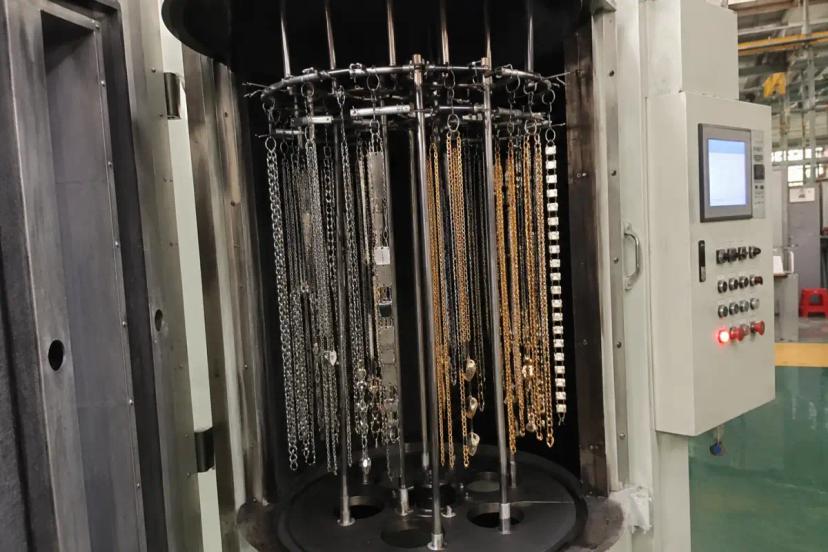
Not all gold finishes are equal. This table breaks down the two dominant surface treatment methods used in stainless steel jewelry manufacturing — so buyers and brand owners can make decisions based on facts, not marketing language. According to surface coating studies, PVD coatings can outperform conventional electroplating in abrasion resistance by multiple times, making them the preferred process for premium anti-tarnish stainless steel jewelry.
| Property | PVD / Ion Plating | Standard Electroplating |
|---|---|---|
| Process method | Physical vapor deposition in vacuum chamber; atomic-level bonding | Electrolytic deposition from solution |
| Typical thickness | 0.5–5 microns | 0.1–0.5 microns |
| Adhesion strength | Excellent — molecular bond | Moderate — surface adhesion |
| Tarnish resistance | Excellent | Fair to good |
| Fade/wear resistance | Very high | Low to moderate |
| Water resistance | Excellent — daily wear safe | Limited — avoid prolonged exposure |
| Sweat resistance | Very high | Low |
| Estimated lifespan | 3–10+ years with normal care | 6 months–2 years |
| Cost to manufacture | Higher (specialized equipment) | Lower (widely available) |
| Environmental profile | Lower chemical waste | Chemical bath disposal required |
| Ideal for | Premium brands, anti-tarnish positioning, everyday jewelry | Fashion jewelry, trend pieces, lower price points |
When reviewing supplier capabilities, ask specifically for "PVD gold" or "IP gold" rather than generic "gold plated stainless steel." Reputable manufacturers will readily confirm their process and provide coating thickness specifications in writing.
In short: PVD gold stainless steel resists tarnish and fading because both the coating and the base alloy are independently corrosion-resistant — and the molecular bond between them is stronger than any electroplated alternative. That dual-layer durability is what makes ion plated jewelry the quality benchmark for tarnish free jewelry at a non-precious-metal price point.
Can Gold Stainless Steel Turn Your Skin Green?
No. Properly manufactured gold stainless steel jewelry does not turn skin green. The green discoloration from jewelry comes from copper reacting with skin acids — and 316L stainless steel contains no copper. Its alloy is iron, chromium, nickel, and molybdenum. With a PVD gold finish adding a non-reactive barrier on top, the question of whether stainless steel turns skin green has a clear answer: it doesn't, provided the base metal is genuine 316L.
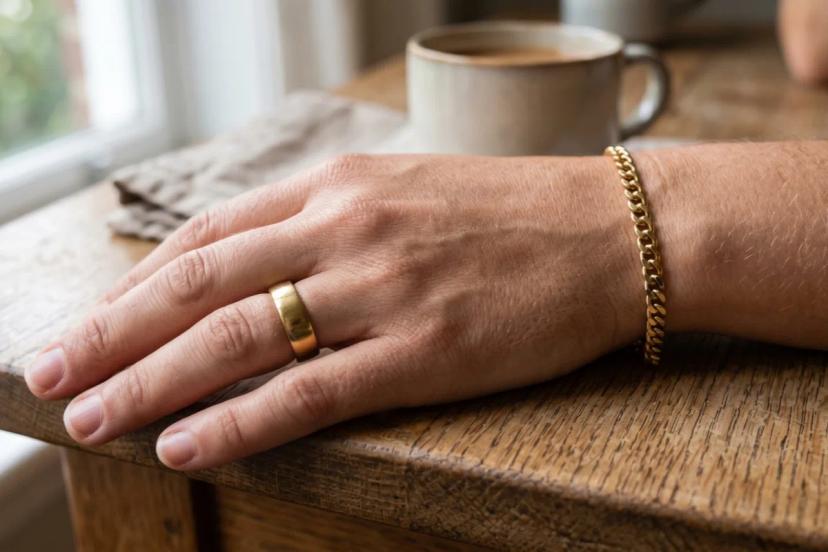
The green skin phenomenon comes from copper. When copper-based alloys — brass, bronze, some lower-grade gold plating — react with skin acids and moisture, they form copper chloride compounds that temporarily dye the skin. It's harmless, but unsightly, and a primary consumer complaint in the fast fashion jewelry market.
Properly manufactured gold stainless steel contains no copper in the base metal. 316L stainless steel's alloy composition — iron, chromium, nickel, and molybdenum — does not produce the copper chloride reactions that cause green skin. Under normal circumstances, gold stainless steel jewelry will not turn skin green.
The one scenario where discoloration could occur: a very thin, cheap electroplate that wears through entirely, combined with a base metal that contains copper in its alloy (which some manufacturers substitute for genuine 316L). This is a quality control and material sourcing issue — not an inherent property of the material category.
Verified 316L stainless steel with PVD gold coating: no copper, no green skin, no reactions. This is one of the strongest selling points for brands transitioning customers from brass or bronze jewelry.
Is Gold Stainless Steel Jewelry Hypoallergenic?
Yes — for the vast majority of wearers. Is gold stainless steel hypoallergenic? The straightforward answer is yes. Surgical grade stainless steel jewelry made from 316L is biologically compatible and used in medical implants worldwide. Its nickel is alloy-bound and released at rates well within EU REACH safety limits. With a PVD coating adding a non-reactive surface barrier, gold PVD stainless steel is among the most skin-safe choices in the entire fashion jewelry market. Only those with confirmed severe nickel hypersensitivity should consider alternatives like titanium.
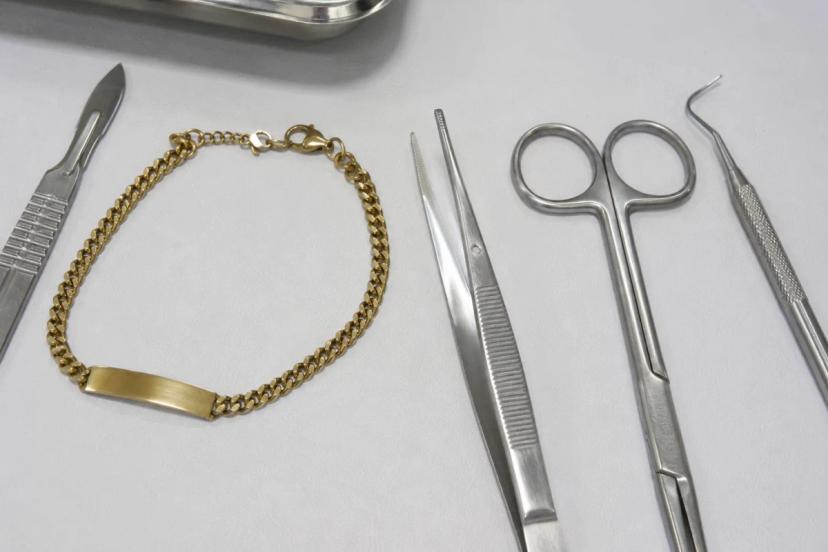
316L stainless steel is widely regarded as hypoallergenic and is used in surgical implants, orthopedic devices, and medical instruments — a standard that speaks to its biological compatibility. For the vast majority of wearers, including those with sensitive skin, it poses no issues.
The nuance worth understanding: 316L does contain nickel (roughly 10–14%), but the metal is bound tightly within the alloy matrix and — unlike in brass or white gold — is not readily released through ion migration under normal wear conditions. The European Union's REACH regulation sets strict limits on nickel release from jewelry, and well-manufactured 316L pieces consistently test within safe parameters.
When PVD or IP coating is applied over the stainless steel surface, it creates an additional barrier between the metal and skin — further reducing any theoretical exposure. This layered protection makes PVD gold stainless steel among the most skin-safe options available in the fashion jewelry market, comparable in biological safety to titanium and surgical platinum.
- Safe for sensitive skin and most metal allergies
- No copper or zinc in 316L — the two primary causes of contact dermatitis from jewelry
- PVD/IP coating adds a non-reactive surface layer over the base alloy
- Compliant with EU nickel release standards when properly manufactured
- Trusted in medical-grade applications where biocompatibility is non-negotiable
For jewelry brands targeting consumers with metal sensitivities — a fast-growing market segment — positioning gold PVD stainless steel as a nickel-safe, hypoallergenic choice is both accurate and commercially valuable.
How Long Does Gold Stainless Steel Jewelry Actually Last?
How long does gold stainless steel jewelry last? With PVD coating over 316L, realistically 3–10 years of daily wear before any meaningful finish degradation — and many pieces show no visible change after five or more years. Standard electroplated gold stainless steel lasts 6 months to 2 years depending on wear intensity. The base steel itself lasts indefinitely. Coating quality — specifically thickness and process type — is the single biggest variable. Can you shower with stainless steel jewelry? Yes, especially PVD-finished pieces; they're built for exactly that.
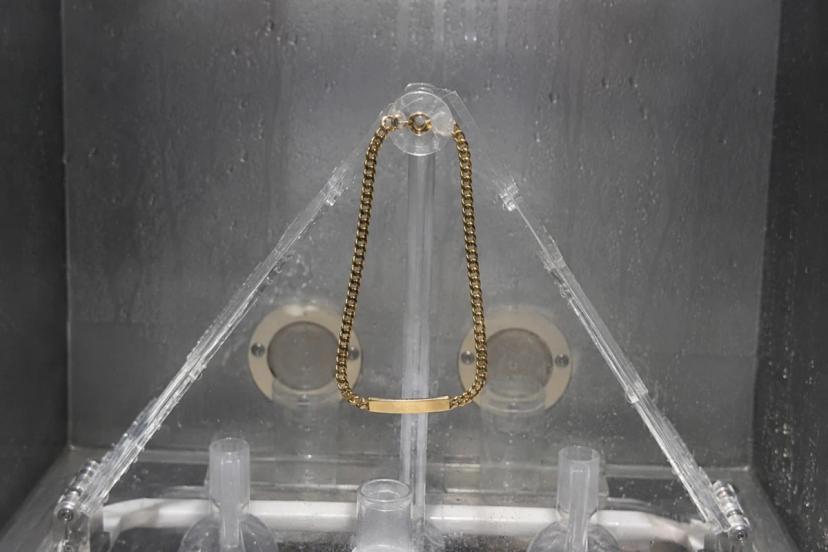
Durability is where the format separates itself from virtually every other material at a comparable price point. The numbers below reflect real-world manufacturing specifications and durability data, not marketing claims.
Electroplated gold stainless steel jewelry, purchased from quality-conscious manufacturers, will typically maintain its finish for six months to two years under regular wear — less if the customer swims, exercises heavily, or uses abrasive products near the jewelry. PVD-finished pieces extend that window considerably, with many consumers reporting pristine finish retention after three to five years of daily use.
Several variables influence actual lifespan:
- Coating thickness and process quality — the single biggest differentiator between suppliers
- Wear frequency and environment — gym, pool, and beach wear accelerates all coatings
- Skin chemistry — high-acidity perspiration is harder on surface finishes
- Chemical exposure — perfume, hairspray, chlorine, and cleaning products shorten coating life
- Mechanical abrasion — rings and bracelets experience far more friction than earrings
For brands building long-term customer relationships, this longevity matters. Jewelry that lasts years — not months — reduces returns, builds trust, and generates genuine word-of-mouth. That's a compounding commercial advantage, not just a product spec.
In short: PVD gold stainless steel jewelry typically lasts 3–10 years of daily wear, making it one of the best tarnish-free jewelry materials at its price tier. Electroplated versions last 6 months to 2 years. The base steel — if it is genuine 316L — does not corrode or rust regardless of how long you own the piece.
How to Care for Gold Stainless Steel Jewelry
Stainless steel jewelry care is straightforward precisely because the material is so forgiving. Wipe pieces clean with a soft cloth after workouts or water exposure. Avoid perfume and chemicals directly on the surface. Store pieces separately to prevent scratching. PVD gold stainless steel requires none of the polishing, anti-tarnish pouches, or chemical dips that silver or brass jewelry demands — which is a large part of what makes it the most practical everyday wear option across all price points.
Gold stainless steel's resilience doesn't mean it's invincible — it means it forgives more than other metals. Basic care extends an already long lifespan and keeps finishes looking showroom-fresh for years.
Daily Habits That Preserve the Finish
- Put jewelry on after applying perfume, lotions, and hairspray — let products dry first
- Remove rings and bracelets before handling harsh household chemicals or bleach-based cleaners
- Wipe pieces down with a soft, dry cloth after workouts or extended water exposure
- Store in a soft pouch or lined box — prevent scratches from contact with harder metals
- PVD gold is water-safe, but limiting prolonged submersion maximizes finish longevity
Cleaning Method
- Mild liquid soap and lukewarm water with a soft toothbrush works well for most pieces
- Rinse thoroughly and pat dry with a lint-free cloth — never air-dry with water sitting on the surface
- Avoid ultrasonic cleaners on heavily plated or electroplated pieces — PVD pieces generally tolerate mild ultrasonic cleaning
- Never use abrasive polishing compounds, steel wool, or harsh chemicals like acetone
Brands supplying care cards with their jewelry — specific to the surface treatment used — see measurably lower complaint rates. A simple insert explaining that even PVD gold appreciates minimal chemical exposure is worth the few cents it costs to produce.
How do you care for stainless steel jewelry to keep it looking new? The practical answer is: very little. Unlike sterling silver — which needs regular polishing, anti-tarnish storage, and careful handling around water — waterproof gold jewelry made from PVD 316L stainless steel fits into normal life without a care routine attached. Shower with it on. Wear it to the gym. Travel with it. The occasional gentle wipe with a soft cloth is the full extent of what it asks.
For brands evaluating tarnish resistant jewelry at accessible price points, PVD gold stainless steel represents the clearest performance gap over any plated alternative on the market — and the easiest customer care story to communicate.
Authority Statement · Brand PositioningStainless Steel vs. Brass, Silver, Vermeil, and Gold
When comparing gold stainless steel jewelry against other popular metals, PVD 316L stainless steel leads every practical category except precious-metal prestige. It outlasts brass and silver on tarnish resistance, beats gold vermeil on water safety, and matches solid gold on hypoallergenic performance — at a fraction of the cost. For brands evaluating stainless steel vs gold plated jewelry or weighing up material choices for everyday collections, the durability-to-cost ratio of PVD stainless steel is difficult to argue against.
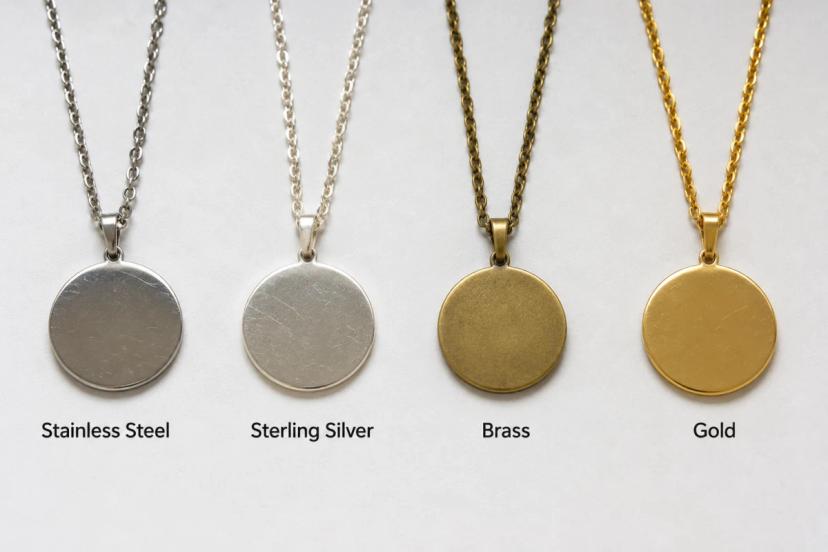
Choosing the right base material shapes every downstream decision — pricing, target customer, marketing claims, and return rates. Here's how gold-finished 316L stainless steel positions against the four most common alternatives.
Best balance of durability, cost, skin safety, and anti-tarnish performance. The workhorse of premium fashion jewelry.
Inexpensive and easy to cast, but brass corrodes rapidly, turns skin green, and requires frequent replating.
Genuine precious metal, but tarnishes readily via sulfur exposure. Requires regular polishing and careful storage.
Sterling silver base with thick gold plating (2.5+ microns). Better than standard plating, but the silver core can tarnish if coating wears through.
| Material | Tarnish Resistance | Water Safe? | Skin Safe? | Longevity | Cost Index |
|---|---|---|---|---|---|
| PVD Gold Stainless Steel | Excellent | Yes | Yes | 3–10 years | $$ |
| Electroplated Gold SS | Very Good | Limited | Yes | 6 mo–2 years | $ |
| Gold Vermeil | Good | No | Yes | 1–3 years | $$$ |
| Sterling Silver | Poor (tarnishes) | Limited | Yes | Indefinite (needs polish) | $$ |
| Brass + Gold Plate | Poor | No | Risk of greening | 3–12 months | $ |
| Solid 18K Gold | Excellent | Yes | Yes | Lifetime | $$$$$ |
- 1
Titanium — Completely corrosion-proof, lightest wearable metal, zero nickel. The gold standard for anyone with severe metal allergies. Limited finish options but unmatched biological inertness.
- 2
PVD 316L Stainless Steel — Best practical balance of durability, cost, gold-finish quality, and skin safety. The benchmark for anti-tarnish stainless steel jewelry at an accessible price point. Genuinely waterproof. Hypoallergenic for most wearers.
- 3
Solid Gold (18K and above) — Never tarnishes, fully waterproof, lifetime durability. The traditional precious-metal benchmark — but cost limits it to the fine jewelry tier and above.
- 4
Platinum — Denser and more corrosion-resistant than gold. Develops a patina rather than tarnishing. Premium price and limited design versatility keep it in the luxury fine jewelry segment.
- 5
Gold Vermeil — Sterling silver base with thick gold plating (2.5+ microns). Precious-metal story helps with positioning but the silver core tarnishes if the plating wears through — a meaningful limitation for everyday waterproof claims.
- 6
Sterling Silver — Genuine precious metal but tarnishes reliably through sulfur exposure and moisture. Requires regular polishing and careful storage. Not suitable for waterproof or tarnish-free positioning.
- 7
Brass — Inexpensive and castable, but corrodes readily, turns skin green, and requires frequent replating. Suitable for trend-driven, short-lifecycle fashion jewelry — not for anti-tarnish or everyday-wear positioning.
For brands operating in the $20–$150 retail range — where solid gold is impractical and brass is a liability — PVD gold over 316L stainless steel occupies a compelling sweet spot. It delivers a product experience that rivals fine jewelry without the material cost, while outlasting conventional plated alternatives by years.
What Jewelry Doesn't Tarnish? Comparing Popular Materials
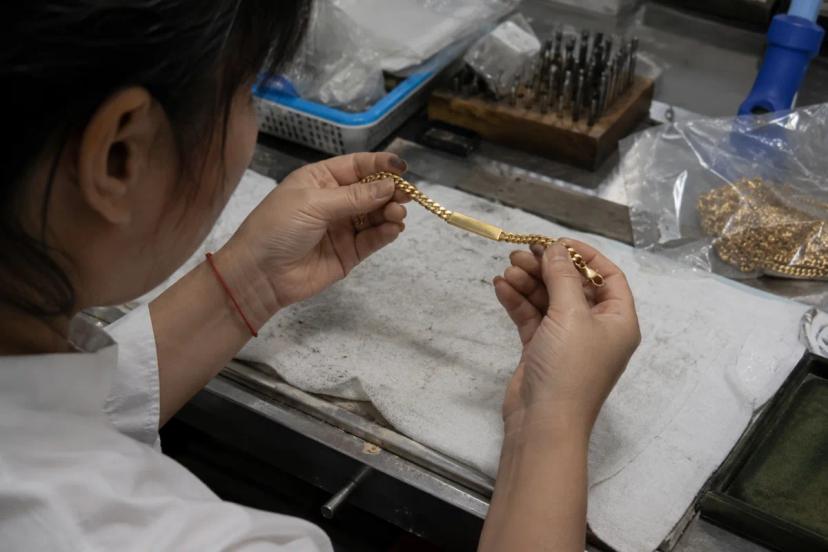
It is a question that drives an enormous amount of purchase research: which materials can actually be trusted not to discolor, cloud, or pit over time? The answer is more nuanced than most buying guides let on — because "tarnish-free" depends not only on the metal itself, but on how it is finished, how thick that finish is, and what conditions the piece regularly encounters.
Genuinely anti-tarnish jewelry — the kind that remains presentable after months of daily wear without special storage or frequent polishing — comes from a short list of materials. Solid platinum and solid gold at 18K or above are the traditional benchmarks: both are chemically stable enough that atmospheric oxidation simply doesn't touch them. But at accessible price points, the conversation shifts quickly toward engineered materials that replicate that stability without the precious-metal cost. This is where PVD-coated 316L stainless steel stands apart from every other option in the everyday wear jewelry category.
The best jewelry for everyday wear must pass a practical test: worn continuously, exposed to shower water, gym sweat, and daily friction, does it look the same in six months as it did on day one? The table below maps each major material category against that standard — giving brand owners and consumers a clear, honest picture of what to expect.
| Material | Tarnish-Free? | Waterproof? | Best for Everyday Wear? | Key Limitation |
|---|---|---|---|---|
| PVD Gold Stainless Steel | Yes | Yes | Excellent | Coating eventually wears at high-friction contact points |
| Solid Platinum | Yes | Yes | Excellent | Very high material cost; limited design range at scale |
| Solid 18K–24K Gold | Yes | Yes | Excellent | Premium price point; 24K is too soft for most jewelry |
| Titanium | Yes | Yes | Very Good | Limited finish options; difficult to resize or rework |
| Gold Vermeil (silver base) | Partial | No | Moderate | Silver core tarnishes if gold layer is breached |
| Sterling Silver | No | Limited | Poor | Tarnishes reliably via sulfur; requires regular polishing |
| Brass + Gold Plate | No | No | Poor | Copper base corrodes rapidly; greens skin; replating needed |
| Stainless Steel (uncoated) | Yes | Yes | Very Good | Silver tone only; no gold finish without a surface treatment |
The conclusion is straightforward: for tarnish-free jewelry that is also waterproof and genuinely suitable for non-stop daily wear, the field narrows to solid precious metals and PVD-finished stainless steel. At any price point below solid gold, PVD stainless steel is the practical answer — and for many consumers, the more sensible one.
If you're looking for the best tarnish free jewelry for everyday wear — something worn continuously through showers, workouts, and travel without fading, greening, or requiring maintenance — the material shortlist is short: solid platinum, solid 18K gold, and PVD 316L stainless steel. Everything else asks something of you in return for its gold appearance.
Waterproof gold jewelry that genuinely survives shower, sweat, and daily friction — without replating or maintenance — is essentially synonymous with PVD-finished 316L stainless steel at non-precious-metal price points. No other material at that cost tier delivers the same combination of corrosion resistance, skin safety, and finish durability.
Authority Statement · Consumer GuidanceGold-Plated Silver vs. Gold Stainless Steel: Which Lasts Longer?
Gold stainless steel lasts longer than gold-plated silver in daily wear conditions — and it isn't close. The core difference is what happens when the gold finish eventually wears at high-friction points: sterling silver tarnishes, while 316L stainless steel stays clean and corrosion-free. For consumers asking whether stainless steel is better than gold plated jewelry on a practical everyday basis, the answer is usually yes — especially when the stainless steel has a PVD finish rather than standard electroplating.
Gold-plated silver — often marketed as gold vermeil when the plating meets minimum thickness standards — is a legitimate and appealing jewelry format. Sterling silver carries genuine precious-metal cachet, and a gold finish elevates the aesthetic further. The problem is what happens beneath that finish when real-world conditions apply.
The core question with gold plated silver is what the base metal does when the plating eventually wears. Sterling silver (92.5% silver, 7.5% copper and other alloys) tarnishes readily when exposed to hydrogen sulfide in the air, perspiration, and humidity — the exact conditions that define daily wear. Unlike stainless steel, silver has no passive oxide layer that self-regenerates. Once the gold plating thins at friction points — ring shanks, bracelet clasps, necklace chains — the silver beneath begins the familiar darkening and discoloration cycle. The piece hasn't failed structurally, but it no longer looks like the gold jewelry the customer purchased.
Gold stainless steel avoids this failure mode entirely. Even when a PVD or electroplated gold finish shows wear at high-contact points after extended use, the 316L base beneath is visually clean, corrosion-proof, and free of the darkening that silver-base pieces suffer. The stainless steel vs sterling silver jewelry comparison, when evaluated honestly over a two- to five-year ownership horizon, consistently favors stainless steel on maintenance burden, water safety, and total appearance retention.
This is one of the most practically useful things for wholesale buyers and brand owners to understand when evaluating material choices: with stainless steel, the base metal is never the liability. With silver, it always could be — and the further you are down the plating lifecycle, the more that liability becomes visible to the end customer.
Gold vermeil has genuine value in the market — particularly for brands positioning above fashion jewelry and below fine jewelry. But if the promise to customers is a gold piece that holds its appearance through continuous everyday wear, the silver base creates a durability ceiling that stainless steel doesn't have. Brands building in the everyday-luxury space increasingly specify PVD stainless for exactly this reason: the base metal never becomes the liability.
| Property | Gold-Plated Sterling Silver | Gold PVD Stainless Steel |
|---|---|---|
| Base metal tarnish risk | High — silver tarnishes readily | None — 316L is corrosion-proof |
| Does base metal turn skin green? | Possible (copper alloy content) | No |
| Water resistance | Low — avoid prolonged exposure | Excellent — PVD is waterproof |
| Finish durability | Moderate — 1–3 years with care | High — 3–10 years typical |
| Appearance after plating wears | Dark, tarnished silver visible | Clean silver-tone steel — no tarnish |
| Maintenance requirement | Regular polishing; careful storage | Minimal — wipe clean, wear freely |
| Hypoallergenic profile | Generally yes (copper alloy caveat) | Yes — surgical-grade base |
| Price positioning | Mid to upper fashion / fine-fashion | Mid fashion to contemporary fine |
| Replating required over time? | Yes — typically within 1–3 years | Rarely, with PVD process |
Both formats serve legitimate purposes, and gold vermeil specifically occupies a meaningful position for brands that want precious-metal provenance in their marketing story. But for brands whose value proposition is lasting quality — pieces that perform as well after two years as they did on day one — PVD gold over stainless steel is the more defensible specification.
Frequently Asked Questions
These answers are written to address the real questions buyers, brand owners, and consumers bring to sourcing conversations — and to rank as featured snippets in search.
The stainless steel base will not tarnish — its passive oxide layer prevents the corrosion reactions that cause darkening or discoloration. The gold plating, however, can wear away with extended exposure to moisture, sweat, and chemicals if it was applied at a thin standard-electroplating thickness (under 0.5 microns). When this happens, the silver-toned steel beneath becomes visible — which some users describe as "tarnishing," though technically it's coating wear, not oxidation. PVD-coated pieces, with their thicker, molecularly bonded finish, resist this wear significantly longer and maintain their gold appearance under routine daily conditions.
PVD gold stainless steel is genuinely waterproof and handles shower, rain, and light swimming without issue. The base metal is corrosion-proof by nature, and the PVD coating is dense enough to resist moisture penetration. For pool or ocean use, some caution is warranted — chlorine and saltwater are more aggressive than fresh water, and extended repeated exposure can eventually affect any surface coating. Drying the piece after water contact and limiting prolonged submersion will maximize the coating's longevity. Standard electroplated pieces are more moisture-sensitive and are best kept away from regular water exposure.
Gold plating uses an electrochemical process to deposit a thin layer of gold (or gold-colored alloy) onto the metal surface through a liquid bath. The bond is adhesive and the layer is thin — typically 0.1 to 0.5 microns. PVD (Physical Vapor Deposition) is a vacuum process that vaporizes coating material and allows it to condense at the molecular level directly onto the substrate. The resulting bond is far stronger, the coating considerably thicker, and the resistance to wear, sweat, and chemical exposure dramatically superior. PVD also introduces harder materials like titanium nitride or zirconium nitride, which are more scratch-resistant than gold alloys alone.
Yes, for most people — including those with general metal sensitivities. 316L stainless steel is surgical-grade, biologically compatible, and used in medical implants. Its nickel content is alloy-bound and released at extremely low rates, well within EU REACH nickel-release limits for jewelry. PVD or IP coatings add a further non-reactive barrier between the metal and skin. The individuals most at risk are those with confirmed severe nickel allergies — in those rare cases, titanium or solid 18K gold remains the safest recommendation. For the broad population, gold PVD stainless steel is among the most skin-friendly options in the fashion and fine-fashion jewelry market.
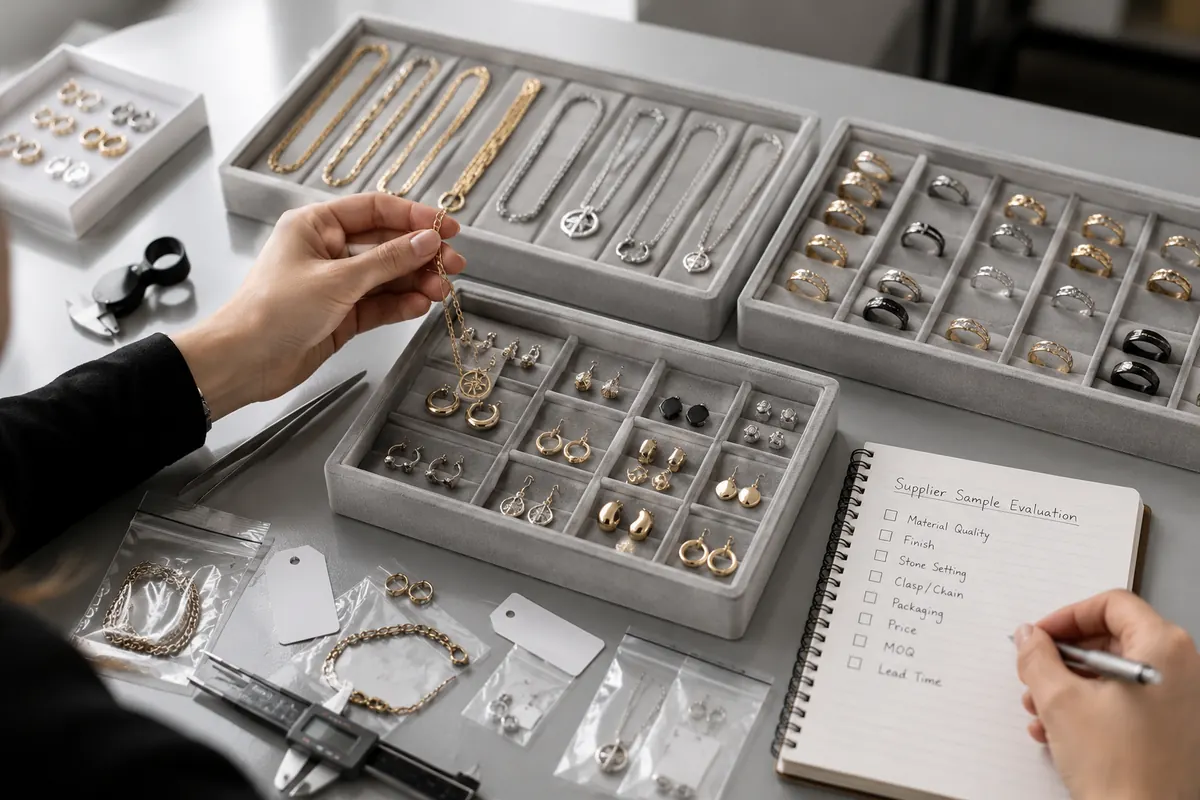
Working with an experienced stainless steel jewelry manufacturer that specializes in PVD and IP coating is essential. Key vetting criteria include: confirmation that 316L (not 304 or cheaper alloys) is the base material; documented coating thickness specifications (request a minimum of 0.3 microns for PVD); salt spray test results (200+ hours is a quality benchmark); and OEM or ODM capability if you require custom designs. Sampling is non-negotiable — wear-test pieces yourself before committing to production volume. Reputable custom jewelry manufacturers will offer low-MOQ sampling programs and provide material certification on request.
Under normal jewelry-wear conditions, no — 316L stainless steel does not rust. Rust is iron oxide, and 316L's chromium content forms a passive film that prevents the oxidation required for rust to develop. The molybdenum in 316L further protects against pitting and crevice corrosion in chloride environments like salt water and perspiration. The only conditions under which stainless steel jewelry might show surface discoloration are prolonged exposure to highly concentrated acids or extremely aggressive industrial chemicals — nothing a typical consumer ever encounters. For all practical purposes, quality stainless steel jewelry is rust-proof for its entire lifespan.
304 stainless steel is corrosion-resistant and won't tarnish in the conventional sense — but it is meaningfully less durable than 316L in jewelry applications. The key difference is molybdenum: 316L contains 2–3% molybdenum, which 304 lacks entirely. That addition dramatically improves resistance to chloride-induced pitting — the type of corrosion caused by sweat and salt water. In practice, 304 stainless steel jewelry holds up well in dry, low-contact conditions but shows surface degradation faster than 316L in the active-wear, water-contact scenarios that everyday jewelry regularly faces. For quality-positioned jewelry brands, 316L is the correct specification; 304 is a cost-cutting substitution that compromises long-term performance.
For most jewelry brands and consumers, yes — the premium over standard electroplating is justified by the performance gap it delivers. PVD jewelry lasts three to five times longer under daily wear conditions, maintains its gold color through water exposure that would strip conventional plating, and can genuinely support positioning claims around waterproof, tarnish-free, and hypoallergenic jewelry. The manufacturing cost differential is real but modest relative to the retail margin improvement a quality story enables. Brands that have shifted from electroplated to PVD stainless collections consistently report lower return rates, higher repeat purchase rates, and stronger customer satisfaction scores — the downstream commercial benefit of a piece that simply performs as promised.
The lifespan of anti-tarnish jewelry depends almost entirely on the base material and the surface process used. Solid precious metals — platinum and 18K gold and above — last indefinitely without tarnishing. PVD gold stainless steel maintains its finish for three to ten or more years under regular daily wear, with some pieces showing no meaningful degradation after five years. Electroplated gold stainless steel, with a thinner and less adhesive coating, typically holds for six months to two years depending on wear intensity. Gold vermeil sits in a similar range, with the added complication that the silver base will tarnish if the plating eventually wears through. The single most impactful factor in anti-tarnish jewelry longevity is manufacturing quality — specifically, coating thickness and process consistency — which is why working with an experienced, specification-transparent manufacturer matters more than the material category alone.
No — gold stainless steel does not rust under normal jewelry-wear conditions, and this applies to the base metal regardless of whether the gold finish is intact. Does stainless steel rust? The straightforward answer is: 316L grade stainless steel is effectively rust-proof for all practical purposes. Rust is iron oxide, and 316L's chromium content forms a passive film that continuously prevents the oxidation needed for rust to develop. The molybdenum in 316L further shields against pitting and crevice corrosion from chloride exposure — sweat, salt water, and rain. The only scenarios where stainless steel could theoretically discolor involve prolonged contact with highly concentrated industrial acids — nothing a typical jewelry wearer ever encounters. For everyday wear, quality stainless steel jewelry is rust-proof for its entire lifespan.
For everyday durability, stainless steel is better than gold plated jewelry in most practical comparisons. Stainless steel vs gold plated jewelry comes down to what you value most: gold-plated pieces — whether on brass or silver — look identical initially, but the plating wears over time regardless of what sits beneath it. When that happens, a stainless steel base stays clean and corrosion-free. A brass or silver base tarnishes, discolors, or greens the skin. PVD gold stainless steel specifically is the strongest version of this comparison: the coating is 5–10× thicker than standard plating, molecularly bonded, and the 316L base is the most corrosion-resistant consumer alloy used in wearable products. The practical gap — in returns, customer complaints, and longevity — strongly favors quality stainless steel for everyday wear jewelry at accessible price points.
Yes — stainless steel jewelry can get wet, and high-quality PVD gold stainless steel is one of the few jewelry materials genuinely described as waterproof stainless steel jewelry. The 316L base metal is corrosion-proof by chemistry: its passive oxide film protects against fresh water, sweat, rain, and moderate salt water exposure. Can you shower with stainless steel jewelry? With PVD-finished pieces, yes — shower use is fine for long-term daily wear. For pool and ocean use, some caution is reasonable: chlorine and salt water are more aggressive than fresh water, and extended repeated submersion will eventually challenge any surface coating. Drying pieces after water contact and avoiding prolonged soaking in chlorinated water will meaningfully extend finish life. Electroplated gold stainless steel is more moisture-sensitive — better kept dry where practical — but even those pieces tolerate more water than gold-plated brass or sterling silver alternatives.
The best tarnish free jewelry materials are those whose chemistry prevents oxidation reactions from taking hold. At the top of the list: solid platinum and solid 18K gold and above, which are chemically stable enough that atmospheric tarnishing simply doesn't occur — but both come at precious-metal price points. Titanium is also completely tarnish-free and exceptionally light, though limited in finish options. For accessible price points, PVD-coated 316L stainless steel is the best tarnish-free jewelry option available. The base metal is corrosion-resistant by nature, and the PVD coating is hard enough to resist daily mechanical wear for years. By contrast, sterling silver tarnishes reliably, brass corrodes and greens skin, and gold vermeil is only as good as the silver base beneath when its plating eventually thins. For everyday wear consumers or brands building on durability claims, PVD gold stainless steel is the most practical answer to the tarnish-free jewelry question at a non-fine-jewelry price.
The Bottom Line
Gold stainless steel, when manufactured correctly, is one of the most durable, skin-safe, and commercially viable materials in contemporary jewelry. The base metal — 316L surgical stainless steel — doesn't tarnish, doesn't corrode, and doesn't cause green skin. Applied through PVD or ion plating rather than standard electroplating, the gold finish extends these properties to the surface, producing a piece that genuinely performs as advertised across years of daily wear.
The phrase "does gold stainless steel tarnish" gets asked tens of thousands of times a month because the market is flooded with inconsistently manufactured pieces that create consumer confusion. The answer hinges entirely on the quality of the base material and the surface process — which is why the manufacturing relationship matters as much as the design itself.
For brands building collections on durability, anti-tarnish performance, and hypoallergenic claims, PVD gold stainless steel is the only material at an accessible price point that delivers on all three without compromise — and the only one where the base metal itself actively supports every marketing claim made about the finish.
Authority Statement · Commercial PositioningFor jewelry brands building a reputation on quality, anti-tarnish stainless steel with PVD gold finishing offers a compelling combination: accessible price points, genuine durability claims, broad hypoallergenic appeal, and manufacturing scalability. Whether you're sourcing wholesale stainless steel jewelry for an existing collection or developing custom stainless steel jewelry from concept to production, the material foundation matters — and 316L PVD is the right one to build on. wholesale stainless steel jewelry collections
Working with an experienced stainless steel jewelry manufacturer that specializes in PVD processing — rather than a general-purpose plating supplier — is the single most important sourcing decision a brand can make in this category. The difference in output quality, specification consistency, and long-term product performance is substantial.
Work With a Manufacturer Who Understands PVD Gold at Production Scale
With 14 years of OEM jewelry manufacturer experience, in-house PVD and IP coating capability, CAD drawing turnaround within 24 hours, and a low-MOQ sampling program designed for emerging and scaling brands — we remove the typical friction from custom stainless steel jewelry production.