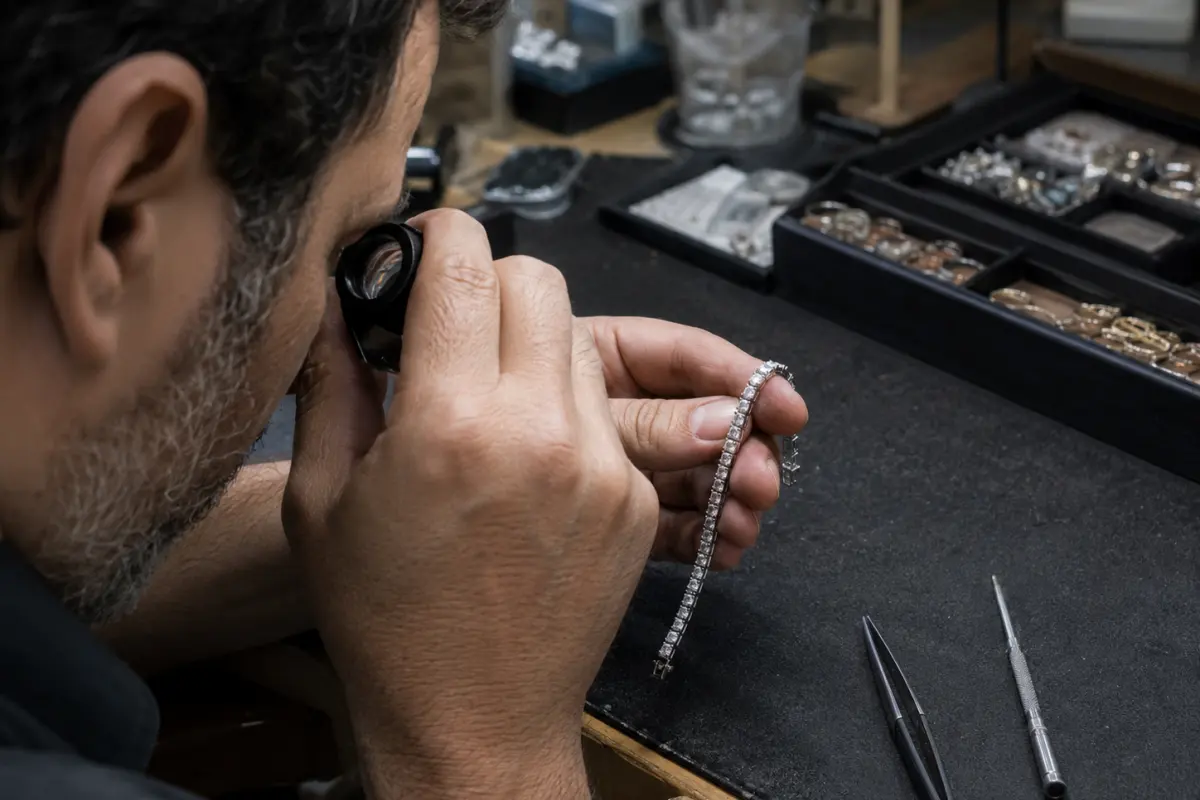

Stainless steel earrings do not usually cause infection by themselves. An infection is most often caused by bacteria entering the piercing. This can happen if the earrings are dirty, the piercing is new, the jewelry is poor quality, or the ear is touched with unclean hands. Best choice: high-quality 316L stainless steel earrings or implant-grade stainless steel from a trusted supplier.
Key Takeaways
Stainless steel earrings do not usually cause infection by themselves; infection is most often related to bacteria entering the piercing.
Dirty earrings, poor aftercare, tight jewelry, new piercings, and low-quality materials can increase infection risk.
Allergy and irritation can look similar to infection, but they are different problems and should not be treated as the same issue.
High-quality 316L stainless steel earrings are presented as a safer choice for many wearers, especially when the jewelry is clean, smooth, and properly fitted.
Pain, swelling, pus, fever, embedded jewelry, or worsening symptoms should be checked by a doctor or qualified healthcare professional.
Introduction
Do stainless steel earrings cause infection? Usually, no. Stainless steel itself does not normally cause an infection. Infections happen when bacteria enter a piercing hole, especially in a new or irritated piercing. But low-quality earrings, dirty earrings, poor aftercare, or earrings that fit too tightly can raise the risk.
For many people, stainless steel earrings are safe for daily wear. Still, some people may react to nickel in certain stainless steel alloys. That reaction is usually an allergy or irritation, not an infection. Knowing the difference helps you choose safer earrings and care for your ears the right way.
Can Stainless Steel Earrings Cause an Infection?
Yes, stainless steel earrings can be involved in an infection, but the metal is rarely the direct cause.
The main cause of an earring infection is bacteria. Stainless steel may play a role if:
So, when people search for “do stainless steel earrings cause infection,” the better answer is:
Stainless steel earrings are usually safe, but infection can happen if bacteria enter the piercing or if the jewelry is low quality, dirty, too tight, or worn in a healing piercing without proper care.
Infection vs Allergy vs Irritation: What’s the Difference?
An infection, allergy, and irritation can look similar, but they are not the same thing.
This is important because stainless steel earrings infection is often confused with stainless steel earrings allergy.
Infection
An infection may happen when bacteria enter the piercing hole. It is more common in new piercings because the skin has not healed yet.
Allergy
A metal allergy is not caused by bacteria. It is your immune system reacting to a material. Nickel is a common jewelry allergen. Some stainless steel contains nickel, but higher-quality grades may release much less.
Irritation
Irritation can happen when earrings rub, pull, pinch, or trap moisture. Heavy earrings and tight backs can also irritate the ear.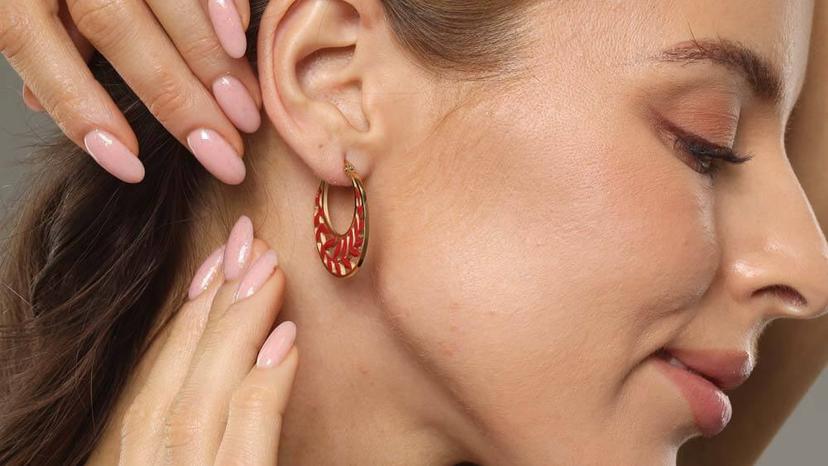
Why Do Earrings Sometimes Cause Infections?
Earrings can cause infections when bacteria enter the piercing channel.
Common causes include:
- Touching earrings with dirty hands
- Wearing earrings before a new piercing has healed
- Removing earrings too early from a new piercing
- Wearing earrings that are too tight
- Using unclean piercing tools
- Wearing rough, scratched, or low-quality jewelry
- Swimming before a piercing is fully healed
- Sharing earrings with another person
- Not cleaning earrings or the piercing area
New piercings need extra care because they are healing wounds. According to Cleveland Clinic, a new ear piercing can take several weeks to heal, and bacteria can cause infection during that time.
Are 316L Stainless Steel Earrings Safe for Sensitive Ears?
316L stainless steel earrings are often a good choice for many sensitive ears, but not for everyone.
316L stainless steel is commonly used in body jewelry because it is strong, smooth, corrosion-resistant, and suitable for long-term wear when made well. The “L” means low carbon, which helps the steel resist corrosion.
However, 316L stainless steel can still contain nickel. Many people wear it with no problem, but people with a strong nickel allergy may prefer titanium, niobium, or high-quality nickel-free gold.
Why 316L Stainless Steel Is Common in Body Jewelry
316L stainless steel is popular because it:
- Resists rust and tarnish
- Has a smooth, polished surface
- Is strong and durable
- Is affordable compared with gold or platinum
- Works well for many healed piercings
- Is widely used in fashion and body jewelry
For fresh piercings, professional piercers often look for steel that meets strict standards, such as ASTM F138 or ISO 5832-1. The Association of Professional Piercers notes that jewelry for new piercings should be body-compatible, smooth, and suitable for sterilization.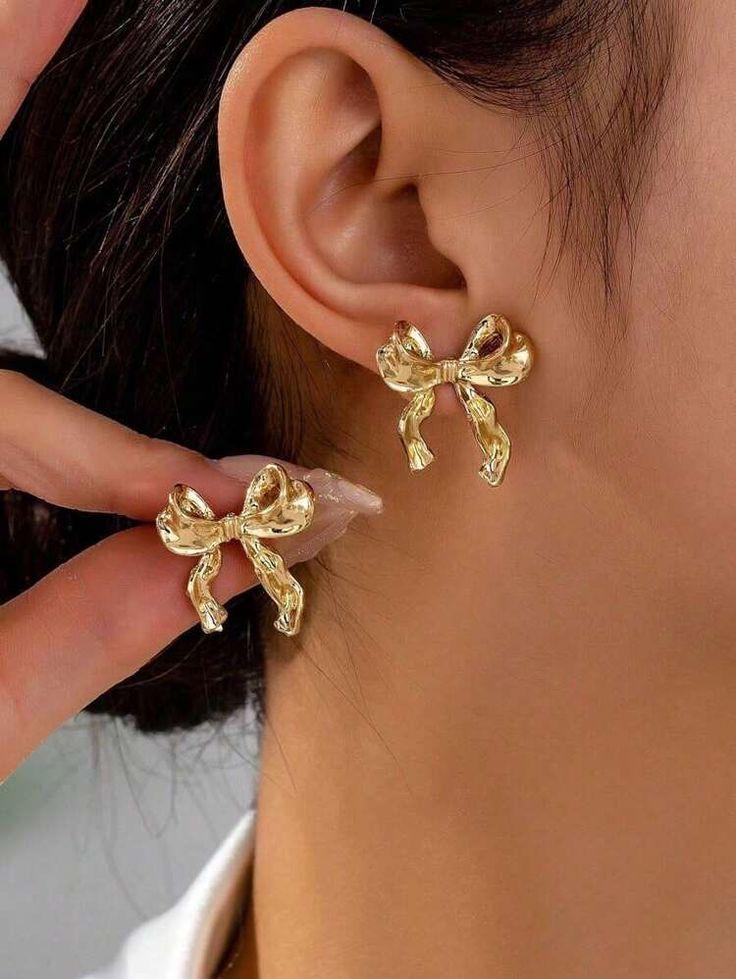
Are Stainless Steel Earrings Safe?
Yes, stainless steel earrings are safe for many people, especially when they are high quality and used in healed piercings.
They may not be ideal for everyone. You should be careful if:
- You have a known nickel allergy
- Your piercing is new and still healing
- The earrings are very cheap or unmarked
- The earrings have rough edges
- The plating is peeling
- Your ear gets itchy, red, or swollen after wearing them
For sensitive ears, look for clear material labels such as:
- 316L stainless steel
- Implant-grade stainless steel
- ASTM F138 steel
- ISO 5832-1 steel
Signs of an Infected Ear Piercing
Common signs of an infected ear piercing include pain, swelling, warmth, and pus.
Watch for:
- Redness that spreads or gets worse
- Swelling that does not improve
- Skin that feels warm or hot
- Throbbing pain
- Tenderness around the hole
- Yellow, green, or white pus
- Bad smell
- Bleeding with discharge
- Fever or chills
- An earring back stuck in the ear
- Pain in a cartilage piercing
Some redness and soreness can be normal after a new piercing. But worsening pain, pus, fever, or severe swelling may need medical care.
How to Prevent Infection When Wearing Earrings
The best way to prevent earring infection is to keep your hands, earrings, and piercing area clean.
For New Piercings
- Choose a clean, professional piercing studio
- Use high-quality starter jewelry
- Wash hands before touching the piercing
- Follow the piercer’s aftercare steps
- Do not remove earrings too early
- Avoid swimming until healed
- Keep hair products and makeup away from the piercing
- Avoid tight earring backs
- Do not twist or play with earrings unless your piercer tells you to
For Healed Piercings
- Clean earrings before wearing them
- Do not share earrings
- Store earrings in a clean, dry place
- Avoid wearing damaged earrings
- Remove earrings if they cause pain or itching
- Clean ears after sweating
- Choose smoother, lighter earrings for daily wear
How to Clean Stainless Steel Earrings
To clean stainless steel earrings, wash them gently with mild soap and warm water, then dry them fully.
Simple Cleaning Steps
- Wash your hands.
- Mix warm water with a small amount of mild soap.
- Gently wipe the earrings with a clean soft cloth.
- Use a soft brush for small grooves if needed.
- Rinse well with clean water.
- Dry completely with a clean towel.
- Store in a clean, dry jewelry box or pouch.
For Extra Hygiene
For healed piercings, you can wipe stainless steel earrings with 70% isopropyl alcohol before wearing them. Let them dry fully first.
Do not use harsh bleach, strong chemicals, or rough pads. These can damage the surface.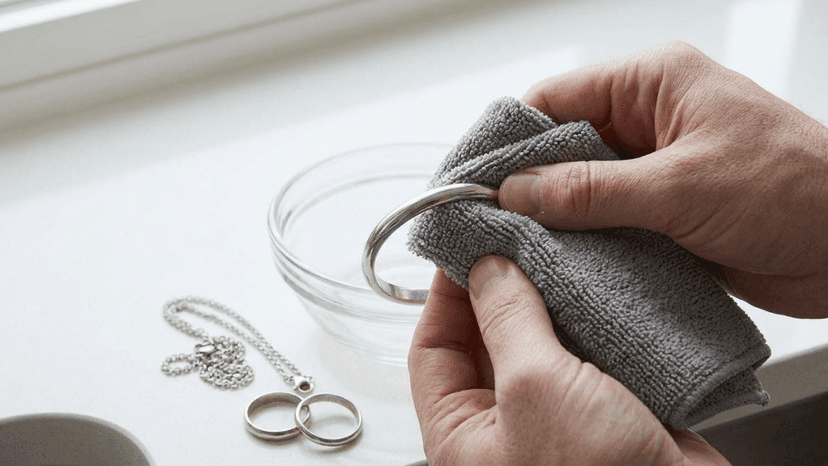
Stainless Steel Earrings vs Other Earring Materials
Stainless steel is a strong and affordable choice, but titanium may be better for people with strong metal allergies.
When Should You See a Doctor?
Seek medical advice if symptoms are severe, spreading, or not improving.
Contact a healthcare professional if you notice:
- Fever or chills
- Redness that spreads
- Severe pain
- Thick yellow, green, or foul-smelling discharge
- Swelling that gets worse
- A cartilage piercing that is painful, swollen, or very red
- The earring is stuck or embedded
- Symptoms that do not improve with basic care
- You have diabetes, immune problems, or other health risks
Do not try to diagnose yourself. A doctor or qualified healthcare professional can tell whether it is an infection, allergy, irritation, or another skin issue.
Should You Remove Earrings If Your Ear Is Infected?
Do not remove earrings from a new infected piercing without medical advice.
Removing jewelry too early can sometimes trap infection inside if the hole closes. But if the earring is causing pressure, is embedded, or the reaction seems allergic, a healthcare professional or qualified piercer can guide you.
For healed piercings, stop wearing earrings that cause pain, itching, swelling, or discharge.
How to Choose Safer Stainless Steel Earrings
Choose smooth, high-quality stainless steel earrings from a trusted manufacturer.
Look for:
- 316L stainless steel
- Implant-grade or certified steel for fresh piercings
- Smooth polished surfaces
- No sharp edges
- No peeling plating
- Secure but comfortable backs
- A fit that is not too tight
- Clear product material details
- Trusted wholesale or manufacturing source
Avoid vague labels like “metal earrings” or “surgical style” if no real material grade is listed.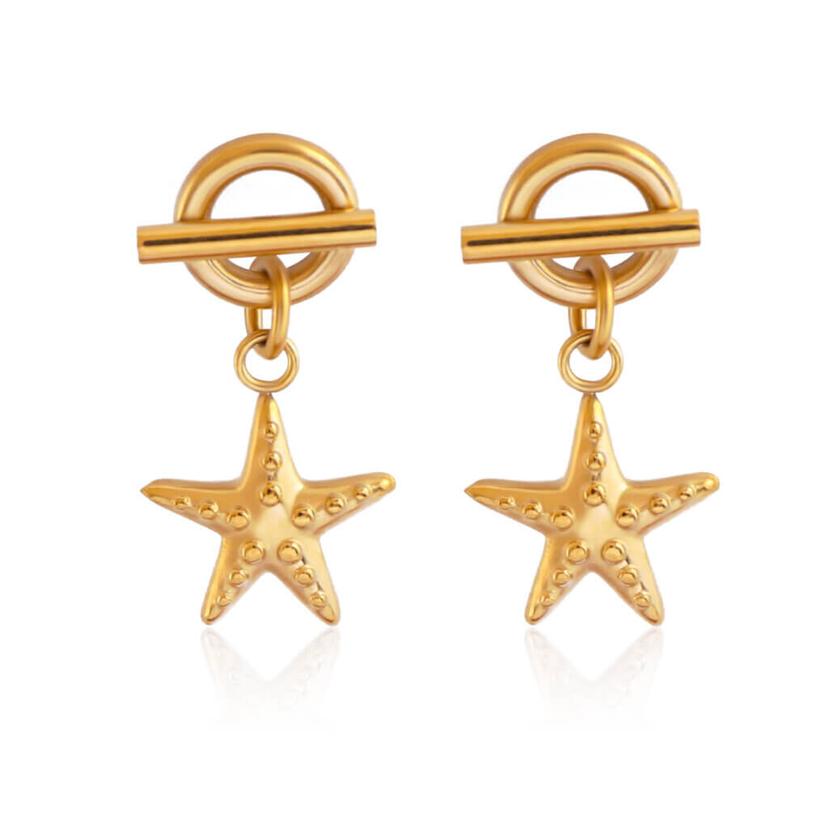
Conclusion
Stainless steel earrings do not usually cause infection on their own. Most earring infections happen when bacteria enter the piercing, especially when the piercing is new, dirty, irritated, or fitted with poor-quality jewelry. High-quality stainless steel earrings, especially 316L stainless steel, are safe for many people and can be a good choice for everyday wear.
Jewins is a stainless steel jewelry manufacturer that offers stainless steel earrings for jewelry brands and business buyers. Jewins supports OEM/ODM, wholesale, and custom jewelry solutions, helping brands create durable and stylish stainless steel jewelry collections.
Frequently Asked Questions
Can stainless steel earrings cause an infection?
Stainless steel earrings usually do not cause infection by themselves. Infection happens when bacteria enter the piercing. Dirty earrings, poor aftercare, tight jewelry, or a new piercing can raise the risk.
Are stainless steel earrings good for sensitive ears?
They can be good for many sensitive ears, especially when made from high-quality 316L stainless steel. But people with strong nickel allergies may react to some stainless steel and may prefer titanium or niobium.
Are 316L stainless steel earrings safe?
316L stainless steel earrings are commonly used because they resist rust, are strong, and work well for many wearers. For fresh piercings, look for implant-grade steel with proper standards, such as ASTM F138 or ISO 5832-1.
How do you clean stainless steel earrings?
Clean stainless steel earrings with mild soap and warm water. Rinse well and dry fully. For extra hygiene on healed piercings, you can wipe them with 70% isopropyl alcohol and let them dry before wearing them.
If you want to learn more, please see our how to clean stainless steel jewelry?
How can I prevent an earring infection?
Wash your hands before touching earrings, clean earrings often, avoid sharing earrings, and choose high-quality jewelry. For new piercings, follow aftercare instructions and avoid removing earrings too early.
How do I know if my ear piercing is infected?
Possible signs include swelling, warmth, pain, redness, pus, bad smell, or fever. Some mild soreness can be normal after a new piercing, but worsening symptoms should be checked.
Should I remove earrings if my ear is infected?
Do not remove jewelry from a new infected piercing without medical advice. The hole may close and trap infection. If the earring is stuck, painful, or embedded, seek medical help.
Build Durable, Skin-Friendly Earring Collections with Jewins
Need safer stainless steel earrings for your jewelry brand? Contact Jewins to discuss 316L stainless steel earrings, OEM/ODM production, wholesale options, and custom jewelry solutions designed for durable, skin-friendly collections.
Contact Us