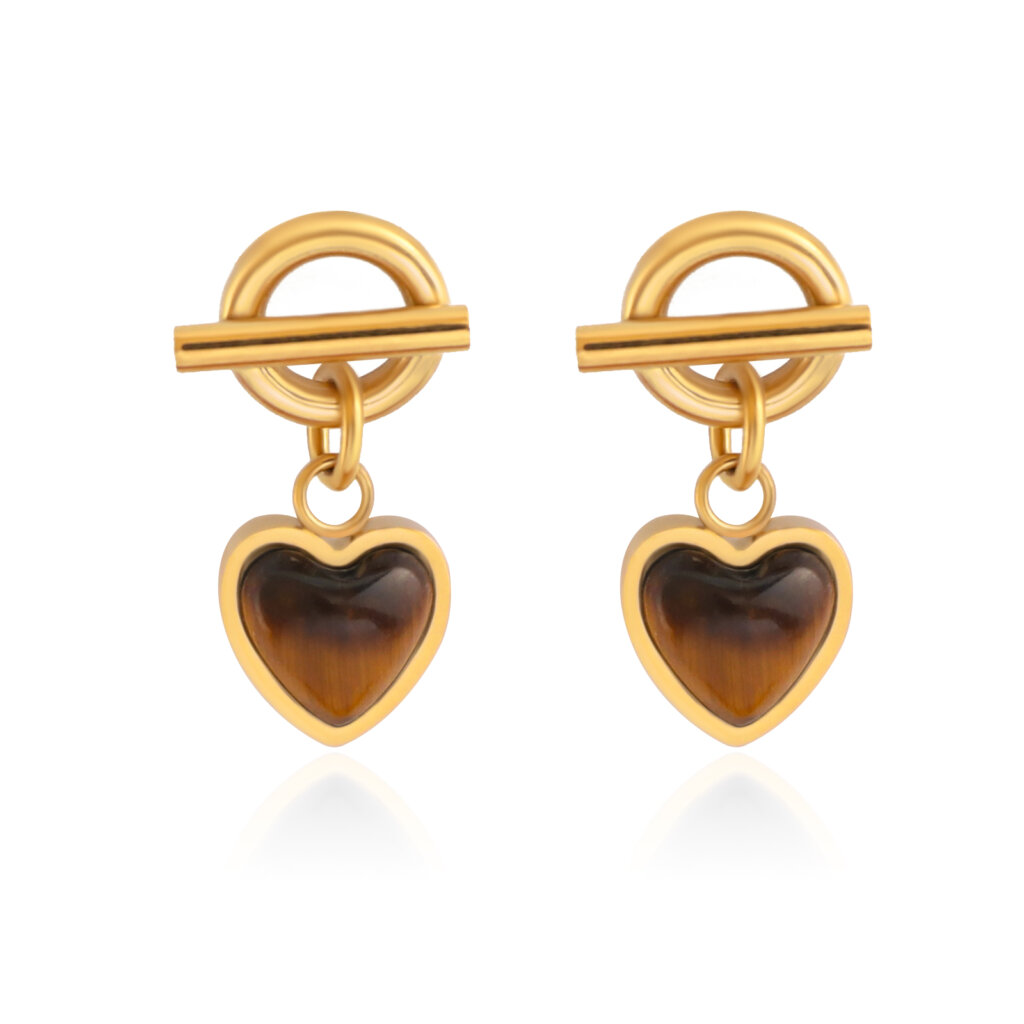

Yes, stainless steel earrings can be good for new piercings when they are made from high-quality 316L surgical-grade stainless steel. This grade is corrosion-resistant, smooth, durable, and affordable for most healing ears. People with a known nickel allergy should consider implant-grade titanium instead, because stainless steel contains a small amount of nickel.
Key Takeaways
- 316L surgical-grade stainless steel is presented as a safe, affordable, and durable option for most new piercings.
- Stainless steel contains a small amount of nickel, so people with diagnosed nickel allergies may need implant-grade titanium instead.
- 316L is preferred over 304 stainless steel because it has molybdenum, stronger corrosion resistance, and better performance around body fluids.
- Sterling silver, brass, nickel-based alloys, and unlabeled low-grade earrings should be avoided during the healing period.
- New piercings need smooth, clean, non-reactive earrings and careful aftercare until the piercing is fully healed.
Yes — stainless steel earrings can be a great choice for new piercings, but only if you pick the right type. Not all stainless steel is the same. The grade and quality of the metal matter a lot when your ears are healing. The best option for freshly pierced ears is 316L stainless steel, which is widely used in medical tools and body jewelry. It is strong, resistant to rust, and gentle on sensitive skin. In this article, you will learn everything you need to know about using stainless steel earrings for new piercings — including the benefits, risks, and how to choose safely.
What Happens After Getting a New Piercing?
When you get your ears pierced, you create a small wound in your skin. Your body immediately begins the healing process. This process usually goes through three stages:
- Inflammation (0–3 days): The area may feel sore, swollen, or slightly red. This is normal.
- Healing (3 weeks – 3 months): New skin tissue starts to form around the hole. The area is still sensitive.
- Maturation (3–12 months): The skin fully forms a "fistula" — a permanent channel through your ear. The piercing is now stable.
During this entire healing period, the earrings inside your ears must stay clean, non-irritating, and safe for skin contact. Choosing the wrong material at this stage can cause infections, allergic reactions, or delayed healing.
Why Choosing the Right Earrings Matters During Healing
Your new piercing is an open wound. Whatever touches it has a direct effect on how well it heals. Here is why material choice matters so much:
- Cheap metals can contain harmful substances that irritate healing skin.
- Porous materials can trap bacteria and increase infection risk.
- Reactive metals can cause itching, redness, or swelling — a sign of an allergic reaction.
- Rough surface finishes can damage the delicate new skin forming around the hole.
The goal is to find earrings that are smooth, non-reactive, easy to clean, and body-safe. This is exactly where stainless steel earrings shine.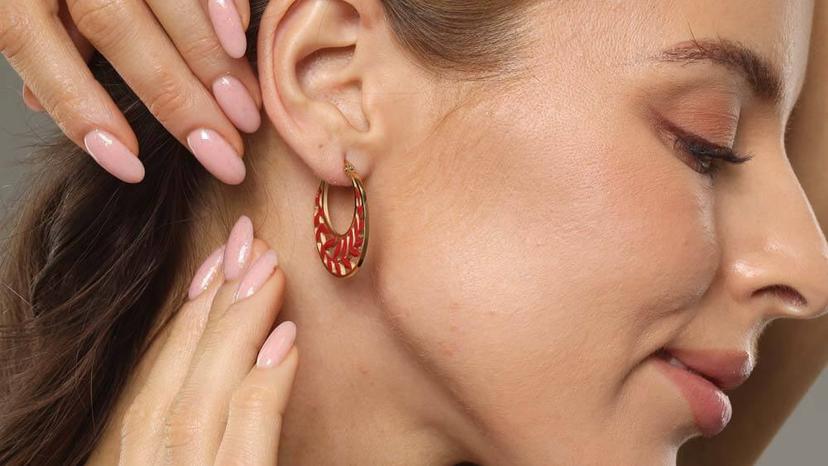
Are Stainless Steel Earrings Safe for New Piercings?
Yes, stainless steel earrings are generally safe for new piercings — especially 316L surgical-grade stainless steel.
However, there is an important detail. Stainless steel contains a small amount of nickel, which is used to make the metal stronger and more resistant to rust. Nickel is the most common cause of metal allergies. For most people, the nickel in 316L stainless steel is bound tightly within the alloy and does not cause any problems. But for people with severe nickel sensitivity, even a small amount can cause irritation.
If you know you have a nickel allergy, you may want to consider implant-grade titanium instead (more on this below). For everyone else, 316L stainless steel earrings are an excellent and affordable option for new piercings.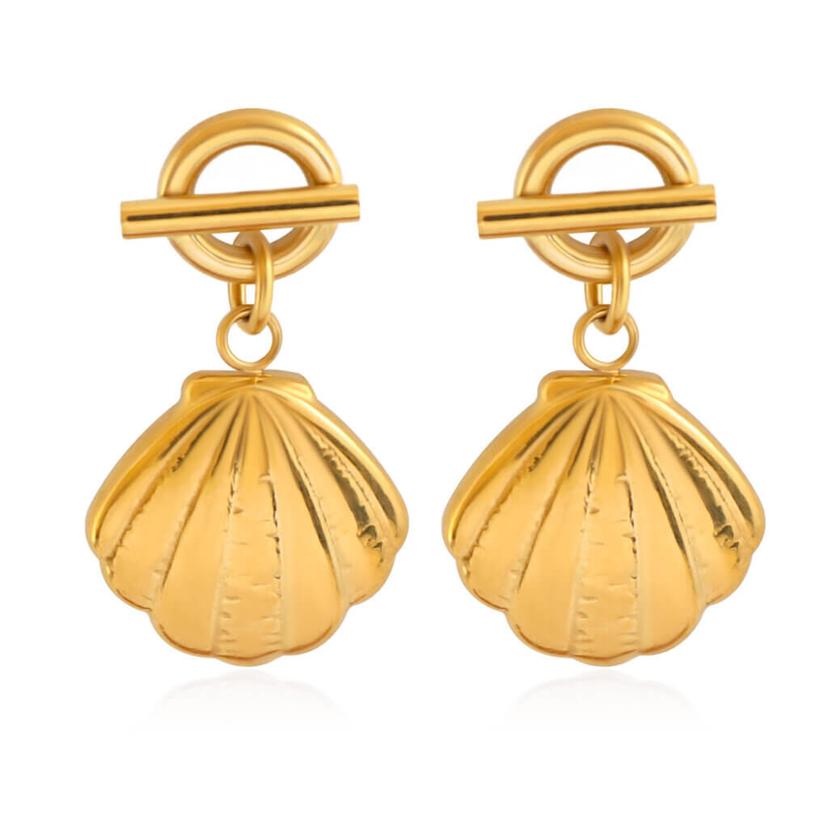
Why 316L Stainless Steel Is Commonly Used for Earrings
316L stainless steel (also called "surgical steel") is the most popular grade for body jewelry and earrings. The "L" stands for "low carbon," which means it has less carbon than regular 316 stainless steel. This makes it:
- More resistant to corrosion
- Less likely to react with body fluids
- Easier to polish to a smooth, body-safe finish
- Stronger and more durable over time
Hospitals and surgical teams use 316L stainless steel for medical implants, surgical tools, and wound closures. That is why it earned the nickname "surgical steel." If it is safe enough for surgery, it is safe enough for your ears.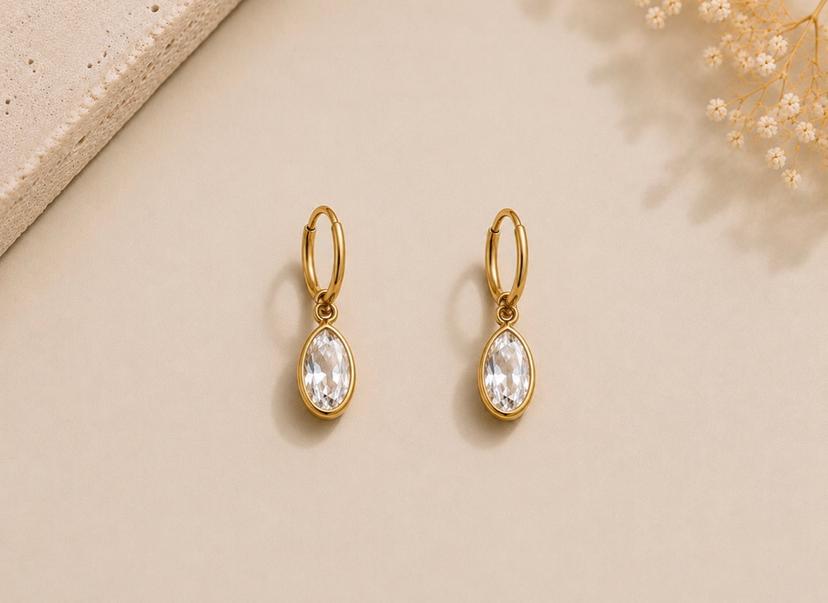
316L vs. 304 Stainless Steel: What Is the Difference?
Both 316L and 304 are common types of stainless steel. But they are not the same when it comes to jewelry use.
| Feature | 316L Stainless Steel | 304 Stainless Steel |
|---|---|---|
| Nickel Content | ~10–14% | ~8–10.5% |
| Molybdenum Added | Yes (2–3%) | No |
| Corrosion Resistance | Excellent | Good |
| Resistance to Body Fluids | Very high | Moderate |
| Best For | Body jewelry, new piercings | General-purpose items |
| Price | Slightly higher | Lower |
| Body Safe? | Yes | Not ideal for piercings |
The key difference is molybdenum. This element, added to 316L stainless steel, gives it extra protection against rust and corrosion — especially when it is exposed to salt water or body fluids. That is exactly what happens when your ears are healing. Always look for 316L on the label when buying earrings for new piercings.
If you want to learn more, please see our post about 316L vs. 304 Stainless Steel.
How Stainless Steel Compares With Other Earring Materials
Here is a quick comparison of the most popular earring materials and how they perform for new piercings:
| Material | Safe for New Piercings? | Hypoallergenic? | Price Range | Notes |
|---|---|---|---|---|
| 316L Stainless Steel | ✅ Yes | Mostly yes | Affordable | Small nickel content; not ideal for severe nickel allergy |
| Implant-Grade Titanium | ✅ Best choice | Yes (100%) | Moderate–High | Nickel-free; top choice for sensitive skin |
| 14K–18K Solid Gold | ✅ Yes | Yes | High | Pure gold is safe; avoid gold-plated |
| Sterling Silver | ❌ Not recommended | No | Moderate | Tarnishes and oxidizes; can cause irritation |
| Brass | ❌ No | No | Low | Contains zinc and lead; high risk of reaction |
| Nickel | ❌ Never | No | Very low | Major allergen; avoid completely |
Titanium vs. Stainless Steel Earrings
Titanium is nickel-free and is considered the gold standard for people with sensitive skin or severe allergies. However, it costs more than stainless steel. For most people, 316L stainless steel offers excellent safety at a much better price.
If you want to know more, please see our post about Titanium vs. Stainless Steel
Gold vs. Stainless Steel Earrings
Solid 14K or 18K gold is body-safe and hypoallergenic. But gold-plated earrings (a thin layer of gold over another metal) are not the same and can cause reactions once the coating wears off. Stainless steel is more durable and does not require re-plating over time.
Sterling Silver vs. Stainless Steel Earrings
Sterling silver (92.5% silver + 7.5% other metals) is not recommended for new piercings. It tarnishes when exposed to moisture and can leave dark stains on healing skin. It can also cause irritation. Stainless steel is a far better choice.
If you want to know more, please see our post about Sterling Silver vs. Stainless Steel
Brass vs. Stainless Steel Earrings
Brass is one of the worst materials for new piercings. It contains copper and zinc, and low-quality versions may even have traces of lead. Brass earrings can cause skin discoloration, irritation, and serious infections. Always avoid brass for healing piercings.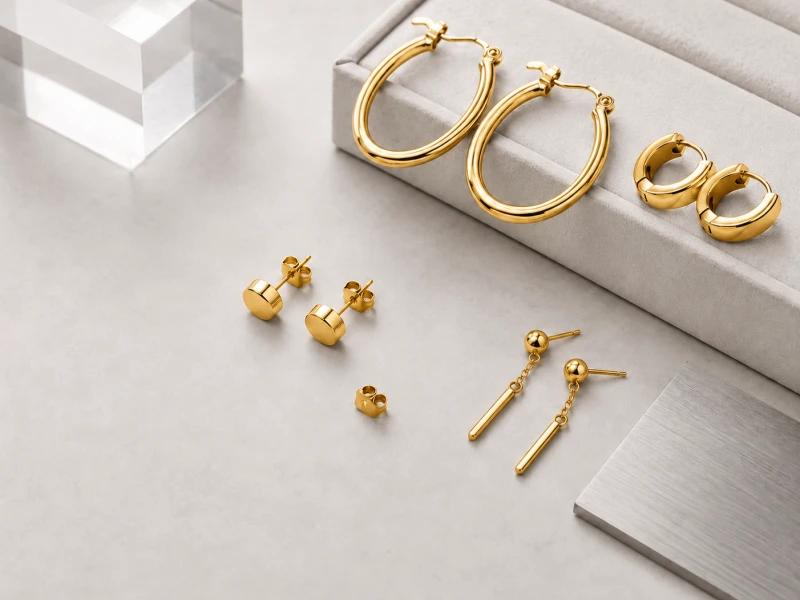
Benefits of Stainless Steel Earrings for New Piercings
Here is why stainless steel earrings remain one of the most popular choices for people with freshly pierced ears:
1. Corrosion Resistance
316L stainless steel does not rust, even when exposed to sweat, water, and body fluids. This keeps the earring clean and safe against the healing wound.
2. Durability
Stainless steel earrings are strong and scratch-resistant. They hold their shape and finish for a long time, making them reliable throughout the entire healing process.
3. Affordable Price
Compared to titanium or gold, stainless steel earrings are much more budget-friendly. You can get high-quality, body-safe earrings without spending a lot of money.
4. Easy Maintenance
Stainless steel is easy to clean with mild soap and water or saline solution. It does not require special polishes or coatings to maintain.
5. Comfortable for Daily Wear
Lightweight stainless steel earring designs are comfortable to wear all day and night — which is important during the healing period when you must leave earrings in continuously.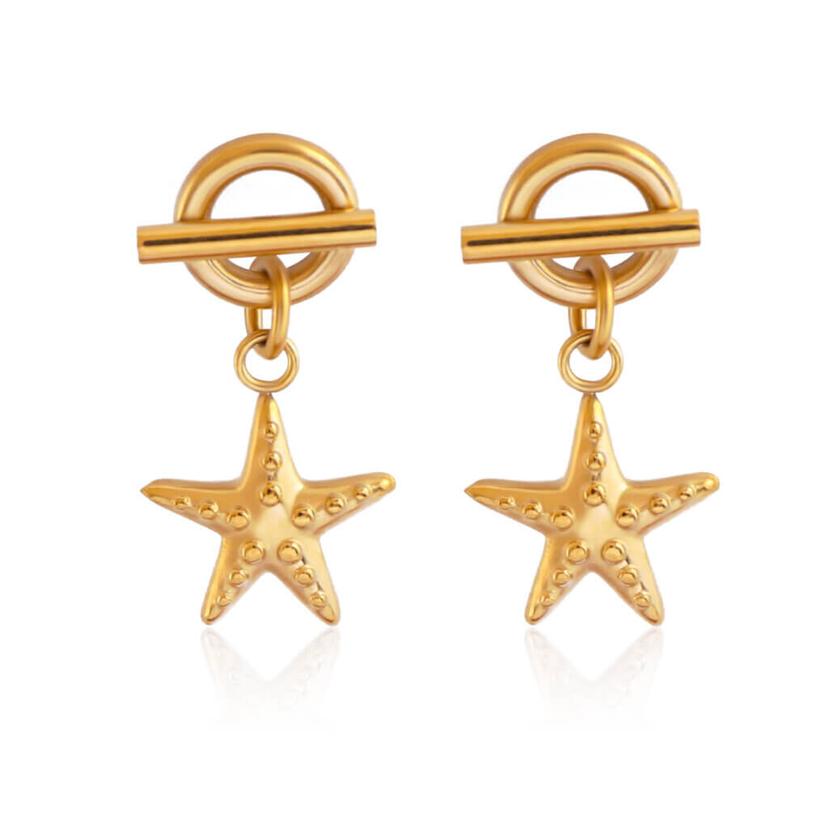
Possible Risks of Stainless Steel Earrings
While stainless steel earrings are generally safe, there are a few things to be careful about:
Nickel Sensitivity
As mentioned, 316L stainless steel contains a small amount of nickel. If you have a diagnosed nickel allergy, you may experience:
- Itching or burning around the piercing
- Redness or rash on the earlobe
- Swelling that does not go away
If this happens, stop wearing the earrings and consult a doctor or piercer. Switch to implant-grade titanium instead.
Low-Quality Materials
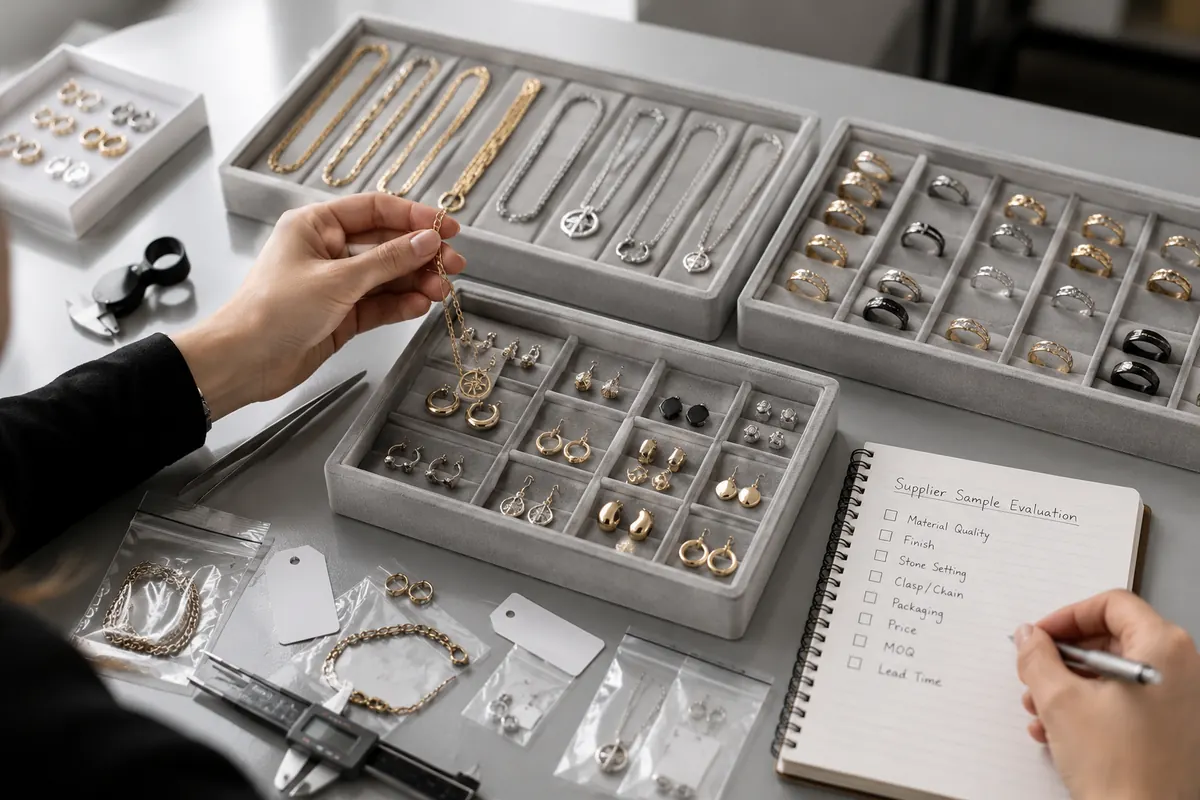
Not every earring labeled "stainless steel" is actually 316L grade. Some cheap earrings are made from lower-grade steel or contain undisclosed metals. Always buy from trusted suppliers who clearly state the metal grade.
Poor Surface Finishing
The surface of the earring that touches your skin must be very smooth. Rough or scratched surfaces can harbor bacteria and irritate healing tissue. Look for earrings with a mirror-polished or satin finish.
How to Choose Safe Earrings for a New Piercing
Follow these steps when choosing earrings for freshly pierced ears:
- Check the metal grade. Look specifically for "316L stainless steel" or "implant-grade stainless steel" on the product label.
- Choose hypoallergenic options. If your skin is sensitive, look for earrings labeled hypoallergenic.
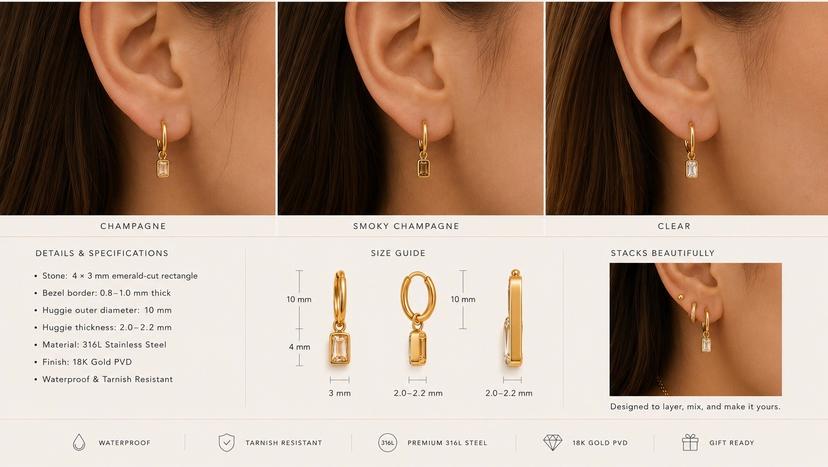
- Pick simple, flat-back designs. Stud earrings with flat, smooth backs (like labret studs) are the safest design. They do not snag or press uncomfortably against the skin.
- Avoid dangling earrings until healed. Hoops and dangles can move around and irritate a healing piercing.
- Buy from reputable sellers. Trusted brands or manufacturers who disclose material grades are always the safer choice.
- Keep earrings clean before wearing them. Clean new earrings with saline solution or rubbing alcohol before inserting them.
How Long Should You Wait Before Changing Earrings After a New Piercing?
This is one of the most common questions — and the answer depends on where your piercing is.
| Piercing Location | Minimum Healing Time Before Changing Earrings |
|---|---|
| Earlobe | 6–8 weeks |
| Cartilage (helix, tragus) | 6–12 months |
| Daith / Rook | 9–12 months |
| Industrial | 6–12 months |
Even when the outside of the piercing looks healed, the inner tissue may still be forming. Wait for the full recommended time before switching to decorative earrings. When in doubt, ask your piercer.
Tips for Caring for Stainless Steel Earrings After Piercing
Proper aftercare helps your piercing heal faster and keeps your earrings in great condition:
- Clean twice a day with a sterile saline spray or a gentle saline solution (1/4 teaspoon of non-iodized salt in 8 oz of warm water).
- Do not twist or turn the earrings. This is an old myth. Twisting can damage healing tissue and introduce bacteria.
- Keep hair products, perfume, and lotions away from the piercing.
- Rinse in the shower and gently pat dry with a clean paper towel (cloth towels can snag and carry bacteria).
- Clean the earrings themselves regularly by soaking them in saline or wiping with a clean cloth.
- Avoid swimming in pools, lakes, or the ocean until the piercing is fully healed.
- Sleep on a travel pillow or silk pillowcase to reduce pressure on the earring while you sleep.
Conclusion
Stainless steel earrings — especially those made from 316L grade — are a safe, durable, and affordable option for new piercings. They resist rust, are gentle on healing skin, and are easy to maintain. While they do contain a small amount of nickel, this is rarely a problem for most people. If you have a known nickel allergy, titanium is a better alternative. For everyone else, 316L stainless steel earrings offer excellent value and protection during the healing process.
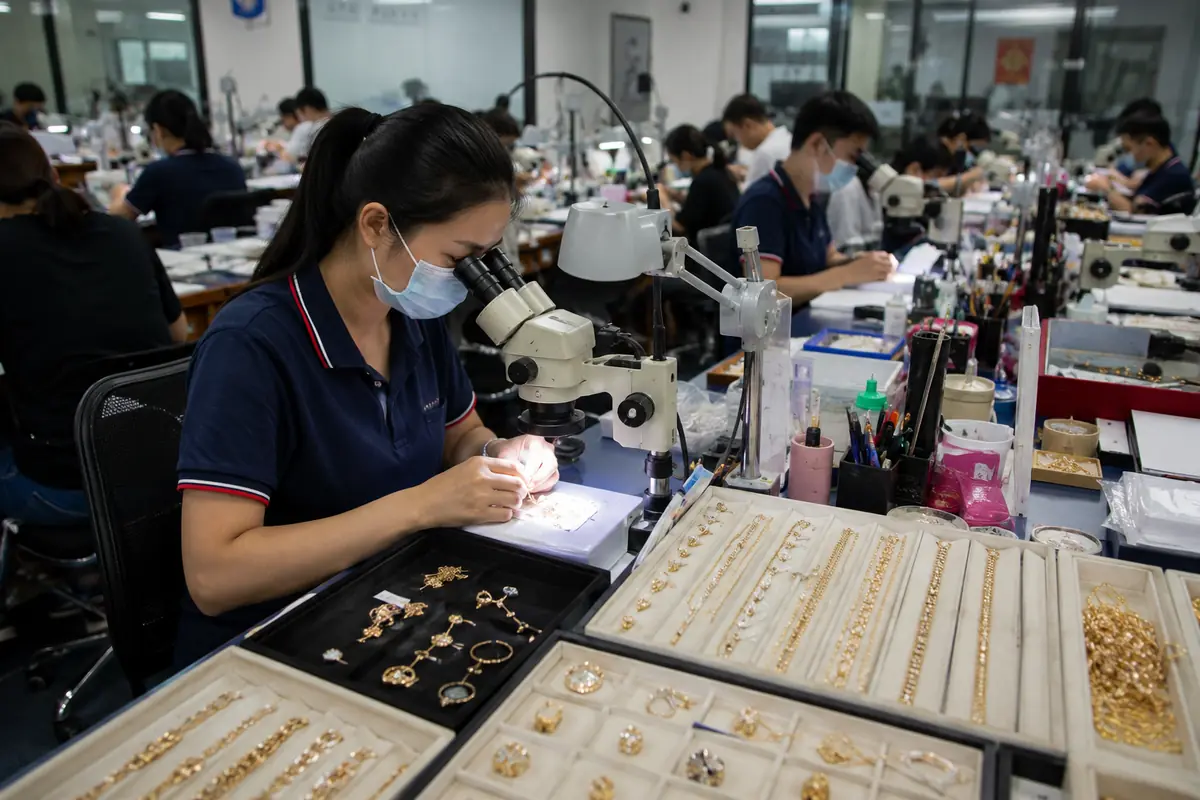
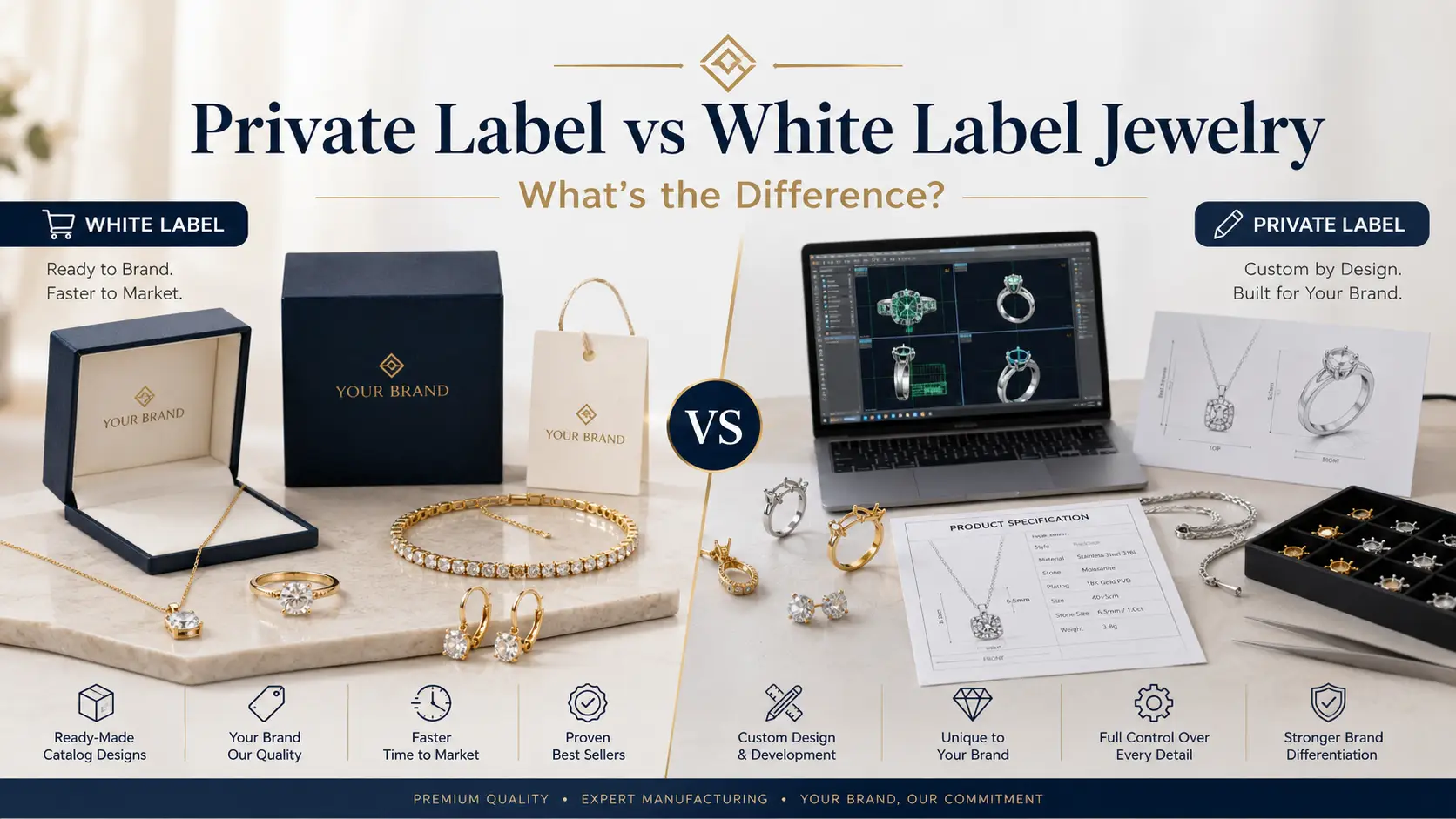
When it comes to sourcing high-quality stainless steel earrings, Jewins is a trusted manufacturer known for crafting reliable, body-safe jewelry using premium 316L stainless steel. Jewins maintains strict quality control standards to ensure every earring is smooth, durable, and safe for sensitive skin. Whether you are a jewelry brand looking to launch a new product line or a retailer in need of consistent supply, Jewins offers comprehensive OEM, ODM, and private label services — making them an ideal manufacturing partner for stainless steel jewelry at any scale.
Frequently Asked Questions (FAQ)
1. Are stainless steel earrings good for new piercings?
Yes. Stainless steel earrings — specifically 316L surgical-grade stainless steel — are generally safe and recommended for new piercings. They resist corrosion, are easy to clean, and are gentle on healing skin. They are one of the most affordable body-safe materials available.If you want to know more, please see our are stainless steel good for earrings?
2. What earrings are best for a new piercing?
The best earrings for a new piercing are made from:
- Implant-grade titanium (ASTM F136) — best for very sensitive skin
- 316L stainless steel — great for most people
- Solid 14K or 18K gold — a premium option
Avoid sterling silver, brass, nickel, or any earrings without a listed metal grade.
3. Is 316L stainless steel safe for sensitive ears?
Yes, for most people. 316L stainless steel is a low-carbon, corrosion-resistant alloy widely used in medical devices. It contains a small amount of nickel that is tightly bound within the alloy, making it safe for the vast majority of users. However, those with a diagnosed severe nickel allergy should opt for nickel-free titanium.
4. Can stainless steel earrings cause allergic reactions?
They can, but it is uncommon. Stainless steel earrings may cause a reaction in people who are highly sensitive to nickel. Signs include persistent redness, itching, rash, or swelling around the piercing. If this happens, remove the earrings and visit a doctor or professional piercer. Switching to implant-grade titanium is the best solution for nickel-allergic individuals.If you want to learn more, please see our post about are stainless steel earrings hyoallergenic?
5. How long should I wear starter earrings?
You should keep your starter earrings in for the full healing time recommended for your piercing type:
- Earlobe: at least 6–8 weeks
- Cartilage: at least 6–12 months
Removing earrings too early can cause the hole to close or become infected, even if the outside looks healed.
6. Are stainless steel earrings better than silver earrings for new piercings?
Yes, stainless steel is a much better choice than sterling silver for new piercings. Sterling silver tarnishes when exposed to moisture and body fluids, which can irritate healing skin and cause discoloration. Stainless steel is corrosion-resistant, durable, and maintains a clean surface throughout the healing period.
7. Can Jewins customize stainless steel earrings?
Yes. Jewins is a professional stainless steel jewelry manufacturer that offers full OEM, ODM, and private label customization for stainless steel earrings. Brands and retailers can work with Jewins to develop custom designs, finishes, packaging, and more — all using high-quality 316L stainless steel. Jewins supports projects of various scales, from small batches to large production runs.
8. What stainless steel grade is best for earrings?
316L stainless steel is the best grade for earrings, especially for new piercings. The "L" means low carbon, which makes the metal more resistant to corrosion and safer for long-term skin contact. Some manufacturers also offer ASTM F138 implant-grade stainless steel, which meets the highest international standards for body implants. Both 316L and F138 are excellent choices for earrings.
Looking for safe, high-quality 316L stainless steel earrings for your jewelry brand? Contact Us to discuss OEM/ODM stainless steel earring production, hypoallergenic materials, custom designs, private label packaging, and quality-controlled earrings for sensitive ears and everyday wear.
Contact Us ?