
Which Stainless Steel Is Best for Jewelry?
This guide helps jewelry brands, wholesalers, and private label buyers understand Which Stainless Steel Is Best for Jewelry? from a practical factory and sourcing perspective. Jewins focuses on 316L stainless steel jewelry, realistic material advice, sample support, quality checks, and stable OEM/ODM production — so buyers can make sourcing decisions with more confidence.
Which Stainless Steel Is Best for Jewelry? means 316L stainless steel. For jewelry brands and wholesale buyers, the key is not only understanding the definition, but also checking the material, process, supplier capability, sample quality, and bulk-order consistency before production.
If you are wondering which stainless steel is best for jewelry, the direct answer is 316L stainless steel. Widely known as "surgical-grade" steel, 316L is the absolute gold standard in the jewelry industry because it offers unparalleled corrosion resistance, is highly durable, and is universally hypoallergenic for sensitive skin.
When shopping for stainless steel jewelry, or if you are a brand developing a new accessories line, navigating the different metal grades can be confusing. The market is saturated with options, and not all stainless steel is created equal. Choosing the right grade determines whether a piece will last a lifetime or quickly succumb to rust and environmental damage in harsh conditions.
This comprehensive stainless steel jewelry material guide will cut through the noise. We will explore the common stainless steel jewelry grades, conduct a thorough 304 vs 316L stainless steel jewelry comparison, and explain exactly why 316L is the ultimate choice for waterproof, sweatproof, and daily-wear accessories.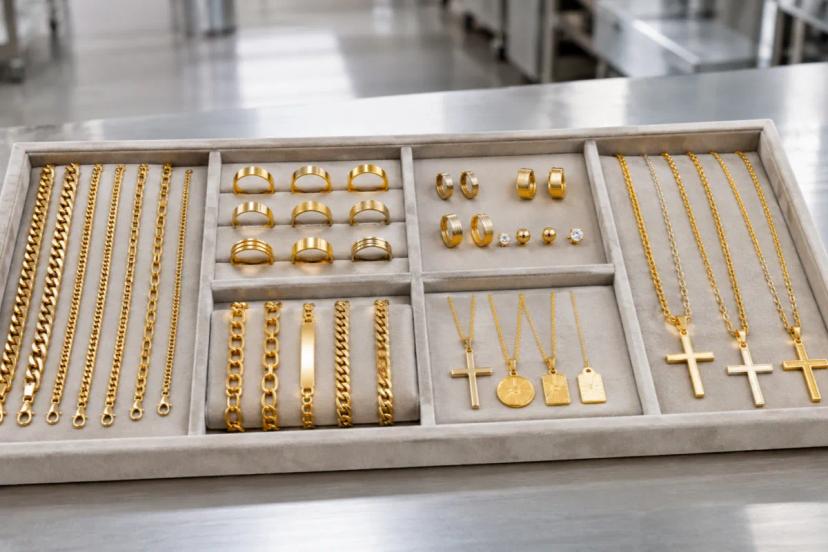
Which Stainless Steel Is Best for Jewelry?
For those looking for the featured-snippet answer: 316L stainless steel is unequivocally the best stainless steel for jewelry.
Here is exactly why 316L dominates the industry:
- Molybdenum Addition: Unlike lower grades, 316L contains 2-3% molybdenum, an element that drastically enhances its resistance to chloride-induced corrosion (like sweat and seawater).
- Low Carbon Content: The "L" stands for low carbon (maximum 0.03%), which minimizes carbide precipitation and makes the metal highly weldable for intricate, complex jewelry designs.
- Hypoallergenic: 316L surgical steel has exceptional biocompatibility and a very low nickel release rate, making it safe for piercings and sensitive skin.
- Waterproof: It is highly resistant to tarnishing, rusting, and fading, making it the perfect material for "permanent jewelry" and ocean-inspired collections.
What Is Stainless Steel Jewelry?
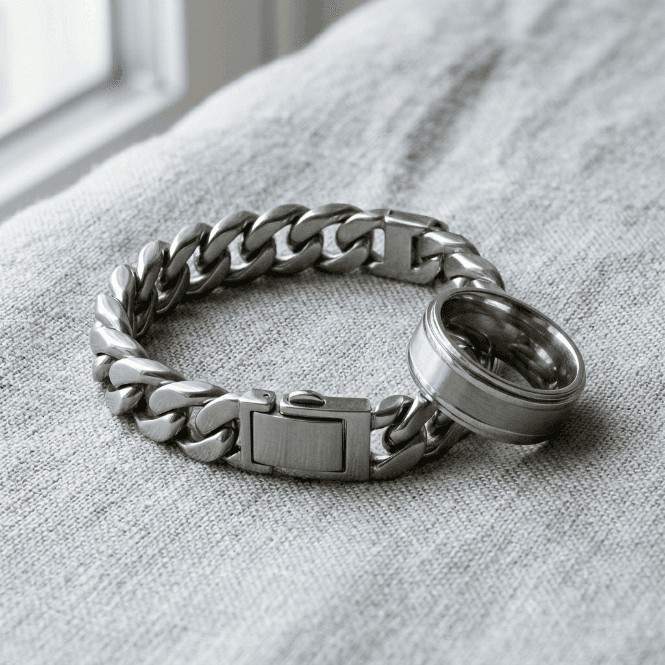
Stainless steel jewelry is crafted from an iron-based alloy that contains a minimum of 10.5% chromium. This specific chemical composition is the secret behind the metal's famous durability. When exposed to oxygen, the chromium forms an invisible, self-healing passive layer on the surface of the metal. This barrier effectively blocks further oxidation, preventing the underlying iron from rusting.
In the jewelry world, stainless steel is manipulated using advanced manufacturing techniques like die casting, stamping, and laser cutting. Because of its low heat conductivity, stainless steel does not warp easily, allowing manufacturers to create pieces with exceptional dimensional accuracy and a mirror-like finish.
Beyond its structural integrity, stainless steel is celebrated for its aesthetic versatility. It features a highly reflective luster that can range from a bright, near-white silver tone to a subdued, warmer gray. Furthermore, through Physical Vapor Deposition (PVD) coating, stainless steel can be permanently bonded with gold tones that will not peel or fade like traditional flash plating.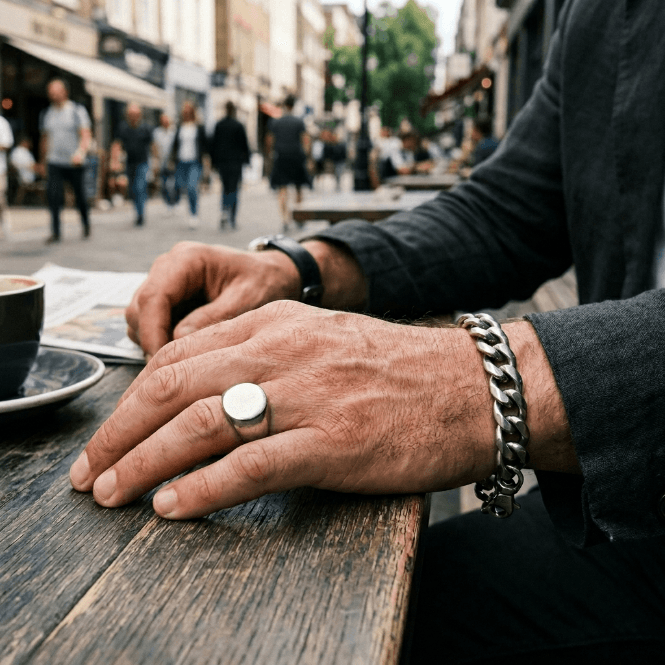
Common Stainless Steel Grades Used in Jewelry
Stainless steel is divided into various series and grades based on its exact chemical makeup. The 300 series (austenitic stainless steel) is the most common family used in jewelry because it is highly resistant to stress corrosion and is generally non-magnetic.
Here is a breakdown of the most common grades you will encounter.
201 Stainless Steel
(Please note: Information regarding 201 stainless steel is drawn from outside the provided sources, as it is a common industry material but not detailed in your documents. You may want to independently verify this specific information). 201 stainless steel is a lower-cost alternative in the austenitic family. It substitutes much of the nickel found in higher grades with manganese and nitrogen. While this makes it cheaper and relatively strong, 201 stainless steel has significantly lower corrosion resistance than the 300 series. It is occasionally used in very cheap, fast-fashion jewelry, but it is highly susceptible to rust and tarnish when exposed to moisture and is not recommended for quality jewelry.
304 Stainless Steel
304 stainless steel—often referred to as 18-8 stainless steel—is one of the most widely used materials in the jewelry industry. It contains approximately 18-20% chromium and 8-10.5% nickel.
Known as "food-grade" stainless steel, 304 offers a fantastic balance of affordability, strength, and tarnish resistance. It is an excellent, budget-friendly choice for everyday fashion jewelry. However, 304 stainless steel has its limitations; it is not ideal for extreme conditions and may degrade or pit if consistently exposed to salty air, seawater, or heavy sweat.
316 Stainless Steel
316 stainless steel is a step up in premium quality. It shares the 18% chromium content of 304 but increases the nickel to 10-14% and, crucially, adds 2-3% molybdenum.
This addition of molybdenum earns 316 the title of "marine-grade" stainless steel. It is specifically engineered to withstand harsh corrosive elements like chlorides, acids, and saline liquids. 316 stainless steel is brighter, more durable, and vastly superior for outdoor lifestyles compared to 304.
316L Stainless Steel
316L stainless steel is the absolute pinnacle of jewelry-grade steel. The "L" indicates a uniquely low carbon content. This minute chemical adjustment greatly increases the metal's ductility and weldability, allowing artisans to craft high-end, complex designs without compromising structural integrity.
Because of its unparalleled biocompatibility, 316L is widely known as "surgical steel" and is the industry standard for medical implants and premium body jewelry. It effortlessly mimics the premium finish of precious metals while delivering superior longevity.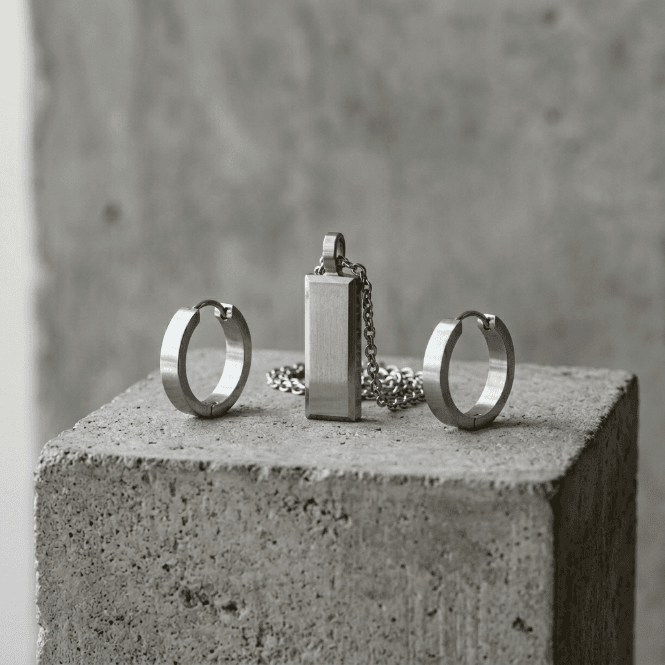
304 vs 316L Stainless Steel Jewelry
When comparing 304 vs 316L stainless steel jewelry, the choice ultimately comes down to budget versus performance. While both are excellent alternatives to fast-tarnishing base metals, 316L outperforms 304 in almost every metric.
| Feature | 304 Stainless Steel | 316L Stainless Steel |
|---|---|---|
| Chemical Composition | 18% Chromium, 8% Nickel, 0.08% Carbon | 16-18% Chromium, 10-14% Nickel, 2-3% Molybdenum, 0.03% Carbon |
| Corrosion Resistance | Moderate (prone to pitting from salt and heavy sweat) | Exceptional (completely immune to sweat, saltwater, and chlorine) |
| Hypoallergenic Level | Moderate (low nickel release, but can trigger extreme allergies) | High (surgical-grade safety, virtually zero nickel release rate) |
| Waterproof Capability | Suitable for hand-washing and light rain | Fully waterproof (safe for surfing, showering, and swimming) |
| Price Point | Highly budget-friendly | Moderate (justified by lifetime durability) |
| Best Application | Fast fashion, budget accessories, casual wear | Premium fashion lines, permanent jewelry, piercings, daily wear |
Why 316L Stainless Steel Is the Best Choice for Most Jewelry
Discerning consumers and leading jewelry brands prefer 316L stainless steel jewelry for several defining reasons:
- Hypoallergenic Stainless Steel Jewelry: 316L is the ultimate solution for consumers with metal allergies. While it does contain nickel, the alloy is so stable that its nickel release rate is virtually zero. It safely meets international safety standards for sensitive skin and healing piercings.
- Waterproof Stainless Steel Jewelry: Because 316L contains molybdenum, it acts as a fortress against chloride-induced corrosion. You can wear 316L jewelry in the shower, the ocean, or during an intense gym workout without it ever rusting, tarnishing, or degrading.
- Luxurious Aesthetic: 316L provides a brilliant, mirror-like finish that is virtually indistinguishable from sterling silver or white gold to the untrained eye. It reflects light beautifully and does not lose its luster.
- Environmental Sustainability: 316L stainless steel is 100% recyclable. A vast majority of its production utilizes recycled materials, reducing the demand for virgin resources and minimizing environmental degradation. It champions the "slow fashion" movement by outlasting cheap alternatives.
Stainless Steel vs Other Jewelry Materials
To truly understand why best stainless steel for jewelry commands the modern market, we must compare it against traditional metals.
Stainless Steel vs Sterling Silver
Sterling silver (925) is a classic precious metal, but it requires significant upkeep. It consists of 92.5% pure silver and 7.5% copper, making it prone to oxidation. Stainless steel requires no special storage and never blackens.
Stainless Steel vs Brass
Brass is a highly affordable copper and zinc alloy used heavily in fast fashion. While it has a pleasing warm tone, it falls remarkably short in longevity and skin safety, often turning skin green and corroding within months.
Stainless Steel vs Titanium
Titanium is a space-age metal often compared to stainless steel. Both are excellent, highly durable, and safe for piercings, but they offer distinctly different wearing experiences. Titanium is lighter and darker gray, whereas 316L offers a weightier, brighter, more traditional luxury-jewelry feel.
How to Choose the Right Stainless Steel Jewelry
Selecting the right stainless steel jewelry requires looking beyond the surface. Here is how modern jewelry brands and informed consumers make the best choices:
- Check the Grade Always look for the specific grade. If a piece is marketed simply as "stainless steel" without specifying the grade, it is likely the cheaper 304 variant. If you want longevity, specifically seek out 316L surgical steel.
- Consider Your Lifestyle If you lead an active lifestyle, hit the gym daily, or swim in the ocean, 316L is non-negotiable. Brands like Atolea and *Hey Harper* utilize 316L precisely because it aligns with ocean-inspired, sweatproof, and "permanent jewelry" trends. For occasional wear, 304 stainless steel is a perfectly acceptable and budget-friendly alternative.
- Evaluate the Coating If you prefer gold-toned jewelry, ensure the stainless steel has been treated with a PVD (Physical Vapor Deposition) coating rather than traditional flash plating. PVD gold over a 316L stainless steel base ensures the color bonds at a molecular level, preventing it from chipping, fading, or peeling for years.
Common Mistakes When Buying Stainless Steel Jewelry
Even with the best materials, consumers often fall into traps when purchasing stainless steel jewelry:
- Assuming All Stainless Steel is Waterproof: A major misconception is that all stainless steel can survive the beach. If you buy a 304 stainless steel necklace and wear it in salty seawater, the lack of molybdenum means it may eventually pit and corrode.
- Failing to Avoid Harsh Chemicals: While 316L is incredibly tough, routinely exposing it to industrial bleach, harsh ammonia, or heavily chlorinated pools over long periods can eventually dull its mirror finish.
- Ignoring Plating Quality: Buyers often purchase cheap gold-colored stainless steel expecting it to last. If it utilizes cheap chemical plating instead of PVD coating, the gold layer will rub off rapidly, exposing the silver steel underneath.
Final Verdict
When asking which stainless steel is best for jewelry, the science and the market both point to 316L stainless steel. It masterfully bridges the gap between affordable fashion and luxury performance.
By upgrading from 304 to 316L, you unlock a metal that is entirely waterproof, exceptionally resistant to scratches and tarnish, and completely safe for hypersensitive skin. It offers the beauty of sterling silver and the resilience of industrial steel, making it the smartest investment for your jewelry box.
About Jewins
If you are looking to source the highest quality metals for your next collection, Jewins manufactures premium, custom stainless steel jewelry for the modern market. Utilizing top-tier 316L stainless steel and advanced PVD coating techniques, Jewins helps ambitious brands develop flawless private-label jewelry collections. With comprehensive OEM and ODM services, Jewins handles everything from intricate custom design to sustainable manufacturing, ensuring your brand delivers waterproof, hypoallergenic jewelry that your customers will love.
Frequently Asked Questions (FAQs)
Is 316L stainless steel good for jewelry?
Yes, 316L is considered the absolute best stainless steel for jewelry. It contains molybdenum and low carbon, making it incredibly durable, corrosion-resistant, and entirely safe for sensitive skin.
What is the highest quality stainless steel for jewelry?
The highest quality stainless steel used in jewelry is 316L (surgical-grade steel). It is the premier choice for medical implants, high-end watches, and waterproof jewelry because it easily withstands harsh environments without degrading.
Does stainless steel jewelry tarnish?
No, high-quality stainless steel jewelry does not tarnish. It contains chromium, which forms a continuous, invisible passive layer that protects the metal from oxidation, rust, and the blackening commonly seen in sterling silver.
Is stainless steel jewelry waterproof?
Yes, stainless steel jewelry—specifically the 316 and 316L grades—is highly waterproof. It can be safely worn in the shower, during heavy workouts, and even in the ocean without rusting or losing its structural integrity.
Is 304 or 316L better for jewelry?
316L is significantly better for jewelry than 304. While 304 is highly affordable and suitable for casual wear, 316L contains molybdenum, making it far superior at resisting corrosion from sweat, saltwater, and daily wear.
Can sensitive skin wear stainless steel jewelry?
Yes, individuals with sensitive skin can comfortably wear 316L stainless steel jewelry. It is a hypoallergenic, biocompatible alloy with a remarkably low nickel release rate, making it the standard material for healing body piercings.
How long does stainless steel jewelry last?
Uncoated 316L stainless steel jewelry can last a lifetime with minimal maintenance. Even PVD gold-coated stainless steel pieces are highly durable and can maintain their golden shine for years of continuous daily wear.
Build Your Jewelry Collection with a Reliable OEM/ODM Supplier
Jewins helps jewelry brands, wholesalers, and private label buyers develop 316L stainless steel jewelry with practical sample support, stable production, quality checks, and packaging options. From material selection to bulk-order delivery, we focus on clear communication, realistic claims, and consistent quality.