
How to Start a Jewelry Brand with Low MOQ: A Complete Guide for Beginners
This guide helps jewelry brands, wholesalers, and private label buyers understand how to start a jewelry brand with low MOQ from a practical factory and sourcing perspective. Jewins focuses on 316L stainless steel jewelry, realistic material advice, sample support, quality checks, and stable OEM/ODM production — so buyers can make sourcing decisions with more confidence.
Starting a jewelry brand with low MOQ means working with a manufacturer that requires as few as 30 to 100 pieces per order. For jewelry brands and wholesale buyers, the key is not only understanding the definition, but also checking the material, process, supplier capability, sample quality, and bulk-order consistency before production.
Introduction
Starting a jewelry brand used to mean spending tens of thousands of dollars on large inventory orders. Not anymore. Today, you can start a jewelry brand with low MOQ — and that changes everything for small businesses, Shopify sellers, and first-time entrepreneurs.
A low minimum order quantity (MOQ) means you can test new designs, build your brand, and grow at your own pace — without the risk of being stuck with thousands of unsold pieces. This guide will walk you through every step you need to know, from finding a reliable low MOQ jewelry manufacturer to launching your first collection successfully.
What Does Low MOQ Mean in Jewelry Manufacturing?
MOQ stands for Minimum Order Quantity. It is the smallest number of pieces a manufacturer will produce per order.
In jewelry manufacturing, MOQ varies widely:
| Order Type | Typical MOQ Range |
|---|---|
| Large factories (mass production) | 500–1,000+ pieces per design |
| Mid-size manufacturers | 100–500 pieces per design |
| Low MOQ manufacturers | 30–100 pieces per design |
| Custom sample orders | 1–5 pieces |
What is considered a low MOQ for jewelry?
In jewelry manufacturing, a low MOQ is generally 30 to 100 pieces per design. At Jewins, for example, in-stock styles start from just 30 pieces, while fully custom designs (no existing stock) start from 100 pieces — making it one of the most accessible entry points for new brands.
A low MOQ manufacturer lets you:
- Order small quantities to test market demand
- Launch multiple designs without huge upfront costs
- Reduce financial risk when starting out
- Refresh your collection more frequently
Why Start a Jewelry Brand with Low MOQ?
Starting with a low MOQ is one of the smartest strategies for new jewelry brands. Here's why:
1. Lower Financial Risk
You do not need to invest in hundreds or thousands of pieces before you make a single sale. You start small, validate your designs, and scale up when you know what works.
2. More Design Flexibility
With low MOQ, you can offer a wider variety of styles. Instead of betting everything on one design, you can test 5–10 different pieces with minimal investment.
3. Faster Time to Market
Small batch jewelry manufacturing means shorter production times. You can go from concept to sale much faster than with large factory orders.
4. Less Warehouse Burden
Fewer pieces means less storage space. This is crucial for home-based sellers and small Shopify stores that do not have a warehouse.
5. Better Cash Flow
Lower upfront costs mean more cash available for marketing, branding, and growing your business.
Step-by-Step Guide to Starting a Jewelry Brand with Low MOQ
Step 1: Define Your Jewelry Brand
Before you contact any manufacturer, you need a clear brand identity. Ask yourself:
- Who is my target customer? (Teen girls? Professional women? Men who love streetwear?)
- What is my brand's style? (Minimalist? Bold? Luxury? Spiritual?)
- What price point will I sell at? (Budget, mid-range, or premium?)
- What makes my brand different?
Your answers will guide every decision — from the materials you choose to the packaging you use.
- Brand name chosen
- Brand colors and font selected
- Target audience defined
- Price range decided
- Brand values written down (e.g., sustainable, modern, handcrafted feel)
Step 2: Choose Your Jewelry Products
Not all jewelry is the same. Different materials and product types have different MOQs, costs, and production timelines.
Popular low MOQ jewelry product categories:
| Product Type | Best Material | Notes |
|---|---|---|
| Necklaces | Stainless steel, brass | Evergreen bestseller |
| Rings | Stainless steel | High repeat-purchase potential |
| Earrings | Stainless steel, brass | Fast to produce, easy to ship |
| Bracelets & bangles | Stainless steel | Great for sets and bundles |
| Pendants | Stainless steel | Easy to customize with engraving |
Why stainless steel?
Custom stainless steel jewelry is one of the best choices for new brands. It is:
- Durable and tarnish-resistant
- Hypoallergenic (good for sensitive skin)
- Affordable to produce
- Easy to plate with gold, silver, or rose gold finishes
- Available in low MOQ from many manufacturers
Pro Tip: Start with 3–5 core products. Do not try to launch 50 designs at once. Focus on quality and consistency.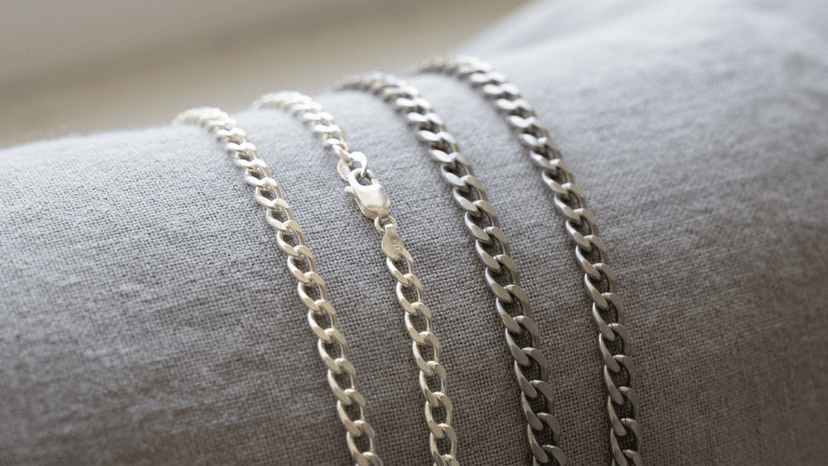
Step 3: Find a Reliable Low MOQ Jewelry Manufacturer
This is the most important step. The manufacturer you choose will determine your product quality, delivery time, and overall business success.
Where to find low MOQ jewelry manufacturers:
- Direct outreach to manufacturers via their websites
- Trade shows (e.g., Hong Kong Jewellery & Gem Fair, Las Vegas JCK)
- B2B industry directories and platforms specific to jewelry sourcing
- Referrals from other jewelry brand owners in communities and forums
What to look for in a low MOQ jewelry manufacturer:
| Factor | Why It Matters |
|---|---|
| MOQ flexibility | Can they meet your small quantity needs? |
| Manufacturing capabilities | Do they handle OEM, ODM, and private label? |
| Material quality | Do they use 316L stainless steel or solid brass? |
| Plating quality | Is the plating thick enough (e.g., 18K gold ion plating)? |
| Sample policy | Will they make samples before bulk orders? |
| Communication | Do they respond quickly and clearly in English? |
| Production timeline | Can they deliver on time? |
| References or reviews | Do other brands trust them? |
Important: Always ask for product certifications. Quality manufacturers will be able to provide test reports for materials like lead-free, nickel-free, and cadmium-free compliance.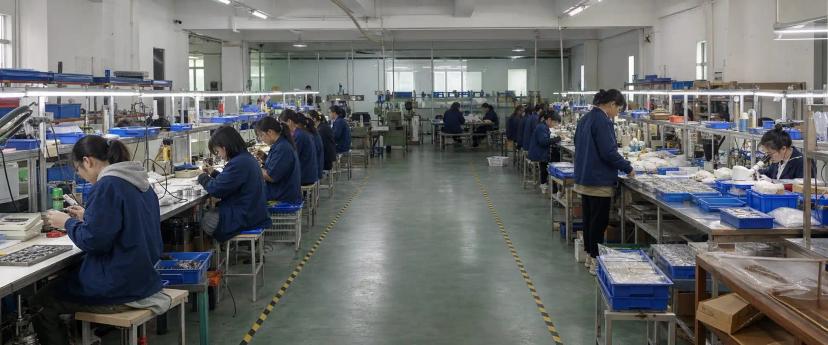
Step 4: Create Custom Jewelry Designs
You have two main paths:
Option A: Choose from existing catalog designs (in-stock)
- Faster turnaround
- Lower cost
- Add your logo or custom packaging
- At Jewins, in-stock catalog items start from 30 pieces per style
Option B: Create fully custom designs (OEM/ODM)
- Unique pieces exclusive to your brand
- Higher level of brand differentiation
- Requires design files or reference images
- At Jewins, fully custom (non-stock) designs start from 100 pieces
How to submit a custom design:
- Sketch your idea or find reference images
- Send your references to the manufacturer
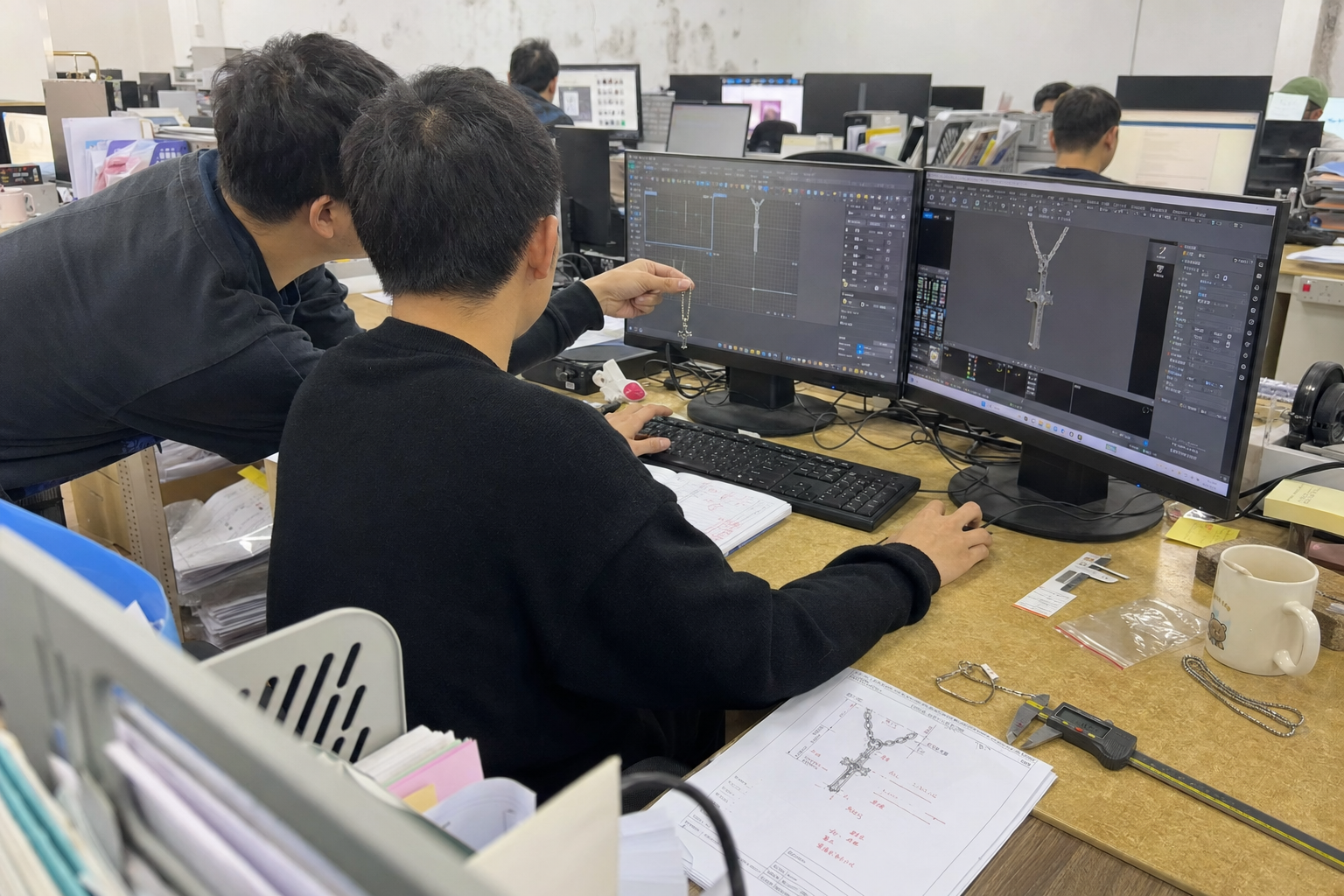
- Request a 3D CAD model or wax sample for review
- Approve the design and move to sample production
- Review the physical sample before placing a bulk order
You do not need to be a jewelry designer. Most manufacturers have in-house design teams who can help you turn a rough idea into a finished product.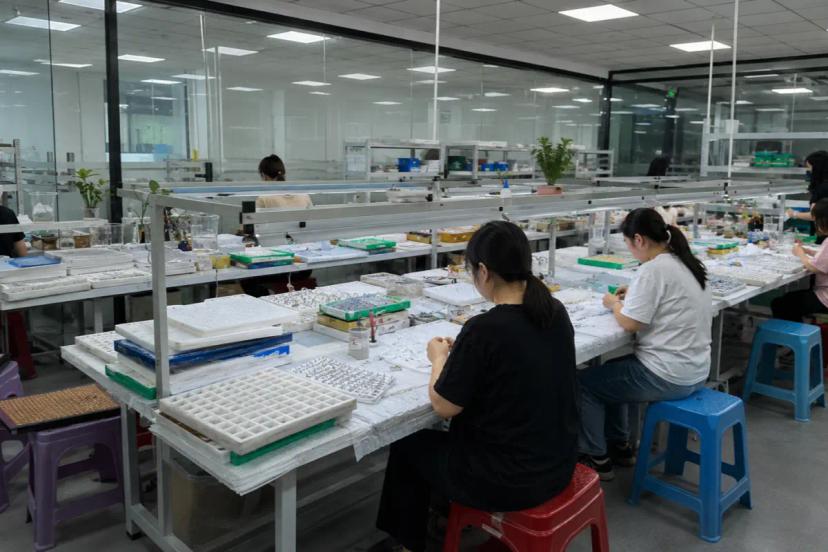
Step 5: Order Samples Before Bulk Production
Never skip the sample stage. This is one of the most important rules in jewelry manufacturing.
A sample lets you:
- Check the size, weight, and feel of the piece
- Verify the finish and plating quality
- Confirm the accuracy of any engraving or custom details
- Test for durability before committing to a bulk order
Sample order tips:
- Order 1–3 pieces of each design
- Wear the sample yourself or have real people test it
- Check the clasp, chain links, and any moving parts
- Compare the sample to your original design brief
Most manufacturers charge a sample fee that is often refundable or credited toward your bulk order.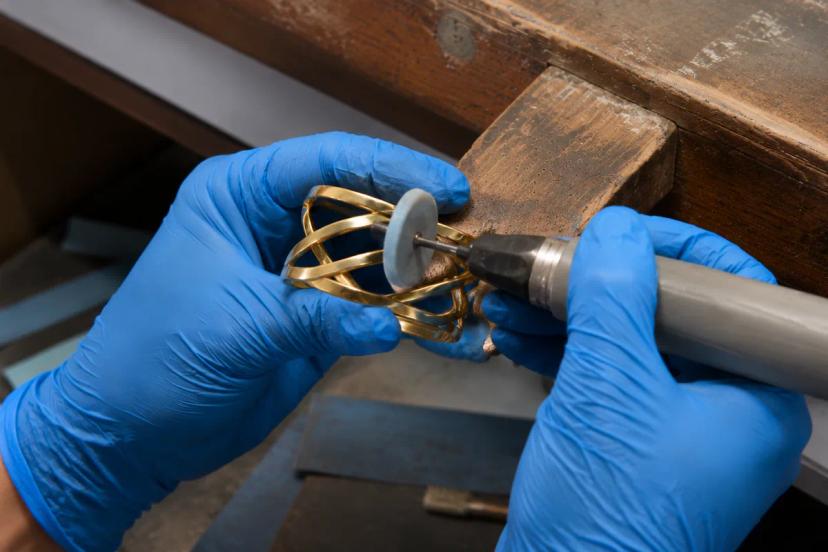
Step 6: Build Your Brand and Packaging
Your packaging is part of your product. Customers remember how something is packaged just as much as the product itself.
Low MOQ packaging options:
| Packaging Type | Best For | Notes |
|---|---|---|
| Custom jewelry boxes | Premium gift brands | Logo embossed or printed |
| Custom pouches | Minimalist brands | Cost-effective, lightweight |
| Custom cards (thank-you, size guide) | All brands | Easy to add to any order |
| Custom poly bags with logo | Budget brands | Very low cost |
| Custom tissue paper & stickers | Brand experience | Works great for unboxing moments |
- Logo in vector format (AI or EPS file)
- Brand colors in Pantone or CMYK code
- Packaging dimensions for your products
- Copy for hang tags (care instructions, brand message)
Many low MOQ jewelry manufacturers also offer custom packaging services. Ask your supplier about packaging MOQs — they are often separate from the jewelry MOQ.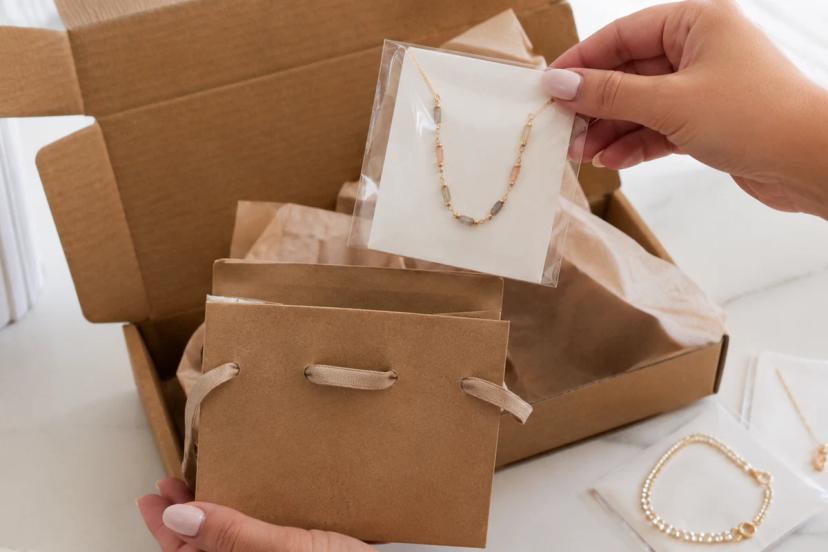
Step 7: Launch and Sell Your Jewelry
Once your products arrive, it is time to launch. Here is a simple launch plan:
- Take professional product photos (or flat lay photos on a clean background)
- Write product descriptions with your target keywords
- Set up your Shopify store, Etsy shop, or Instagram page
- Plan your launch promotions (discount codes, giveaways, etc.)
Where to sell:
- Shopify — Best for building a branded online store
- Etsy — Great for handmade and artisan-style jewelry
- Instagram & TikTok Shop — Ideal for visual, social-first brands
- Amazon Handmade — High traffic, competitive
- Local boutiques — Great for B2B wholesale relationships
Marketing tips for new jewelry brands:
- Partner with micro-influencers (10k–100k followers) in the fashion/lifestyle niche
- Create short-form video content showing the product up close
- Use user-generated content (UGC) to build social proof
- Run targeted ads on Meta (Instagram/Facebook) with clear creative
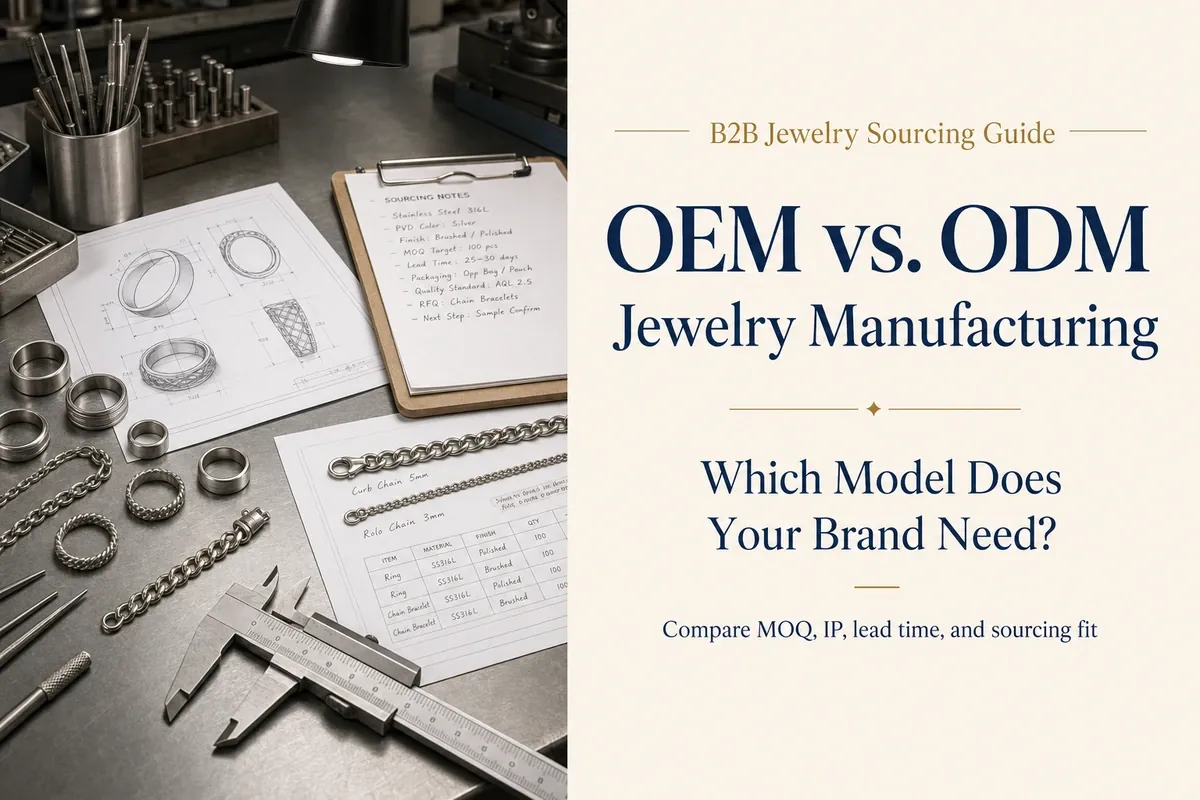
OEM vs ODM vs Private Label Jewelry
One of the most common questions new jewelry brand owners ask is: What is the difference between OEM, ODM, and private label?
Here is a simple comparison:
| Term | What It Means | Best For | MOQ Flexibility |
|---|---|---|---|
| OEM (Original Equipment Manufacturer) | You provide the design; the manufacturer produces it exactly to your specifications | Brands with unique, proprietary designs | Usually 100+ pieces |
| ODM (Original Design Manufacturer) | The manufacturer designs the product; you rebrand it as your own | Brands without in-house designers | Medium — depends on design |
| Private Label | You select from the manufacturer's existing catalog and add your brand name/logo | Brands launching quickly with lower cost | As low as 30 pieces |
Which one should you choose?
- If you are just starting out → Private label or ODM
- If you have a unique design vision → OEM
- If you want speed and low cost → Private label
Most successful brands start with private label or ODM and graduate to OEM as their brand grows and their budget increases.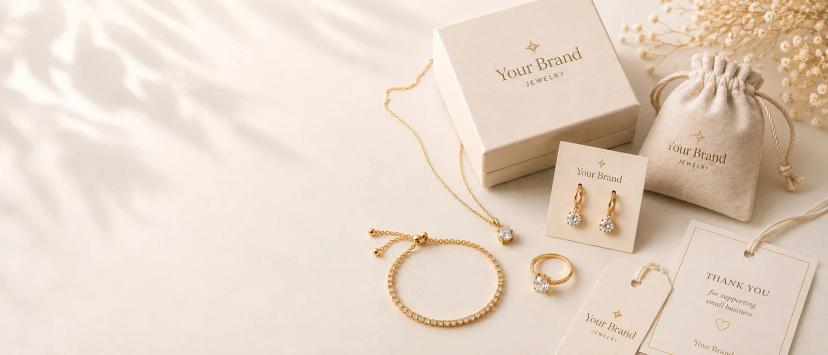
Common Mistakes to Avoid When Starting a Jewelry Brand
Learning from other people's mistakes will save you time, money, and headaches. Here are the most common errors new jewelry brands make:
❌ Mistake 1: Ordering Too Much Too Soon
Ordering 500 pieces of one design before testing the market is a recipe for disaster. Start small. Use low MOQ orders to validate demand first.
❌ Mistake 2: Skipping the Sample Stage
Going straight to bulk production without ordering a sample is extremely risky. Always test the product in your hands before committing.
❌ Mistake 3: Choosing the Cheapest Manufacturer
The cheapest option is rarely the best. Poor plating quality, weak clasps, and inaccurate sizing will lead to returns, bad reviews, and lost customers.
❌ Mistake 4: Not Having a Clear Brand Identity
Selling random jewelry without a cohesive brand story makes it impossible to build a loyal customer base. Define your niche and stick to it.
❌ Mistake 5: Ignoring Packaging
Many new brands focus only on the jewelry and forget about packaging. Great packaging creates a memorable unboxing experience that drives repeat purchases and social sharing.
❌ Mistake 6: Poor Communication with Your Manufacturer
Unclear briefs lead to wrong products. Always provide detailed specifications: size (in mm), material, finish, weight, plating color, and reference images.
❌ Mistake 7: Not Asking About Lead Times
Production takes time. Custom jewelry typically takes 15–45 days after sample approval, depending on complexity and quantity. Plan your inventory schedule accordingly.
❌ Mistake 8: Not Controlling Quality
Even with a trusted manufacturer, request quality control (QC) photos before shipment. Check for plating consistency, correct dimensions, and defect-free surfaces.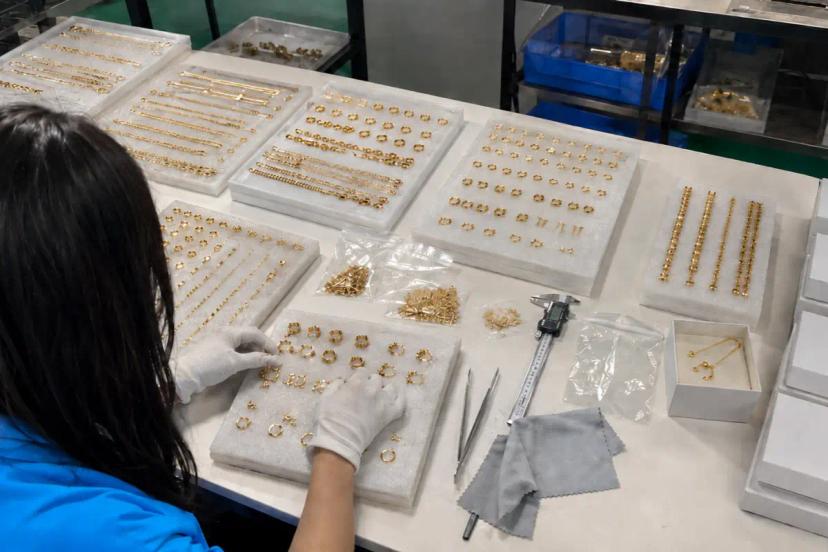
How to Choose the Best Low MOQ Jewelry Manufacturer
Use this checklist when evaluating any low MOQ jewelry manufacturer:
Basic Qualifications
- Minimum order as low as 30–100 pieces per style
- Experience with jewelry brands (not just factories that do all products)
- Can produce in your required materials (e.g., 316L stainless steel, brass)
Design & Customization
- Offers OEM (custom design from your files)
- Offers ODM (their designs, your branding)
- Offers private label with custom logo
- Has an in-house design team or 3D modeling capability
Quality Standards
- Can provide material test reports (nickel-free, lead-free, cadmium-free)
- Has clear plating thickness specifications (e.g., 0.3+ microns for gold)
- Offers pre-shipment quality inspection photos
Samples & Production
- Offers sample orders before bulk production
- Has realistic and transparent lead times
- Can handle both small batch and growing orders
Communication & Service
- Responds within 24 hours
- Has an English-speaking sales team
- Provides clear quotations with all costs included
Reliability
- Has verifiable client references or portfolio
- Has been in business for at least 3–5 years
- Offers secure payment terms (e.g., 30% deposit, 70% before shipment)
How to Control Inventory and Reduce Risk
Inventory management is critical for small jewelry brands. Here are smart strategies:
1. Start with a Core Collection
Launch with 5–8 hero products. Do not spread your budget across 20+ designs.
2. Use a "Test and Scale" Approach
Order the minimum quantity first. If a product sells well, reorder in larger quantities. If it does not sell, you have not lost much.
3. Track Your Sell-Through Rate
Sell-through rate = (Units sold ÷ Units received) × 100
Aim for 70%+ sell-through before reordering any design.
4. Keep a Safety Stock Buffer
Always reorder before you run out. With 3–6 week production lead times, plan your reorders early.
5. Avoid Seasonal Overstock
For seasonal pieces (Valentine's Day, Christmas), order conservatively and use pre-orders to gauge demand before committing to production.
How to Grow from Small Orders to Larger Production
Starting with low MOQ does not mean staying small forever. Here is how to scale:
Stage 1: Validation (MOQ: 30–100 pieces)
- Test your designs in the market
- Collect customer feedback
- Identify your top-selling styles
Stage 2: Growth (MOQ: 100–300 pieces)
- Increase orders on proven bestsellers
- Expand your collection with complementary pieces
- Negotiate better pricing with your manufacturer
Stage 3: Scale (MOQ: 500+ pieces)
- Build strategic inventory for peak seasons
- Explore wholesale and B2B opportunities
- Develop exclusive collections for retail partners
Pro Tip: Build a strong relationship with your manufacturer early. Manufacturers reward loyal clients with better pricing, faster lead times, and priority production slots as your orders grow.
Conclusion
Starting a jewelry brand with a low MOQ has never been more accessible. By following the steps in this guide — defining your brand, choosing the right products, finding a trusted manufacturer, ordering samples, and building a strong brand identity — you can launch a jewelry business without the risk of massive upfront investment.
The key is to start small, test your ideas in the real market, and scale what works.
When it comes to finding a reliable manufacturing partner, Jewins is a trusted custom jewelry manufacturer that specializes in helping startups and growing jewelry brands. Whether you need private label jewelry, OEM custom designs, or ODM services, Jewins offers flexible MOQ options — starting from just 30 pieces for in-stock styles and 100 pieces for fully custom designs — making it an ideal partner for new brands. With expertise in stainless steel, brass, and precious metal jewelry, Jewins gives small brands access to factory-quality production without the large-factory barriers.
Take your first step today. Choose your niche, find a manufacturer like Jewins who understands your needs, and start building the jewelry brand you have always imagined.
Frequently Asked Questions (FAQ)
What is considered a low MOQ for jewelry?
A low MOQ in jewelry manufacturing is typically 30 to 100 pieces per design. Some manufacturers, like Jewins, offer in-stock styles starting from 30 pieces, while custom-designed pieces often start from 100 pieces. Anything below 500 pieces is generally considered low MOQ compared to large-scale mass production factories.
Can I start a jewelry brand with a small budget?
Yes, absolutely. Many jewelry brands have started with a budget of $500 to $3,000. By choosing a low MOQ manufacturer, ordering small quantities of 3–5 designs, and selling online through platforms like Shopify or Etsy, you can launch a real jewelry brand without breaking the bank. The key is to start lean and reinvest your profits as you grow.
How do I find a low MOQ jewelry manufacturer?
You can find low MOQ jewelry manufacturers by:
- Researching manufacturers directly through their official websites
- Attending international jewelry trade shows (Hong Kong, Las Vegas)
- Joining jewelry business communities and forums where other brand owners share referrals
- Searching for manufacturers that specifically advertise custom jewelry, private label, OEM, or small batch manufacturing services
Always vet any manufacturer carefully before placing an order. Request samples, ask for references, and verify their communication quality.
Should I choose OEM or ODM jewelry?
It depends on your stage:
- OEM is best if you have unique designs and want products exclusive to your brand.
- ODM is best if you want to use the manufacturer's existing designs and simply add your branding.
- Private label is best if you want the fastest, lowest-cost entry point.
For most beginners, private label or ODM is the smartest starting point. You can transition to OEM as your brand and budget grow.
How many jewelry designs should I launch with?
Start with 3 to 8 designs. A focused collection is easier to market, photograph, and manage. Choose pieces that complement each other — for example, a matching necklace, ring, and earring set in one signature style. Once you see which designs sell best, expand from there.
How long does custom jewelry production take?
Production timelines vary depending on complexity and quantity:
| Production Type | Estimated Timeline |
|---|---|
| Sample production | 7–15 business days |
| In-stock private label | 10–20 business days |
| Custom OEM production | 20–45 business days |
| Large batch (500+ pieces) | 30–60 business days |
Always build extra buffer time into your launch planning, especially for your first order.
Can I customize jewelry packaging?
Yes. Most low MOQ jewelry manufacturers offer custom packaging services, including branded boxes, pouches, hang tags, and thank-you cards. Packaging MOQs are often separate from jewelry MOQs — typically starting from 50 to 100 pieces depending on the packaging type. Custom packaging greatly enhances your brand experience and perceived value.
Is China a good place to manufacture jewelry?
China has one of the world's most developed jewelry manufacturing ecosystems, with highly skilled artisans, advanced production equipment, and extensive material supply chains. Chinese manufacturers can produce high-quality stainless steel, brass, silver, and gold-filled jewelry at competitive prices. Many global jewelry brands — from startups to well-known labels — source their products from Chinese manufacturers.
The key to success is choosing a reputable, experienced manufacturer with strong quality control, good English communication, and transparent pricing. Working with established manufacturers like Jewins, who specialize in custom jewelry for international brands, ensures you get factory-quality results with the personal attention a new brand needs.
Build Your Jewelry Collection with a Reliable OEM/ODM Supplier
Jewins helps jewelry brands, wholesalers, and private label buyers develop 316L stainless steel jewelry with practical sample support, stable production, quality checks, and packaging options. From material selection to bulk-order delivery, we focus on clear communication, realistic claims, and consistent quality.