
Stainless Steel Jewelry Pros and Cons: A Complete B2B Guide
Stainless steel jewelry has become a serious material choice for waterproof everyday jewelry, hypoallergenic-friendly collections, men's jewelry, and affordable luxury lines. This guide explains the real advantages and limitations of stainless steel jewelry, with a sourcing-focused look at 316L grade, PVD coating, material comparisons, and wholesale buying checks.
Stainless steel jewelry — especially 316L stainless steel — is durable, tarnish-resistant, water-resistant, and cost-effective for everyday jewelry collections. It performs well when brands need reliable pieces for daily wear, sweat, and moisture exposure.
The main tradeoffs are resizing difficulty, no precious-metal resale value, heavier weight than titanium, and the need to verify grade, coating method, and compliance documentation before making sensitive-skin or waterproof claims.
Why Stainless Steel Has Become a Serious Jewelry Material
Ten years ago, stainless steel was largely associated with industrial applications — cookware, surgical tools, and construction. Today it sits at the center of some of the fastest-growing jewelry categories: waterproof everyday jewelry, hypoallergenic lines, men's fashion jewelry, and affordable luxury collections.
The shift isn't accidental. As consumers have grown more demanding about durability and more price-sensitive about discretionary spending, stainless steel has filled a gap that neither sterling silver nor gold-filled pieces could fill cleanly. It holds up. It doesn't tarnish in the shower. And when produced from the right grade with the right surface treatment, it looks the part.
For wholesale stainless steel jewelry buyers and brand owners, this matters beyond aesthetics. Lower return rates, fewer warranty claims, and a wider accessible price point all translate directly to margin and repeat business. This article breaks down the real tradeoffs — including the material and manufacturing decisions that most consumer guides never address.
Stainless Steel Jewelry: Pros and Cons at a Glance
| Pros | Cons |
|---|---|
| Highly durable — resists scratches, dents, and daily wear | Cannot be resized easily — hardness limits alteration |
| Tarnish- and rust-resistant (chromium oxide layer) | No investment or resale value |
| Sensitive-skin-friendly — 316L grade is suitable for most wearers | Not nickel-free — confirmed nickel allergy cases need caution |
| Excellent base for PVD coating (gold, rose gold, black) | Heavier than titanium — may feel bulky in large pieces |
| Water-resistant — suitable for daily sweat and moisture exposure | Scratches are harder to buff out than on softer metals |
| Cost-effective — lower unit cost than silver or gold-filled | Not appropriate for fine jewelry positioning |
| Low maintenance — no special care or polishing required | Plating longevity varies — PVD vs. electroplating matters |
| Fully recyclable — sustainable sourcing story | Limited appeal in luxury/heritage jewelry segments |
The Pros of Stainless Steel Jewelry — In Detail
1. Durability That Reduces Returns
Stainless steel's tensile strength makes it one of the most wear-resistant materials in fashion jewelry. It resists bending, breaking, and surface damage that commonly trigger returns in brass or zinc alloy pieces. For brands selling through e-commerce or wholesale channels, this reliability is a direct operational advantage.
2. Tarnish and Rust Resistance
The chromium content in stainless steel (minimum 10.5% by mass) reacts with atmospheric oxygen to form an invisible chromium oxide layer. This passive layer self-regenerates when damaged, which is why stainless steel maintains its appearance in conditions that would rapidly degrade silver or plated brass. It is not indestructible, but it is significantly more stable. For a deeper explanation of gold-tone finishes, PVD coating, and real-world tarnish risk, read our guide on does gold stainless steel tarnish.
3. Hypoallergenic Properties
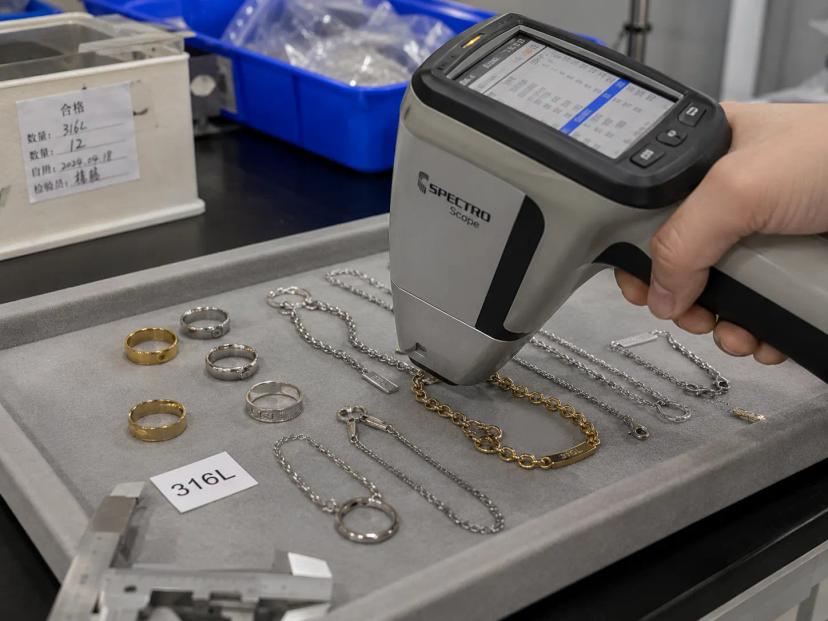
316L stainless steel is widely used for skin-contact jewelry and is generally suitable for most wearers, including many customers who describe themselves as having sensitive skin. However, it is not nickel-free, so brands should avoid making absolute claims without supporting documentation. For products sold into regulated markets, especially earrings, rings, necklaces, and bracelets intended for prolonged skin contact, buyers should request material certificates and nickel release testing where required. Customers with a confirmed nickel allergy or strong nickel sensitivity may still prefer alternatives such as titanium or solid gold. Brands planning sensitive-skin-friendly collections can also review our full guide to hypoallergenic stainless steel jewelry for more sourcing and customer communication details.
4. The Best Base for PVD Coating
Among fashion jewelry metals, 316L stainless steel is one of the most reliable bases for PVD stainless steel jewelry production. Physical Vapor Deposition (PVD) forms a durable surface finish — gold, rose gold, black, or gunmetal — that generally performs better under daily sweat, friction, and moisture exposure than conventional electroplating. For brands building water-resistant or tarnish-resistant jewelry lines, 316L stainless steel with controlled PVD finishing is usually a stronger sourcing choice than lower-grade substrates.
5. Waterproof Performance
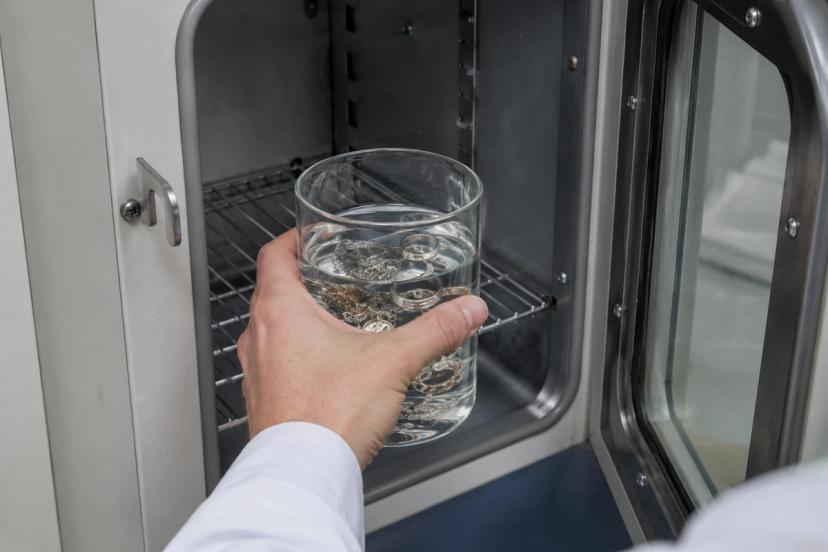
Stainless steel does not absorb moisture, and its passive oxide layer helps resist corrosion from daily water, sweat, and mild exposure scenarios. In practical terms, this makes 316L stainless steel suitable for everyday moisture contact such as hand washing, workouts, and humid environments. Brands should still avoid promising permanent waterproof performance, especially for prolonged chlorine, saltwater, perfume, or harsh chemical exposure. For wholesale buyers building daily-wear or water-resistant collections, our waterproof stainless steel jewelry wholesale guide explains how to evaluate material, coating, and care expectations before bulk sourcing.
6. Cost-Effectiveness for Brands
Raw material costs for 316L stainless steel are substantially lower than sterling silver, gold-filled, or titanium. This allows brands to offer well-made, durable jewelry at accessible retail price points while maintaining workable margins. It also makes stainless steel the practical choice for higher-volume collections where precious metal costs would be prohibitive.
7. Sustainability Credentials
Stainless steel is widely recyclable and can support a more durable, lower-waste product story when compared with short-life plated fashion jewelry. For brands building an environmental messaging strategy, the safest approach is to focus on durability, long wear, recyclability, and supplier-provided material information rather than making broad sustainability claims without documentation.
The Cons of Stainless Steel Jewelry — In Detail
1. Resizing and Customization Limitations
The hardness that makes stainless steel durable also makes it difficult to work with post-production. Rings, in particular, cannot be resized through conventional methods — specialized equipment is required, and most independent jewelers will decline the job. Brands need to plan for this by offering comprehensive size ranges upfront and setting clear expectations with retail partners.
2. No Investment or Resale Value
Stainless steel is not a precious metal. It does not appreciate in value, and the secondary market for stainless steel jewelry is negligible compared to gold or silver. For brands positioning their products as heirlooms or investment pieces, this is a fundamental mismatch. For everyday fashion and lifestyle jewelry — where the customer's expectation is durability, not appreciation — it is a non-issue.
3. Nickel Content in Lower Grades
304-grade stainless steel is used in many industrial and accessory applications, but it is usually less suitable than 316L for jewelry brands positioning products as hypoallergenic, water-resistant, or long-wear skin-contact jewelry. If 304 is used, buyers should confirm the intended application and request relevant testing where market regulations require it. Grade transparency in sourcing and product descriptions is not optional — it is a brand protection issue.
4. Weight
Stainless steel is denser than titanium and, in large statement pieces or thick chains, can feel heavier than some customers prefer. This is rarely a deal-breaker in rings or pendants but is worth considering in the design brief for long necklaces or oversized earrings.
5. Surface Scratch Visibility
Stainless steel is harder than silver or gold, which means it resists scratches well. When scratches do occur, however, they can be more visible on a mirror-polished surface than on softer metals where micro-abrasions blend into a general patina. Brushed and matte finishes wear more gracefully and are worth recommending to customers who prefer low-maintenance aesthetics.
304 vs. 316L Stainless Steel Jewelry: What the Grade Difference Actually Means
Grade is the single most important sourcing decision in stainless steel jewelry, and it is also the most commonly glossed over. When a supplier quotes you "stainless steel jewelry," the grade they're using determines whether you're getting a product worth standing behind.
| Property | 304 Stainless Steel | 316L Stainless Steel |
|---|---|---|
| Chromium content | 18–20% | 16–18% |
| Nickel content | 8–10.5% | 10–14% |
| Molybdenum | None | 2–3% (key differentiator) |
| Nickel release rate | Requires verification for skin-contact jewelry claims | Generally lower-risk choice, but documentation may still be required |
| Corrosion resistance | Good — suitable for many dry or general-use applications | Stronger — better suited for sweat and moisture exposure |
| Hypoallergenic claim | Not ideal for sensitive-skin positioning without testing | More defensible for most wearers when supported by material documentation |
| PVD coating adhesion | Adequate | Strong fit — more consistent base for quality-controlled PVD finishing |
| Typical unit cost | Lower | Usually higher than 304, depending on design and market price |
| Best for | Fashion accessories, non-skin-contact pieces | Skin-contact jewelry, water-resistant lines, daily-wear collections |
Jewins sourcing standard: All Jewins products are manufactured from 316L stainless steel as a baseline. We do not offer 304-grade pieces for skin-contact applications. Material certificates are available on request.
PVD vs. Electroplating: The Coating Decision That Determines Product Longevity
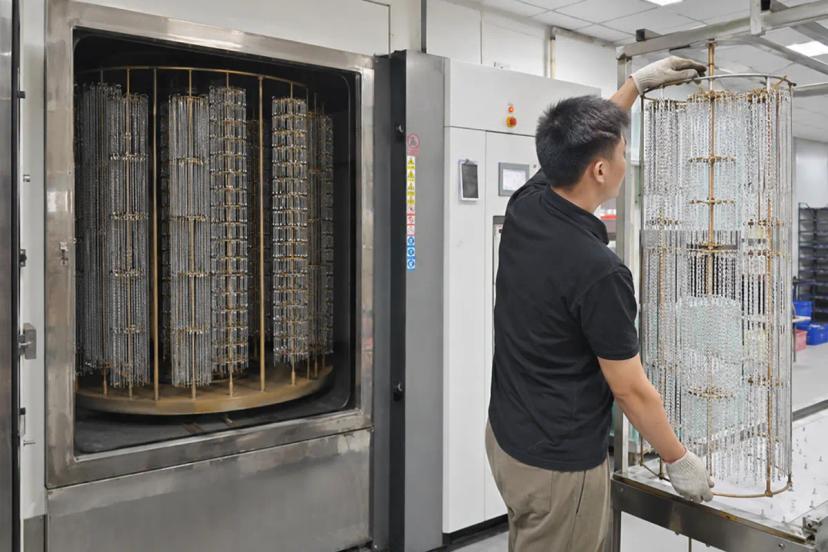
If you're sourcing gold-plated stainless steel jewelry, the plating technology used is at least as important as the base metal grade. Two methods dominate the market — PVD (Physical Vapor Deposition) and conventional electroplating — and they produce meaningfully different results in real-world wear.
| Factor | PVD Coating | Electroplating |
|---|---|---|
| Process | Vacuum-based process — coating forms on the prepared surface | Electrochemical bath — metal deposited onto surface |
| Coating thickness | Usually thin and more uniform when process control is stable | Often variable depending on bath control and supplier process |
| Adhesion strength | Stronger surface bonding than conventional electroplating | Surface deposition — more vulnerable to wear over time |
| Scratch resistance | Generally stronger under daily wear when properly applied | More likely to wear through under frequent friction |
| Sweat/water resistance | Generally strong when applied to a suitable stainless steel base | More vulnerable under sweat, moisture, and salt exposure |
| Color options | Gold, rose gold, black, gunmetal, IP colors | Gold, rose gold, silver, black (rhodium) |
| Environmental profile | Vacuum-based process with less reliance on wet chemical baths | Wet chemical process requires wastewater and chemical control |
| Cost to produce | Higher upfront — equipment-intensive | Lower — widely available |
| Expected wear life | Generally longer-lasting under daily wear when applied to a suitable stainless steel base | More likely to show visible wear earlier under friction, sweat, or moisture exposure |
| Best for | Waterproof lines, active-wear, premium collections | Lower price-point fashion, short-season trends |
Many quality-focused brands choose PVD stainless steel jewelry for water-resistant and tarnish-resistant positioning because it usually offers a stronger finish than conventional electroplating. The additional per-unit cost should be evaluated against product category, target price point, expected wear conditions, and after-sale complaint risk.
Stainless Steel vs. Brass Jewelry: A Material Comparison for Brands
For many fashion jewelry brands, the real sourcing decision is not stainless steel vs. solid gold, but stainless steel vs. plated brass. Brass is the dominant material in fashion jewelry manufacturing globally — it is easy to cast, takes plating well, and is inexpensive. Stainless steel is the stronger challenger. The right choice depends on your product positioning, price point, and customer expectations.
| Factor | Stainless Steel (316L) | Brass (Gold-Plated) |
|---|---|---|
| Base material cost | Moderate | Low |
| Durability | High — resists bending, breaking, daily wear | Moderate — softer, prone to deformation |
| Tarnish resistance | Strong — supported by chromium oxide passive layer | Poor — copper content oxidizes and tarnishes |
| Skin reaction risk | Lower with 316L — suitable for most wearers | Higher — copper-based alloys are more likely to cause discoloration |
| Plating longevity | Strong with controlled PVD; variable with electroplating | Fair — thinner plating on softer substrate |
| Waterproof suitability | Suitable for daily moisture exposure when quality-controlled | Not ideal — moisture can accelerate tarnish and discoloration |
| Weight / feel | Heavier, more substantial | Lighter, less premium feel |
| Design complexity | Moderate — harder to achieve fine detail | High — excellent castability for intricate designs |
| Resale positioning | Mid-range to premium fashion jewelry | Entry-level to mid-range fashion jewelry |
| Returns / complaints | Usually lower when material grade and coating are controlled | Often higher where tarnish, plating wear, or discoloration occurs |
The most common scenario we see at Jewins: brands that built their initial collections in plated brass migrate to wholesale stainless steel jewelry after experiencing repeat tarnish complaints and elevated return rates. The per-unit cost is comparable at scale — and the customer experience improvement is significant.
Is Stainless Steel Good for Jewelry Brands and Everyday Collections?
The short answer is yes — with qualifications that depend on your specific market position.
Where Stainless Steel Creates a Genuine Competitive Advantage
- Everyday and lifestyle jewelry brands: The durability and waterproof characteristics are a strong product story for active, outdoor, or wellness-adjacent brands.
- Hypoallergenic jewelry lines: 316L grade supports a more credible sensitive-skin-friendly positioning when backed by clear material information and, where needed, testing documentation.
- Waterproof and sweat-proof collections: Stainless steel, especially when PVD-coated and quality-controlled, is one of the most practical base materials for brands making water-resistant daily-wear claims.
- Men's jewelry: The weight, strength, and industrial aesthetic of stainless steel aligns naturally with men's fashion jewelry — rings, chains, bracelets, and cuffs.
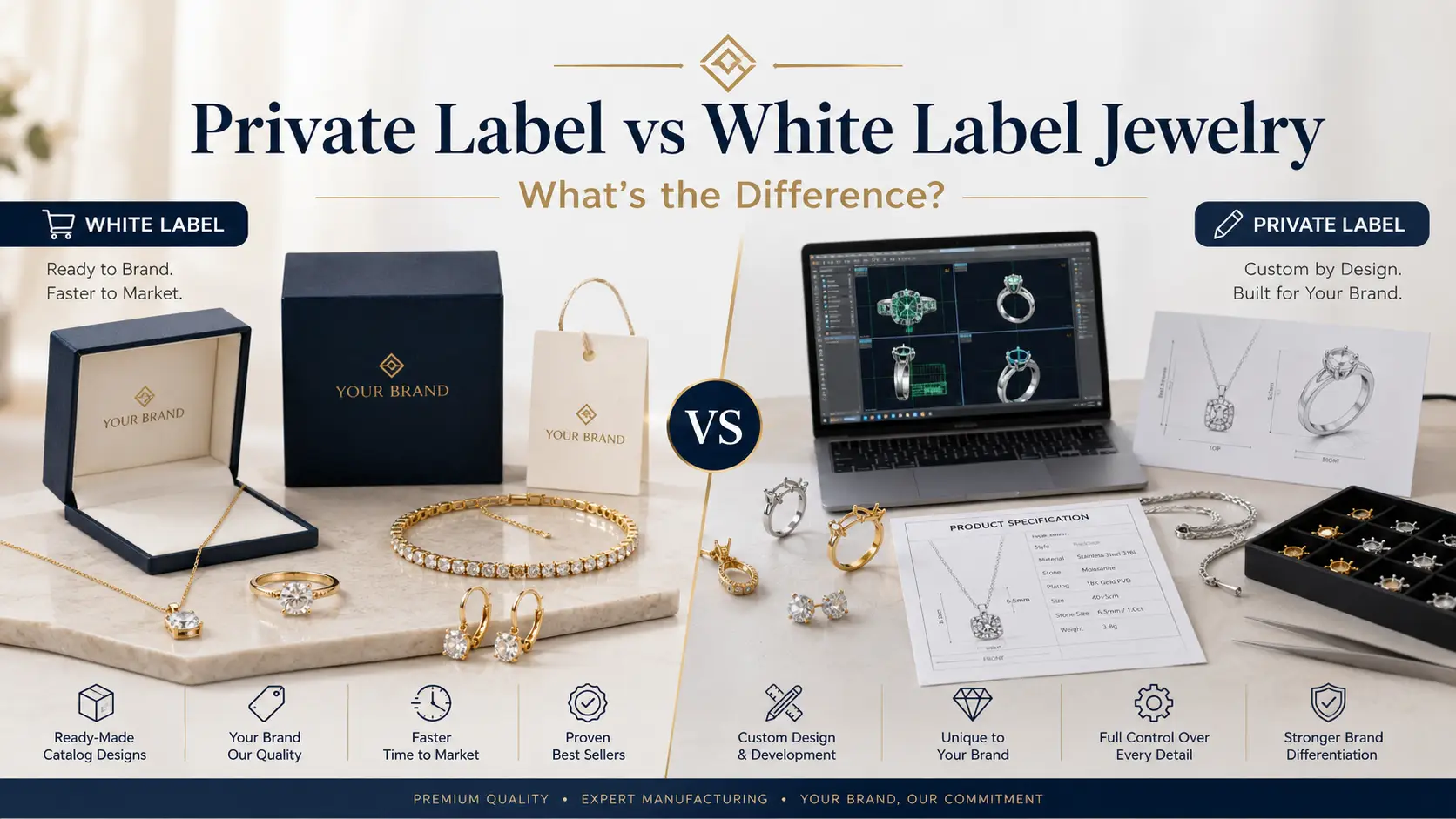
- Private label and custom lines: Stainless steel's machinability and surface treatment options make it practical for custom stainless steel jewelry programs with moderate MOQs.
Where Stainless Steel Is a Weaker Fit
- Fine jewelry positioning: Stainless steel cannot be hallmarked as a precious metal. If your brand equity depends on gold or silver content, this is not your material.
- Heirloom or high-sentiment pieces: Customers who expect to pass jewelry to future generations or who associate value with precious metal content will find stainless steel underwhelming for these categories.
- Ultra-delicate or intricate designs: While stainless steel is highly versatile, extremely fine filigree or delicate settings are easier to achieve in gold or silver.
The B2B Case for Working with a Stainless Steel Jewelry Manufacturer
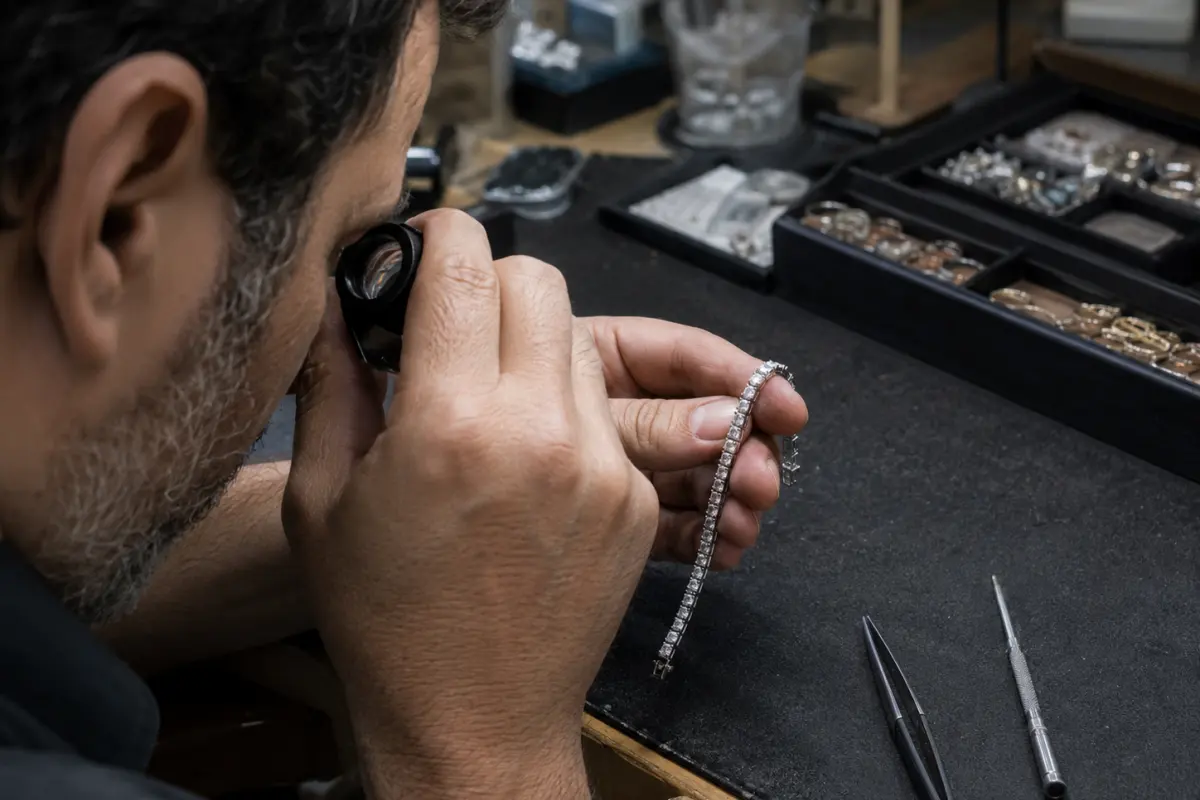
For brands evaluating a switch or addition to their material mix, partnering with a dedicated stainless steel jewelry manufacturer — rather than a general fashion jewelry factory — provides meaningful advantages: grade verification, PVD process control, consistent batch quality, and a supplier that understands the specific performance standards the material requires.
At Jewins, we work with brands ranging from independent DTC labels building their first custom stainless steel jewelry collection to established wholesalers sourcing repeatable SKUs at volume. Our production is built around 316L as the standard and PVD as the default coating for plated pieces — because those are the specifications that deliver the product performance our clients need to build on.
Stainless Steel vs. Other Jewelry Materials: Full Comparison
| Factor | 316L Stainless Steel | Sterling Silver | Titanium | Brass (plated) | 14K Gold |
|---|---|---|---|---|---|
| Price range (retail) | $10–$80 | $20–$200 | $50–$250 | $5–$40 | $200–$2,000+ |
| Tarnish resistance | Excellent | Poor–Fair | Excellent | Poor | Good |
| Hypoallergenic | Suitable for most wearers | Moderate | Strong option | Low | Generally suitable |
| Waterproof | Daily moisture resistant | Not ideal | Daily moisture resistant | Not ideal | Generally suitable |
| Resizable | No | Yes | No | Yes | Yes |
| Investment value | None | Some | None | None | Strong |
| PVD plating | Strong base | Not standard | Possible but supplier-dependent | Not suitable | Usually not needed |
| Best for brands | Lifestyle, everyday, hypoallergenic lines | Classic, heritage | Lightweight, active-wear | Entry fashion | Luxury, fine jewelry |
Wholesale Stainless Steel Jewelry Sourcing Checklist
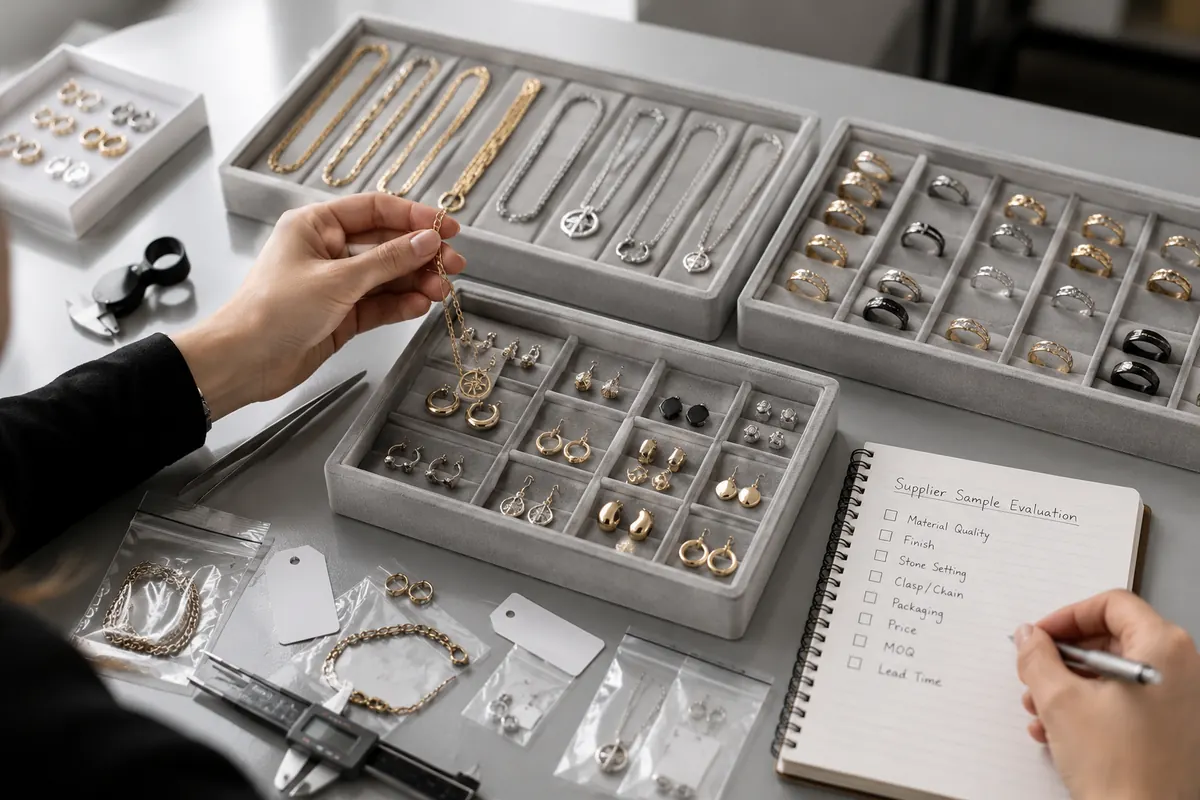
For B2B buyers, stainless steel jewelry quality depends on more than the product image. Before placing a wholesale or private label order, use the following checklist to verify material grade, coating method, compliance support, and repeat-order consistency.
| Checkpoint | What to Confirm | Why It Matters |
|---|---|---|
| Material grade | Confirm 316L stainless steel in writing, not just “stainless steel.” | Protects corrosion resistance, skin-contact performance, and product claims. |
| Coating method | Clarify whether gold, rose gold, or black finishes are PVD coated or electroplated. | Determines finish durability, water resistance, and after-sale complaint risk. |
| Certificates and test support | Ask whether material certificates, nickel release support, or other compliance documents are available. | Supports regulated-market sales and safer product descriptions. |
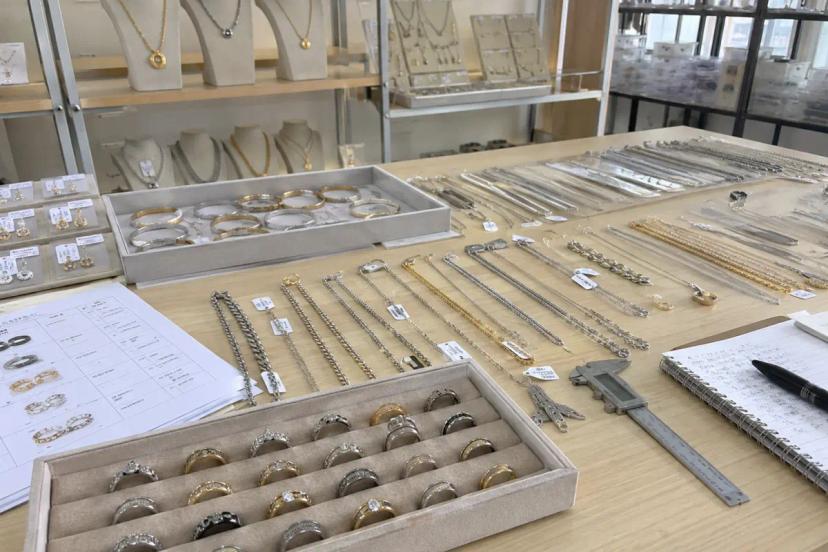
| Sample approval | Review production samples before committing to a full order. | Reduces risk around color, size, finish, weight, and surface quality. |
| Color and finish consistency | Set approved color samples and finish references before repeat orders. | Prevents batch-to-batch differences in PVD gold, rose gold, or black finishes. |
| Packaging and private label support | Confirm cards, pouches, boxes, barcode labels, and brand packaging options. | Helps brands launch faster with a more complete retail-ready product. |
| MOQ and repeat-order stability | Check minimum order quantity, lead time, and repeat production capability. | Keeps best-selling SKUs consistent as the collection scales. |
A specialized stainless steel jewelry manufacturer should be able to discuss these points clearly before production. If a supplier cannot confirm material grade, coating method, or sample standards, the lowest unit price may create higher long-term risk for your brand.
Care and Maintenance: What to Tell Your Customers
One of stainless steel's practical selling points is how little maintenance it requires. For brand content, product cards, and customer FAQs, here is accurate guidance:
- Clean with warm water and a small amount of mild dish soap; rinse thoroughly and dry with a soft cloth.
- Avoid prolonged exposure to chlorine (pools, hot tubs) and harsh chemical cleaners — these can degrade even 316L over time.
- Store separately from other metals to avoid contact scratching, particularly on mirror-polished finishes.
- For PVD-coated pieces: the coating is durable but not indestructible — avoid abrasive cleaners and ultrasonic cleaners, which can compromise the coating edge.
- Unplated stainless steel can be polished with a jewelry polishing cloth if the finish dulls.
Final Verdict: Is Stainless Steel Jewelry Worth It for Brands?
For most everyday jewelry brands, 316L stainless steel is worth considering because it balances durability, water resistance, sensitive-skin-friendly positioning, and accessible pricing better than many traditional fashion jewelry materials.
It is not the right choice for fine jewelry, investment jewelry, or heirloom positioning. But for waterproof jewelry, hypoallergenic-friendly collections, men’s jewelry, private label programs, and repeatable wholesale SKUs, stainless steel is one of the most practical materials available.
The key is sourcing discipline: choose 316L grade, confirm the coating method, review samples, and work with a manufacturer that understands material documentation, PVD finishing, and batch consistency.
Frequently Asked Questions
These questions reflect the most common searches related to stainless steel jewelry pros and cons, and are structured to support AI Overview and People Also Ask placement.
High-quality 316L stainless steel is unlikely to turn skin green under normal wear. The green or dark discoloration some customers experience is more commonly associated with copper-containing materials such as brass or bronze-based pieces. Because customer skin chemistry, coating quality, and base material all matter, brands should verify the stainless steel grade and avoid vague material descriptions.
316L stainless steel is generally suitable for most wearers, including many customers who describe themselves as having sensitive skin. However, it is not nickel-free. For customers with a confirmed nickel allergy or strong nickel sensitivity, titanium or solid gold may be safer alternatives. Brands should be precise in their claims: "316L stainless steel" or "sensitive-skin-friendly for most wearers" is safer than saying "nickel-free" unless the product has documentation to support that claim.
316L stainless steel is one of the most practical materials for water-resistant everyday jewelry. It performs well under normal sweat, hand washing, and daily moisture exposure, especially when paired with a quality-controlled PVD finish. However, brands should avoid promising permanent waterproof performance; prolonged chlorine, saltwater, perfume, and harsh chemical exposure can still affect the surface over time.
High-quality 316L stainless steel jewelry can last for years under normal daily wear, especially when the base metal, coating method, and care instructions are properly controlled. Unplated stainless steel usually keeps its appearance longer than plated brass, while PVD-coated stainless steel generally performs better than conventional electroplating. Actual wear life depends on product type, friction, sweat, chemicals, and customer care habits.
316L is usually the preferred grade for skin-contact stainless steel jewelry. The key difference is molybdenum content: 316L contains molybdenum, which improves corrosion resistance, especially in sweat and moisture exposure. 304-grade can be used for some fashion accessory applications, but brands marketing jewelry as hypoallergenic, water-resistant, or long-wear should request material documentation and relevant testing when needed.
PVD (Physical Vapor Deposition) is a vacuum-based coating process that usually creates a more durable surface finish than conventional electroplating. PVD-coated stainless steel jewelry often performs better under daily wear, sweat, and moisture, but it is still a surface finish. Its long-term color performance depends on base metal, coating quality, friction, chemicals, product type, and customer care habits. For brands building water-resistant or tarnish-resistant product lines, PVD is usually the stronger sourcing choice.
It depends on your market positioning. Stainless steel outperforms sterling silver in durability, tarnish resistance, waterproof performance, and per-unit cost. Sterling silver carries precious metal status, appreciates in value, and carries stronger positioning in heritage and fine jewelry segments. For lifestyle brands, everyday jewelry, and hypoallergenic collections — stainless steel is the more practical and cost-effective choice. Many brands carry both materials for different product tiers.
The main disadvantages of stainless steel jewelry are that it cannot be resized easily, has no precious-metal resale value, can feel heavier than titanium in large designs, and may not suit customers with confirmed nickel sensitivity. For brands, the biggest risk is sourcing unclear grades or low-quality plating and then making claims such as waterproof or hypoallergenic without documentation.
"Surgical steel" is a commercial term, not a standalone material designation. In most jewelry contexts, it usually refers to 316L stainless steel or a similar stainless steel grade, but suppliers may use the phrase loosely. When evaluating product claims, ask for the exact material grade and request a material certificate if the application requires verification.
Resizing stainless steel rings is possible but requires specialized equipment that most general jewelers do not carry. The metal's hardness makes hand-resizing impractical. For brand planning purposes, this means offering a complete size run (half sizes where feasible) and being transparent with retail partners about resizing limitations. Some manufacturers can size-adjust during production, which is the preferred approach for custom stainless steel jewelry programs.
The four verification points that matter most when sourcing wholesale stainless steel jewelry:
- Grade confirmation: Request 316L specification in writing, not just "stainless steel."
- Material certificate: Reputable stainless steel jewelry manufacturers provide these on request.
- Plating method: Clarify whether gold or color finishes are PVD or electroplated — this determines longevity.
- Nickel release testing: For products sold into regulated markets, suppliers should be able to discuss material and compliance documentation where required.
Work with Jewins
316L Stainless Steel Jewelry Manufacturing
We produce 316L stainless steel jewelry for brands, wholesalers, and retailers across North America, Europe, and Australia. Our standard is 316L base material with PVD coating for all plated lines — not because it's the most convenient option, but because it's what delivers consistent product performance at scale.
We offer:
- Custom stainless steel jewelry design and development (OEM/ODM)
- Wholesale stainless steel jewelry — competitive MOQs and tiered pricing
- PVD stainless steel jewelry — gold, rose gold, black, and IP color options
- Material certification and compliance documentation support
- Sample development before bulk commitment
If you're evaluating stainless steel for an existing or new collection, we're happy to discuss specifications, samples, and pricing without obligation.